
 Home /
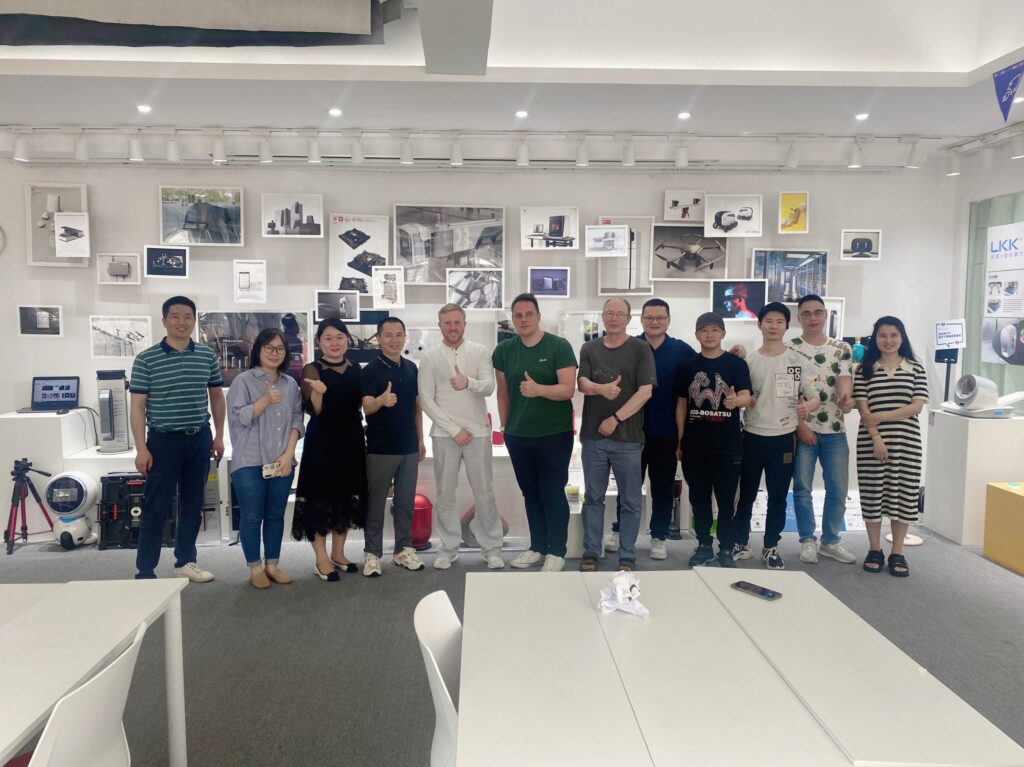
 Our client TTS Group visited LKK Design

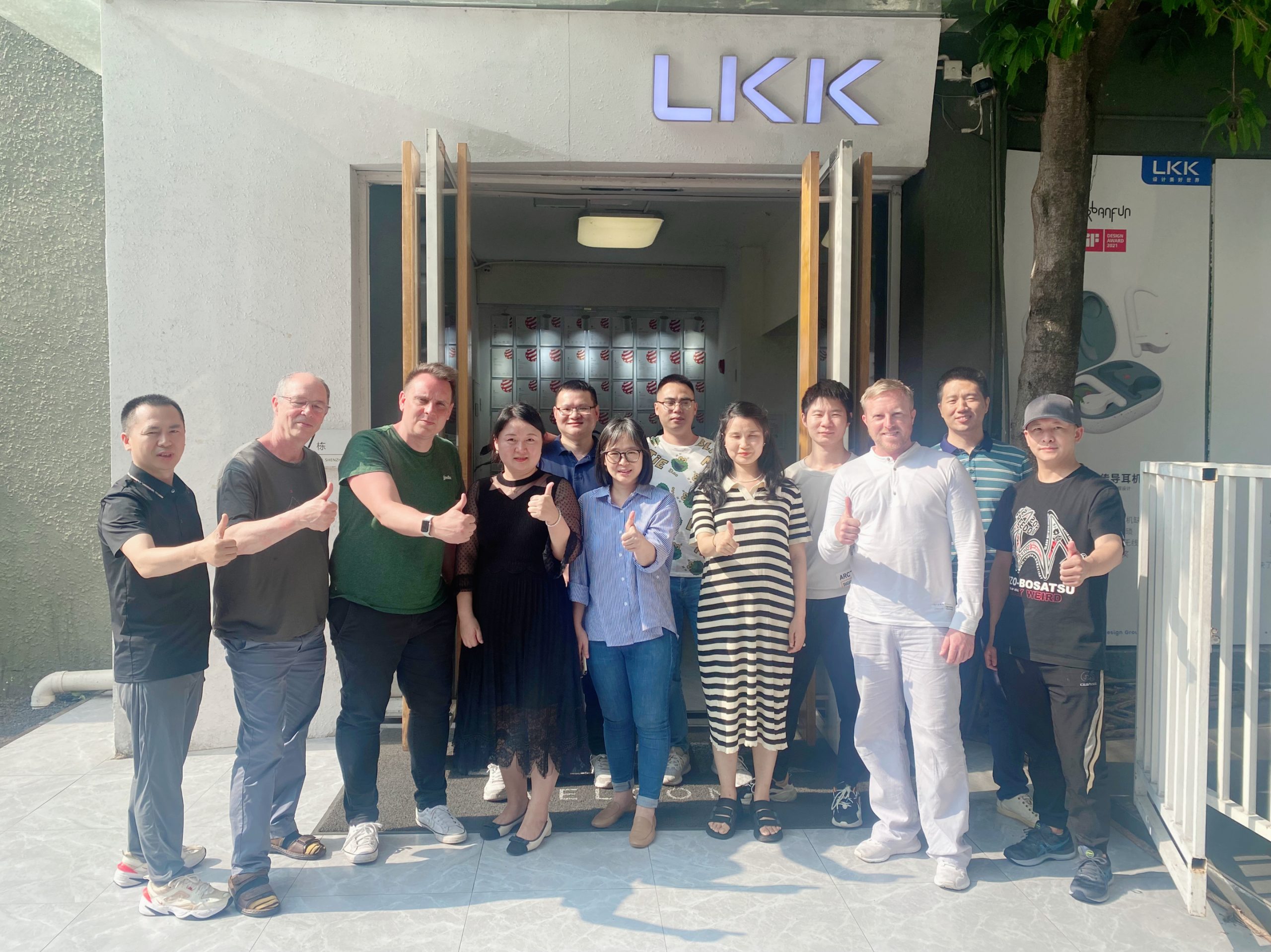
Table of Contents


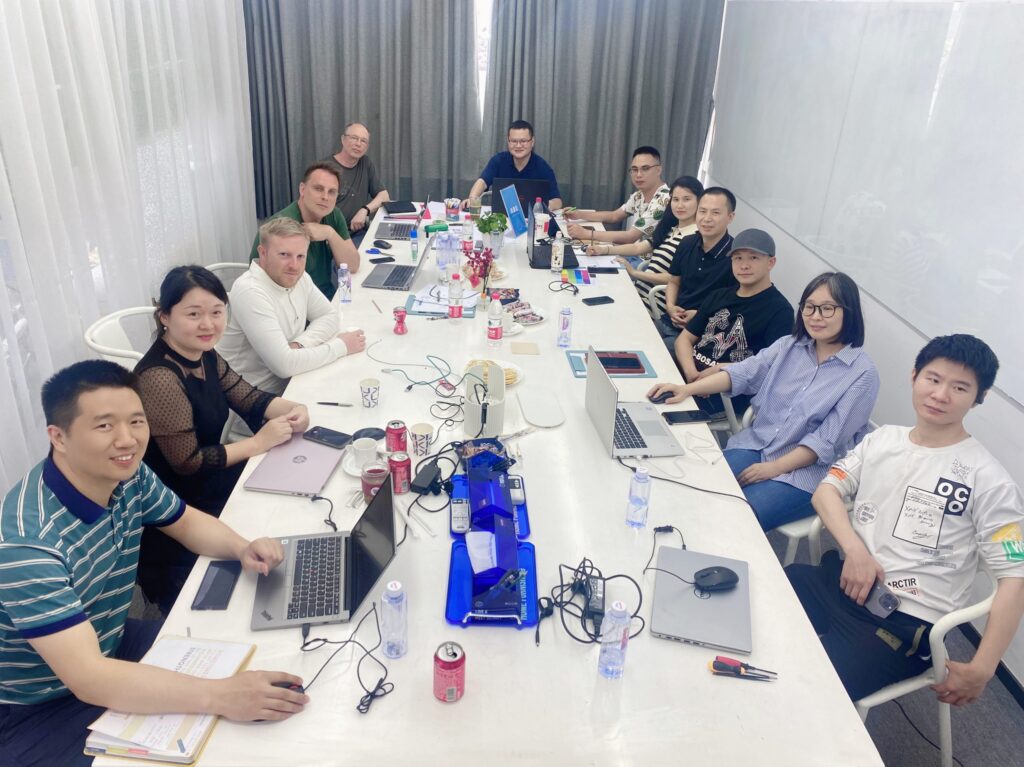
TTS Group travelled from the United Kingdom to work with LKK Design for one week, creating an opportunity for close communication around products, design details, and project development. The visit reflected a shared respect for product quality and a strong commitment to examining every part of the work carefully.
International product development often involves teams working across different markets, time zones, and professional backgrounds. Although digital meetings make daily communication easier, face-to-face collaboration remains valuable when a project requires detailed discussion, direct product review, and rapid alignment.
Why On-Site Product Design Collaboration Matters
Product development is rarely completed by one person or one discipline. A successful product may involve strategy, industrial design, mechanical engineering, electronics, prototyping, manufacturing planning, and quality control. When teams are separated geographically, even a small misunderstanding can affect later decisions.
An on-site visit creates a concentrated environment in which questions can be raised and resolved quickly. Product samples, sketches, structures, materials, and design proposals can be reviewed together. Instead of relying only on written feedback, participants can explain the reasons behind their opinions and discuss trade-offs in real time.
This communication is useful when one decision influences several areas. A change in appearance may affect internal space, while a material change may influence cost, durability, tooling, or surface finish. Reviewing these relationships together helps the team avoid isolated decisions.
Clarifying Product Goals
One purpose of collaboration is to make sure everyone understands what the product is intended to achieve. This includes the target user, application environment, required functions, expected experience, commercial position, and technical limitations.
Clear goals help the design team distinguish essential requirements from optional ideas. They also provide a basis for evaluating concepts. Rather than selecting a direction only because it looks attractive, the team can ask whether it supports the user, fits the brand, meets engineering needs, and can be developed within the project plan.
Reviewing Details With Care
The original account of the visit highlighted TTS Group’s dedication to every detail of the work. Attention to detail matters because product quality is often shaped by many small decisions rather than one dramatic idea.
Details may include proportions, interfaces, visual hierarchy, assembly gaps, fastening methods, component access, surface transitions, and user touchpoints. A careful review helps teams identify inconsistencies before more time and cost are committed.
Connecting Design With Engineering and Manufacturing
Industrial design gives a product its form, character, and user-facing experience, but it must work together with engineering. During collaborative development, designers and engineers need to consider internal components, structure, materials, production processes, tolerances, assembly, maintenance, and testing.
Design for Manufacturing
Design for Manufacturing connects product ideas with practical production. It asks whether parts can be made consistently, whether the structure can be assembled efficiently, and whether the design can maintain its intended quality during production.
A one-week working session can create space for early DFM discussions. Teams can examine where a structure may be too complex, where part count could be reduced, or where a feature may require a different manufacturing process. These discussions help direct creativity toward solutions that can be delivered successfully.
Faster Decisions Through Direct Communication
Long-distance projects can slow down because feedback moves through several rounds of emails and meetings. When key participants work together in the same place, they can compare options, clarify concerns, and document decisions more efficiently.
Fast decision-making should not mean rushing. It should mean reducing unnecessary delays while maintaining careful evaluation. The goal is to create a clear record of what has been agreed, what still needs validation, and what the next stage requires.
This clarity helps design, engineering, prototyping, and manufacturing teams move in the same direction. It also reduces the risk of returning to previously discussed issues because expectations were not fully understood.
Respect for the Product and the Work
The visit also showed a positive attitude toward the work itself. The original message described how the TTS team approached the product with respect and found happiness in the working process.
This mindset can strengthen collaboration. Product development involves uncertainty, revision, technical constraints, and difficult decisions. Teams that remain open, curious, and committed are better prepared to solve problems together.
Respect for the product means taking user needs seriously and examining details honestly. Respect for the team means listening to different disciplines and recognising that useful ideas may come from design, engineering, manufacturing, marketing, or customer experience.
Strengthening International Product Development Partnerships
The TTS Group visit demonstrates the value of bringing international teams together around a shared product goal. A week of close cooperation can help transform general expectations into clearer design decisions and stronger working relationships.
For LKK Design, such collaboration is also about understanding the customer’s priorities, connecting creative ideas with technical feasibility, and supporting the product as it moves toward further development.
By combining direct communication, detailed review, multidisciplinary thinking, and a constructive working attitude, international partners can create a more efficient development process. The result is a stronger foundation for products that respond to users, represent the brand, and are prepared for engineering and manufacturing.
The visit from TTS Group was more than a business meeting. It was a practical example of how commitment, attention to detail, and shared enthusiasm can bring teams closer and move product development forward.
Contact Us



- 20+ Design Industries Serviced
- 200+ Product Categories
- 1,000+ Industry Leaders Served
- 10,000+ Products Successfully Launched

Founder and Chairman of LKK Design Group
Ready to get started? Connect with us today!
 Talk to Our Team