
 Home /
 A customer who make intelligent traffic safety products visits LKK


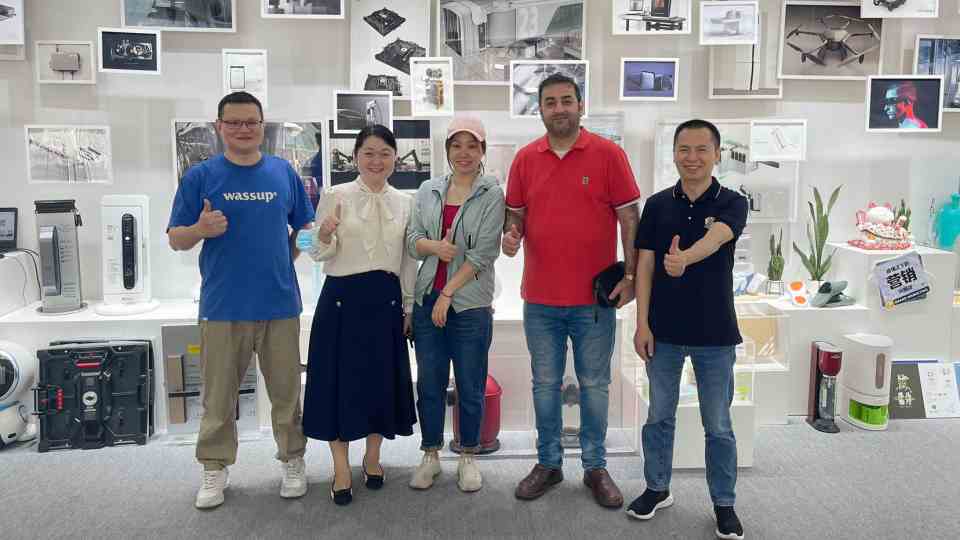

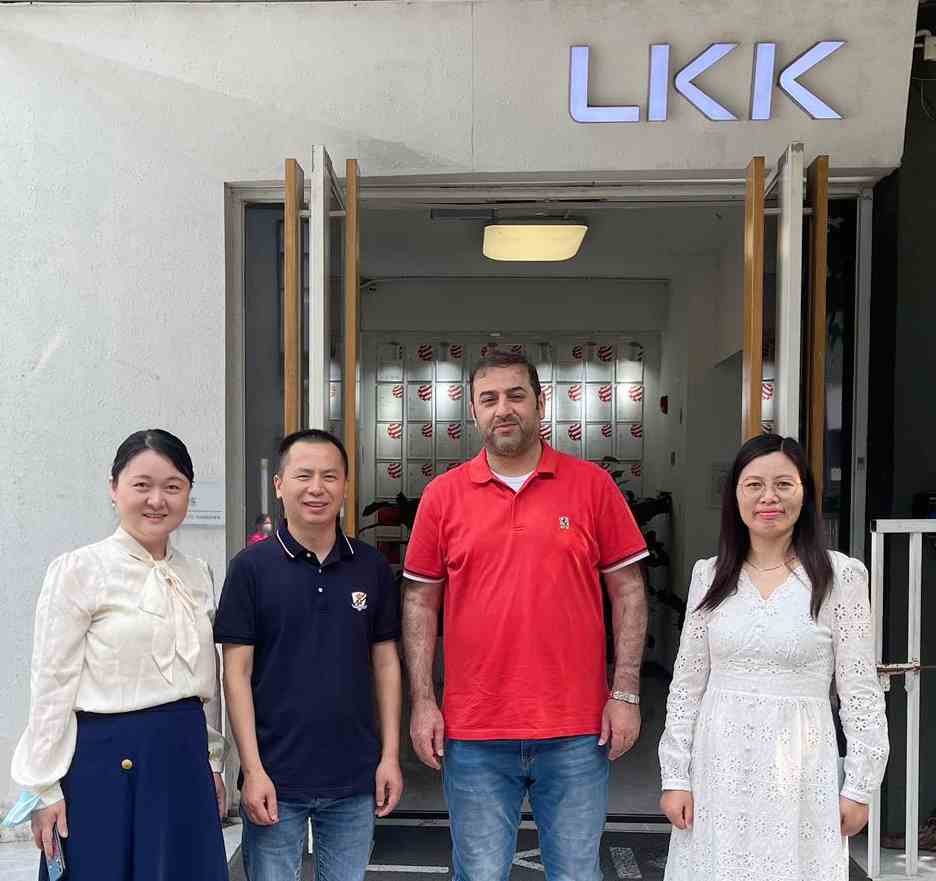
A customer specializing in intelligent traffic safety products recently visited LKK Design to discuss a new product development project. The cooperation moved forward with unusual speed. After the first contact, the customer visited the company the following day, returned with product samples on the third day, and signed the contract, completed payment, and officially started the project on the fourth day.
This efficient process was possible because both teams focused quickly on the real product requirements. Rather than spending too much time on broad concepts, the discussions moved directly into product definition, industrial design, mechanical structure, device selection, manufacturing feasibility, cost, risk, and project timing.
From Initial Contact to Project Launch
Fast progress does not mean skipping important steps. It means organizing the right people, information, and decisions at the right time.
During the early discussions, the customer introduced the application background, existing samples, target users, expected functions, and product goals. The LKK Design team then reviewed the information and began identifying the major design and engineering tasks.
Within one week, the team had largely completed the early-stage work, including requirement clarification, product definition, industrial design sketches, mechanical design concepts, and preliminary device selection. This created a clear foundation for the next phase of development.
The visit also allowed both sides to communicate face to face. Samples could be examined directly, questions could be answered immediately, and technical concerns could be discussed before they became expensive changes later in the project.
Understanding the Requirements Before Designing
For an intelligent traffic safety product, appearance is only one part of the solution. The product must also respond to its installation environment, functional purpose, operating conditions, maintenance needs, and manufacturing limitations.
Product Function Definition
The team discussed what the product must do, how users or operators will interact with it, and which functions are essential for the first version.
Clear function definition helps prevent unnecessary features from increasing cost, size, development time, and technical risk. It also allows the design team to understand how sensors, displays, communication modules, control components, power systems, or warning devices may need to be arranged within the product.
Appearance and Product Style
The appearance of a traffic safety product should communicate reliability, visibility, and professional use. The form, proportions, surface details, colors, and visual hierarchy all influence how the product is understood in its operating environment.
Industrial design sketches help the customer compare different directions before detailed engineering begins. This stage helps align brand identity with practical requirements such as installation, protection, operation, and maintenance.
Mechanical Design Feasibility
A visually attractive concept must still be mechanically achievable. The team therefore reviewed internal space, component arrangement, assembly methods, structural support, fastening, interfaces, and access for maintenance.
Mechanical feasibility should be considered early because internal components and external appearance are closely connected. A change in sensor position, display size, cable routing, or enclosure thickness may affect the entire product structure.
Why DFM Matters in Product Development
Design for Manufacturing, or DFM, plays a key role in helping a product move successfully from concept to production.
A product may look good in a rendering and work well as a prototype, but it must also be manufactured consistently, assembled efficiently, inspected reliably, and maintained at a reasonable cost. DFM brings these concerns into the design process before tooling and mass production begin.
Manufacturing Feasibility
The team considered whether the proposed structure could be produced using appropriate processes and materials.
Depending on the product, this may include injection molding, sheet metal fabrication, machining, surface treatment, sealing, and final assembly.
Early manufacturing review can identify difficult structures, unnecessary parts, weak connections, poor assembly access, and tolerance risks. Solving these issues before tooling helps reduce later modification.
Cost, Risk, and Time Planning
Cost control is not simply about choosing cheaper materials. It requires balancing performance, durability, appearance, production volume, assembly time, tooling investment, and lifecycle needs.
The customer and the LKK Design team also discussed technical, manufacturing, supply chain, and schedule risks.
A practical plan should connect design decisions with prototype testing, engineering verification, supplier preparation, tooling, pilot production, and final manufacturing. This makes it easier for both teams to understand which decisions must be confirmed first and which areas require further validation.
Collaborative Brainstorming Builds a Stronger Product
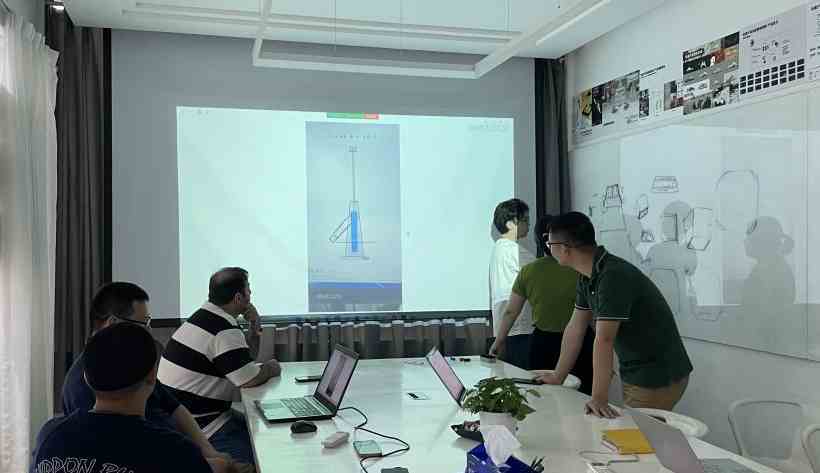
After the initial analysis, the two teams brainstormed again to confirm the product function, appearance direction, mechanical feasibility, manufacturing feasibility, cost targets, risks, and timeline.
This collaborative review is important because no single discipline can define a complete product alone. Industrial designers, mechanical engineers, electrical engineers, manufacturing specialists, suppliers, and the customer must work toward the same goal.
By reviewing the project from multiple perspectives, the team can discover conflicts before they reach production. It also gives the customer a clearer understanding of how each decision influences quality, cost, schedule, and market readiness.
Efficient collaboration also helps reduce repeated communication. When the customer, designers, and engineers agree on the same product definition, each stage can move forward with clearer objectives and fewer unnecessary changes.
Moving Toward Successful Product Development
The customer visit demonstrated how efficient communication and structured development can accelerate an intelligent traffic safety product project.
Rapid progress was achieved not by reducing the depth of the work, but by focusing early on requirements, samples, product definition, design feasibility, manufacturing, cost, and risk.
The next stages will require continued coordination between design, engineering, prototyping, testing, and production preparation. With DFM integrated from the beginning, the project has a stronger foundation for reducing avoidable changes and supporting a smoother transition into manufacturing.
LKK Design looks forward to working closely with the customer and applying product design, engineering, and manufacturing expertise to help transform the concept into a practical, competitive, and production-ready traffic safety solution.
Contact Us



- 20+ Design Industries Serviced
- 200+ Product Categories
- 1,000+ Industry Leaders Served
- 10,000+ Products Successfully Launched

Founder and Chairman of LKK Design Group
Ready to get started? Connect with us today!
 Talk to Our Team