


 Home /
 Design for Manufacturing (DFM) Services — Optimize for Production
From Concept to Production-Ready:
 Request a DFM Review
  All uploads are secure and confidential.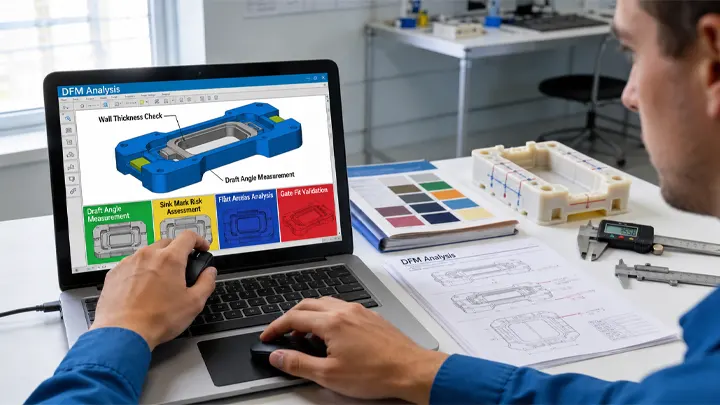
What is Design for Manufacturing (DFM)?
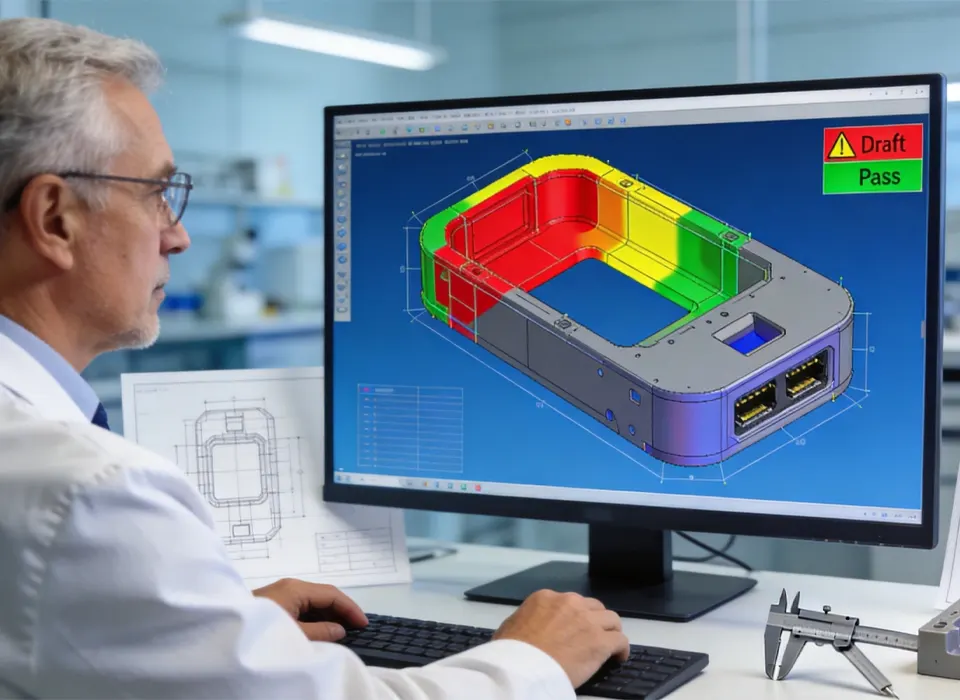
Design for Manufacturing (DFM) is the practice of designing products with full awareness of production processes, constraints, and cost drivers.
It ensures your product can be manufactured efficiently, at scale, and within target cost — before any tooling investment is made.
Key Activities:
-
 60–80% of manufacturing costs are determined during the design phase.
 -
Fixing design issues after tooling is 3–6× more expensive than before tooling.
-
30–40% of product launch delays are caused by preventable manufacturing issues.
Why DFM Matters ?
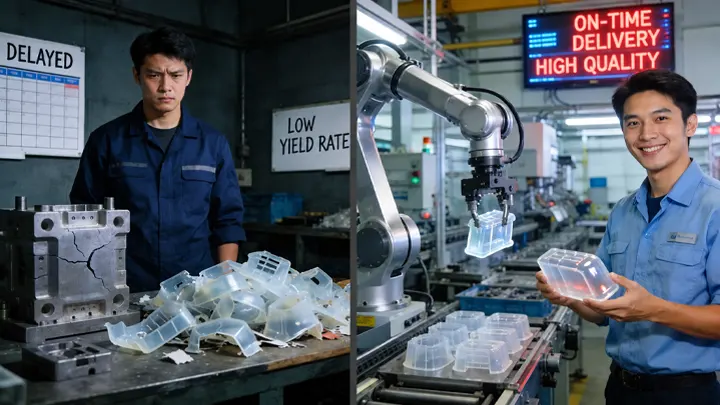
Without DFM analysis, even well-intentioned designs face:
Key Activities:
-
Unexpected tooling modifications ($50K–$200K per cycle)
-
Production yield issues that compress margins
-
Quality problems that damage brand reputation
-
Delays that miss market windows

DFM isn't a step in the process. It's the lens through which every design decision should be made.
Ready to Improve Manufacturability? Contact Us
Our DFM Capabilities
Four dimensions of manufacturing optimization — each with a structured checklist framework
Design for Manufacturability
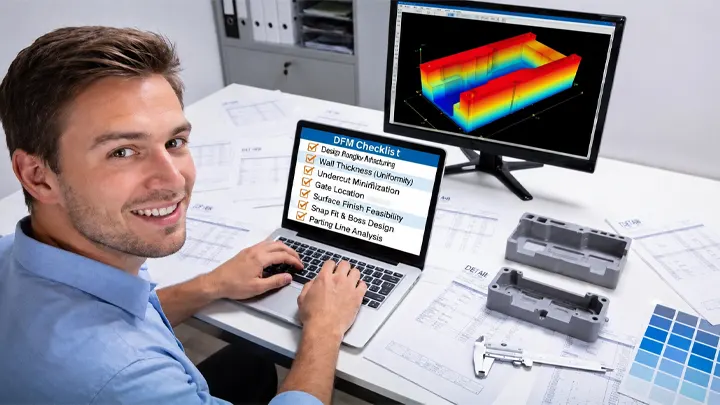
Optimize part geometry for production processes —injection molding, die casting, CNC, sheet metal, and more.
DFM Checklist:
Design for Assembly
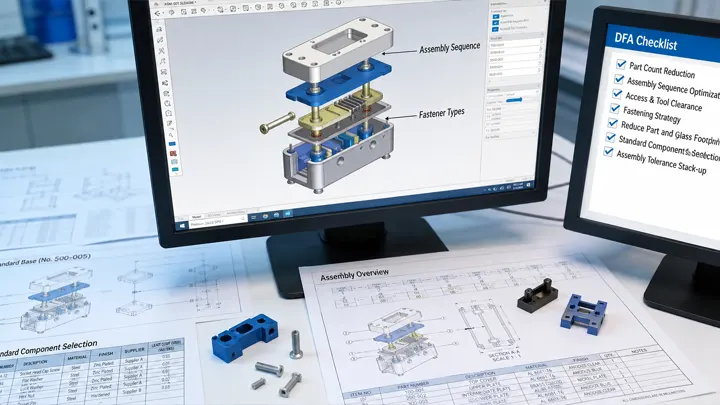
Reduce assembly complexity, labor time, and part count — from manual assembly to automated lines.
DFA Checklist:
Design for Quality
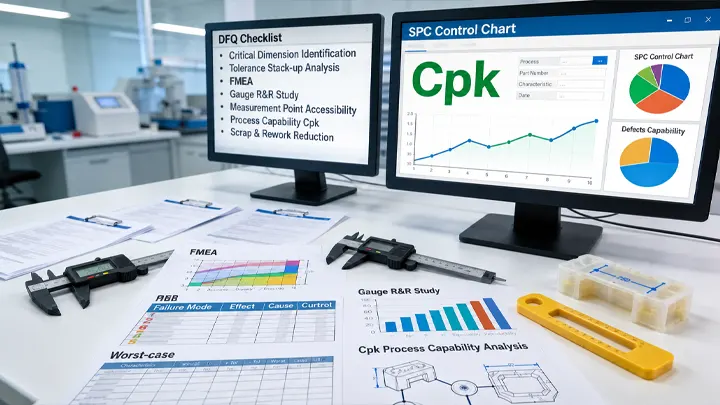
Build quality into the design — reduce variation, prevent defects, and meet first-pass yield targets.
DFQ Checklist:
Design for Cost
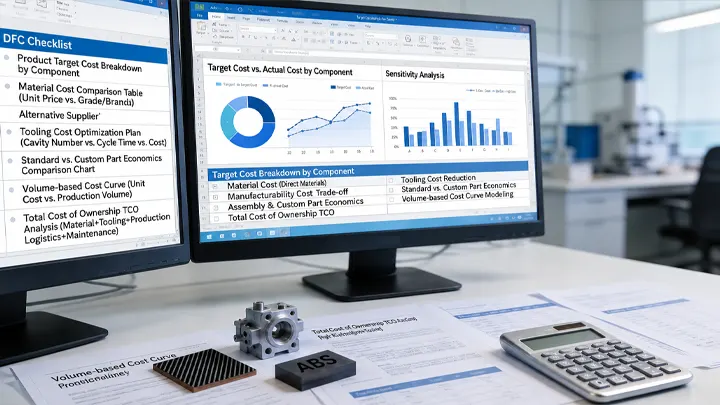
Align design decisions with target cost — material, tooling, and production cost optimization from day one.
DFC Checklist:
New Product Development Process
Design for Manufacturing. From Concept to Mass Production.

Concept

EVT
(Engineering Verification Test)

DVT
(Design Verification Test)

PVT
(Production Verification Test)

MP
(Mass Production)
Global Recognition & Regulatory Compliance
• 20+ years of industry experience • 609 international design awards • 3000+ successfully launched products • 5000+ certified supplier network • 200+ Fortune 500 clients
Global Design Awards & Honors






Global Certification







When You Need DFM
DFM is valuable at any stage — but it's most impactful at these critical decision points
-
 Before You Commit to Tooling
You've finalized your design and are about to invest $50K–$500K in production tooling. A DFM review at this stage catches issues before they're locked into steel.
-
 When Production Costs Exceed Targets
Manufacturing quotes came in 20–40% above budget. DFM analysis can identify design changes that bring costs back in line without sacrificing function or quality.
-
 When First-Pass Yield Falls Short
Production is running but defect rates are high. DFM can trace quality problems back to design root causes — and provide corrective recommendations for tooling modifications.
-
 When Changing Contract Manufacturers
You're moving production to a new factory with different capabilities. DFM ensures your design is optimized for the new supplier's process parameters.

Ready to Eliminate Costly Design Redesigns?
Send us your CAD files for a complimentary initial DFM assessment. We respond within 24 hours with preliminary findings.
Request a DFM Assessment -
 Looking for upstream industrial design support? → Industrial Design Services
 -
Need mechanical engineering to implement DFM changes? → Mechanical Design Services
-
Ready to prototype your optimized design? → Prototyping Services
-
Moving to production and need manufacturing support? → Manufacturing Services
Our DFM Process
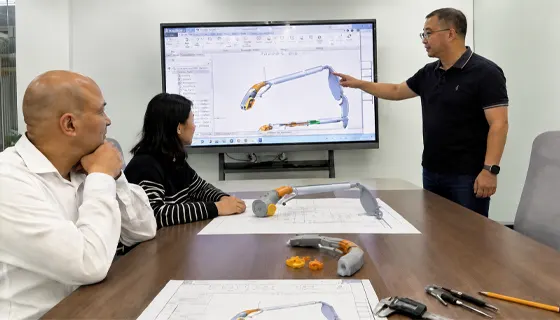
We analyze your design against manufacturing process requirements.
-
Receive and validate 3D CAD data (STEP, IGES, native formats)
-
Initial manufacturability assessment within 48 hours
-
Identify high-risk features requiring design change
-
Prioritize issues by impact (cost, schedule, quality)
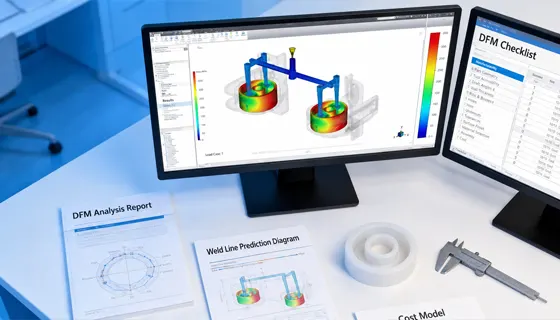
Detailed engineering analysis to quantify manufacturing risks and opportunities.
-
Mold flow simulation (filling, cooling, warpage)
-
Structural FEA for mold stress analysis
-
Tolerance stack-up analysis for critical dimensions
-
Material flow and weld line prediction
-
Cost model development (material, tooling, processing)
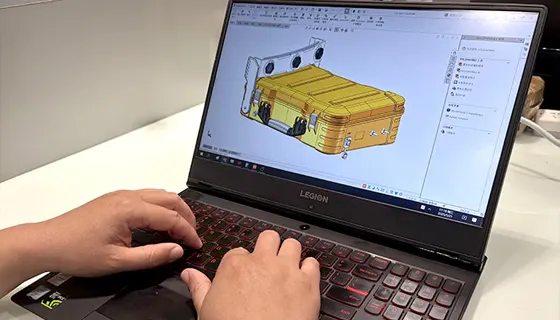
Redesign and refine based on analysis findings.
-
Geometry modifications to address manufacturability issues
-
Draft angle and parting line adjustments
-
Wall thickness optimization for cosmetic and structural requirements
-
Gate and runner system redesign
-
Cost reduction through design simplification
-
Coordinate with industrial design to preserve aesthetics
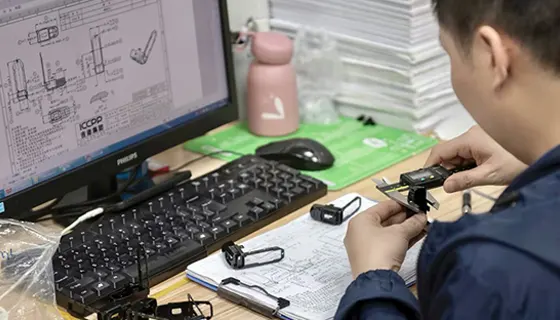
Verify optimized design meets manufacturing targets before tooling investment.
-
Second mold flow simulation of optimized design
-
Tooling cost quotation with revised design inputs
-
First Article Inspection (FAI) specification development
-
Design freeze sign-off and release for tooling
-
Transition briefing to tooling vendors


Trusted by Leading Businesses



 Get an Instant Quote
 Case Studies
Real examples of how DFM engineering prevented costly redesigns and accelerated time-to-market
A global consumer electronics brand was preparing to tool a new smart home device. Initial quotes from Asian manufacturers exceeded their target cost by 35%, primarily due to complex internal geometry and thin-wall sections in the housing design.
LKK DFM Services:
- Full DFM review of housing design
- Identified 12 critical moldability and cost issues
- Redesigned ribs to reduce wall thickness variation
- Optimized draft angles and gate placement
- Delivered revised CAD with change documentation
Results:
- Cost reduction vs. original design: 28%
- Tool modification cycles avoided: 3
- Time saved vs. post-tooling fixes: 8 weeks
- First-pass yield at T1 mold trial: 94%
Get an Instant Quote
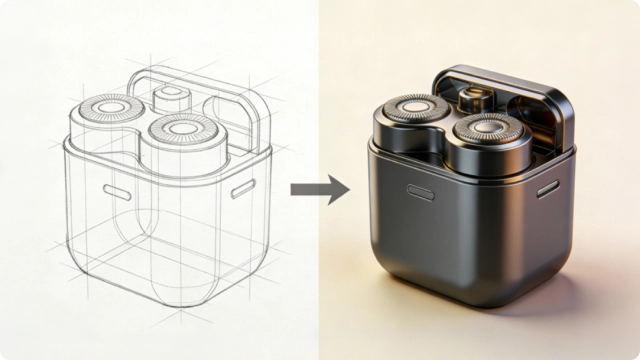
An industrial equipment manufacturer faced production delays when their new enclosure design encountered assembly bottlenecks on the contract manufacturer's line. Average assembly time was 40% above target, threatening launch schedule and cost targets.
LKK DFM Services:
- Performed DFA (Design for Assembly) analysis
- Identified 6 assembly sequence bottlenecks
- Redesigned fastener locations and access clearances
- Reduced part count from 14 to 9 through functional integration
- Validated updated design with manufacturer’s engineering team
Results:
- Assembly time reduction: 38%
- Part count reduction: 36%
- Production line speed improvement: 22%
- Scrap rate reduction: 45%
Get an Instant Quote
Got Questions?
-
Q.What does a DFM review include?

A DFM review typically includes geometry evaluation, material selection, tolerance analysis, tooling feasibility, cost assessment, and manufacturability risk identification.
-
Q.How long does a DFM analysis take?
An initial DFM assessment can be completed within 48 hours, while a full analysis and optimization cycle usually takes 3–6 weeks depending on complexity.
-
Q.What deliverables will I receive?
You will receive a DFM report including risk analysis, issue prioritization, optimization suggestions, and optionally revised CAD files with engineering change documentation.
-
Q.Do you support all manufacturing processes?
Yes. We support injection molding, CNC machining, die casting, sheet metal, and other major manufacturing processes.
-
Q.Is my design confidential?
Absolutely. All projects are strictly confidential, and NDAs can be signed before any technical review begins.
Let's Create Something Remarkable
Your vision deserves partners who understand excellence. Let's discuss how we can transform your product concept into a market success.


