
 Home /
Product Innovation Company in China: Smart IoT Development from Device to Cloud


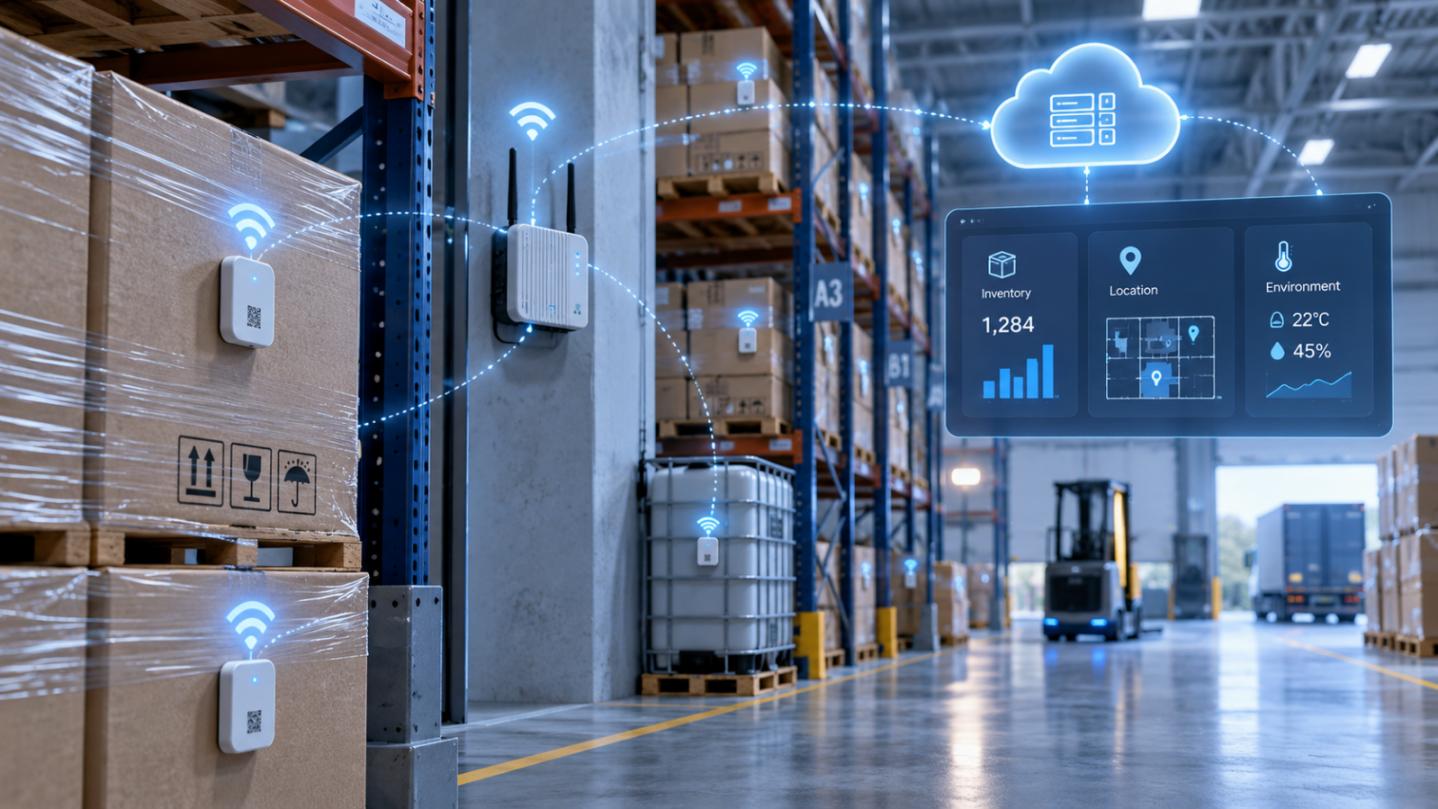

Creating a successful commercial Internet of Things (IoT) product is much more complex than simply adding connectivity to a device. The hardware architecture along with the embedded software, cloud, industrial design/UI/UX, and manufacturing must be balanced.
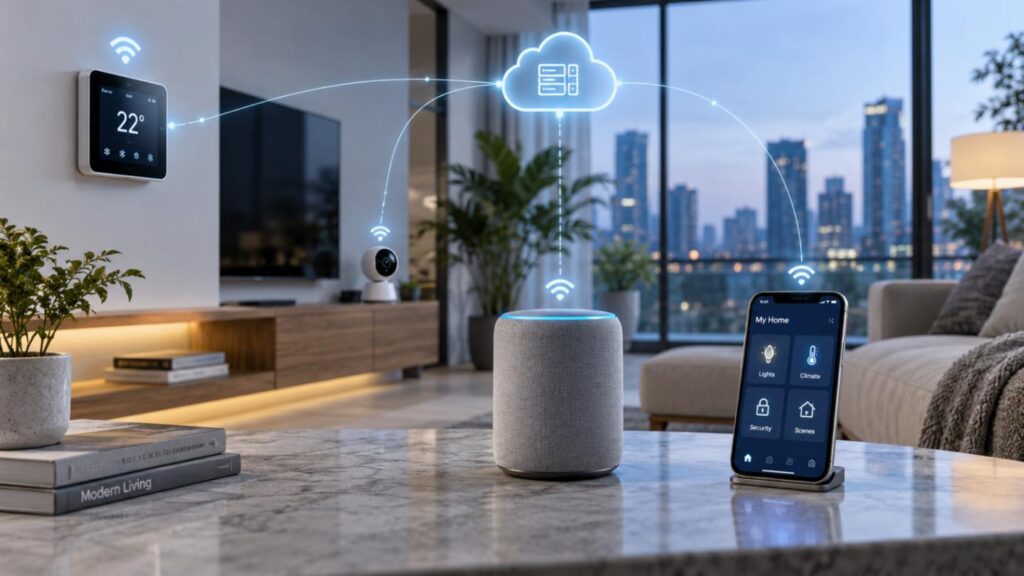
As a leading Product Innovation Company in China, LKK Design, incorporates end-to-end Smart IoT Product Development from product strategy to industrial design and from electronics engineering to prototyping and manufacturing.
The key challenge goes beyond simply developing a connected device. Reliability, manufacturability, and long-term maintainability are critical elements.
Start with Product Definition Before Selecting IoT Technology
The most common challenges in IoT development stem from ambiguous or poorly defined product requirements. Things like connection, hardware, and cloud should be addressed in the product definition.
At LKK Design, we begin by evaluating the following:
• User Environment: Indoor, outdoor, industrial, medical, or consumer product
• Functional requirements: Data collection, remote control, automation, or monitoring
• Performance requirements: Response time, sampling frequency, and operating cycle
• Power requirements: Battery capacity, and charging vs. power source
Consider these scenarios: a remote environmental monitoring device has a priority of low power consumption and long range communications whereas smart home devices have interfaces and a need for ultra-low response times.
A professional Product Innovation Company in China should first define measurable requirements and technical boundaries before entering engineering development. LKK Design’s product strategy process combines market research, user insight, product positioning, requirement definition, and architecture planning to create an executable development roadmap.
Build the Right Device-to-Cloud Architecture
IoT products are systems rather than standalone devices. The communication method, data processing location, and cloud structure directly influence cost, performance, and maintenance complexity.
Connectivity Selection: Match Technology with Application
| Connectivity | Suitable Scenario | Advantages | Engineering Considerations |
| Bluetooth Low Energy (BLE) | Wearables, sensors, mobile-connected devices | Low power consumption and efficient short-range communication | Usually requires smartphone or gateway support for cloud access |
| Wi-Fi | Smart appliances, indoor devices | High bandwidth using existing networks | Requires stable network configuration and higher power consumption |
| LTE-M / NB-IoT | Remote monitoring equipment | Wide-area deployment without local Wi-Fi dependency | Requires regional coverage verification and communication cost planning |
Selecting connectivity impacts more than hardware. It impacts:
• Placement of antennas and design of enclosures
• Size of batteries and thermal management
• Complexity of firmware
• Frequency of communication to the cloud
• Long term operational costs
Define the Roles of Device, Gateway and Cloud
A reliable IoT system requires processing responsibilities to be clear.
| Architecture Layer | Main Function | Key Limitations |
| Device Side | Real-time response, sensor processing, offline functions | Limited computing power and energy |
| Gateway | Protocol conversion and local management | Adds hardware cost and maintenance requirement |
| Cloud Platform | Data analysis, fleet management, remote control | Depends on connectivity and operating infrastructure |
LKK Design designs and develops IoT solutions by integrating the hardware, firmware, software and cloud interfaces as a unified system. Our expertise in electronics and embedded systems includes design of IoT hardware, PCB design, integration of connectivity technologies, incorporation of security functions and OTA, as well as the design of mobile applications and cloud platforms.

Design Security and Maintenance into the IoT Lifecycle
A connected product is not complete when it ships. Long-term operation demands continuous management after deployment.
A professional IoT development plan should encompass the following:
• Device identity and authentication
• Secure communication
• Firmware signing and updates
• OTA Upgrade
• Error recovery and rollback
• Lifecycle management and retirement of devices
An OTA Update function must also define:
• How updates are initiated
• How updates are recovered
• How various versions of the hardware are controlled
• How customer data is maintained
For commercial IoT products, security and maintenance architecture should be part of the early design as opposed to something that is added on later.
Integrate Industrial Design with Electronics and Manufacturing
While Industrial design is focused on ‘last mile’ user interface experience, there are corresponding Engineering challenges of performance tradeoffs that become more pronounced with the miniaturization of form factor. For example:
• Antenna performance
• Battery life
• Thermal management
• Component placement
• Assembly time
As such, Industrial design and Engineering work in parallel.
| Design Decision | Engineering Impact |
| Material selection | Impacts both wireless performance and manufacturing process |
| Enclosure structure | Impacts form factor and prevents water ingress |
| Internal layout | Affects thermal management |
| Surface treatment | Enables manufacturing process |
LKK Design offers Integrated design services for ID, MD and ED in the product architecture planning phase. This helps retain design intent.
We perform user research and ergonomic optimization. We offer CMF (Color, Material, Finish) design and DFM (Design for Manufacturing) evaluation to help clients balance user experience with manufacturing feasibility.
Validate IoT Products During the Transition from Prototype to Mass Production
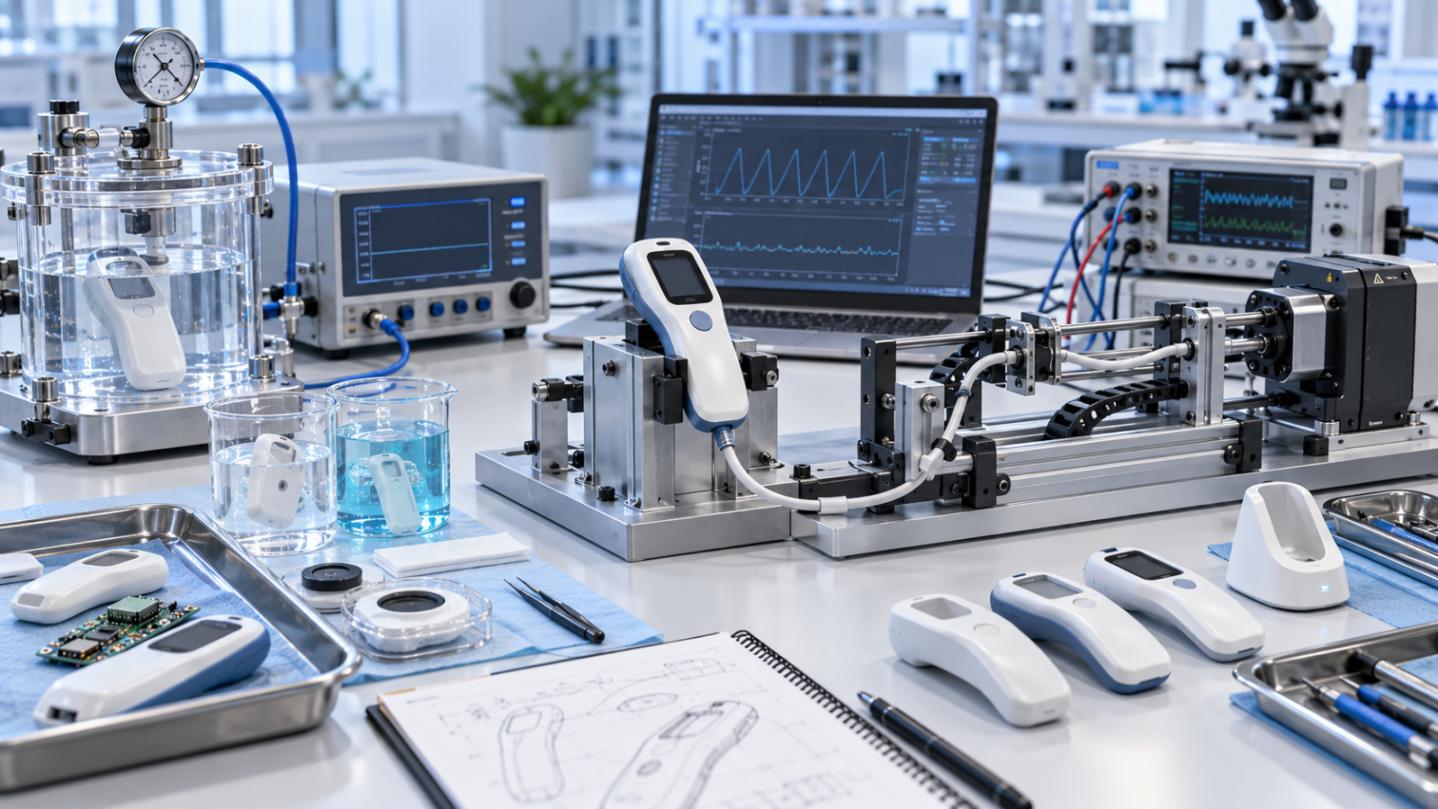
Creating a working prototype does not guarantee a production-ready product. When dealing with IoT systems, products need to be validated across hardware and firmware, manufacturing, and real-world use case scenarios.
Typical Development Verification Process
| Stage | Primary Goal | Validation Concerns |
| EVT (Engineering Verification Test) | Conformation of Technical Feasibility | Functionality of hardware and software, communication, and consumed power and stability of firmware |
| DVT (Design Verification Test) | Final Design Performance Validation | Integration of enclosure and environmental and reliability testing of product performance and over the air (OTA) |
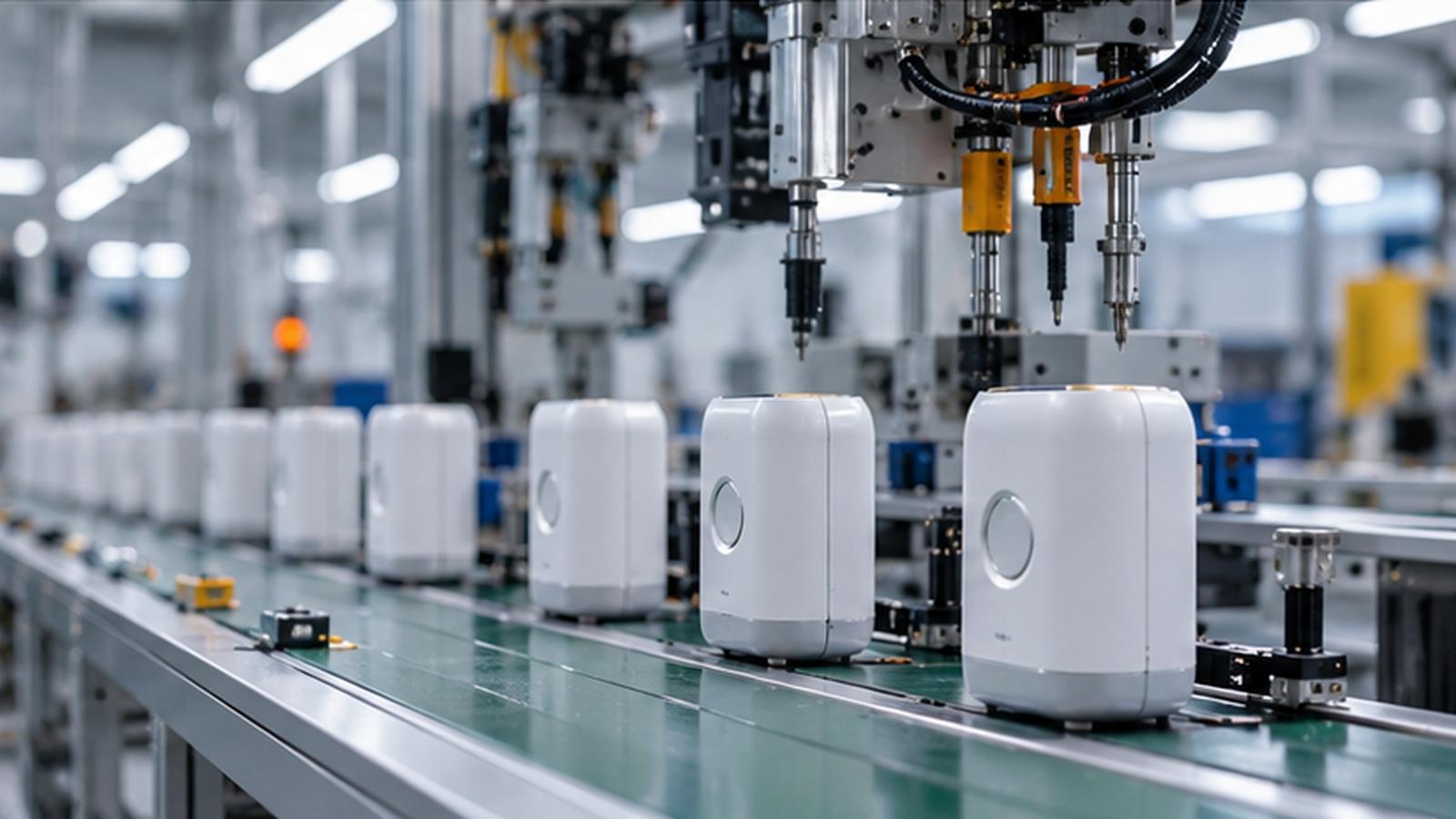
| PVT (Production Verification Test) | Confirmation of the Readiness of Manufacturing | Testing of production, calibration and traceability, consistency of assembly |
LKK Design follows a defined development process for the preparation of mass production, starting from concept definition, to prototype and EVT, DVT, and preparation for mass production.
Beyond the creation of prototypes, LKK Design focuses on production preparation with the following activities:
• Design for Manufacturing (DFM)
• Tooling preparation
• Planning of assembly and quality inspection
• Quality inspection planning
• Optimization of manufacturing processes
How to Evaluate a Product Innovation Company in China
When evaluating potential development partners, companies should consider more than speed of prototype creation or strong design capability.
A high quality Product Innovation Company in China will take ownership of the entire product lifecycle.
| Area of Evaluation | Questions to Consider |
| Technical Integration | Who takes ownership of hardware, firmware, software and the Cloud? |
| Manufacturing | Are prototypes easily transitioned to stable production? |
| Documentation Management | Are formal engineering files and documentation for testing and specifications controlled? |
| Lifecycle Management | Are over the air (OTA) updates and subsequent revisions anticipated? |
| Cost Evaluation of the Product | Are development, tooling, production and maintenance costs considered? |
LKK Design offers integrated product innovation services from strategy development through to industrial design, engineering, prototyping, and manufacturing support. With deep engineering and manufacturing experience, LKK Design enables global clients to transform their product concepts into fully developed market offerings.
Advance with a Defined Internet of Things (IoT) Development Methodology
To produce an IoT product, businesses must harmonize a user-centered approach with IoT architecture and manufacturing. Prior to development, businesses must describe application scenarios, user requirements, connectivity, power, desired users, and production.
LKK Design, as a product innovation company in China, connects product strategy, industrial design, and engineering along with manufacturing into a single development process. For connected product development, LKK Design provides industrial design services. Here you can align user experience, enclosure design, and manufacturing with User-Centered Design (UCD) and your IoT development.
FAQs
Q1. What does LKK Design bring to the Product Innovation Company market in China?
LKK Design offers integrated solutions for product innovation across product strategy, industrial design, electronics, engineering, and mass production. Brands can take an idea from concept to a market ready product through a unified development process.
Q2. Does LKK Design assist clients in bringing complete IoT products from concept to production?
Yes. LKK Design offers services for Smart IoT Product Development across multiple phases, including user research, product definition, hardware/software architecture, firmware and software development, firmware integration, prototype validation, and preparation for production.
Q3. Which services of IoT product development does LKK Design offer?
LKK Design provides services such as:
• IoT hardware development
• PCB and E-system development
• Embedded firmware development
• Integration of Wi-Fi, Bluetooth and NB-IoT
• App and cloud platform development
• OTA development
• Prototype and manufacturing support
Q4. How does LKK Design prepare IoT products for mass production?
LKK Design follows the DFM principle throughout development. The team assesses the design of the product, the materials, the tooling, the assembly, the production processes, and the product quality requirements prior to bulk production.
Q5. Does LKK Design provide industrial design and electronic services?
Yes. LKK Design integrates industrial design and mechanical engineering, and electronic services to provide continuous development. This ensures design, user experience, product building, and electronic services are developed simultaneously.
Contact Us



- 20+ Design Industries Serviced
- 200+ Product Categories
- 1,000+ Industry Leaders Served
- 10,000+ Products Successfully Launched

Founder and Chairman of LKK Design Group
Ready to get started? Connect with us today!
 Talk to Our Team