
 Home /
 What Is Industrial Design? A Business Guide


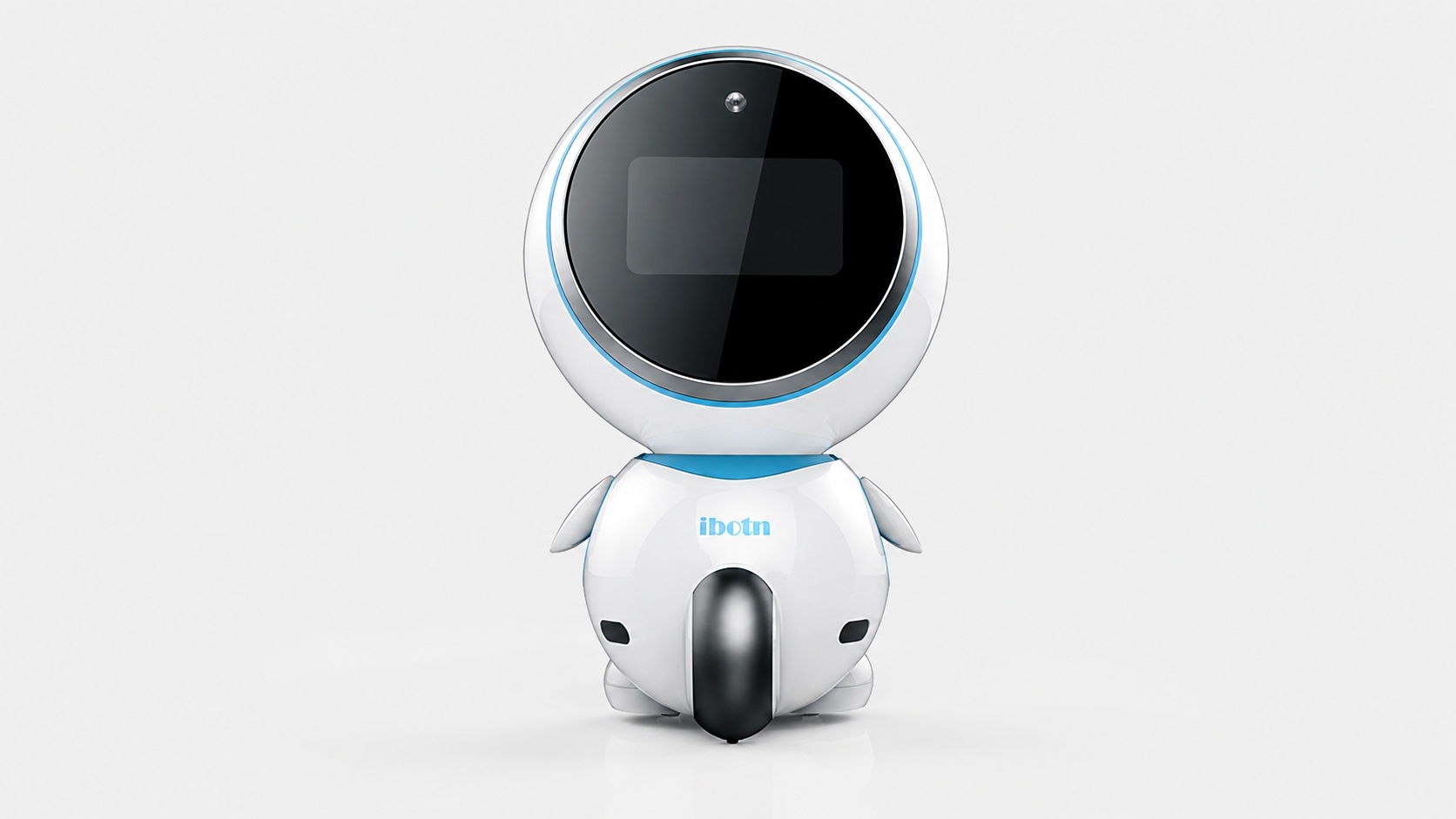

What is industrial design? Industrial design is the professional practice of shaping physical products so they are useful, understandable, appealing, and feasible to produce. It considers how people interact with a product, how the product looks and feels, how it fits a brand, and how its form works with engineering and manufacturing realities.
It is not simply styling. A well-executed industrial design process helps product teams define the user experience, organize controls and interfaces, select appropriate materials and finishes, improve ergonomics, communicate product value, and identify manufacturing implications early. It is relevant to consumer electronics, medical devices, industrial equipment, smart-home products, mobility systems, appliances, and many other physical product categories.
LKK provides industrial design services within a broader product-development approach that also includes mechanical design, electrical development, prototyping, manufacturing engineering, and supply-chain implementation.
The Purpose of Industrial Design
Industrial design helps a product make sense to the people who use, buy, install, maintain, or evaluate it. It translates requirements into a physical and visual experience.
Consider a simple example: a portable diagnostic device. Its performance depends on internal components and software, but the industrial design influences whether a clinician can identify controls quickly, carry the device safely, clean its surfaces, read its screen in different lighting, connect accessories without confusion, and store it efficiently. These details are part of the product’s practical value.
Industrial design also affects commercial value. A coherent product can be easier to differentiate in a crowded category, easier to explain to customers, and more consistent with a company’s brand and portfolio strategy.
What Industrial Designers Do
Industrial designers work across research, concept development, form creation, user experience, materials, and production-oriented collaboration. Their responsibilities often include:
- Understanding users, tasks, environments, and unmet needs
- Developing product concepts and defining a design direction
- Creating product form, proportion, color, material, and finish strategies
- Improving ergonomics, accessibility, and physical interaction
- Organizing buttons, screens, indicators, ports, and touchpoints
- Creating design language for a single product or a product family
- Building appearance models and prototype specifications
- Working with engineers and suppliers to improve feasibility
- Defining cosmetic standards and supporting production quality reviews
The mix changes by project. A consumer product may emphasize emotional appeal and intuitive interaction. Industrial equipment may prioritize safety, durability, maintenance, and clear operation. In every case, industrial design should be grounded in the context of use.
Industrial Design Versus Other Disciplines
Industrial design is closely related to engineering, but the responsibilities are different and complementary.
| Discipline | Primary focus | Typical outputs |
| Industrial design | User experience, form, ergonomics, brand expression, physical interaction | Concepts, CMF direction, renderings, UX layouts, appearance models, design specifications |
| Mechanical design | Structure, materials, mechanisms, tolerances, durability, part design | CAD assemblies, detailed drawings, tolerance analysis, material specifications |
| Electrical design | Electronic architecture, PCBs, power, sensors, connectivity, firmware interfaces | Schematics, PCB layouts, BOMs, firmware requirements, test plans |
| Manufacturing engineering | Repeatable production, tooling, assembly, test, quality, supplier readiness | DFM reports, process plans, tooling input, work instructions, quality controls |
The most successful products do not place these functions in separate silos. They create a shared product architecture and review decisions together.
The Industrial Design Process
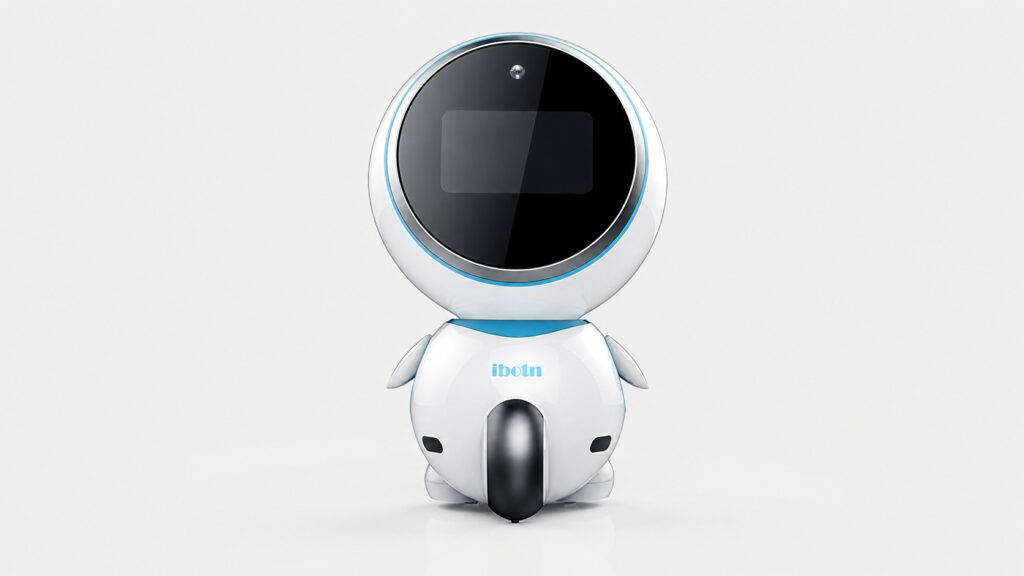
Although project methods vary, a typical process has several connected phases.
Research and Definition
The team studies users, stakeholders, market alternatives, usage environments, and business objectives. The outcome is a focused product brief with clear requirements and decision criteria.
For example, an industrial equipment project may reveal that technicians need to identify service points rapidly, operate controls with gloves, and move the product through narrow spaces. These observations should affect layout, handle design, interface placement, labeling, and service access.
Concept Development
Designers generate multiple directions rather than committing too quickly to the first idea. Concepts are evaluated against user value, brand fit, technical feasibility, cost, and manufacturing risk. Sketches, renderings, simple models, and early CAD help teams compare options.
Design Refinement
The selected direction is developed in greater detail. Designers define proportions, part breaks, interface zones, materials, finishes, graphics, and user touchpoints. Engineers review internal packaging, structure, heat, fastening, tolerance, and component access in parallel.
Prototyping and Validation
Physical models make product decisions more tangible. Appearance prototypes can test size, feel, and brand impression. Functional prototypes can validate mechanisms, electronics, performance, and interaction. User testing turns assumptions into evidence.
Production Support
During production preparation, industrial design helps preserve the approved product intent. This can involve reviewing tool samples, color and texture standards, cosmetic-defect criteria, packaging, and factory samples. Collaboration with manufacturing engineering is essential.
LKK’s manufacturing engineering services link design and prototypes with DFM, tooling, pilot production, quality planning, and mass-production readiness.
Why Industrial Design Matters to Business
Industrial design can create business value when it is connected to product strategy and implementation. Its potential contributions include:
- Clearer product differentiation in competitive markets
- Better usability, which can improve adoption and reduce avoidable support needs
- Greater perceived quality through coherent form, materials, and detail
- Stronger brand consistency across product lines
- Earlier identification of user and manufacturing risks
- More informed tradeoffs among cost, performance, usability, and appearance
- Better coordination between commercial teams, engineers, and manufacturers
The outcome depends on the quality of research, collaboration, and execution. Industrial design is most effective when it is involved early enough to influence the product definition rather than asked to decorate a fixed technical solution.
Industrial Design and Manufacturability
A product must be designed for the process that will make it. Industrial designers therefore need to understand constraints such as molding draft, parting lines, wall thickness, surface textures, metal forming, machining, coatings, assembly methods, and cosmetic-quality variation.
This does not mean design should be limited by the first manufacturing option. It means the design team should explore possibilities with a clear view of tradeoffs. A premium finish may require tighter process control. A seamless form may increase tooling complexity. A compact device may need more careful thermal and assembly planning.
LKK’s mechanical design capabilities support the transition from design intent to structures that can be evaluated for performance, durability, and production feasibility.
When to Engage Industrial Design
Engage industrial design at the beginning of a product initiative whenever possible. Early involvement helps shape the opportunity, identify the user experience priorities, and create concepts that are technically and commercially realistic.
Industrial design is also valuable when:
- A product is functional but difficult for customers to understand or use
- A company needs a consistent design language across a portfolio
- A legacy product needs modernization without losing its core function
- Engineering needs help resolving product architecture around real user tasks
- A manufacturer needs clearer cosmetic and interaction specifications
- A team is preparing an investor, customer, or internal product demonstration
Selecting an Industrial Design Partner
Look beyond portfolios of attractive renderings. Ask how the partner conducts research, collaborates with engineering, validates concepts, manages design changes, and supports manufacturing. Request examples that resemble your level of technical complexity and market context.
LKK’s published materials cite design recognition from Red Dot, iF, IDEA, Golden Pin, Good Design, Red Star, and K Design Award programs. They also describe experience across consumer electronics, healthcare, industrial systems, smart home, and mobility. Awards can signal creative capability, but the right partner should also demonstrate an organized process for moving from insight to prototype to manufacturing-ready product.
Frequently Asked Questions
Is industrial design only for consumer products?
No. Industrial design is useful for professional, industrial, medical, infrastructure, and B2B products because those products still involve people, workflows, interfaces, service needs, and brand decisions.
Can industrial design reduce manufacturing problems?
It can help identify issues earlier when designers work with mechanical engineers, manufacturing specialists, and suppliers. DFM and prototype reviews are especially important before tooling or production release.
Does industrial design include engineering?
Industrial design and engineering are distinct disciplines, but they should collaborate closely. Industrial design focuses on user experience and physical product expression, while engineering ensures performance, structure, electronics, and manufacturability.
A Practical Definition
What is industrial design in practice? It is the disciplined process of making physical products useful, understandable, distinctive, and ready to succeed beyond the concept stage. It links human needs with form, technology, brand, and manufacturing.
For teams building a new physical product or improving an existing one, industrial design provides a foundation for better product decisions. Visit LKK to explore integrated industrial design, engineering, and implementation support.
- PREV: Industrial Design Integration for Better Products
- NEXT: Null
Contact Us



- 20+ Design Industries Serviced
- 200+ Product Categories
- 1,000+ Industry Leaders Served
- 10,000+ Products Successfully Launched

Founder and Chairman of LKK Design Group
Ready to get started? Connect with us today!
 Talk to Our Team