
In modern hardware development, 3D print electric design has become a strategic tool to compress development cycles, validate complex ideas quickly, and bridge the gap between concept and manufacturing. By combining electrical engineering, industrial design, and rapid prototyping, startups and innovation teams can move from a sketch to a functional, testable prototype in weeks instead of months, while controlling cost and risk.
For funded startups and innovation departments, the ability to iterate fast on both enclosure and electronics is no longer a nice‑to‑have. It is a competitive necessity that often determines who captures the market first. LKK Innovation Design Group has spent more than 20 years helping global brands and fast‑growing ventures turn complex ideas into manufacturable products by integrating industrial design, electronic design, and rapid prototyping under one roof.
3D print electric design refers to an integrated development approach where the electronics (PCB, components, wiring, connectors) are engineered in parallel with 3D‑printed mechanical structures such as housings, brackets, and assemblies. The goal is not just to print pretty shells, but to validate how real electronics fit, cool, and perform inside a realistic product form factor.
In practice, this workflow usually includes:
Electrical architecture and schematic design
PCB layout with mechanical constraints in mind
3D CAD of enclosures and internal structures
Rapid prototyping via 3D printing, CNC, and soft tooling
Assembly of PCBA and printed parts into functional prototypes
Iteration based on engineering, user, and regulatory feedback
LKK’s teams combine industrial design, mechanical design, and electronics design to continually exchange constraints between disciplines, so the 3D‑printed prototype reflects what is truly manufacturable at scale.
For startups, every iteration costs time and capital. A fragmented process—outsourcing design to one vendor, electronics to another, and prototyping to a third—often creates delays, miscommunication, and redesign loops. An integrated 3D print electric design workflow minimizes these risks in several ways:
Faster concept validation
Functional prototypes can be produced within weeks, supporting pilot tests, investor demos, and early user validation.
Early design‑for‑manufacturing (DFM) insight
By designing with manufacturing processes and supply chain in mind, you avoid costly late‑stage changes when molds and fixtures are already committed.
Reduced technical risk
Fit, thermal behavior, assembly accessibility, and cable routing are validated on physical builds instead of purely in CAD.
Stronger investor confidence
A tangible, working prototype that looks and behaves close to the final product builds trust with investors and strategic partners.
LKK has helped launch over 10,000 products across more than 20 industries, and its in‑house pilot lines and rapid prototyping capabilities often shorten time‑to‑market by around 30% compared with conventional fragmented workflows.
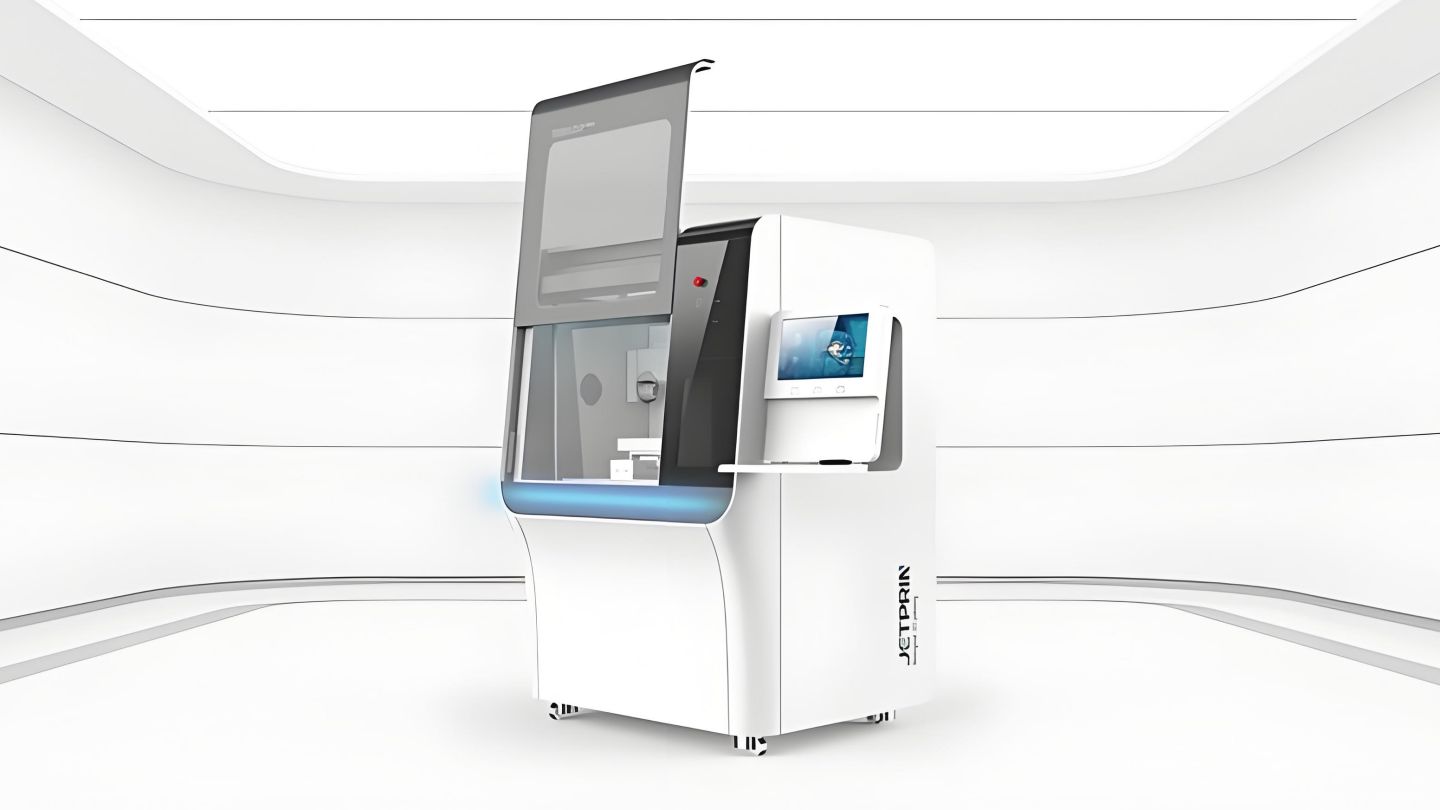
A robust 3D print electric design project typically follows a full product development lifecycle, with physical prototypes at its core. LKK’s standard process covers the following stages from idea to manufacturing:
Concept and requirements definition
Clarify user scenarios, performance targets, cost envelope, and regulatory requirements.
Translate these into a Product Requirements Document (PRD) that guides design decisions across disciplines.
Industrial and mechanical design
Develop product styling, ergonomics, and interaction logic.
Build 3D CAD models considering board space, antenna placement, airflow, and human factors.
Electronics design and system architecture
Select chips, sensors, power architecture, and communication interfaces based on the target use case.
Create schematics and PCB layouts that align precisely with the mechanical envelope.
Functional prototyping with 3D printing
Print enclosures and internal structures using appropriate materials (e.g., SLA for appearance models, SLS/FDM for structural parts).
Assemble printed parts with PCBA to create testable prototypes.
Engineering verification and iteration (EVT/DVT)
Test performance, safety margins, usability, and environmental robustness.
Refine mechanical and electrical design based on test results to prepare for pre‑production.
Production‑oriented validation and transfer (PVT/MP)
Use insights from prototypes to finalize DFM, tooling, and assembly processes.
Transition to pilot production, then ramp to mass production with controlled quality.
Because these stages are handled by cross‑functional teams, mechanical and electrical changes can be synchronized quickly, reducing rework and schedule slip.
Many modern products are connected devices—IoT sensors, smart home appliances, wearables, and medical electronics. LKK’s electronics and software teams design hardware, firmware, and applications together, which is critical when 3D‑printed prototypes need to demonstrate connectivity and user experiences.
Key considerations for connected products include:
Antenna positioning and RF performance in 3D‑printed housings
Thermal management for high‑power chips in compact housings
Provision for OTA updates and device diagnostics
User‑centric UX flows that can be demonstrated on early prototypes
LKK has developed AI‑driven hardware, IoT devices, and mobile‑connected medical equipment for clients ranging from Fortune Global 500 companies to fast‑growing startups, with global certification coverage including CE, FCC, UL, EMC, KC, FDA, and RoHS.
A common concern is whether a design built around 3D‑printed prototypes will translate cleanly to injection molding, die‑casting, or sheet metal. LKK addresses this by embedding DFM and manufacturing engineering into the 3D print electric design workflow from day one:
DFM‑ready geometry
Walls, ribs, bosses, and draft angles are designed to work with intended tooling methods.
Material equivalence
3D‑printed materials are chosen to approximate stiffness, heat resistance, and surface finish of the final production materials where possible.
Supply‑chain‑aligned components
Electrical components and mechanical fasteners are selected from a network of more than 5,000 vetted manufacturing partners, ensuring availability and cost efficiency.
LKK’s supply chain network spans CNC machining, injection molding, SMT, tooling, sheet metal, assembly, and packaging, allowing teams to validate prototypes and then quickly scale to pilot runs and mass production. This end‑to‑end capability is particularly valuable for startups with limited internal operations resources.
3D print electric design is not only about speed; it is also about building quality and compliance into the product. LKK applies ISO‑based quality systems and advanced product quality planning practices throughout the development process.
Typical risk‑control measures include:
Early EMC and safety pre‑compliance checks during prototype stages
Thermal and structural simulation cross‑checked with physical testing
Clear engineering change (ECN) procedures as the design stabilizes
Traceable documentation linking prototypes, test results, and design revisions
These measures contribute to yield rates above 98% in mass production and help teams avoid costly redesigns after tooling.
For companies seeking a reliable partner for 3D print electric design, LKK offers:
Integrated services: Industrial design, mechanical design, electronics design, firmware and software development, prototyping, mold development, and supply chain optimization in one group.
Proven experience: Over 3,000 products launched and more than 592 international design awards across consumer electronics, healthcare, industrial equipment, and smart home categories.
Global client base: Cooperation with over 1,000 industry leaders, including Fortune Global 500 companies, and high‑growth ventures in North America, Europe, and Asia.
Cross‑industry insight: Category innovation in areas such as smart home devices, medical diagnostic equipment, AI interactive robots, and transportation systems.
By engaging LKK early, startups and innovation teams can leverage this ecosystem to move rapidly from idea to reliable, manufacturable product while maintaining strong cost and quality control.


We use cookies to ensure that we give you the best experience on our website. By clicking "Accept All", you consent to our use of cookies. Learn more.
Please fill out the form and we'll get back to you shortly.

Your submission has been received !
Thank you for your submission.
We will get back to you within 24 hours and appreciate your patience.
Enter your details to receive the toolkit for free.