
Bringing a new product to market requires far more than a good idea. Companies must translate concepts into functional designs, engineer reliable structures and electronics, validate manufacturability, and ultimately produce products at scale. For many organizations, especially startups and technology-driven businesses, partnering with a contract manufacturing product design firm is the most efficient way to achieve these goals.
A capable partner can help transform early concepts into manufacturable products while reducing development risk, improving quality, and accelerating time-to-market. However, not all design and manufacturing firms provide the same level of integration or expertise. Selecting the right partner is a critical strategic decision that can significantly influence product success.
This article explains how businesses can evaluate and choose the right contract manufacturing product design firm for their product development needs.
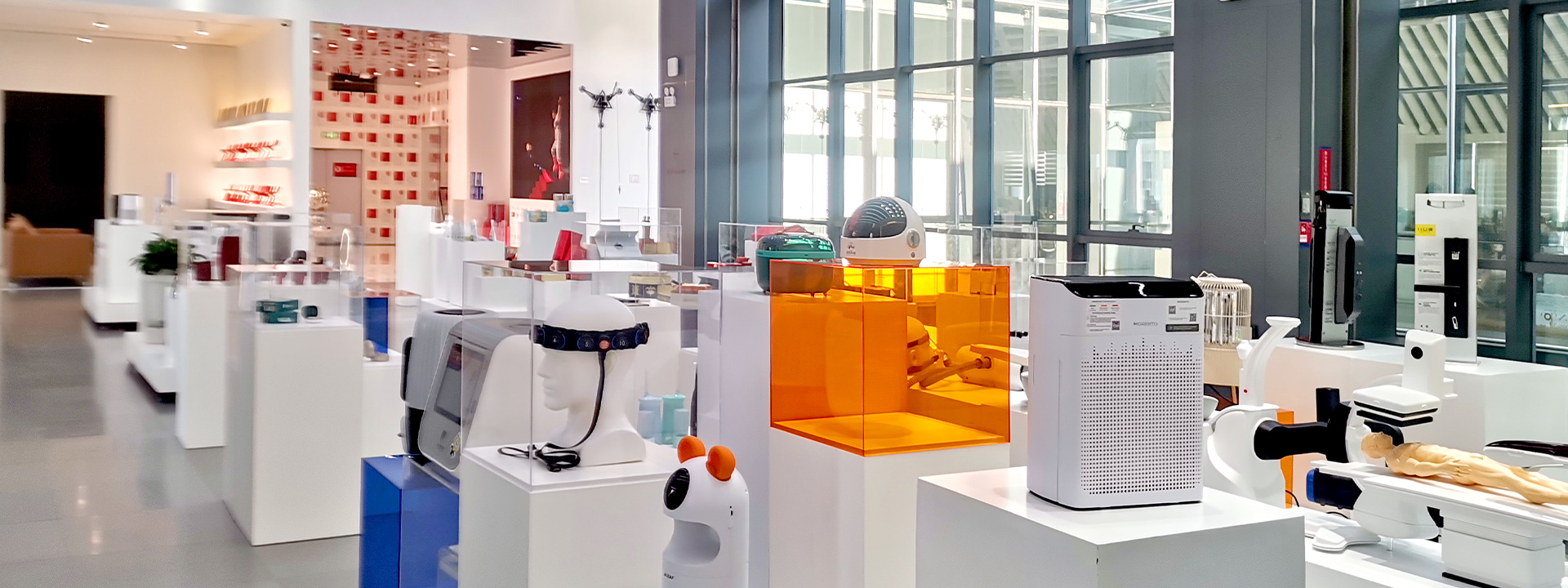
Product development involves multiple stages, including concept design, engineering, prototyping, manufacturing preparation, and mass production. Each stage requires specialized expertise and close collaboration between design and engineering teams.
If the design phase does not consider manufacturing constraints, companies often face costly redesigns and delays during production. A qualified contract manufacturing product design firm helps avoid these issues by integrating design and manufacturing considerations from the beginning.
Many products fail during the transition from prototype to production. Problems may include structural weaknesses, complex tooling requirements, or inefficient assembly processes. These challenges can significantly increase costs and delay market entry.
A firm that combines design expertise with manufacturing engineering ensures that products are optimized for production. This approach, often known as Design for Manufacturing (DFM), improves feasibility and reduces risks during scaling.
A key advantage of working with an integrated design-manufacturing partner is alignment between disciplines. Industrial designers focus on aesthetics and user experience, engineers ensure structural integrity and performance, and manufacturing teams prepare the product for large-scale production.
When these teams collaborate under one organization, communication improves and product development becomes more efficient.
A contract manufacturing product design firm is a company that provides end-to-end services for product development and production. These firms support clients throughout the entire lifecycle of a product—from initial concept to mass manufacturing.
Typical services include:
Industrial design
Mechanical engineering
Electronic design
Prototype development
Design for manufacturing (DFM) optimization
Manufacturing engineering
Supply chain coordination
Mass production support
By integrating these services, such firms allow companies to outsource complex development processes to experienced specialists.
Traditional design studios often focus on product appearance or concept generation. While they can produce attractive designs, they may lack the engineering or manufacturing capabilities required to bring those designs to production.
In contrast, a contract manufacturing product design firm integrates engineering and production knowledge into the design process. This ensures that products are not only visually appealing but also practical to manufacture at scale.
Many industries rely on integrated product development partners, including:
Consumer electronics
Smart devices
Medical equipment
Industrial equipment
Home appliances
IoT products
Automotive components
Companies in these sectors often require multidisciplinary expertise that internal teams alone may not provide.
Choosing the right partner requires evaluating several critical capabilities.
Industrial design shapes the user experience and market appeal of a product. A capable firm should demonstrate strong expertise in user-centered design principles.
Key aspects include:
User behavior research
Ergonomic optimization
Visual design and product aesthetics
Concept sketching and ideation
Material and surface treatment design
A design partner that understands user needs can create products that are both functional and attractive.
Mechanical design ensures that products perform reliably in real-world environments. This stage converts design concepts into detailed engineering structures.
Essential capabilities include:
Product architecture planning
Structural engineering analysis
3D engineering modeling
Tolerance analysis
Prototype testing and validation
Strong mechanical engineering support ensures that the product can withstand environmental stress, repeated use, and production requirements.
Modern products often integrate electronic systems such as sensors, processors, and wireless communication modules. Therefore, electronic design capability is essential for many product categories.
A competent firm should provide:
Hardware architecture design
PCB layout and schematic development
Firmware development
Embedded software integration
Functional testing and debugging
Integrated electronic design ensures compatibility between hardware and software while maintaining system stability.
Design for Manufacturing is one of the most important factors in product commercialization. It ensures that products can be produced efficiently, consistently, and cost-effectively.
DFM typically involves:
Manufacturing feasibility analysis
Material selection evaluation
Mold and tooling considerations
Structural simplification
Assembly optimization
Firms that prioritize DFM reduce the risk of production problems and improve product reliability.
Once the design is finalized, manufacturing engineering prepares the product for mass production. This stage focuses on production processes, tooling, and quality systems.
Core tasks include:
Tooling and mold design
Production line planning
Process optimization
Quality inspection standards
Supply chain coordination
These capabilities ensure that production runs smoothly once manufacturing begins.
A structured development process is essential for successful product realization. Reliable firms typically follow a systematic workflow.
The first stage involves understanding user needs, market trends, and competitive products. Research helps identify opportunities and guides design decisions.
Activities may include:
User behavior analysis
market research
competitor product analysis
functional requirement definition
This stage provides a strong foundation for the development process.
After research, designers generate product concepts. Multiple design options are explored before selecting the most promising solution.
Typical outputs include:
concept sketches
visual design proposals
user interface concepts
3D renderings
Concept validation ensures that the product meets user expectations and brand positioning.
Engineering teams then convert the concept into detailed designs. Prototypes are built to test structural integrity, functionality, and usability.
Key activities include:
engineering modeling
prototype fabrication
functional testing
iterative improvements
This stage refines the product before manufacturing preparation.
Once prototypes are validated, engineers optimize the design for production. DFM adjustments reduce complexity and improve efficiency.
Important tasks include:
wall thickness optimization
draft angle adjustments
component consolidation
assembly simplification
These improvements reduce manufacturing risks and costs.
The final stage involves large-scale manufacturing. Production processes are established and suppliers are coordinated to ensure consistent product quality.
Activities include:
tooling development
pilot production runs
quality control system implementation
logistics and supply chain planning
A smooth transition to mass production is essential for commercial success.
Before selecting a contract manufacturing product design firm, companies should evaluate potential partners carefully.
Many design firms can produce attractive concepts, but not all can deliver manufacturable designs. Ask whether the company integrates DFM principles early in the design process.
Working with multiple vendors for design, engineering, and manufacturing can create communication challenges. A firm that provides end-to-end services simplifies project management and improves efficiency.
Evaluate the manufacturing technologies supported by the firm. These may include:
CNC machining
injection molding
die casting
sheet metal fabrication
surface finishing
electronic assembly
A broad manufacturing ecosystem enables flexible production solutions.
A reliable partner should implement systematic quality management processes and transparent project planning. Clear milestones, documentation, and testing procedures help maintain project control.
Integrated teams streamline communication between designers, engineers, and manufacturing specialists. This reduces development cycles and allows products to reach the market faster.
DFM analysis and engineering validation reduce technical risks and minimize costly redesigns.
Collaborative design ensures that products meet both user expectations and manufacturing standards.
A single partner coordinating suppliers, tooling, and production simplifies logistics and reduces operational complexity.
| Development Stage | Key Activities | Value to Clients |
| Research | User research, market analysis | Identifies real product opportunities |
| Industrial Design | Concept development, visual design | Improves product attractiveness |
| Engineering | Mechanical and electronic design | Ensures functionality and reliability |
| Prototyping | Prototype fabrication and testing | Validates product feasibility |
| DFM Optimization | Manufacturing feasibility analysis | Reduces production risk |
| Manufacturing Engineering | Production planning and tooling | Prepares product for scaling |
| Mass Production | Assembly and quality control | Enables consistent large-scale production |
Global businesses increasingly rely on specialized partners to accelerate innovation and improve operational efficiency. A full-service design and manufacturing firm provides the expertise needed to move from concept to production efficiently.
For example, innovation design groups such as LKK Design Group provide comprehensive product development services that integrate industrial design, mechanical engineering, electronics development, and manufacturing engineering. With a user-centered design philosophy and full-cycle development capabilities, such firms help companies transform ideas into commercially viable products while optimizing manufacturing feasibility and supply chain coordination.
By combining creativity with engineering precision and manufacturing expertise, integrated development partners enable companies to deliver competitive products to the global market.
Choosing the right contract manufacturing product design firm is a crucial decision for any company developing new products. The ideal partner should provide integrated services that cover industrial design, engineering development, prototyping, DFM optimization, and mass production preparation.
When evaluating potential partners, businesses should consider technical expertise, manufacturing capabilities, development processes, and quality management systems. A firm that successfully combines design innovation with manufacturing knowledge can significantly improve product success and reduce commercialization risks.
By collaborating with an experienced design and manufacturing partner, companies can transform innovative ideas into high-quality products that succeed in competitive global markets.


We use cookies to ensure that we give you the best experience on our website. By clicking "Accept All", you consent to our use of cookies. Learn more.
Please fill out the form and we'll get back to you shortly.

Your submission has been received !
Thank you for your submission.
We will get back to you within 24 hours and appreciate your patience.
Enter your details to receive the toolkit for free.