
Selecting the right mechanical design firm is one of the most critical decisions during product development. Mechanical engineering determines how a product functions, how long it lasts, and whether it can be manufactured efficiently. When companies bring a new product idea to market, they often focus heavily on appearance and user features. However, without solid mechanical engineering, even the most innovative concept may fail during prototyping or production.
A professional mechanical design firm bridges the gap between product ideas and real-world manufacturing. Through engineering expertise, simulation, and iterative testing, these firms transform concepts into reliable products that meet performance requirements and production constraints. Companies that work with experienced mechanical design teams often see smoother development cycles, fewer design revisions, and faster time-to-market.
For businesses launching new products, outsourcing engineering to a specialized mechanical design firm can also reduce internal pressure on in-house teams. Instead of building large engineering departments, companies can leverage external expertise, advanced design tools, and proven development workflows.
In competitive markets, product reliability and production efficiency directly affect brand reputation and profitability. This is why choosing the right mechanical design firm is not simply a procurement decision—it is a strategic partnership that can shape the success of an entire product line.
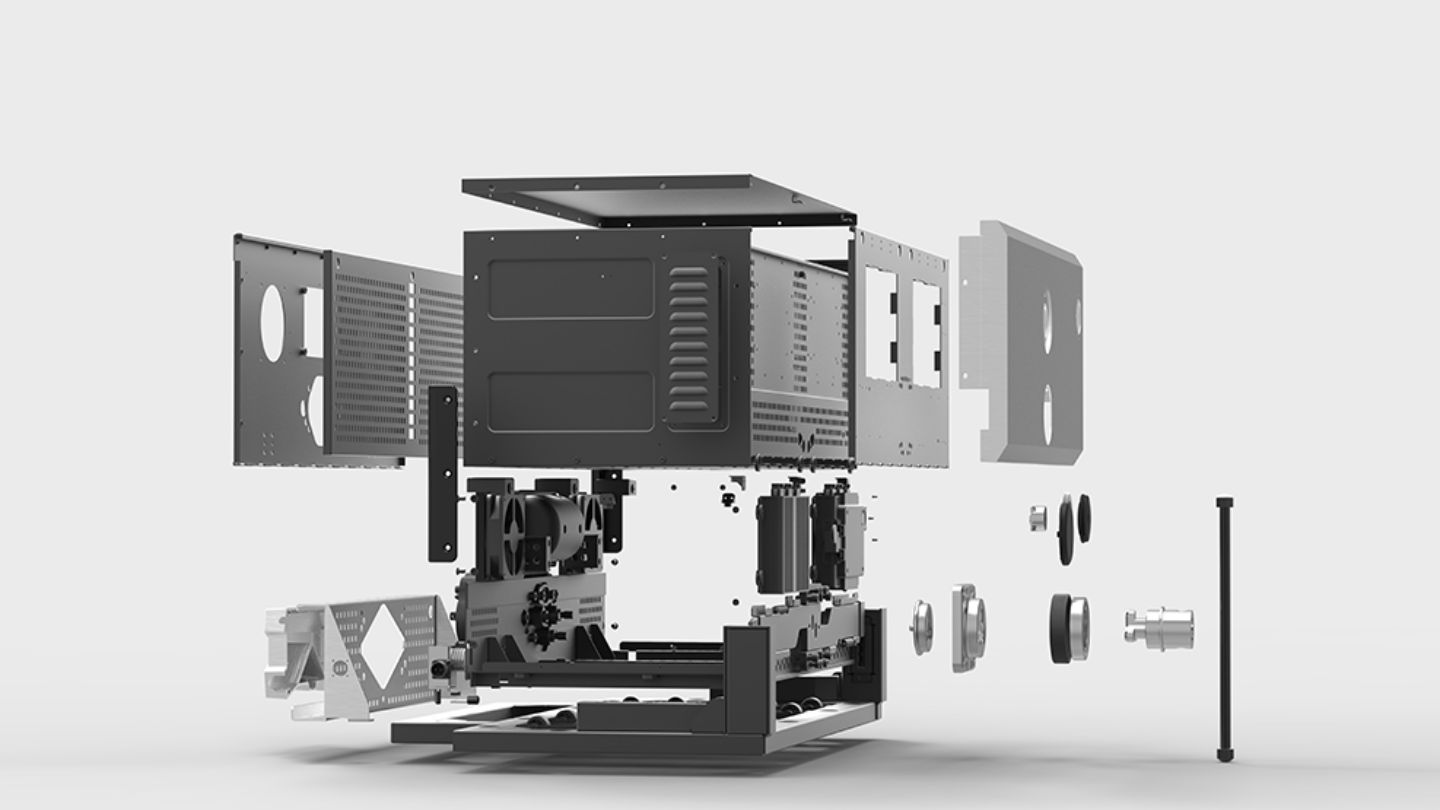
A reliable mechanical design firm provides far more than basic CAD modeling. Professional engineering teams deliver comprehensive services that support the entire product development lifecycle, from concept engineering to production preparation.
The development process typically begins with detailed requirement analysis. Engineers evaluate product functions, mechanical constraints, environmental conditions, and performance expectations. During this stage, system architecture is defined, ensuring all mechanical components work together efficiently.
Requirement analysis helps clarify important technical questions. For example, engineers assess load conditions, expected durability, material compatibility, and manufacturing limitations. By identifying these factors early, the mechanical design firm can create a strong engineering foundation before moving into detailed design.
This stage also helps align engineering solutions with business goals such as development timeline, manufacturing cost, and product quality expectations.
Once the system architecture is defined, engineers move into detailed mechanical design. This stage involves creating high-precision three-dimensional CAD models and engineering drawings that define every component and assembly within the product.
Simulation tools are commonly used during this phase to evaluate performance under various conditions. Engineers may analyze structural strength, thermal behavior, vibration characteristics, and motion dynamics. These simulations allow potential design flaws to be identified early, preventing costly modifications during later development stages.
A professional mechanical design firm ensures that every design detail is documented clearly, allowing manufacturers to understand the product structure and assembly process without ambiguity.
Prototyping plays a crucial role in validating mechanical designs. Physical prototypes allow engineers to test real-world functionality, evaluate ergonomics, and identify potential mechanical issues before mass production begins.
During prototype testing, design improvements are often introduced through iterative engineering cycles. Each iteration refines the product structure, improving reliability and performance while ensuring manufacturing feasibility.
Through rapid prototyping technologies such as CNC machining and additive manufacturing, modern mechanical design firms can accelerate testing cycles and shorten development timelines significantly.
The final stage of mechanical design involves preparing the product for manufacturing. Engineering teams produce detailed technical documentation, assembly instructions, and manufacturing guidelines that ensure consistency during production.
This documentation typically includes standard operating procedures, tolerance specifications, and assembly process instructions. Clear documentation reduces production errors, improves quality control, and helps manufacturers scale production efficiently.
Not all mechanical design firms provide the same level of expertise or service coverage. When selecting a partner for product development, companies should evaluate several key factors that influence project success.
Mechanical engineering requires a strong combination of theoretical knowledge and practical experience. A reputable mechanical design firm should demonstrate expertise in structural design, motion mechanics, materials engineering, and manufacturing technologies.
Engineers must be capable of designing products that perform reliably under real-world conditions. This includes understanding mechanical stresses, environmental factors, and long-term durability requirements.
Companies should also assess whether the firm has experience designing products in similar industries or application environments.
A mechanical design firm that supports full product development offers significant advantages. Rather than focusing only on isolated engineering tasks, integrated firms can support concept design, engineering validation, prototyping, and manufacturing preparation.
This holistic approach improves communication between design stages and prevents misalignment between engineering solutions and manufacturing processes.
Integrated development teams also enable faster problem-solving because engineers from different disciplines collaborate closely throughout the project.
Design for Manufacturing is a critical engineering methodology that ensures products can be produced efficiently and reliably. A mechanical design firm with strong DFM capabilities evaluates design features based on manufacturing feasibility, production cost, and assembly efficiency.
Engineers analyze factors such as wall thickness, draft angles, tolerance stack-ups, and tooling requirements. These considerations help prevent common production issues and reduce manufacturing complexity.
By integrating DFM principles early in the design process, companies can avoid expensive redesigns during the manufacturing stage.
Prototyping capabilities significantly influence development speed and design quality. Firms with advanced prototyping facilities can produce functional prototypes quickly, allowing engineers to validate designs and implement improvements without delays.
Testing resources are equally important. Mechanical validation tests help confirm structural reliability, product safety, and performance stability. A firm that combines engineering design with testing capabilities can provide more reliable development outcomes.
Modern products often combine mechanical structures with electronics, software systems, and user-interface design. Mechanical design firms that integrate multiple disciplines offer a major advantage during complex product development projects.
Close collaboration between mechanical engineers, industrial designers, and electronics engineers ensures that product aesthetics, functionality, and manufacturability remain aligned throughout development.
Before selecting a mechanical design firm, companies should conduct a thorough evaluation process. Asking the right questions can reveal how well a potential partner aligns with project requirements and development goals.
Understanding the firm’s development workflow helps companies evaluate whether the team follows structured engineering methodologies. A transparent process that includes research, concept development, detailed engineering, prototyping, and manufacturing support indicates a mature and organized development framework.
A clear development process also helps ensure that project milestones are predictable and that communication remains consistent throughout the project lifecycle.
Engineering decisions directly influence manufacturing costs and product reliability. Companies should ask how the mechanical design firm evaluates feasibility and cost factors during design development.
Experienced engineering teams often use simulation tools, material analysis, and manufacturing feasibility assessments to optimize designs. This approach helps balance performance requirements with production cost considerations.
Prototype validation is essential for confirming that a design performs as expected. Firms should be able to explain their prototyping technologies, testing procedures, and validation standards.
Rapid prototyping combined with functional testing allows design issues to be identified early, reducing the risk of expensive modifications later in development.
Many companies benefit from working with mechanical design firms that also provide manufacturing support. Production preparation requires coordination with suppliers, tooling manufacturers, and assembly teams.
A firm that understands manufacturing processes can help ensure that engineering designs transition smoothly into mass production.
Companies often gain significant strategic advantages by partnering with a full-service mechanical design firm instead of relying on fragmented engineering services.
When industrial design, mechanical engineering, and prototyping teams work together within the same organization, communication becomes more efficient. Design adjustments can be implemented quickly without long coordination delays.
Integrated development environments allow engineering teams to solve problems rapidly and move from concept to prototype faster than traditional development models.
Full-service mechanical design firms consider manufacturing feasibility from the beginning of the design process. This proactive approach helps prevent unnecessary complexity and reduces the risk of costly production challenges.
Engineers can also optimize material usage, simplify assembly processes, and improve production efficiency through thoughtful design strategies.
One of the most significant advantages of working with a comprehensive mechanical design firm is the smooth transition from engineering design to manufacturing.
Because the same team understands both the design and production requirements, they can prepare detailed documentation and provide manufacturing guidance that ensures product quality remains consistent during mass production.
LKK Innovation Design Group has established itself as a leading international innovation design organization by combining engineering expertise with user-centered design principles. Founded in 2004, the company focuses on transforming product ideas into successful market-ready solutions.
LKK places the user at the center of product development. By studying user behavior, ergonomic requirements, and product interaction patterns, the design team ensures that mechanical solutions align with real-world user needs.
This user-centered approach helps create products that are not only technically reliable but also intuitive and enjoyable to use.
One of LKK’s strengths is its ability to integrate multiple engineering disciplines within a unified development process. Industrial design, mechanical engineering, and electronic system development work together to ensure product coherence.
This multidisciplinary collaboration enables faster iteration cycles and ensures that design decisions support both functionality and aesthetics.
LKK’s engineering teams apply advanced simulation, testing, and DFM evaluation to ensure designs are optimized for manufacturing. By carefully analyzing manufacturing feasibility, the company helps clients reduce development risks and control production costs.
This engineering rigor ensures that products can perform reliably in real-world conditions while remaining feasible for large-scale manufacturing.
From early concept development to manufacturing preparation, LKK provides comprehensive product development services. The company supports clients through research, engineering design, prototyping, and manufacturing integration.
By offering an end-to-end innovation development process, LKK enables companies to bring new products to market more efficiently and with greater confidence.
Choosing the right mechanical design firm plays a decisive role in the success of product development. Engineering expertise, manufacturing knowledge, and integrated design capabilities all contribute to creating reliable and market-ready products.
Companies that carefully evaluate potential design partners can reduce development risks, improve engineering quality, and accelerate product innovation. By collaborating with experienced firms that combine mechanical engineering, industrial design, and manufacturing expertise, businesses can transform ideas into competitive products that succeed in global markets.
Working with an innovation-driven organization such as LKK allows companies to leverage multidisciplinary expertise and structured development processes, ensuring that product concepts evolve into high-quality solutions ready for manufacturing and market success.


We use cookies to ensure that we give you the best experience on our website. By clicking "Accept All", you consent to our use of cookies. Learn more.
Please fill out the form and we'll get back to you shortly.

Your submission has been received !
Thank you for your submission.
We will get back to you within 24 hours and appreciate your patience.
Enter your details to receive the toolkit for free.