
Building a successful hardware development product is no longer just about designing a PCB and enclosure; it is about orchestrating user research, industrial design, electronics, firmware, software, and supply chain as a single system. Startups and innovation teams that treat hardware development as a series of isolated tasks usually end up with escalating costs, project delays, and certification headaches.
LKK Innovation Design Group (LKK Design) is one of China’s largest and most awarded product design and engineering companies, providing full‑stack hardware development services from concept to mass production. With 800+ designers and engineers across more than 13 city centers and over 5,000 supply chain partners, LKK has helped bring more than 10,000 products to market across 20+ industries, from smart home to medical devices and industrial equipment.
You can explore typical hardware development workflows and case studies on the official website: https://www.lkkerscm.com.
A hardware development product is any physical device—consumer electronics, medical device, IoT node, robot, or automotive component—that requires coordinated design, engineering, prototyping, and manufacturing to move from idea to market. The process is inherently cross‑disciplinary, covering:
Product strategy and industrial design
Mechanical design and structural engineering
Electronics/hardware design (schematics, PCB, power, RF)
Firmware and software application development
Prototyping, testing, and regulatory certification
Tooling, pilot runs, and mass production
LKK provides this full stack as one integrated program rather than separate suppliers, which greatly reduces interface risk and keeps schedules manageable.
Every successful hardware development product starts with a clear understanding of users, market positioning, and constraints such as target cost, certification, and launch timeline. In this phase, industrial designers work with product managers and engineers to define what to build and why.
Typical activities include:
User research and competitive benchmarking.
Defining core features, usage scenarios, and differentiation.
Concept sketches and 3D volume studies.
Early consideration of internal layout, heat dissipation, and interface design.
LKK’s industrial design team is recognized as a National Industrial Design Center and has received hundreds of international design awards (Red Dot, iF, IDEA, G‑Mark), which means aesthetics and usability are balanced with manufacturability from day one. This is crucial for products where design quality directly impacts perceived value, such as smart home devices, wearables, and medical equipment.
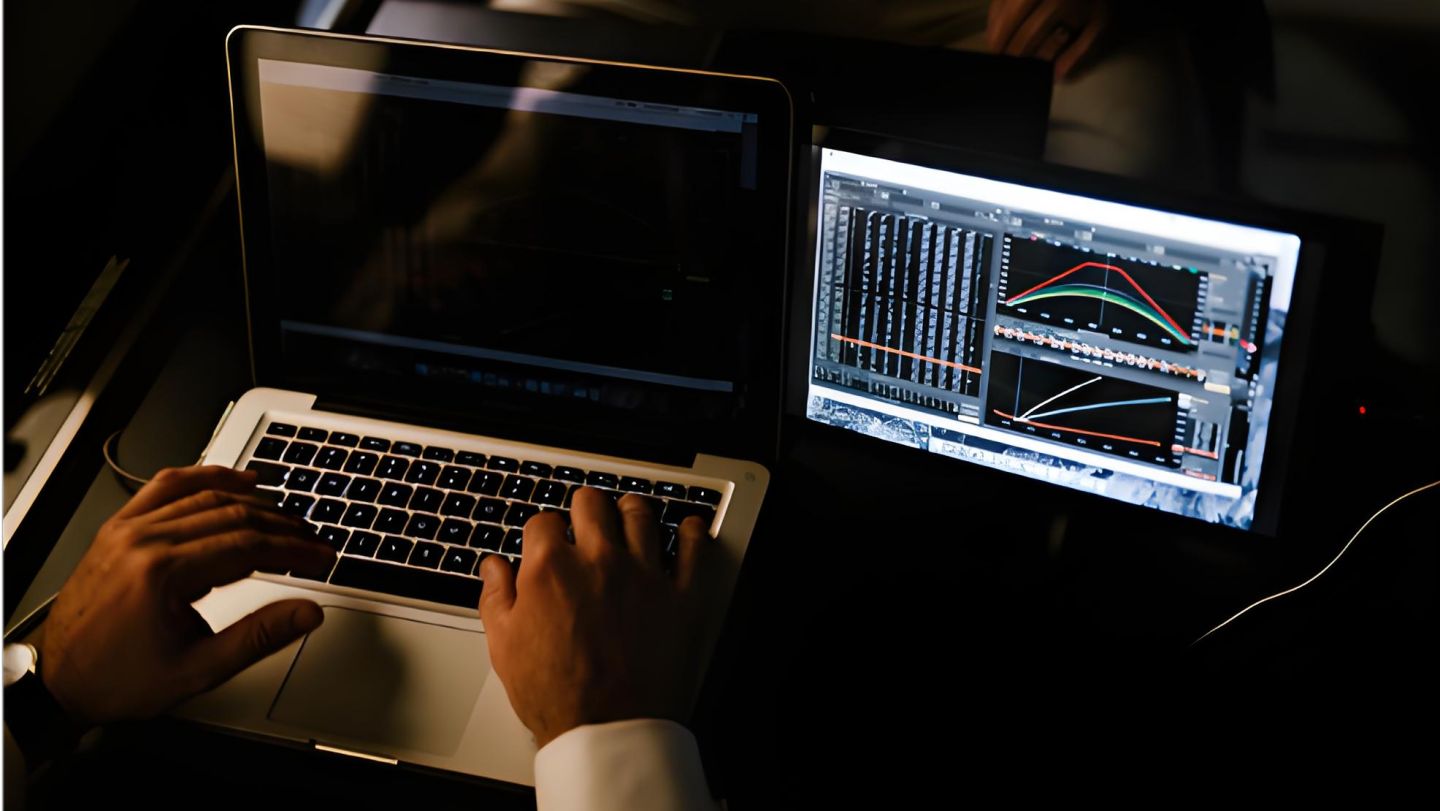
The next stage translates the industrial design vision into detailed mechanical structures that can survive real‑world environments and be produced at scale.
Key aspects of mechanical design for hardware development products include:
Structural simulation to ensure stiffness, impact resistance, and thermal performance.
Detailed 3D CAD, tolerance analysis, and material selection.
DFM: decisions around wall thickness, ribs, draft angles, and assembly methods to minimize tooling issues and reduce manufacturing cost.
LKK is rated among the leading mechanical product design service providers and offers complete mechanical design, DFM consultancy, and rapid prototyping from a single team. The goal is not just to “make it work,” but to ensure every joint, clip, and interface is reliable, easy to assemble, and cost‑efficient across thousands or millions of units.
Electronics design defines how your hardware development product performs, how long it lasts on battery, and whether it can pass EMC and safety tests. Poor decisions at this stage can lead to repeated PCB spins and delays in certification.
Typical electronics design steps include:
Architecture definition: selecting MCUs, sensors, RF modules, power management, and connectivity options.
Schematic design and PCB layout with attention to signal integrity, thermal management, and noise.
Design for testability and manufacturability to ensure the PCBA can be produced and inspected reliably.
LKK’s hardware teams cover AI‑driven hardware, IoT devices, and single‑board computer integration, with supported quality certifications such as CE, FCC, UL, EMC, KC, FDA, and RoHS. Integrated hardware‑firmware development reduces incompatibilities and shortens the path from engineering prototype to compliance‑ready boards.
In many modern products, a significant portion of value lives in firmware and companion applications. Users expect seamless pairing, secure connectivity, and regular OTA updates, even for essentially physical devices.
Key firmware/software considerations include:
Stable and power‑efficient firmware that interacts correctly with sensors, radios, and actuators.
Mobile or web applications (iOS/Android) that provide configuration, monitoring, and data visualization for the device.
Security and update frameworks to protect user data and extend product life.
LKK offers firmware customization and software application development tightly integrated into the hardware development process, ensuring that board bring‑up, driver development, and app‑level UX progress in sync. This “full‑stack” approach is particularly important in connected healthcare, smart home, and industrial IoT applications.
Before committing to tooling and high‑volume production, you need multiple rounds of prototypes to de‑risk usability, engineering performance, and compliance.
A typical LKK hardware development program uses phased prototyping:
Concept prototypes: simple physical models and UX mockups focusing on look and feel.
Engineering prototypes (EVT): mechanically representative builds with PCBA and basic firmware for functional testing.
Design verification prototypes (DVT): near‑final assemblies validating user experience, reliability, and environmental performance under expected conditions.
LKK’s labs run pre‑compliance tests for EMC and safety to catch issues early and reduce the risk of failing official certification late in the schedule. Their internal pilot lines and parallel development approach can shorten time‑to‑market by around 30%, which is critical for hardware startups racing competitors.
Once the hardware development product is validated, the focus shifts to scaling production without losing quality. This stage is often where many projects stumble when they lack experienced manufacturing engineering and supply chain management.
Important elements include:
Tooling design and validation for plastic, metal, and other components.
APQP‑style quality planning, from incoming inspection standards to inline and end‑of‑line tests.
Pilot production runs (PVT) to stabilize assembly processes, line balancing, and yields before ramping to full mass production.
As a one‑stop DFM and contract manufacturing provider, LKK manages tooling, production, QA, and certifications across a large network of suppliers, including CNC machining, die casting, injection molding, SMT, and final assembly. With a 95% on‑time delivery rate and defect rates targeted at 500–1000 PPM, LKK helps ensure that the same quality users see in prototypes is maintained at scale.
Working with multiple separate vendors for design, prototyping, and manufacturing increases interface risk and obscures accountability. An integrated partner like LKK offers several advantages for hardware development products:
Single accountable team from concept to shipment.
Shared DFM and cost‑optimization strategy across industrial design, mechanical, electronics, and manufacturing.
Proven track record: over 500–592 international design awards, service to 100+ Fortune Global 500 clients, and 1,000+ successfully launched products.
LKK has won top honors such as Red Dot “Best of the Best” and the Red Dot Supreme Award, underscoring its ability to combine cutting‑edge design with robust engineering and manufacturing. The company has been recognized as a National Industrial Design Center, highlighting its leadership in user‑centric innovation.
For startups and corporate innovation groups, this means a much clearer path from pitch deck or PRD to a certified, market‑ready hardware development product that can be manufactured reliably and competitively. To see how this might apply to your next project, you can visit https://www.lkkerscm.com and explore LKK’s case studies in consumer electronics, medical devices, and industrial systems.


We use cookies to ensure that we give you the best experience on our website. By clicking "Accept All", you consent to our use of cookies. Learn more.
Please fill out the form and we'll get back to you shortly.

Your submission has been received !
Thank you for your submission.
We will get back to you within 24 hours and appreciate your patience.
Enter your details to receive the toolkit for free.