
For a hardware startup, mechanical design can make the difference between a beautiful pitch deck and a product that actually ships. When you choose the right startup mechanical design services, you are not just outsourcing CAD work—you are building a bridge from user insight to scalable manufacturing.
This article explains what mechanical design services really mean for startups, how they connect with industrial design, electronics, and contract manufacturing, and why partnering with an experienced innovation group like LKK can de‑risk your journey from concept to mass production.
Mechanical design translates your product vision, user requirements, and brand positioning into a robust physical architecture. For startups, three challenges make this stage especially critical:
Limited runway and tight budgets demand first‑time‑right decisions on architecture, materials, and assembly strategy.
Small teams often lack in‑house expertise across industrial design, structural engineering, DFM (Design for Manufacturing), and supply chain.
Investors expect credible plans for manufacturability, certifications, and quality—well beyond a “nice prototype.”
Professional startup mechanical design services address these challenges by integrating engineering rigor with manufacturability and user experience from day one.
A mature service provider will cover the full mechanical stream, from early concept through to manufacturing support. Typical scope includes:
Requirements capture and architecture Engineers and designers translate marketing ideas into a structured Product Requirements Document (PRD) and mechanical architecture, covering performance targets, environmental conditions, regulatory constraints, and cost envelopes.
3D CAD modeling and mechanism design The team develops 3D models, moving mechanisms, fastening strategies, sealing concepts, and tolerance schemes that balance compactness, strength, and assembly efficiency.
Material and process selection Early choices between injection molding, die casting, CNC machining, or sheet metal, plus polymers and metals, determine tooling cost, durability, and feel.
Design for Manufacturing (DFM) and Design for Assembly (DFA) DFM and DFA reviews remove undercuts, adjust draft angles, simplify part count, and tune wall thicknesses so that suppliers can manufacture reliably at volume.
Integration with electronics and firmware For IoT, medical, or smart home products, mechanical engineers work closely with PCB, antenna, battery, and thermal specialists so nothing conflicts inside limited internal volume.
Prototype support and iteration The provider specifies 3D printing, CNC, or soft tooling, then iterates based on functional tests, drop tests, and user feedback.
When all of these steps happen under one roof or within one orchestrated team, you avoid the costly handover gaps that often sink early‑stage hardware projects.
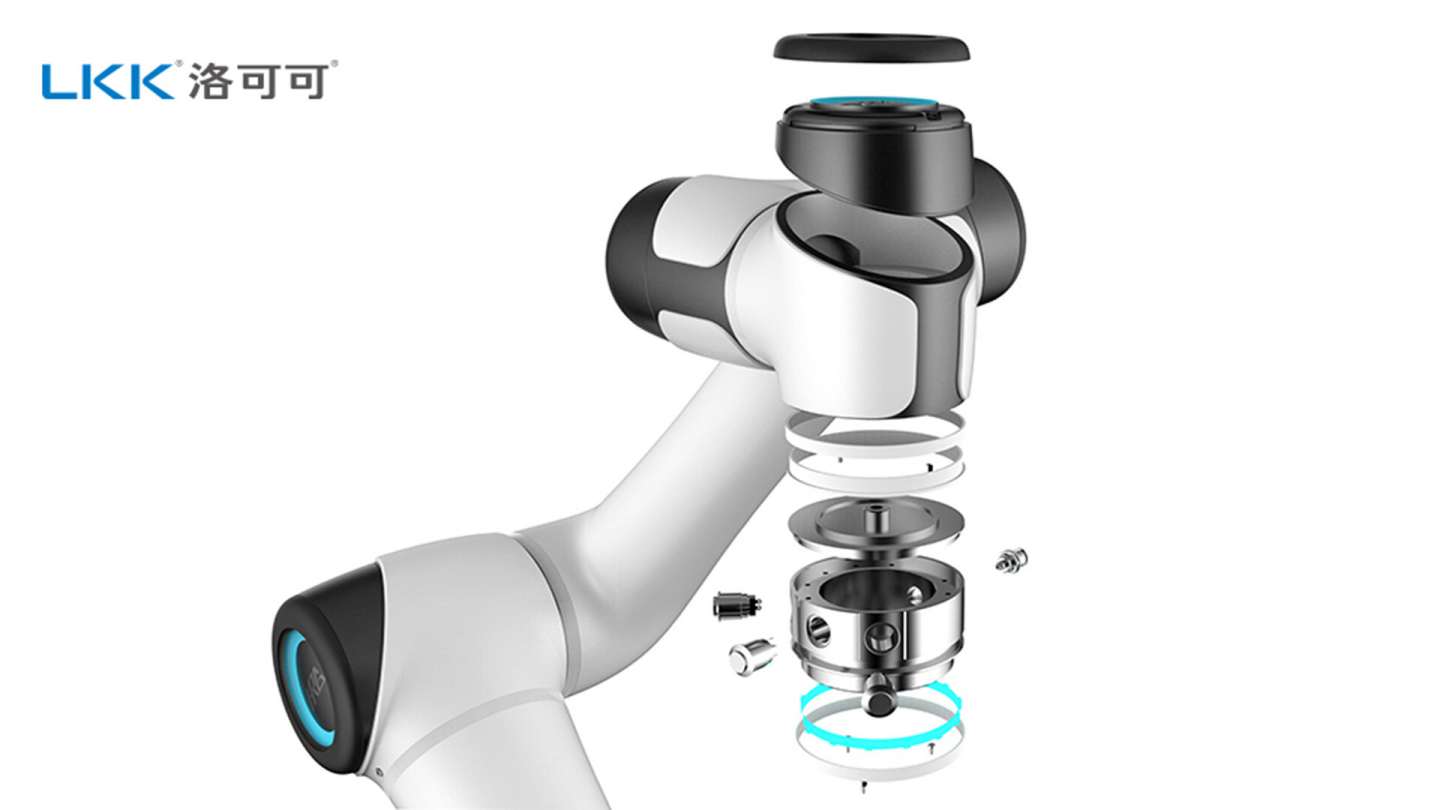
Many startups first engage an industrial designer to define product form, CMF (color, material, finish), and user touchpoints. That work is essential but incomplete without mechanical design.
A strong innovation partner will seamlessly integrate industrial and mechanical design so that:
Aesthetic choices are grounded in realistic wall thicknesses, ribbing, and fastening strategies.
Ergonomics and UX are reconciled with structural strength, thermal dissipation, and ingress protection.
External surfaces map cleanly to internal component layout, minimizing part count and assembly time.
LKK, for example, offers industrial design, mechanical design, electronics, and manufacturing engineering as a unified flow from concept to mass production. This means you do not have to coordinate multiple agencies or explain your product again at every stage.
For startups, a structured but flexible development path is critical. A typical LKK‑style workflow for hardware ventures looks like this:
Concept and product definition The team refines your value proposition into target users, core scenarios, and differentiating features, then builds a concept proposal grounded in competitive analysis and technical feasibility.
Industrial design and structural concept Designers explore multiple form factors while mechanical engineers validate mounting points, PCB keep‑out zones, assembly directions, and thermal paths.
EVT – Engineering Verification Test Engineering prototypes combine CNC or 3D‑printed mechanical parts with PCBA and basic firmware to validate structure, tolerances, and performance. For instance, drop tests, torque tests, and early sealing checks reveal design weaknesses before tooling.
DVT – Design Verification Test Near‑final mechanical parts, closer‑to‑final materials, and refined electronics validate ergonomics, regulatory requirements, and environmental performance.
PVT – Production Verification Test Trial builds verify assembly jigs, line balancing, test procedures, and defect rates before mass production.
MP – Mass Production Once mechanical design is frozen and validated, manufacturing engineering, quality control, and supply chain management ensure stable output with defined KPIs.
Because the same team stays involved from concept to MP, each iteration feeds directly into a more robust mechanical design with fewer surprises.
For funded startups and innovation teams aiming at global markets, engaging mechanical design services in China can be a strategic advantage. Key benefits include:
Access to a dense ecosystem of tooling, molding, and component suppliers, shortening iteration cycles.
Competitive production costs when you transition from design to contract manufacturing.
Experience with global certification requirements such as CE, FCC, UL, and FDA, which shape mechanical, material, and shielding decisions.
LKK Design, headquartered in Beijing with hubs in Shenzhen, Shanghai, Nanjing, Chengdu and more, connects more than 5,000 vetted supply chain partners across machining, molding, assembly, and testing. For a startup, this means your mechanical design is validated against real manufacturing constraints, not just theory.
You can learn more about these integrated capabilities at the official site: https://www.lkkerscm.com.
When you are choosing startup mechanical design services, awards are not just trophies—they are evidence of the team’s ability to deliver at a global standard. LKK has accumulated over 592 international design awards across Red Dot, iF, IDEA, G‑Mark and other major competitions, covering industrial products, medical devices, smart home, and consumer goods.
These recognitions matter because they show:
Proven capability to balance aesthetics, ergonomics, engineering, and manufacturability.
Consistent quality across hundreds of products and multiple industries.
Credibility when you communicate with investors, partners, or enterprise customers.
For example, LKK has repeatedly won Red Dot awards, including “Best of the Best,” for products that combine advanced mechanical engineering with user‑centric design, from medical diagnostic equipment to smart home control devices.
Many startups today build products in demanding categories like healthcare, AI, robotics, or energy. In these fields, mechanical design must work under strict safety, hygiene, or durability constraints.
An experienced partner brings lessons from past projects such as:
Medical devices Surgical navigation systems, anesthesia machines, and wearable monitors require biocompatible materials, smooth surfaces for cleaning, precise tolerances, and integration with imaging or sensing components.
Smart home and consumer electronics Printers, smart speakers, and home hubs demand compact layouts, acoustic optimization, and reliable thermal management within slim enclosures.
Industrial and energy equipment Products for factories or new energy infrastructure must withstand vibration, dust, and temperature cycles while staying easy to assemble and service.
By applying this cross‑industry knowledge, a mechanical design team can help your startup avoid common pitfalls such as fragile housing, inconsistent fit, or overheating, which might otherwise appear only after expensive tooling.
The best startup mechanical design services do not stop at CAD release; they extend into contract manufacturing support. When mechanical and manufacturing engineering are synchronized, you gain:
Faster DFM closure with mold makers and assemblers, reducing the number of tooling changes.
Early alignment on tolerances, inspection points, and critical‑to‑quality features.
Transparent cost trade‑offs between material, wall thickness, and cycle time.
LKK’s contract manufacturing and manufacturing engineering teams work alongside mechanical designers on tooling design, pilot runs, and quality strategies (including APQP and statistical control) so the handover from “design complete” to “mass production stable” is as smooth as possible.
When you evaluate potential partners, move beyond portfolio images and ask questions that directly impact your risk and time‑to‑market.
Key criteria include:
Full‑chain capabilities Can the partner cover industrial design, mechanical design, electronics, firmware, prototyping, DFM, and contract manufacturing, or will you need multiple vendors?
Award‑backed, cross‑industry experience Does the team have recognized success across several categories (medical, consumer, industrial) and hundreds of products, backed by international honors?
Supply chain and certification knowledge Do they understand how certification (CE, FCC, UL, FDA, RoHS) shapes enclosure design, grounding, shielding, and labeling?
Startup‑friendly processes Are they comfortable working with evolving requirements, staged budgets, and rapid prototyping cycles, instead of only large enterprise projects?
Transparent communication and IP protection Do they offer NDAs, clear ownership of designs and patents, and secure collaboration tools?
A provider like LKK, with more than 20 years of product development experience and over 1,000 industry leaders served, can answer these questions in detail and back them up with real case studies.
Even with a strong partner, your startup’s internal practices heavily influence project outcomes. To get the most from professional mechanical design services:
Define clear priorities Rank what matters most—time‑to‑market, unit cost, performance, or aesthetics—so engineers can propose realistic trade‑offs.
Share real‑world constraints early If you already have target suppliers, known logistics constraints, or strict regulations, bring them into discussions at the concept stage.
Validate assumptions with users Pair mechanical and industrial design progress with user testing on ergonomics, installation, and maintenance.
Embrace iterative prototyping Treat each prototype build (EVT, DVT, PVT) as a learning milestone, not a final verdict, and budget time for changes.
Align stakeholders frequently Keep investors, marketing, and operations informed so late‑stage surprises—such as packaging constraints or unexpected certifications—do not derail the design.
For hardware startups and innovation teams, mechanical design is not a back‑office function; it is a strategic capability that shapes user satisfaction, brand perception, and profitability. By partnering with an experienced, award‑winning innovation group such as LKK—with integrated industrial design, mechanical and electronic engineering, and contract manufacturing—you dramatically increase your chances of turning ideas into reliable, scalable products that reach the market on time.
If you are planning your next device or platform, exploring startup mechanical design services through a full‑chain partner is one of the highest‑leverage decisions you can make.


We use cookies to ensure that we give you the best experience on our website. By clicking "Accept All", you consent to our use of cookies. Learn more.
Please fill out the form and we'll get back to you shortly.

Your submission has been received !
Thank you for your submission.
We will get back to you within 24 hours and appreciate your patience.
Enter your details to receive the toolkit for free.