
Industrial design represents far more than aesthetic refinement—it serves as the critical bridge between conceptual innovation and manufacturing reality. Contract manufacturing industrial design services have become essential for companies seeking to translate functional requirements into products that users love while ensuring cost-effective, scalable production. This specialized discipline combines user-centered design thinking, engineering pragmatism, and manufacturing expertise to create products that succeed in competitive marketplaces.
The distinction between ordinary product development and exceptional contract manufacturing industrial design service lies in the integration of manufacturing considerations throughout the creative process. While traditional industrial designers focus primarily on form and user experience, contract manufacturing specialists simultaneously optimize for tooling efficiency, assembly processes, material costs, and production scalability. This dual focus prevents the costly redesign cycles that plague projects where design and manufacturing teams work in isolation.
Professional contract manufacturing industrial design services encompass multiple interconnected disciplines. User research and insights form the foundation, where design teams conduct user scene investigations to understand real-world usage patterns, pain points, and unmet needs. Leading providers like LKK Consulting Design Group leverage insights across 200+ product categories and 20+ design industries to bring cross-industry innovation to each new project.
Concept development and visualization translate research insights into tangible design directions. Skilled industrial designers create multiple concept alternatives, develop detailed renderings and physical models, and facilitate client workshops to refine directions before committing to expensive engineering development. This iterative approach ensures alignment between stakeholder vision and user needs before significant resources are invested.
CMF design (Color, Material, Finish) represents a specialized aspect of industrial design that dramatically impacts manufacturing costs and product perception. Expert CMF designers understand how material choices affect tooling requirements, assembly processes, and unit costs while creating products that communicate appropriate brand values and quality perceptions. Strategic CMF decisions can differentiate products in crowded markets without requiring expensive technological innovations.
Design for Manufacturing (DFM) integration distinguishes contract manufacturing industrial design from pure creative design. Throughout the design process, industrial designers collaborate with mechanical engineers and manufacturing specialists to ensure concepts can be produced efficiently at scale. This includes optimizing part counts, specifying appropriate tolerances, selecting manufacturing-friendly geometries, and identifying cost-reduction opportunities that don't compromise design intent.
Understanding how professional contract manufacturing industrial design services structure their processes helps companies set appropriate expectations and plan effective collaborations. The process typically begins with comprehensive project definition where designers work with clients to establish clear objectives, identify target users and use contexts, define brand positioning and differentiation strategies, and establish technical requirements and constraints.
Research and analysis follows, combining market analysis of competitive products, user research to understand needs and behaviors, technical feasibility assessment, and manufacturing constraint identification. Leading design firms invest significant resources in this phase because insights gathered here fundamentally shape subsequent design decisions and ultimately determine product-market fit.
Concept exploration involves creating multiple design directions that address project objectives through different approaches. Rather than prematurely converging on a single solution, experienced industrial designers explore diverse concepts that offer different balances of innovation, cost, manufacturability, and user appeal. Client workshops facilitate collaborative evaluation using criteria established during project definition.
Design refinement and engineering integration represent the critical phase where selected concepts transform into manufacturable specifications. Industrial designers collaborate closely with mechanical engineers to resolve technical challenges, optimize designs for manufacturing, create comprehensive CAD models, and develop detailed specifications for materials, finishes, and tolerances. Rapid prototyping enables physical validation of designs before committing to expensive tooling.
Production support extends industrial design value through manufacturing launch and beyond. Experienced designers participate in mold design review, first article inspection, color and finish approval, and troubleshooting when production issues arise. This continuity ensures that manufactured products faithfully realize design intent.
Contract manufacturing industrial design services deliver value across diverse industries, each with unique requirements and success factors. Consumer electronics demand exceptional aesthetic refinement combined with aggressive cost targets and rapid development cycles. LKK's collaboration with Huawei on the PixLab X1 demonstrates this capability, combining industrial design, mechanical design, rapid prototyping, small batch production, DFM, mold design, manufacturing validation, certification, and mass production into a cohesive process that delivered a market-successful product.
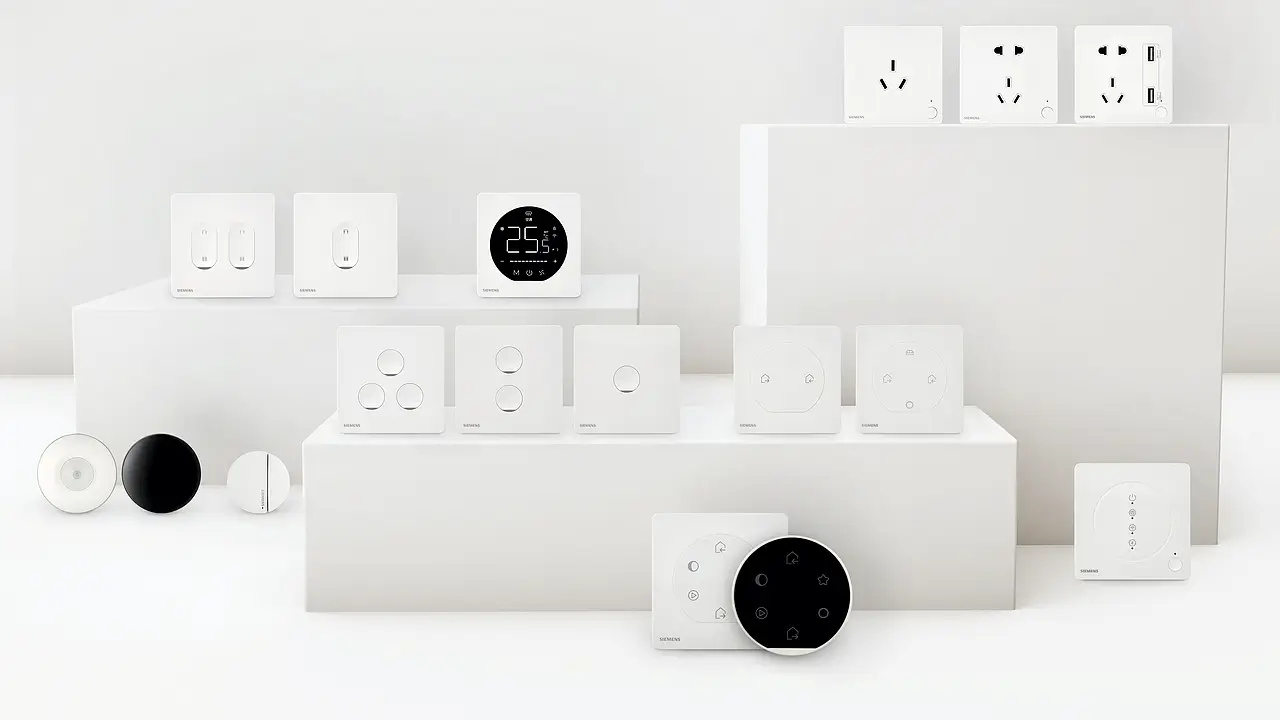
Smart home products require industrial design that seamlessly integrates technology into domestic environments. Successful designs balance technological capability with approachability and aesthetic compatibility with varied interior design styles. The creation of SIEMENS smart home C-end category products achieved category innovation through strategic industrial design that enabled a new product line to achieve one billion in growth within one year through familiarization and industry leadership.
Medical and healthcare products present unique industrial design challenges combining stringent regulatory requirements, clinical usability demands, and emotional sensitivity. Industrial designers working in healthcare must understand medical workflows, patient psychology, clinical ergonomics, and regulatory constraints while creating products that inspire confidence and enable effective care delivery.
Industrial equipment requires designs that prioritize functionality, durability, and operational efficiency while projecting professional quality and brand values. Successful industrial designs for B2B applications often emphasize serviceability, modularity, and total cost of ownership rather than purely aesthetic considerations.
The most valuable contract manufacturing industrial design services seamlessly integrate design creativity with manufacturing realities. This integration begins during early concept development, where industrial designers consider manufacturing processes, tooling requirements, assembly sequences, and material properties as creative constraints that guide rather than limit innovation.
DFM optimization represents ongoing collaboration between industrial designers and manufacturing engineers. Key optimization areas include part consolidation to reduce assembly costs, draft angle optimization for efficient mold release, wall thickness consistency to prevent warping and sink marks, and feature placement considering mold construction and cost.
Material selection profoundly impacts both design expression and manufacturing cost. Expert industrial designers understand the manufacturing characteristics, cost implications, sustainability considerations, and aesthetic possibilities of diverse materials from commodity plastics to advanced composites. Strategic material selection can achieve premium aesthetics at mid-market costs or enable innovative functionality through material properties.
Finish specification requires balancing aesthetic goals with manufacturing capabilities and costs. Texture specification affects mold cost and maintenance, color consistency challenges vary by material and process, assembly marks and gate locations must be strategically positioned, and secondary finishing operations add cost that must justify value.
Evaluating contract manufacturing industrial design services requires appropriate success metrics beyond subjective aesthetic judgment. Market performance metrics including sales velocity compared to forecasts, market share gains in target segments, price premium sustainability versus competitors, and customer satisfaction scores provide objective validation.
Manufacturing efficiency indicators reveal how effectively industrial design supports production goals. Target metrics include first-pass yield rates exceeding 98%, manufacturing cost versus targets, assembly time and complexity, and warranty and return rates related to design issues. Leading contract manufacturers achieve defect rates of 500-1000 PPM through rigorous design and manufacturing integration.
Development efficiency metrics assess process effectiveness including time from concept to production, number of design iteration cycles, tooling modification requirements, and regulatory approval timelines. Top providers can deliver functional prototypes in 6 weeks through parallel development approaches.
Design recognition through international awards like iF, Red Dot, IDEA, and Golden Pin provides third-party validation of design excellence. LKK has earned 592+ international design awards since 2004, demonstrating sustained excellence across diverse project types. While awards shouldn't drive design decisions, consistent recognition indicates design quality that resonates with expert evaluators.
Choosing the right contract manufacturing industrial design service requires evaluating multiple dimensions of capability and compatibility. Portfolio assessment provides essential insights—examine breadth across industries and product categories, depth of work in your specific sector, evidence of design innovation versus derivative work, and manufacturing outcomes, not just concept renderings.
Process maturity and collaboration approach significantly impact project experience and outcomes. Evaluate how potential partners structure their design process, integrate client feedback throughout development, collaborate with engineering and manufacturing teams, and handle challenges and setbacks. The best partnerships feel collaborative rather than transactional.
Manufacturing integration capability distinguishes contract manufacturing industrial design services from pure design studios. Assess partners' in-house manufacturing engineering capabilities, relationships with tooling and production vendors, experience optimizing designs for cost-effective production, and ability to support products through manufacturing launch.
Global capability matters for products targeting international markets. Leading providers maintain design studios across major markets (North America, Europe, Asia), understand regional aesthetic preferences and regulatory requirements, and can coordinate design with distributed manufacturing. LKK operates 13 city centers across China plus international presence in Mexico, Colombia, India, Thailand, Vietnam, Malaysia, and Singapore.
Contract manufacturing industrial design services deliver measurable business value that extends well beyond aesthetic improvement. Revenue impact emerges through price premium enabling (well-designed products command 15-30% price premiums), market share gains from superior user appeal, accelerated adoption reducing time to profitability, and brand equity building supporting long-term positioning.
Cost reduction opportunities include DFM optimization reducing manufacturing costs by 20-25%, part consolidation lowering assembly costs, strategic material selection optimizing cost-value balance, and quality improvements reducing warranty costs. Free DFM optimization resources from leading providers identify these opportunities early in development.
Risk mitigation value includes user validation reducing market acceptance risk, manufacturing optimization preventing production delays, regulatory expertise avoiding compliance failures, and IP protection safeguarding innovations. Providers with 100% client IP ownership and zero breaches over 20+ years demonstrate effective protection.
Strategic differentiation benefits encompass brand strengthening through consistent design language, competitive positioning through distinctive aesthetics, category innovation creating new market opportunities, and customer loyalty building through superior user experiences. The creation of 100+ future-proof categories demonstrates this innovation capability.
The contract manufacturing industrial design landscape continues evolving in response to technological, social, and environmental forces. Sustainability integration now fundamentally shapes industrial design decisions including circular economy principles guiding material selection and design for disassembly, life cycle assessment informing design choices, sustainable material innovation enabling new aesthetic possibilities, and energy efficiency considerations influencing product architecture.
Digital-physical integration increasingly defines product experiences as connected devices blur boundaries between hardware and software. Industrial designers must now consider screen-based interfaces, voice interaction, sensor integration and data display, and ecosystem compatibility across multiple touchpoints.
AI-assisted design tools augment designer capabilities through generative design exploring vast solution spaces, performance simulation validating designs virtually, automated DFM analysis identifying manufacturing issues, and customization enabling mass personalization.
Cultural and demographic shifts influence design priorities including aging population considerations, cross-cultural design for global markets, inclusive design serving diverse user abilities, and emerging market preferences driving new aesthetic languages.


We use cookies to ensure that we give you the best experience on our website. By clicking "Accept All", you consent to our use of cookies. Learn more.
Please fill out the form and we'll get back to you shortly.

Your submission has been received !
Thank you for your submission.
We will get back to you within 24 hours and appreciate your patience.
Enter your details to receive the toolkit for free.