

 Home /
 Rapid Tooling for Low-Volume Injection Molding | Faster Development


Rapid Tooling for Low Volume Injection Molding: A Faster Route from Prototype to Production
The introduction of a new product into the market is seldom a straight path. Designs are developed, testing provides new needs, and production plans are frequently revised before mass production. In the case of companies that are creating plastic components, months of waiting to receive the traditional production tooling may slow down the process and add costs.
- This is the reason why rapid tooling for low-volume injection molding is nowadays used by many manufacturers. It provides a viable transition between prototyping and full-scale production, enabling businesses to test designs, gauge market demand, and manufacture functional components without investment in costly high-volume tooling.
- In the case of startups, product developers, and even established manufacturers, rapid tooling provides a flexible method to speed up development and minimize financial risk.
What is Rapid Tooling?
Rapid tooling for low-volume injection molding is the fast design and production of molds to be injected. Manufacturers do not invest in hardened production tools, which are optimized to produce hundreds of thousands of cycles, but instead produce tooling that is optimized to produce lower volumes of production and deliver them more quickly. The objective is to create production-quality plastic components in a shorter time and with a lower initial capital. An average rapid tooling process can include:
• CAD model review
• Mold design optimization
• Tool fabrication
• T1 sample production
• Part validation
• Low-volume production runs
• Engineering improvements
This methodology facilitates product development with the delivery of real molded parts much earlier in the project life cycle.
Importance of Low-Volume Injection Molding
Numerous products do not need to be mass-produced immediately. Companies may require:
• Design verification parts
• Functional prototype parts
• Pilot production units
• Market testing production
• Engineering validation samples
• Customer demonstration units
• Regulatory testing samples
• Pre-production inventory
This is where low-volume injection molding comes in handy. Manufacturers do not have to produce hundreds of thousands of parts; they can produce smaller amounts but with quality production grade. This enables teams to test actual performance before investing in full production tooling.
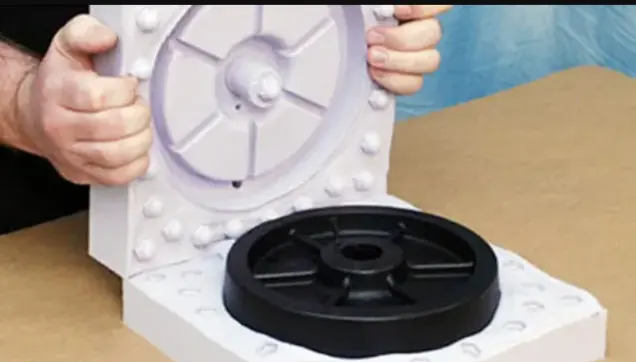
Tooling Materials and Their Effect
One of the most important decisions in injection mold tooling is material selection. The mold material affects:
• Tool lifespan
• Manufacturing speed
• Tooling cost
• Surface quality
• Dimensional accuracy
• Production volume capability
Low-volume production and prototype manufacturing are usually done using aluminum molds. Benefits include:
• Faster machining
• Lower tooling costs
• Shorter lead times
• Easier modifications
• Suitable thermal conductivity
In most product development applications, aluminum injection molds provide a good tradeoff between speed and performance.
Soft Steel Tooling
Soft steel tooling may be used when a slightly higher production volume is needed, and it is more flexible and can offer higher durability. Soft steel tools are often chosen to:
• Bridge production
• Validation tooling
• Production intent tooling
• Extended low-volume manufacturing
This method promotes projects that can later move to hardened production tooling.
Rapid Tooling in Product Development
The development of modern products seldom proceeds directly between concept and mass production. In line with the prototyping capabilities of LKK, rapid prototyping assists teams to test functionality, manufacturability, aesthetics, and assembly performance before making final decisions on production investments. Their workflow focuses on iterative development, which enables detection of design improvements at the early stages of development by means of physical testing and validation.
This method assists in minimizing the risk of development and enhancing trust in the final production decisions.
Favoring Design Validation and Engineering Testing
Access to production-like components is one of the significant benefits of rapid tooling manufacturing. These parts can be used for:
• Mechanical testing
• Environmental testing
• Drop testing
• User evaluations
• Functional validation
• Assembly trials
• Regulatory certification
• Reliability testing
In contrast to additive manufacturing techniques, injection-molded parts act more like the end product. This renders engineering validation tooling especially handy when design choices need to be tested in actual operating circumstances.
Why Rapid Tooling is Advantageous to Startups?
Hardware startups often face unique challenges. Budgets are limited. The market demand can be unpredictable. The designs of products keep on changing. Investors often require working products before investing in larger production runs. Flexibility is helpful in startup manufacturing in such cases. Quick tooling assists startups:
• Reduce tooling investment
• Shorten development timelines
• Validate product-market fit
• Produce customer samples
• Support crowdfunding campaigns
• Conduct user testing
• Gather market feedback
• Design refinement before scaling.
This renders low-quantity injection molding as a viable solution for new companies.
Prototype to Production Without Starting Over
The first myth is that rapid tooling only aids prototypes. The fact is that, today, rapid tooling solutions can create high-quality parts that can be used commercially, particularly in short-run applications. Manufacturers often use:
• Prototype molds
• Validation tooling
• Production intent tooling
• Bridge production molds
• Pilot tooling
These are used to ensure continuity during development. The prototyping services offered by LKK facilitate this shift through CNC machining, vacuum casting, silicone molding, low-volume manufacturing, and production-focused validation procedures. This enables teams to transition through prototype testing to manufacturing preparation more easily. Instead of considering prototyping and manufacturing as two different processes, the process turns into a continuous development path.
Quick Tooling and Design Flexibility
The development of the product is seldom over with the initial prototype. Testing can reveal areas of improvement to engineers. Rapid tooling supports:
• Geometry refinements
• Feature adjustments
• Assembly improvements
• Material changes
• User experience enhancements
• Performance optimization
Due to the reduced tooling investment, changes can be frequently made more effectively than with hardened production molds. This flexibility is especially applicable when there is a need to develop tools quickly and in short-run manufacturing projects.
Conclusion
Learning, testing, and refining are the components of successful products. It can be slowed down and made more risky by waiting to have full production tooling in place before collecting real-world feedback. Rapid tooling for low-volume injection molding is a smarter way. It enables teams to test designs, produce production-quality parts, pilot production, and optimize products, without committing significant investments. Need to roll out a new product more quickly? Get in touch with LKK and learn about quick tooling solutions that can help to take ideas to production more quickly.
Contact Us



- 20+ Design Industries Serviced
- 200+ Product Categories
- 1,000+ Industry Leaders Served
- 10,000+ Products Successfully Launched

Founder and Chairman of LKK Design Group
Ready to get started? Connect with us today!
 Talk to Our Team