
 Home /
Industrial Design Case Study for Consumer Hardware: Three LKK Design Projects Explained


A successful Industrial Design Case Study for Consumer Hardware should address user needs with the engineering, manufacturing and verification processes. While looks are important, success in design goes beyond aesthetics into the domain of mechanical reliability and the integration of electronics, the selection of materials, and consistency in the manufacturing process.
At LKK Design, the following three projects illustrate different development challenges: securing a portable display, improving a gaming controller’s physical interaction, and adapting a projector to domestic interiors. Together, they show how design priorities change with the product and its operating environment.
Design Case 1: Mobile Pixels Notebook Expansion Screen
Design Challenge: Portability, Attachment, and Display Stability
Our Mobile Pixels solution resolved multiple problems related to multiuser devices: cost, reduction of screen flicker, and design of the case. We had to compromise by incorporating a thinner case to meet the demand for a more portable design.
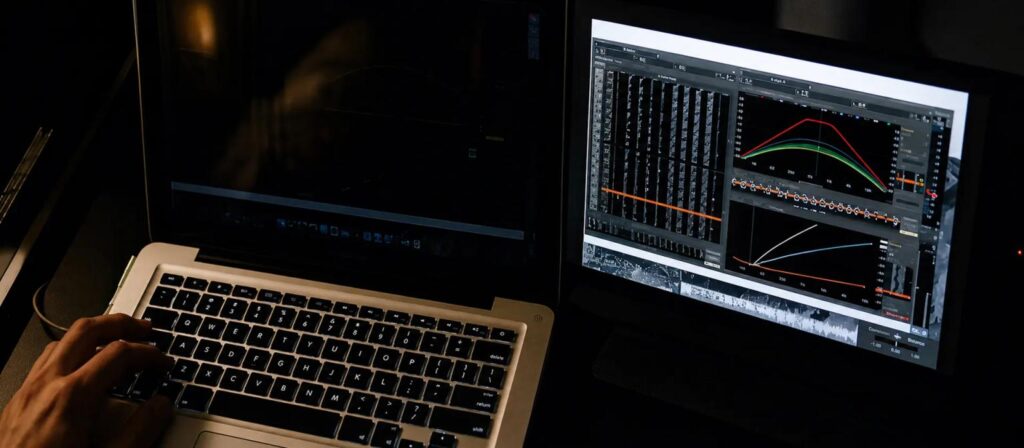
The above mentioned issues needed skills spanning multiple disciplines. The case geometry defined the types and locations of structural supports. The attachment and display stability embraced both mechanical and electrical design.
LKK Design‘s Design and Engineering Approach
The project outlines:
• Mechanical design: Optimization of magnetic materials and clever attachment and positioning hinge design.
• Electronic design: Redesign of the circuit board to allow for a stable display and efficient form factor.
• Preparation for manufacturing: Design for Manufacturing (DFM), tooling, and production tasks coordination.
For similar products, the assessment of the nature of the connection should distinguish pull-off and sliding, and rotational loads. A connection designed to stay connected during separation may allow movement during screen extension or adjustment.
Likewise, reducing enclosure thickness requires checking stiffness, component clearance, and thermal behavior together.
Manufacturing Lesson
This Industrial Design Case Study for Consumer Hardware demonstrates why reliability problems need component-level diagnosis. Changing the housing cannot resolve an underlying circuit problem.
Our case reports improved reliability and reduced cost, but does not disclose detailed yield or cost-saving percentages.
Design Case 2: ELO Mobile Gaming Controller
Design Challenge: Grip Comfort and Device Compatibility
A telescopic controller must accommodate different phones while maintaining grip comfort, control access, and mechanical stability. Extending its adjustment range also changes structural loading and the relationship between the user’s hands and controls.
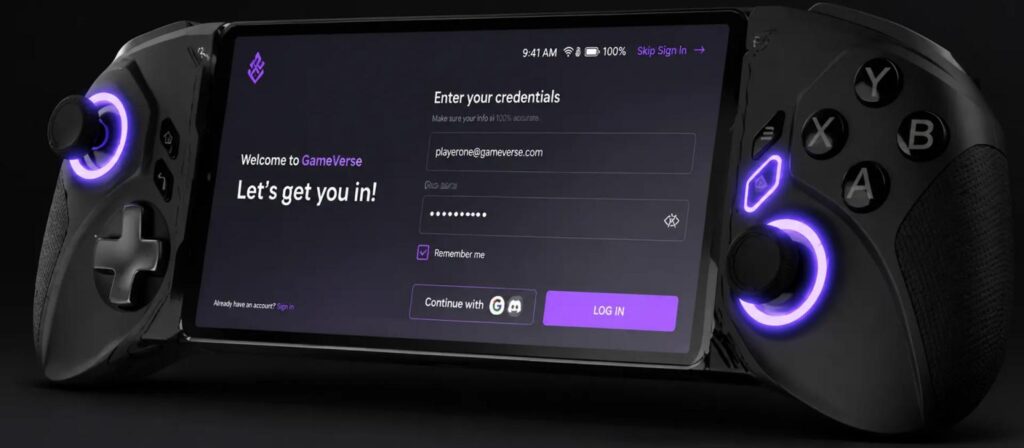
In our ELO project, development included ergonomic contours, an adjustable clamping mechanism, Hall-effect joysticks, and micro-switch buttons.
LKK Design’s Prototype and Testing Approach
The project used seven functional prototype rounds, including:
• Four-hour fatigue evaluations.
• Compatibility testing across more than 30 phone models and case types.
• In-game control assessments.
• App usability evaluation.
Feedback informed changes to stick tension, button travel, and clamping.
When comparing hardware, dimensions, case geometry, placement of connectors, and areas of mechanical interference must be compared along with screen diagonal to determine fit. Screen diagonal length does not dictate mechanical fit.
Engineering Lesson
An Industrial Design Case Study for Consumer Hardware should explain what each iteration resolves. Grip contours, button forces, and clamp behavior need evaluation as an assembled system.
The published project also describes pilot-production support and alternative sourcing plans for key components. These activities connect an approved prototype with repeatable production; seven prototype rounds remain a project-specific detail, not a universal requirement.
Design Case 3: Epson Home Projector
Design Challenge: Domestic Appearance Within an Enclosure Budget
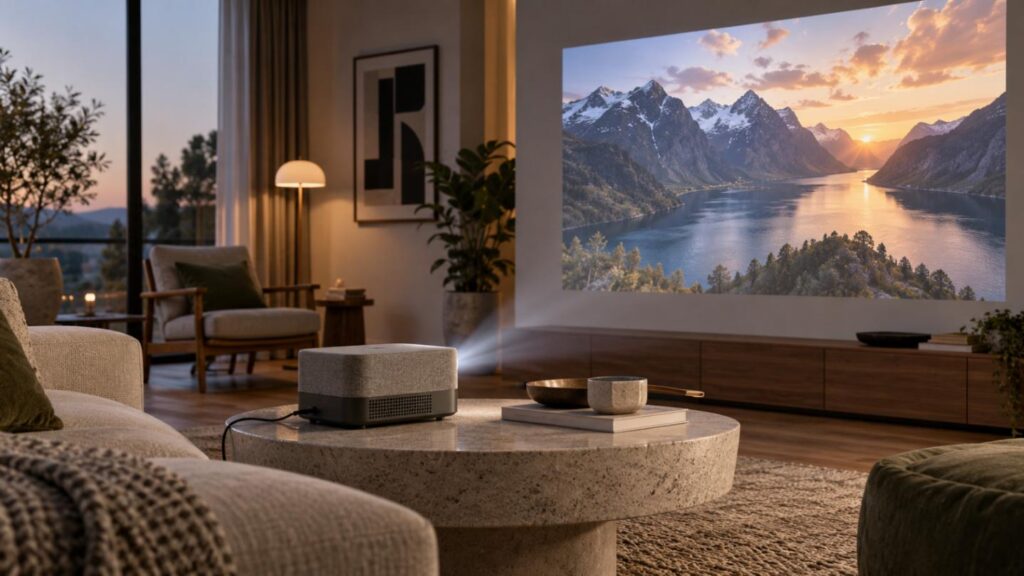
Our Epson projector project focused on the Chinese home market. The brief combined a limited housing budget with the need to make performance-oriented hardware visually appropriate for residential interiors.
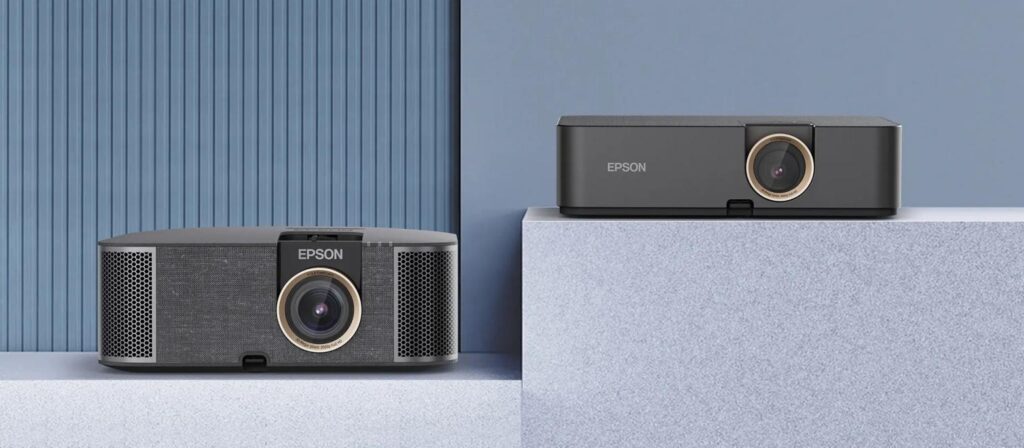
This required attention to both surface appearance and ventilation.
LKK Design’s Industrial Design Approach
The project describes user interviews, competitor analysis, and five design directions incorporating metal and fabric elements.
The design work connected:
• CMF: Color, material, and finish appropriate to home interiors.
• Enclosure economics: Appearance development within the housing budget.
• Ventilation integration: Treating cooling openings as part of the overall form.
For similarly designed products, consideration of decorative surface designs should include airflow, cleanability, and accessibility for cleaning and serviceability as well as assembly. Hiding ventilation requires maintaining a sufficient amount of functional clearance.
Validation Lesson
This Industrial Design Case Study for Consumer Hardware illustrates the relationship between visual integration and thermal requirements. Its public description does not provide temperature or acoustic test results; those measurements should be requested when evaluating production readiness.
Comparing the Design Decisions
The following framework extends the cases into general engineering comparisons; it does not imply every option was tested in each project.
| Decision | Option A | Option B | Evidence to Compare |
| Profile | Thinner, lighter enclosure | More structural and component space | Deflection, weight, temperature |
| Attachment | Magnetic release | Mechanical retention | Holding force, usability, compatibility |
| Assembly | Snap fits | Screws | Assembly time, tolerance sensitivity, repair |
| Finish | Decorative coating | Molded texture or material color | Wear, appearance, batch consistency |
| Components | Custom parts | Standard parts or modules | Space, development cost, sourcing |
| Production process | Lower initial tooling investment | Greater tooling investment | Forecast volume, unit cost, launch timing |
Before tooling, review wall transitions, ribs, draft, parting lines, and tolerance accumulation. Compare total cost, including finishing, assembly, inspection, and rework.
Prototype evidence should also match the decision: appearance models support ergonomic review; functional prototypes support performance testing; production-representative builds assess actual materials, tooling, and assembly consistency.
Applying These Lessons to Your Product
An Industrial Design Case Study of Consumer Hardware should describe how decisions align with measurable requirements. Define user tasks along with assumptions about cost and volume, launch expectations, and destination-market constraints. Publish release drawings of controlled components, inspection and change limits, and approved components prior to production.
Refer to the consumer hardware case studies on LKK Design. We will provide guidance to define specifications of your product in order to align the expectations of design, engineering and manufacturing.
FAQs
Q1. What Consumer Hardware Projects Has LKK Design Worked On?
LKK Design’s projects include the Mobile Pixels notebook expansion screen, ELO mobile gaming controller, and Epson home projector. These cases illustrate different challenges in portability, ergonomics, electronic integration, and enclosure design.
Q2. What Information Should I Prepare Before Discussing a Project With LKK Design?
Prepare your target users, main use cases, desired functions, approximate dimensions, target cost, expected production volume, and launch schedule. Existing CAD files, prototypes, user feedback, and destination-market requirements help define the development scope.
Q3. Can LKK Design Improve an Existing Consumer Hardware Product?
Yes. LKK Design’s Mobile Pixels case describes improvements to an existing product’s magnetic attachment, display stability, and production cost. A redesign brief should identify known failures, user complaints, and constraints on changing components or tooling.
Q4. How Does LKK Design Connect Industrial Design With Engineering?
LKK Design’s projects combine industrial design with mechanical and electronic development. In the Mobile Pixels project, the work included enclosure and attachment development alongside PCBA redesign, helping connect the physical product experience with functional reliability.
Q5. How Does LKK Design Evaluate Ergonomics and Device Compatibility?
In the ELO controller project, LKK Design used functional prototypes, four-hour fatigue evaluations, and compatibility testing across more than 30 phone models and case types. Testing for a new project should reflect its intended users, devices, and operating conditions.
Contact Us



- 20+ Design Industries Serviced
- 200+ Product Categories
- 1,000+ Industry Leaders Served
- 10,000+ Products Successfully Launched

Founder and Chairman of LKK Design Group
Ready to get started? Connect with us today!
 Talk to Our Team