
 Home /
 How Do I Get a Product Prototype Made Right



How Do I Get a Product Prototype?
Founders and innovators often ask, “How do I get a product prototype without wasting time and budget?” The answer is to treat prototyping as part of a structured product development process, not as a one-off model.
LKK Innovation Design Group has delivered thousands of prototypes across consumer electronics, IoT, and medical devices, many of which evolved into award-winning and market-leading products. By combining industrial design, engineering, and contract manufacturing, LKK helps teams build prototypes that actually de-risk mass production.
For a deeper dive into startup-friendly prototyping paths, see LKK’s startup product development services guide. You can also explore our dedicated article on contract manufacturing and product prototype design.
Step 1: Clarify what you want to learn
Before asking any partner “how do I get a product prototype,” define the questions the prototype must answer. Common learning goals include:
- Will users understand and enjoy the core experience?
- Can the concept be engineered within target cost and size?
- What risks exist in structure, thermal management, or electronics?
- What certifications and regulations might apply?
LKK’s teams help startups turn loose ideas into clear product requirements and risk maps so that each prototype build has measurable objectives.
Step 2: Choose the right prototype type
Not all prototypes are the same. Selecting the wrong type can lead to misleading feedback or wasted funds.
Typical categories include:
Appearance prototypes
Focus on form, CMF, and perceived quality, without full functionality.
Functional prototypes
Prioritize core functions, often using development boards or simplified housings.
Engineering prototypes (EVT)
Integrate mechanical and electrical systems close to final architecture.
Design verification prototypes (DVT)
Validate user experience, reliability, and environmental performance.
Production verification prototypes (PVT)
Test assembly lines, yields, and inspection procedures.
LKK can help you plan a prototype roadmap that fits your budget and stage, combining 3D printing, CNC machining, and soft tooling where appropriate.
Step 3: Prepare design data and documentation
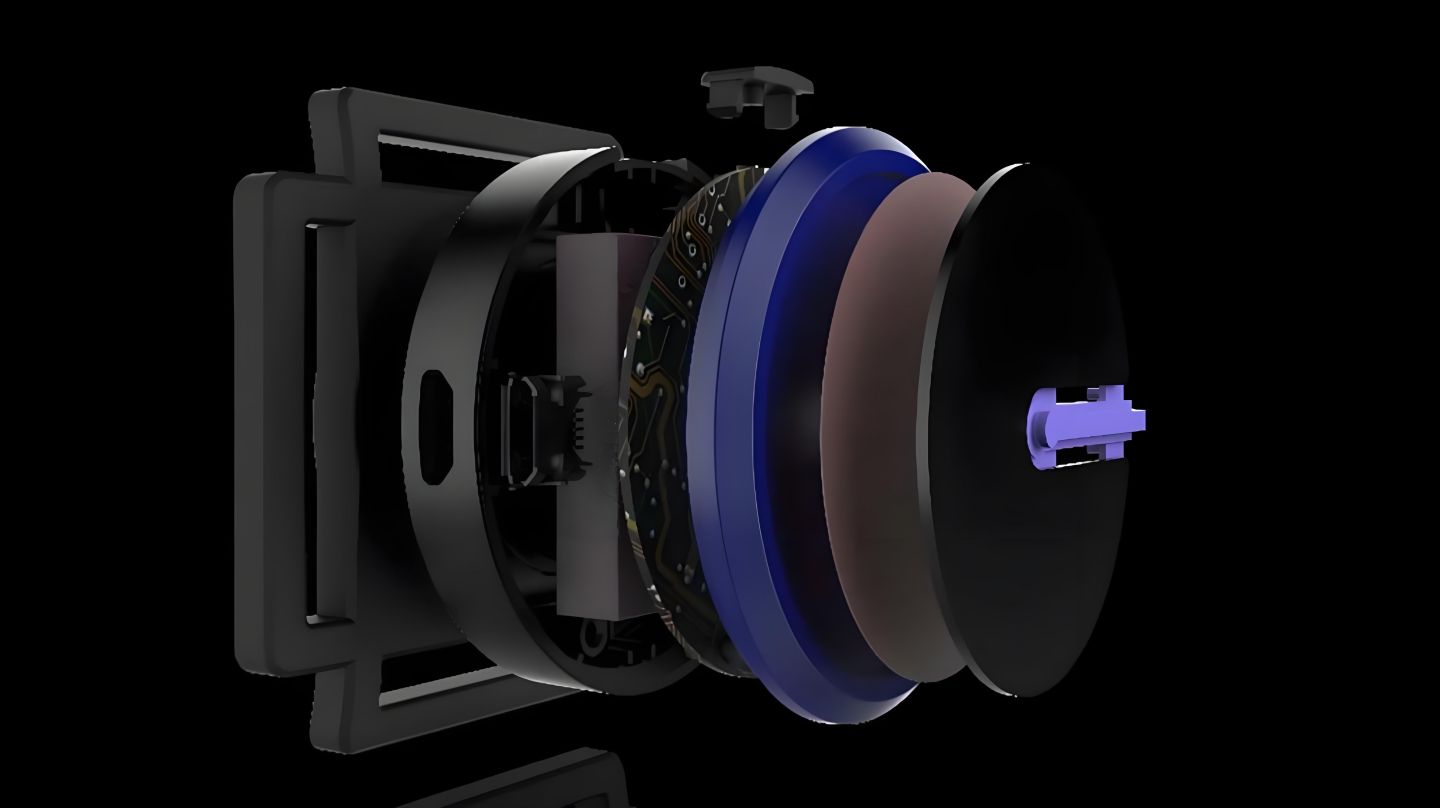
To get a product prototype, you need more than an idea; you need files. Depending on your stage, this may include sketches, 3D CAD models, PCB layouts, firmware, and a concise build brief that documents expectations.
LKK’s integrated design services cover industrial design, mechanical design, and electronics design, so early-stage teams can rely on one partner to generate and refine the necessary data. This reduces re-work and keeps all teams aligned on a single source of truth.
Step 4: Work with a design-to-manufacturing partner
While standalone prototype shops can build models, they rarely consider long-term manufacturability, certification, or supply chain. A design-to-manufacturing partner like LKK thinks ahead to volume production, making better decisions about materials, tolerances, and processes in the very first prototype.
LKK’s contract manufacturing capabilities span 12 core processes, such as injection molding, die casting, CNC, SMT assembly, and system integration. By engaging the manufacturing engineering team early, prototypes are better predictors of final cost and quality.
Step 5: Iterate based on structured testing
Each prototype build should be accompanied by a test plan. For example, you may run drop tests, thermal profiling, EMC pre-checks, user evaluations, or usability studies depending on your category.
LKK’s teams frequently conduct lab tests and user environment simulations during DVT and PVT stages, refining both design and processes. This iterative loop is where many award-winning products, including Red Dot and iF winners, were shaped and perfected.
Step 6: Plan the path from prototype to production
The biggest mistake teams make is stopping after a single prototype that “looks good” but has no clear path to manufacture. When you ask “how do I get a product prototype,” you should also ask “what will it take to scale this?”
LKK’s turnkey design services are built precisely to bridge this gap, supporting clients from concept through EVT-DVT-PVT to mass production and logistics. This reduces the risk of redesigns, delays, and unexpected costs when you move from prototype to factory.
Example: From medical prototype to market device
In the medical field, LKK has collaborated on complex devices such as mobile imaging systems and smart diagnostic equipment, where prototypes must satisfy strict ergonomic, hygiene, and regulatory standards.
Through coordinated industrial design, mechanical and electronics engineering, and close work with certified factories, these prototypes have grown into market-ready products with global certifications.
If you are ready to move from idea to your first serious prototype, visit LKK Design’s official website and explore how we can support your specific category and stage.
Contact Us



- 20+ Design Industries Serviced
- 200+ Product Categories
- 1,000+ Industry Leaders Served
- 10,000+ Products Successfully Launched

Founder and Chairman of LKK Design Group
Ready to get started? Connect with us today!
 Talk to Our Team