
 Home /
 Contract Manufacturing Mechanical Design Firm - Engineering Excellence

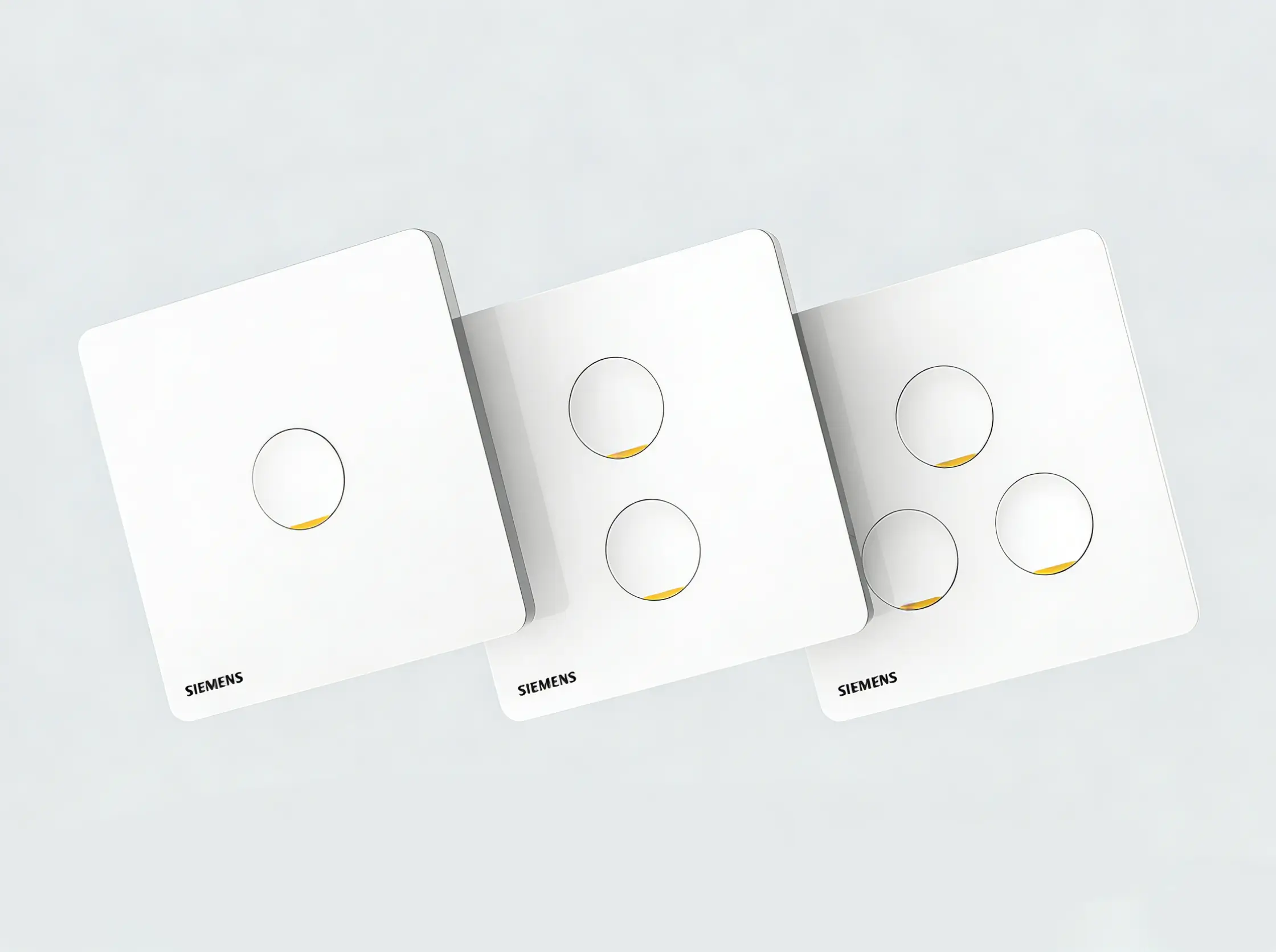
Table of Contents


Why Companies Partner with Contract Manufacturing Mechanical Design Firms
Mechanical design forms the structural foundation of nearly every physical product, determining durability, manufacturability, cost, and user experience. Contract manufacturing mechanical design firms offer specialized expertise that transforms conceptual ideas into robust, manufacturable products optimized for performance and production efficiency. This specialized discipline requires deep understanding of materials science, manufacturing processes, structural analysis, and system integration—capabilities that take years to develop and maintain.
The strategic value of partnering with an experienced contract manufacturing mechanical design firm extends beyond accessing engineering talent. Leading firms bring proven methodologies refined across thousands of projects, relationships with specialized manufacturers and suppliers, expertise in regulatory compliance and testing, and risk mitigation through comprehensive validation processes. These capabilities enable faster development cycles, lower total costs, and superior product outcomes compared to companies building these capabilities internally.
Core Mechanical Design Capabilities
Professional contract manufacturing mechanical design firms deliver comprehensive capabilities spanning the entire product development lifecycle.
Structural engineering and analysis
Structural engineering and analysis form the technical foundation, where mechanical engineers:
- Create detailed CAD models
- Conduct finite element analysis (FEA) to validate structural integrity
- Optimize designs for strength-to-weight ratios
- Ensure products withstand real-world operating conditions and abuse scenarios
Mechanism design and kinematics
Mechanism design and kinematics address products with moving parts, requiring expertise in:
- Bearing selection and lubrication
- Gear train design and optimization
- Linkage geometry and motion analysis
- Actuator sizing and integration
These specialized skills prove essential for products ranging from consumer appliances to medical devices and industrial equipment.
Thermal management
Thermal management represents a critical discipline as products become more powerful and compact. Expert mechanical engineers:
- Design heat sink and cooling solutions
- Conduct thermal simulation and analysis
- Optimize airflow and convection pathways
- Select appropriate materials for thermal conductivity
Poor thermal design leads to performance degradation, premature failure, and safety issues that damage brand reputation.
Design for Manufacturing and Assembly (DFMA)
Design for Manufacturing and Assembly (DFMA) distinguishes contract manufacturing mechanical design firms from pure engineering consultancies. Throughout the design process, engineers:
- Optimize part counts and assembly complexity
- Specify appropriate tolerances and surface finishes
- Select manufacturing-friendly geometries
- Design assembly sequences and fixturing
This manufacturing focus can reduce production costs by 20-25% compared to designs created without manufacturing expertise.
The Mechanical Design Development Process
Understanding how leading contract manufacturing mechanical design firms structure their development processes helps companies set appropriate expectations and plan effective engagements.
Requirements definition and specification
The process typically begins with requirements definition and specification, where engineers work with clients to:
- Establish functional requirements and performance targets
- Identify environmental and operating conditions
- Define regulatory and safety requirements
- Establish cost and timeline objectives
Concept engineering
Concept engineering follows, involving:
- Creation of multiple design approaches
- Preliminary analysis of feasibility and performance
- Trade-off studies comparing different solutions
- Concept selection based on established criteria
This phase prevents premature commitment to suboptimal approaches while exploring creative solutions to technical challenges.
Detailed design and analysis
Detailed design and analysis represents the core engineering phase where selected concepts transform into comprehensive specifications. Engineers:
- Create detailed 3D CAD models with full part definitions
- Conduct structural analysis validating strength and durability
- Perform tolerance stack-up analysis ensuring proper assembly
- Develop detailed drawings for prototyping and manufacturing
Leading firms leverage advanced simulation tools to validate designs virtually before building physical prototypes.
Prototyping and testing
Prototyping and testing validate analytical predictions through physical products. This includes:
- Rapid prototyping using 3D printing and CNC machining
- Functional testing under actual operating conditions
- Durability testing simulating product lifetime
- Design iteration addressing issues discovered during testing
The ability to deliver functional prototypes in 6 weeks enables rapid iteration and market validation.
Design for Manufacturing optimization
Design for Manufacturing optimization prepares designs for cost-effective production through:
- Mold design collaboration and DFM review
- Manufacturing process selection and optimization
- Tolerance optimization balancing performance and cost
- Supplier collaboration ensuring manufacturability
Comprehensive DFM analysis prevents costly production issues while identifying cost reduction opportunities.
Production support
Production support extends mechanical engineering value through manufacturing launch including:
- First article inspection and validation
- Production troubleshooting and optimization
- Quality issue root cause analysis
- Engineering change management
This continuity ensures smooth transitions from development to volume production.
Industry Applications and Technical Specializations
Contract manufacturing mechanical design firms serve diverse industries, each requiring specialized knowledge and approaches.
Consumer electronics
Consumer electronics demand:
- Compact, lightweight designs with complex assemblies
- Integrated thermal management for electronic components
- Drop and shock resistance for portable products
- Precision tolerances for aesthetic fit and finish
Medical devices
Medical devices require rigorous design approaches combining:
- Biocompatibility and sterilization considerations
- Human factors engineering for clinical usability
- Regulatory compliance with FDA and international standards
- Reliability requirements far exceeding consumer products
Mechanical designers working in medical applications must understand clinical workflows, patient safety requirements, and complex regulatory pathways.
Industrial equipment
Industrial equipment emphasizes different priorities including:
- Rugged construction for challenging environments
- Serviceability and maintainability over extended lifecycles
- Modular design enabling configuration flexibility
- Total cost of ownership optimization
Successful industrial mechanical designs balance initial cost with long-term operational efficiency.
Automotive and mobility applications
Automotive and mobility applications present unique challenges involving:
- High-volume production optimization
- Safety-critical performance requirements
- Vibration and fatigue resistance
- Integration with complex electronic and software systems
The development of connected vehicles and mobility solutions requires mechanical engineering expertise in emerging applications.
Smart home and IoT devices
Smart home and IoT devices combine consumer product expectations with technical complexity including:
- Sensor integration and environmental monitoring
- Wireless connectivity and antenna design
- Battery power management and charging
- Aesthetic integration into living spaces
LKK's work creating smart home category innovations that achieved one billion in growth within one year demonstrates expertise in this rapidly growing sector.
Advanced Engineering and Simulation Capabilities
Leading contract manufacturing mechanical design firms leverage advanced engineering tools and simulation capabilities that exceed what most companies can justify maintaining internally.
Finite Element Analysis (FEA)
Finite Element Analysis (FEA) enables virtual validation of structural designs including:
- Static stress analysis for load-bearing components
- Modal analysis for vibration and resonance evaluation
- Thermal analysis for heat transfer and cooling
- Fatigue analysis predicting product lifetime
Computational Fluid Dynamics (CFD)
Computational Fluid Dynamics (CFD) simulates fluid flow and heat transfer for applications involving:
- Airflow and cooling optimization
- Liquid containment and flow systems
- Aerodynamic performance
- Thermal management validation
These simulation capabilities reduce physical prototyping cycles while enabling optimization that would be impractical through trial-and-error approaches.
Tolerance analysis and stack-up studies
Tolerance analysis and stack-up studies ensure designs assemble properly despite manufacturing variations through:
- Statistical analysis of dimensional variation
- GD&T (Geometric Dimensioning and Tolerancing) application
- Assembly sequence optimization
- Selective assembly strategies when required
Proper tolerance analysis prevents costly production issues while avoiding unnecessarily tight specifications that increase manufacturing costs.
Design optimization algorithms
Design optimization algorithms enable systematic improvement of designs across multiple objectives including:
- Topology optimization for lightweight structures
- Parametric optimization for performance targets
- Multi-objective optimization balancing competing requirements
- Generative design exploring vast solution spaces
These advanced capabilities deliver designs that human engineers might never discover through conventional approaches.
Material Selection and Engineering
Strategic material selection profoundly impacts product performance, manufacturability, and cost. Expert contract manufacturing mechanical design firms maintain deep knowledge of material properties, manufacturing characteristics, and application suitability across diverse material families.
Engineering plastics
Engineering plastics offer versatile properties for countless applications with selection criteria including:
- Mechanical properties (strength, stiffness, impact resistance)
- Thermal properties (operating temperature range, thermal expansion)
- Processing characteristics (injection moldability, cycle time)
- Cost-performance optimization
Common materials range from commodity plastics like ABS and polypropylene to engineering grades like polycarbonate, nylon, and specialty polymers.
Metals
Metals provide superior strength, stiffness, and thermal properties for demanding applications including:
- Aluminum alloys for lightweight strength
- Steel alloys for high-strength applications
- Stainless steel for corrosion resistance
- Specialty alloys for extreme environments
Manufacturing process selection (casting, machining, stamping, extrusion) significantly impacts both performance and cost.
Advanced and composite materials
Advanced and composite materials enable performance impossible with conventional materials through:
- Carbon fiber composites for ultra-lightweight structures
- Glass-filled polymers enhancing stiffness and strength
- Specialty materials for unique property requirements
- Multi-material designs optimizing performance and cost
These materials typically require specialized processing knowledge.
Sustainable material considerations
Sustainable material considerations increasingly influence material selection including:
- Recycled content and recyclability
- Bio-based and renewable materials
- Lifecycle environmental impact
- Regulatory compliance (RoHS, REACH, etc.)
Leading contract manufacturing mechanical design firms help clients balance performance, cost, and sustainability objectives.
Quality Systems and Validation
Rigorous quality systems distinguish professional contract manufacturing mechanical design firms from basic engineering services.
Design validation and verification
Design validation and verification processes ensure products meet all requirements through:
- Design FMEA (Failure Modes and Effects Analysis)
- Design verification testing against specifications
- Validation testing in actual use conditions
- Reliability testing predicting field performance
These systematic approaches identify and address potential failures before products reach customers.
Regulatory compliance expertise
Regulatory compliance expertise proves essential for products in regulated industries. Leading firms maintain current knowledge of:
- Industry-specific standards and regulations
- Testing and certification requirements
- Documentation and traceability standards
- Global regulatory variations
Quality certification systems including ISO 9001, ISO 13485 (medical devices), ISO 14000 (environmental management), and TS16949 (automotive) demonstrate systematic quality management.
Manufacturing quality support
Manufacturing quality support extends mechanical engineering expertise to production including:
- Process FMEA for manufacturing operations
- Control plan development for critical characteristics
- Measurement system analysis for inspection processes
- Statistical process control implementation
This manufacturing quality focus ensures designs transition smoothly from development to volume production achieving defect rates as low as 500-1000 PPM.
Selecting the Right Mechanical Design Partner
Choosing an appropriate contract manufacturing mechanical design firm requires evaluating multiple dimensions of capability and compatibility.
Technical expertise and specialization
Technical expertise and specialization should align with project requirements—assess potential partners':
- Experience in relevant product categories
- Demonstrated capability in required engineering disciplines
- Simulation and analysis tools available
- Portfolio demonstrating technical depth
Manufacturing integration capability
Manufacturing integration capability separates contract manufacturing mechanical design firms from pure engineering consultancies. Evaluate:
- In-house prototyping capabilities (3D printing, CNC machining)
- Relationships with tooling and manufacturing vendors
- Experience optimizing designs for volume production
- Ability to support products through manufacturing launch
LKK's network of 5,000+ supply chain partners across comprehensive manufacturing capabilities demonstrates this integration.
Global capabilities
Global capabilities matter for products targeting international markets including:
- Understanding of regional regulatory requirements
- Ability to coordinate with distributed manufacturing
- Access to global supply chains
- International project management experience
Firms with operations across 13+ cities and international presence offer advantages for global product launches.
Process maturity and communication
Process maturity and communication significantly impact project experience and outcomes. Assess how potential partners:
- Structure their engineering process
- Integrate client feedback throughout development
- Manage changes and iterations
- Handle technical challenges and setbacks
The best partnerships feel collaborative with transparent communication.
Intellectual property protection
Intellectual property protection remains critical when sharing confidential product information with external partners. Verify:
- Comprehensive NDA and confidentiality agreements
- Secured development environments with data encryption
- 100% client ownership of resulting IP
- Track record without IP breaches
Leading firms with zero IP breaches over 20+ years demonstrate effective protection mechanisms.
ROI and Business Value
Contract manufacturing mechanical design firms deliver measurable business value extending beyond engineering deliverables.
Development acceleration
Development acceleration reduces time-to-market through:
- Parallel engineering and manufacturing development
- Rapid prototyping and iteration
- Avoidance of time-consuming mistakes
- Streamlined regulatory approval processes
Leading firms cut development timelines by 30% through proven processes.
Cost optimization
Cost optimization opportunities include:
- DFM-driven manufacturing cost reduction of 20-25%
- Part consolidation lowering assembly costs
- Strategic material selection optimizing cost-performance balance
- Quality improvements reducing warranty and return costs
Free DFM optimization resources identify these opportunities early when design changes are least expensive.
Risk mitigation
Risk mitigation value proves substantial including:
- Technical validation reducing performance risks
- Manufacturing validation preventing production issues
- Regulatory expertise avoiding compliance failures
- IP protection safeguarding innovations
These risk reductions prevent costly delays and failures.
Access to specialized expertise
Access to specialized expertise without full-time overhead provides financial flexibility including:
- Expert engineers across multiple disciplines
- Advanced simulation and analysis capabilities
- Established manufacturing relationships
- Regulatory and certification knowledge
This flexible access to specialized capability often proves more cost-effective than building internal teams.
Emerging Trends in Mechanical Design
The mechanical design landscape continues evolving driven by technological advancement and changing market requirements.
Additive manufacturing transformation
Additive manufacturing transformation increasingly impacts mechanical design through:
- Design freedom enabling complex geometries
- Rapid prototyping accelerating development cycles
- Low-volume production enabling customization
- Topology-optimized structures maximizing performance
Mechanical engineers must now design for both traditional and additive processes.
Smart product integration
Smart product integration requires mechanical designs accommodating:
- Sensor integration and data collection
- Wireless connectivity and antenna placement
- Battery and power management systems
- Thermal management for electronics
The boundaries between mechanical and electrical design blur as products become more intelligent.
Sustainability imperatives
Sustainability imperatives reshape mechanical design priorities including:
- Circular economy and design for disassembly
- Material efficiency and lightweighting
- Energy efficiency in operation
- End-of-life considerations
These sustainability considerations increasingly influence purchasing decisions and regulatory requirements.
AI and simulation advancement
AI and simulation advancement enhances mechanical design capabilities through:
- Generative design exploring vast solution spaces
- Real-time simulation enabling rapid iteration
- Predictive analytics optimizing reliability
- Automated DFM analysis
These tools augment rather than replace human engineering judgment.
Contact Us



- 20+ Design Industries Serviced
- 200+ Product Categories
- 1,000+ Industry Leaders Served
- 10,000+ Products Successfully Launched

Founder and Chairman of LKK Design Group
Ready to get started? Connect with us today!
 Talk to Our Team