
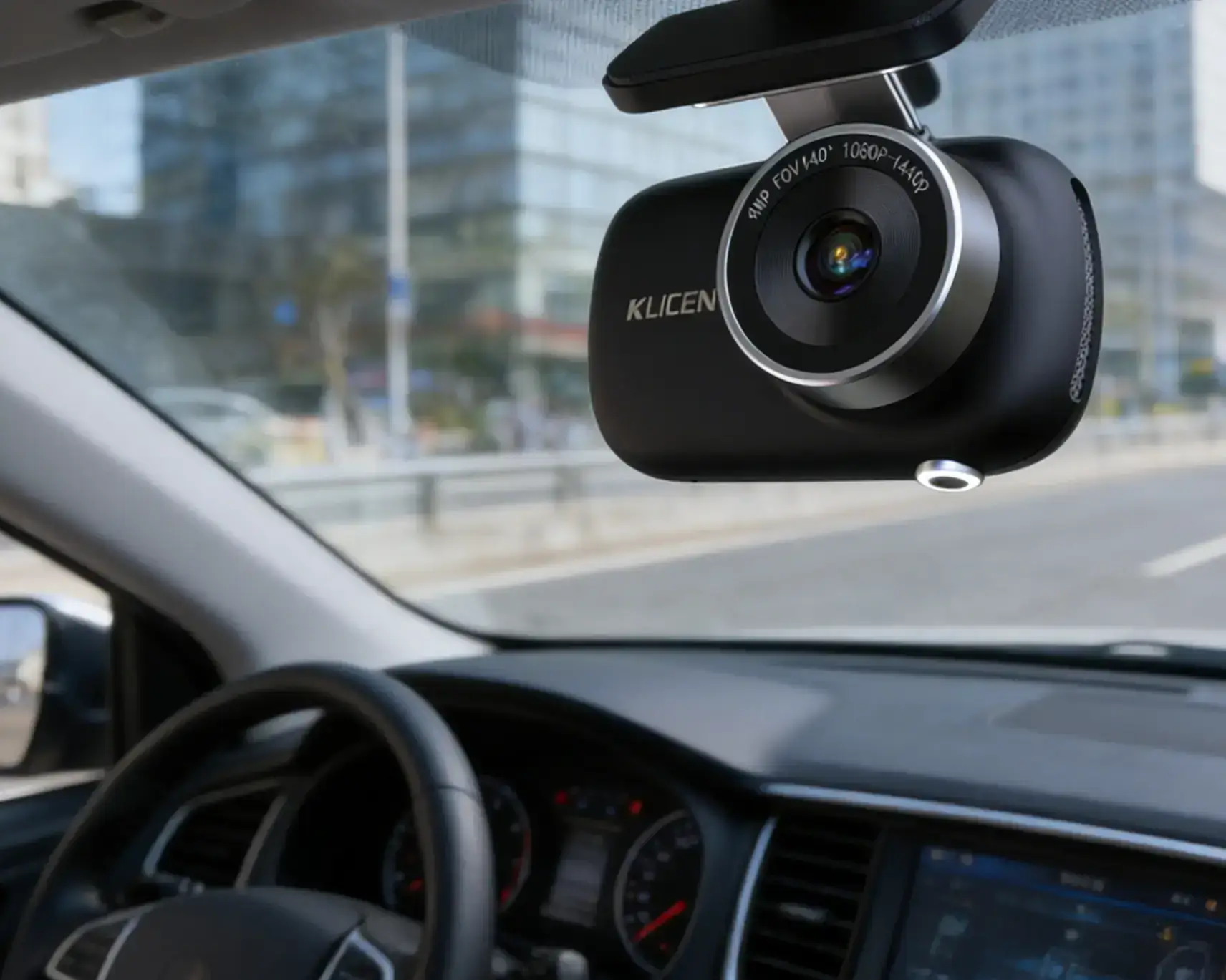
A Smart Dash Cam designed for Klicens

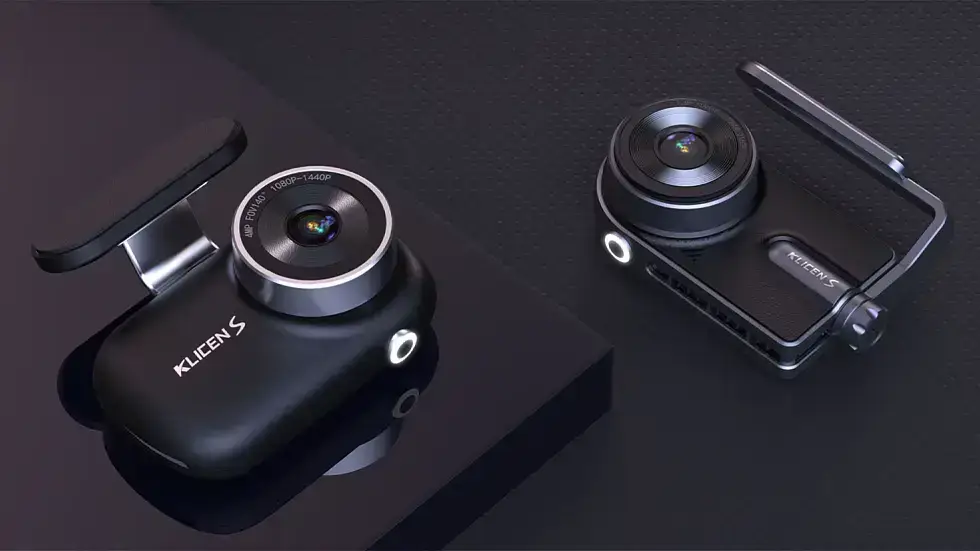
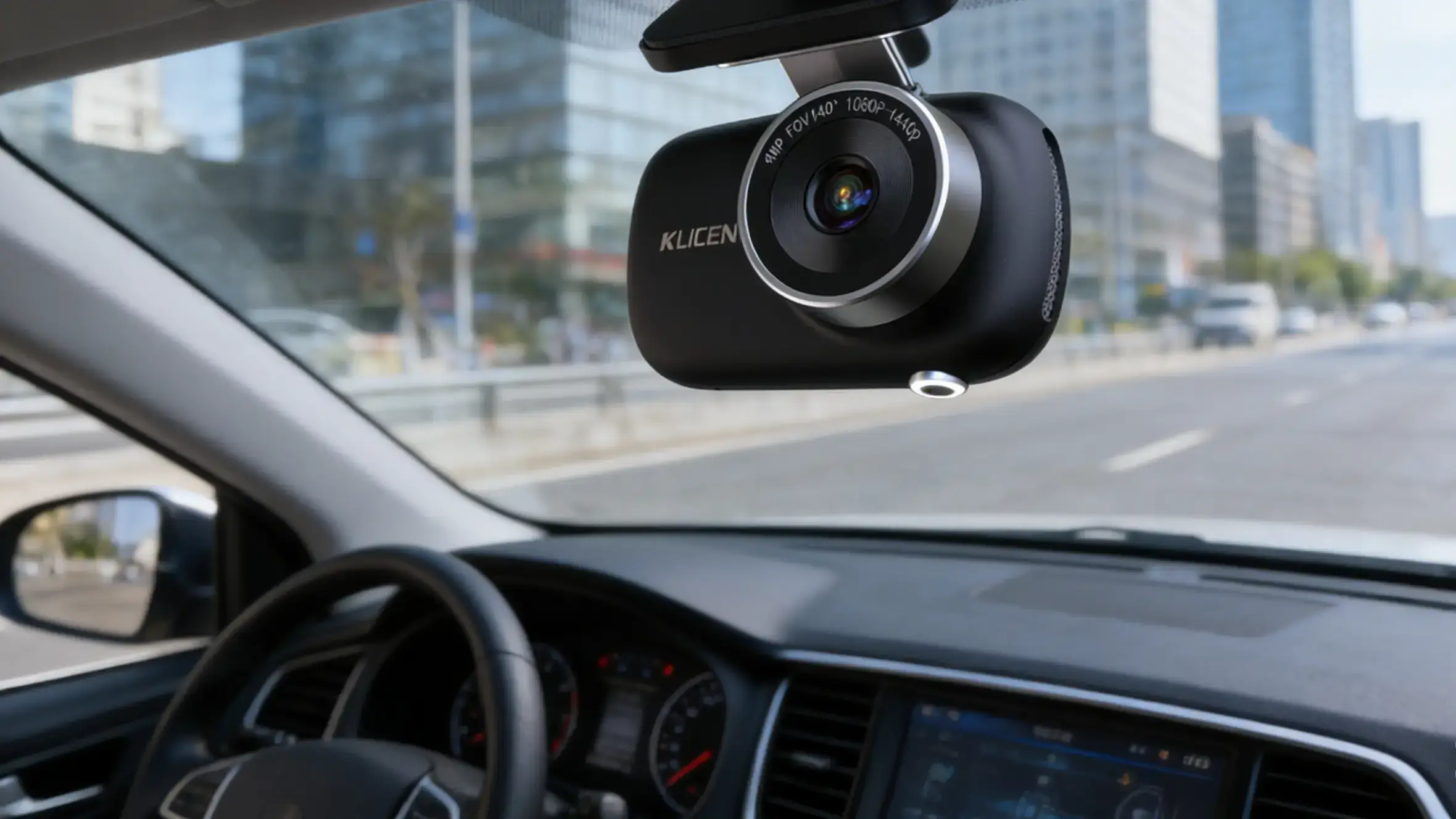
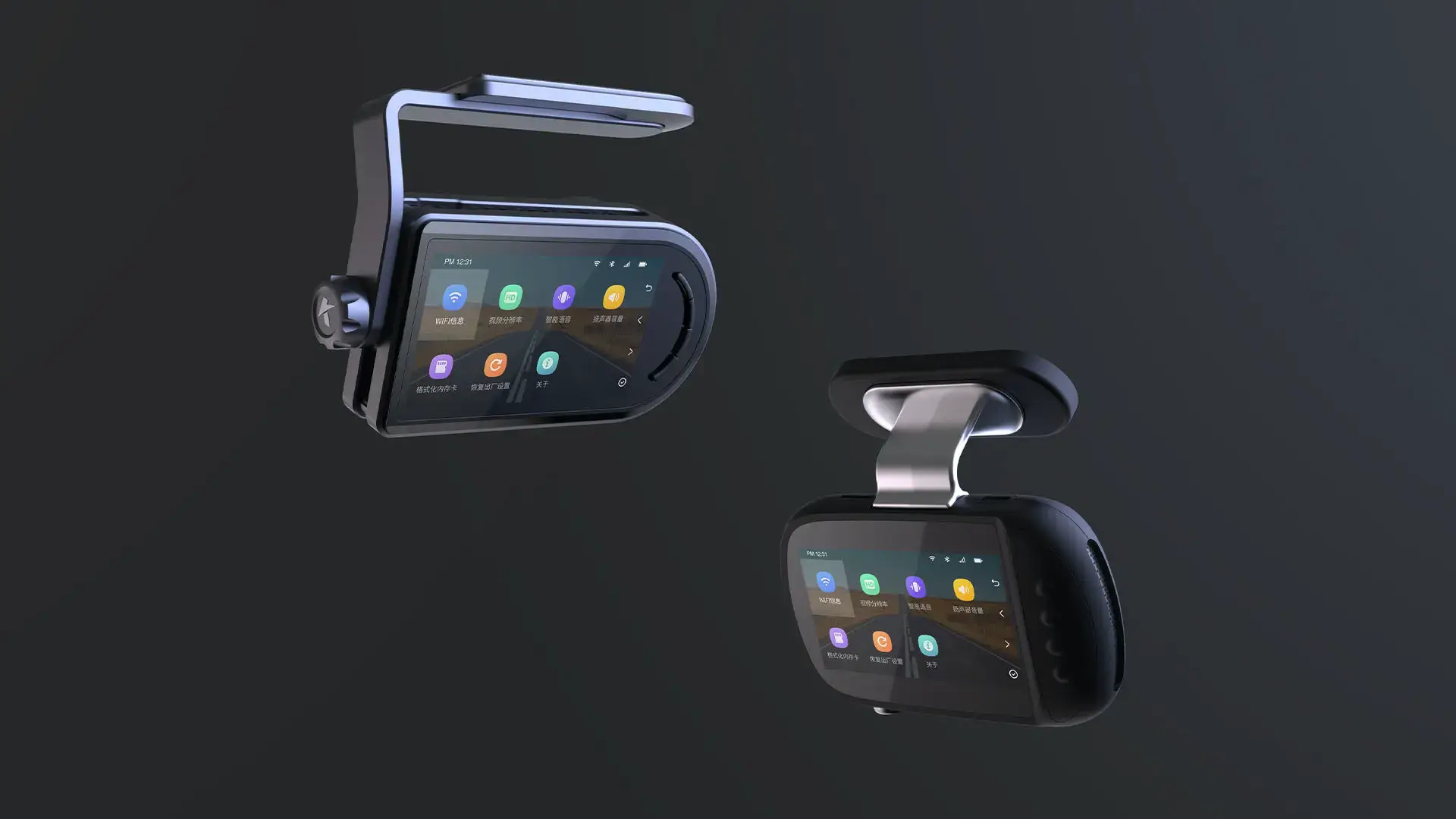
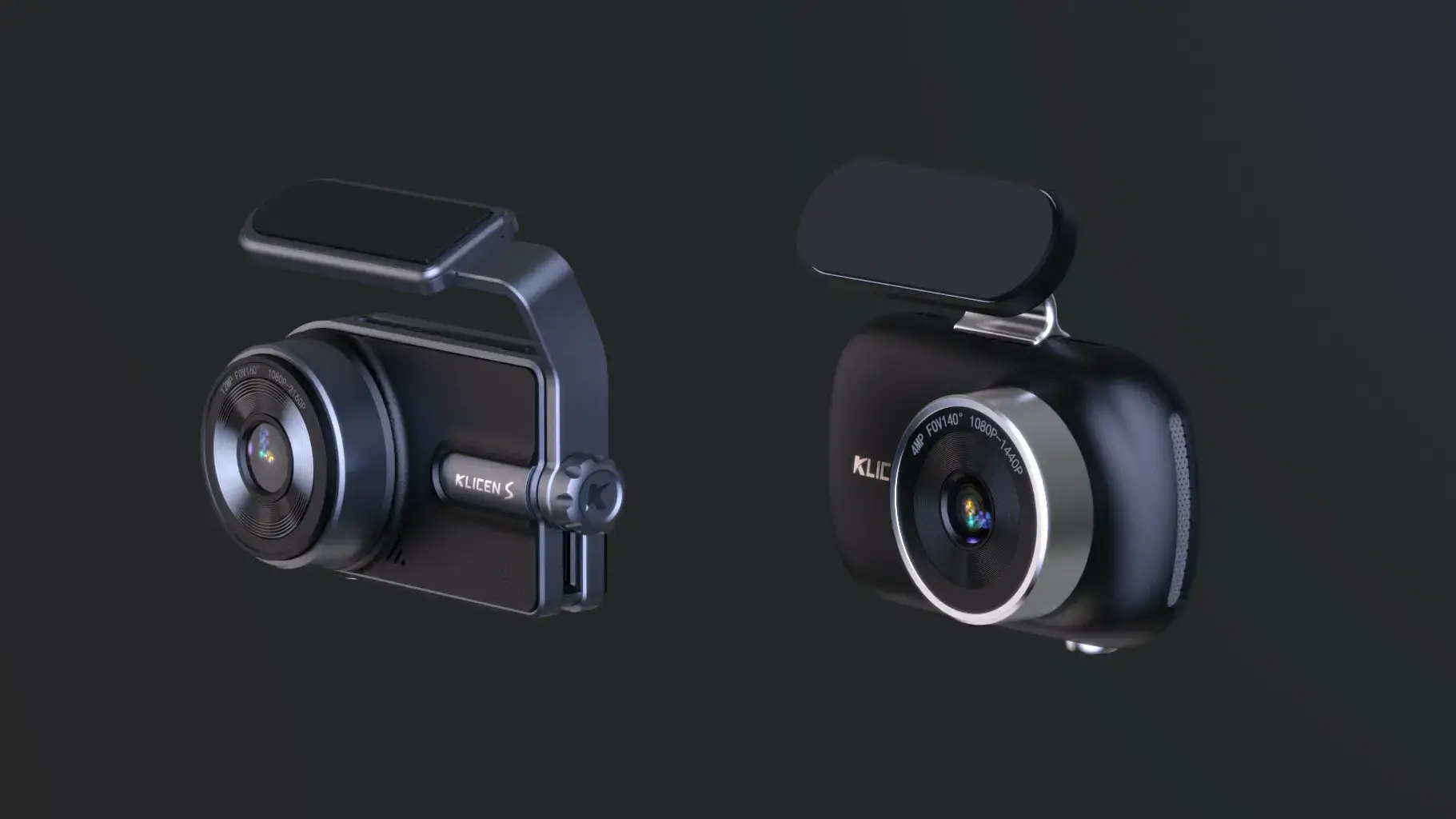

The dash cam market has long been dominated by devices that prioritize basic functionality over user experience. When Klicens approached LKK Design, they recognized an opportunity to create a differentiated product that would address fundamental gaps in the market. Through comprehensive product research, the design team identified three persistent problems affecting user satisfaction with existing dash cam products:
Inadequate Functional Performance: Most dash cams on the market suffer from poor image quality, making it impossible to capture critical details like license plates or road signs. Beyond recording limitations, these devices lack intelligent features and integrated services that could provide real value to drivers in both everyday use and emergency situations.
Poor Integration with Vehicle Interiors: Traditional dash cam design has consistently failed to consider the automotive environment. Devices appear as obvious aftermarket additions with their bulky forms and dated aesthetics, creating visual discord within carefully designed car interiors. This oversight in product styling negatively impacts the overall driving experience.
Underdeveloped User Interaction: The human-machine interface of conventional dash cams receives minimal attention during the product design process. Button placement, feedback mechanisms, and overall usability feel like afterthoughts rather than integral components of the product experience, resulting in devices that frustrate rather than assist users.

Based on these insights, the LKK product development team formulated a comprehensive design strategy focused on creating an intelligent, secure, and visually harmonious driving companion. The resulting product concept introduces several breakthrough features that redefine what a dash cam can offer:
Space-Optimized Product Engineering: Breaking away from conventional dash cam form factors, the design team applied advanced product design principles to achieve an ultra-compact footprint without compromising performance. This meticulous approach to product engineering enables the device to complement rather than compete with diverse vehicle interior designs, appearing as a natural extension of the original cabin aesthetic.
Integrated Safety Innovation: The product represents a significant advancement in vehicle safety device design through its proprietary collision detection and rapid response system. The most distinctive feature—a strategically positioned one-touch SOS button—exemplifies thoughtful product interaction design. In emergency situations, drivers can instantly alert pre-configured contacts and service providers with their precise location, potentially reducing rescue times when every second counts.
Continuous Protection Architecture: Through sophisticated product development in both hardware and software, the system extends protection beyond driving sessions. The companion application enables customizable vibration alerts, transforming the device into a 24/7 vehicle security monitor. Users receive immediate notifications if their parked vehicle experiences any unexpected movement or impact, demonstrating how integrated product and service design can deliver continuous value.
Human-Centered Product Aesthetics: The final product design achieves a compelling balance between technological sophistication and user-friendly operation. Clean lines and premium surface finishing communicate professional-grade quality, while carefully considered interaction design ensures intuitive control. Every aspect of the product styling and interface has been optimized for the unique context of in-vehicle use, where simplicity and clarity are paramount.

The creation of this innovative dash cam exemplifies a complete product development lifecycle, where design, engineering, and manufacturing considerations are integrated from the earliest stages. LKK's methodology demonstrates how thorough product research and systematic development processes transform insights into market-ready solutions.
Effective product design begins with understanding users and their environments. The team conducted extensive product research to inform every subsequent decision:
Systematic Problem Identification: Through detailed analysis of existing product performance across multiple dimensions—including functional capabilities, aesthetic integration, and interaction quality—the team developed a comprehensive understanding of current market shortcomings and user frustrations.
Journey-Based Research Methodology: By deconstructing the complete user experience into discrete behavioral segments—from initial installation through daily operation to emergency scenarios—the team uncovered subtle requirements that traditional market research might miss. This thorough approach to product research revealed opportunities for meaningful innovation that would resonate with real-world users.
With a solid research foundation, the product design team began exploring formal possibilities:
Iterative Concept Development: Rather than pursuing a single direction prematurely, the team generated multiple design proposals exploring alternative approaches to aesthetics, functionality, and interaction. Each concept underwent rigorous evaluation against criteria including visual appeal, ergonomic performance, manufacturing feasibility, and cost targets.
Collaborative Design Selection: Working closely with Klicens stakeholders, the team conducted systematic trade-off analyses to identify the optimal balance among competing priorities. The selected design direction—characterized by its robust yet refined aesthetic—was chosen specifically for its ability to harmonize with diverse vehicle interiors while projecting technological sophistication.
Following concept selection, the product development process intensified with simultaneous attention to user interaction and internal architecture:
Physical Prototyping for Usability Validation: The team created full-scale appearance models specifically to evaluate and refine the human-machine interface. These prototypes enabled realistic assessment of button placement, tactile feedback, and visual indicators—details that significantly impact user satisfaction but cannot be adequately evaluated through digital representations alone.
Space-Optimized Mechanical Design: While exterior aesthetics received attention, equally intensive work addressed internal product engineering. The mechanical design team confronted the challenge of integrating high-performance optical components, electronic systems, sensors, power management, and the innovative emergency response mechanism within an exceptionally compact envelope—a testament to advanced product engineering capabilities.
The product's advanced capabilities required equally sophisticated electronic and software development:
Robust Hardware Architecture: Electronic product design focused on creating a reliable foundation for all intelligent features. The team specified high-performance imaging components, developed stable power management circuitry, and designed the hardware infrastructure necessary for collision detection and continuous monitoring functions.
Integrated Software Ecosystem: Parallel development of the companion application ensured seamless connectivity between the device and users' smartphones. The software design process addressed every user touchpoint, from initial pairing through notification configuration to emergency alert delivery, creating a cohesive experience that extends the product's value beyond the hardware itself.
Before committing to production tooling, comprehensive prototyping and testing validated every aspect of the design:
Multi-Stage Performance Verification: Engineering prototypes underwent rigorous testing against established performance criteria. Image quality under challenging lighting conditions, collision detection accuracy across varied impact scenarios, emergency communication reliability, and application connectivity stability were all verified through systematic evaluation.
Environmental Durability Assessment: Products were subjected to simulated in-vehicle conditions including extreme temperatures, prolonged vibration, and UV exposure. This comprehensive product testing ensured that the final design would maintain performance and appearance throughout years of real-world use. Each testing cycle generated insights that informed design refinements, with multiple iterations required before achieving all performance targets.
With design validation complete, attention shifted to manufacturing preparation:
Design for Manufacturability Optimization: The product design team collaborated closely with manufacturing engineers to review every feature for production efficiency. Material selection, wall thickness consistency, draft angles, and assembly sequences were all optimized to ensure consistent quality at production volumes while controlling manufacturing costs.
Precision Tool Development: High-accuracy injection molds were developed to reproduce the design's aesthetic and functional details across thousands of production units. This critical phase of product manufacturing required careful attention to dimensional tolerances and surface finish requirements established during the industrial design phase.
LKK's involvement extended through initial manufacturing to support successful product launch:
Manufacturing Ramp-Up Assistance: Design team members participated in first-article inspections and initial production runs, providing on-site support to resolve any issues arising during the transition to volume manufacturing. This collaborative approach to product manufacturing ensured that production challenges were addressed quickly without compromising quality.
Quality Assurance Collaboration: Working alongside Klicens quality teams, LKK participated in establishing inspection criteria and validating initial production output. This commitment to quality throughout the product manufacturing process ensured that every unit reaching customers would faithfully deliver the intended experience.

The comprehensive product development process delivered substantial value on multiple levels:
User Experience Value: Customers receive far more than a simple recording device. The product functions as an intelligent safety companion, providing continuous protection, emergency response capability, and peace of mind whether driving or parked. Its refined product aesthetics enhance rather than detract from the vehicle interior, while intuitive interaction design ensures all capabilities remain accessible when needed most.
Brand Differentiation Value: For Klicens, this product represents a successful strategic initiative to establish market leadership through superior product design and development. By offering capabilities unavailable from conventional alternatives—particularly the integrated safety features and continuous monitoring—the brand has created meaningful differentiation in a competitive category. The product has become a cornerstone of Klicens' transition from hardware provider to comprehensive mobility solutions partner, demonstrating how strategic investment in product design and development can transform brand perception and market position.
share





We use cookies to ensure that we give you the best experience on our website. By clicking "Accept All", you consent to our use of cookies. Learn more.
Please fill out the form and we'll get back to you shortly.

Your submission has been received !
Thank you for your submission.
We will get back to you within 24 hours and appreciate your patience.
Enter your details to receive the toolkit for free.
