
 Home /
 What Is Industrial Design? From Concept to Manufacturing

Table of Contents


Introduction to Industrial Design
Why Industrial Design Matters in Modern Product Development
In today’s highly competitive global market, product success is no longer determined by functionality alone. Businesses must deliver products that are intuitive to use, visually distinctive, cost-effective to manufacture, and aligned with real user needs. This is where industrial design plays a critical role.
Industrial design sits at the intersection of user experience, engineering feasibility, and business strategy. It transforms abstract ideas into tangible, manufacturable products that resonate with users while meeting commercial and technical constraints. For B2B companies developing complex hardware or industrial equipment, industrial design is not a cosmetic step—it is a strategic investment that directly influences product viability, development efficiency, and long-term brand value.
Industrial Design in B2B vs Consumer Markets
While industrial design is often associated with consumer electronics or lifestyle products, its importance in B2B industries is equally significant. In B2B contexts, industrial design focuses not only on aesthetics, but also on ergonomics, durability, usability in professional environments, and seamless integration with manufacturing processes. Well-executed industrial design can reduce operator error, improve workflow efficiency, and enhance product differentiation in highly technical markets.
What Is Industrial Design?
Formal Definition of Industrial Design
Industrial design is a professional discipline that focuses on the creation and development of concepts and specifications that optimize the function, value, and appearance of products and systems for both users and manufacturers. It integrates user research, design creativity, materials knowledge, and engineering collaboration to ensure products are both desirable and producible.
Core Objectives of Industrial Design
The primary goals of industrial design include:
- Translating user needs into intuitive product experiences
- Balancing aesthetics with functionality and ergonomics
- Ensuring manufacturing feasibility and cost efficiency
- Strengthening brand identity through consistent design language
- Reducing development risks through early validation
Industrial design is not an isolated activity; it influences nearly every stage of the product lifecycle.
Industrial Design vs Product Design: Clarifying Common Confusion
Industrial design is sometimes confused with product design. While the two overlap, industrial design places stronger emphasis on physical form, materials, manufacturing processes, and large-scale production. Product design may include broader considerations such as digital interfaces, service ecosystems, or business models. In hardware-driven industries, industrial design remains a foundational capability.
The Role of Industrial Design in the Product Lifecycle
From Idea to Market-Ready Product
Industrial design guides products from early conceptualization to production readiness. It helps validate ideas before significant resources are committed, ensuring that concepts are grounded in real user needs and technical feasibility.
How Industrial Design Influences Cost, Time, and Quality
Early-stage design decisions have a disproportionate impact on total product cost and development timelines. Effective industrial design reduces unnecessary complexity, anticipates manufacturing constraints, and minimizes late-stage engineering changes—all of which contribute to shorter development cycles and improved quality.
Industrial Design as a Bridge Between Users and Engineering
Industrial designers serve as translators between user expectations and engineering realities. By aligning human-centered insights with mechanical, electrical, and manufacturing requirements, industrial design ensures that products are both usable and buildable.
Key Elements of Industrial Design
User Research and Insight
User-centered design begins with understanding real-world behaviors, environments, and pain points. Through observation, interviews, and competitive analysis, industrial designers uncover insights that inform form, layout, and interaction.
Ergonomics and Human-Centered Design
Ergonomics ensures that products are comfortable, safe, and efficient to use. This is especially critical in professional and industrial environments, where poor ergonomics can lead to fatigue, errors, or long-term injury.
Aesthetics and Brand Language
Visual design communicates quality, reliability, and brand positioning. Industrial design helps establish a coherent design language that differentiates products while reinforcing brand identity across product lines.
Materials, CMF, and Manufacturing Constraints
Color, material, and finish (CMF) decisions affect not only appearance, but also durability, cost, and manufacturability. Industrial design integrates materials science with real production constraints to achieve optimal outcomes.
The Industrial Design Process Explained
Research and Insight Phase
This phase focuses on user behavior analysis and competitive benchmarking. Designers identify unmet needs, usability gaps, and opportunities for differentiation. The output is a clear design direction grounded in evidence rather than assumptions.
Concept Development
Based on research insights, multiple design concepts are developed through sketches, mood boards, and visual explorations. Presenting several distinct directions allows stakeholders to evaluate different approaches before committing to a single path.
3D Modeling and Visualization
Selected concepts are translated into detailed 3D models and high-resolution renderings. This stage helps validate proportions, assembly logic, and spatial relationships, while enabling early feedback from engineering and business teams.
CMF Design (Color, Material, Finish)
CMF design refines the product’s tactile and visual qualities. Designers evaluate material options, surface treatments, and color schemes to balance aesthetics, durability, and production feasibility.
Design for Manufacturing (DFM) Optimization
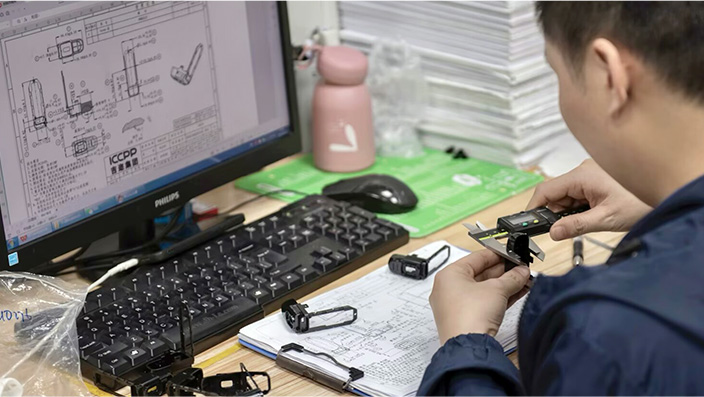
DFM ensures that designs can be efficiently manufactured at scale. This includes evaluating wall thickness, draft angles, tolerances, and assembly methods. Integrating DFM early reduces costly redesigns later.
Industrial Design and Manufacturing Feasibility
Why DFM Is Critical in Industrial Design
Designs that ignore manufacturing realities often fail during production. DFM aligns design intent with real-world manufacturing capabilities, ensuring that products transition smoothly from prototype to mass production.
Common Manufacturing Risks in Poor Industrial Design
Common risks include excessive part complexity, unrealistic tolerances, inefficient assembly processes, and material choices that increase cost or reduce reliability. Industrial design mitigates these risks through early analysis and cross-functional collaboration.
How Industrial Design Reduces Development Iterations
By identifying issues early, industrial design minimizes late-stage changes that disrupt schedules and budgets. Fewer iterations translate into faster time-to-market and more predictable outcomes.
Industrial Design vs Mechanical Design
Different Responsibilities, Same Goal
Industrial design focuses on user experience, form, and usability, while mechanical design ensures structural integrity, performance, and compliance. Both disciplines are essential and complementary.
How Industrial and Mechanical Design Work Together
Close collaboration between industrial and mechanical designers ensures that aesthetic intent does not compromise functionality, and that engineering solutions do not undermine usability or brand expression.
Benefits of Integrated Design Teams
Integrated teams reduce miscommunication, accelerate decision-making, and produce more cohesive products. This approach is particularly valuable for complex B2B hardware and industrial equipment.
Industries That Rely Heavily on Industrial Design
Consumer Electronics
Compact form factors, intuitive interfaces, and strong brand identity make industrial design essential in electronics.
Medical Devices
Industrial design improves usability, safety, and regulatory compliance in medical environments.
Industrial Equipment
Durability, ergonomics, and ease of maintenance are key drivers of industrial design in heavy-duty applications.
Smart Hardware and IoT Products
As hardware becomes more connected, industrial design ensures seamless interaction between physical and digital systems.
How to Choose the Right Industrial Design Partner
Key Capabilities to Evaluate
- User research and human-centered methodology
- Manufacturing knowledge and DFM expertise
- Cross-disciplinary collaboration
- Experience with similar product complexity
Questions B2B Buyers Should Ask
- How is manufacturing feasibility validated early?
- How are design decisions aligned with cost and timeline goals?
- What deliverables are provided at each stage?
Red Flags to Avoid
- Overemphasis on aesthetics without engineering input
- Lack of manufacturing understanding
- Limited experience with mass production
Why LKK Is a Trusted Industrial Design Partner
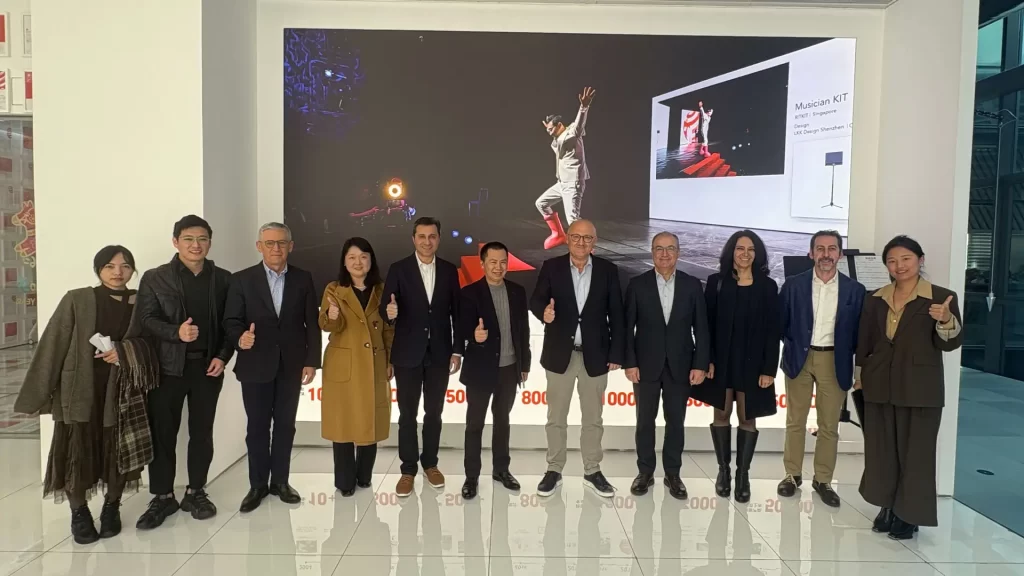
User-Centered Design Philosophy
LKK Innovation Design Group places users at the core of every project, ensuring products align with real-world behaviors and expectations.
End-to-End Design and Manufacturing Capability
From industrial design and mechanical engineering to DFM and contract manufacturing, LKK provides a seamless path from concept to production.
Global Experience and Industry Leadership
Founded in 2004, LKK is recognized as an industry leader, supporting clients across multiple global markets with complex product requirements.
From Concept Validation to Mass Production
By integrating design, engineering, and manufacturing expertise, LKK helps clients reduce risk, control cost, and accelerate time-to-market.
Conclusion
Industrial Design as a Strategic Business Investment
Industrial design is far more than product styling—it is a strategic tool that shapes usability, manufacturability, and market success. For B2B companies developing physical products, investing in professional industrial design delivers measurable returns across the entire product lifecycle.
Turning Ideas into Manufacturable, Market-Ready Products
When user insight, engineering rigor, and manufacturing feasibility come together, ideas become successful products. Industrial design makes that transformation possible.
Contact Us



- 20+ Design Industries Serviced
- 200+ Product Categories
- 1,000+ Industry Leaders Served
- 10,000+ Products Successfully Launched

Founder and Chairman of LKK Design Group
Ready to get started? Connect with us today!
 Talk to Our Team