

 Home /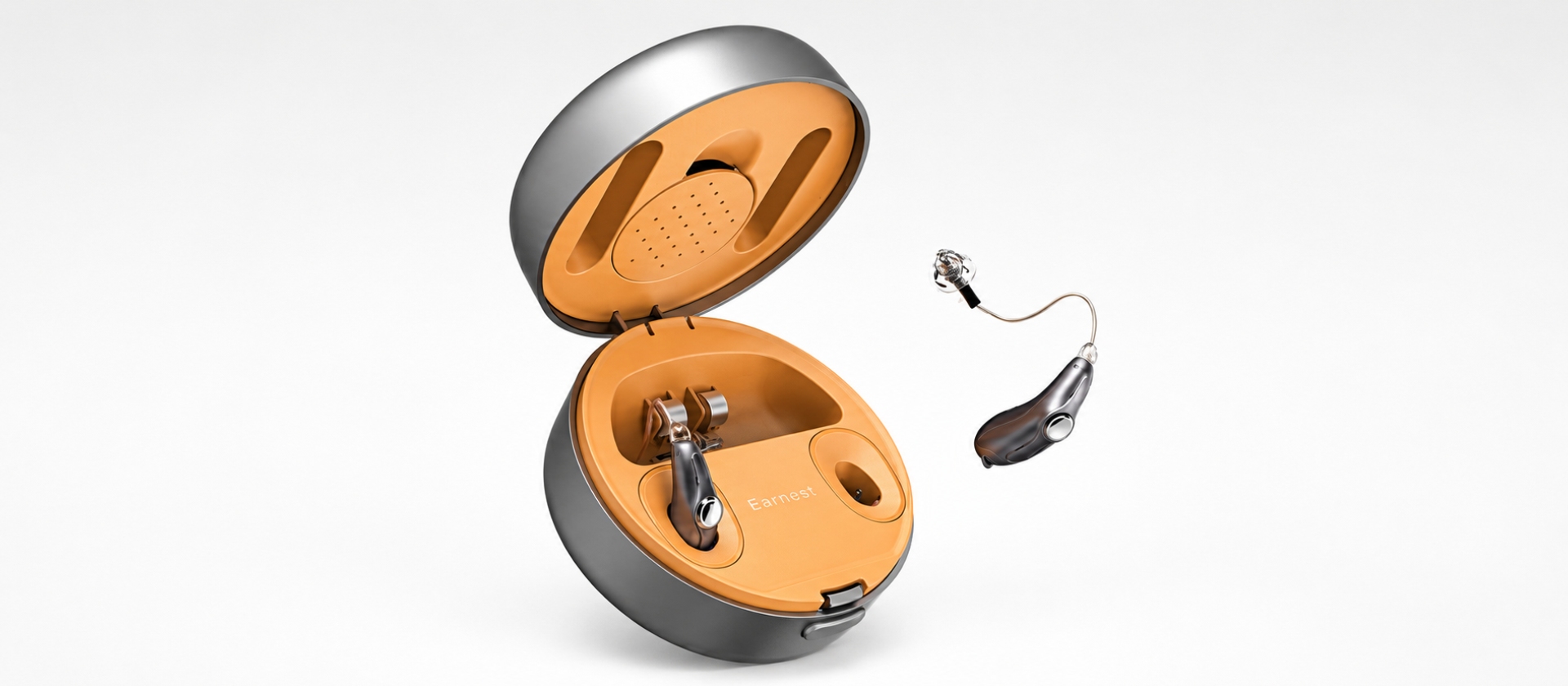
Eartech Intelligent Self-Fitting Hearing Aid
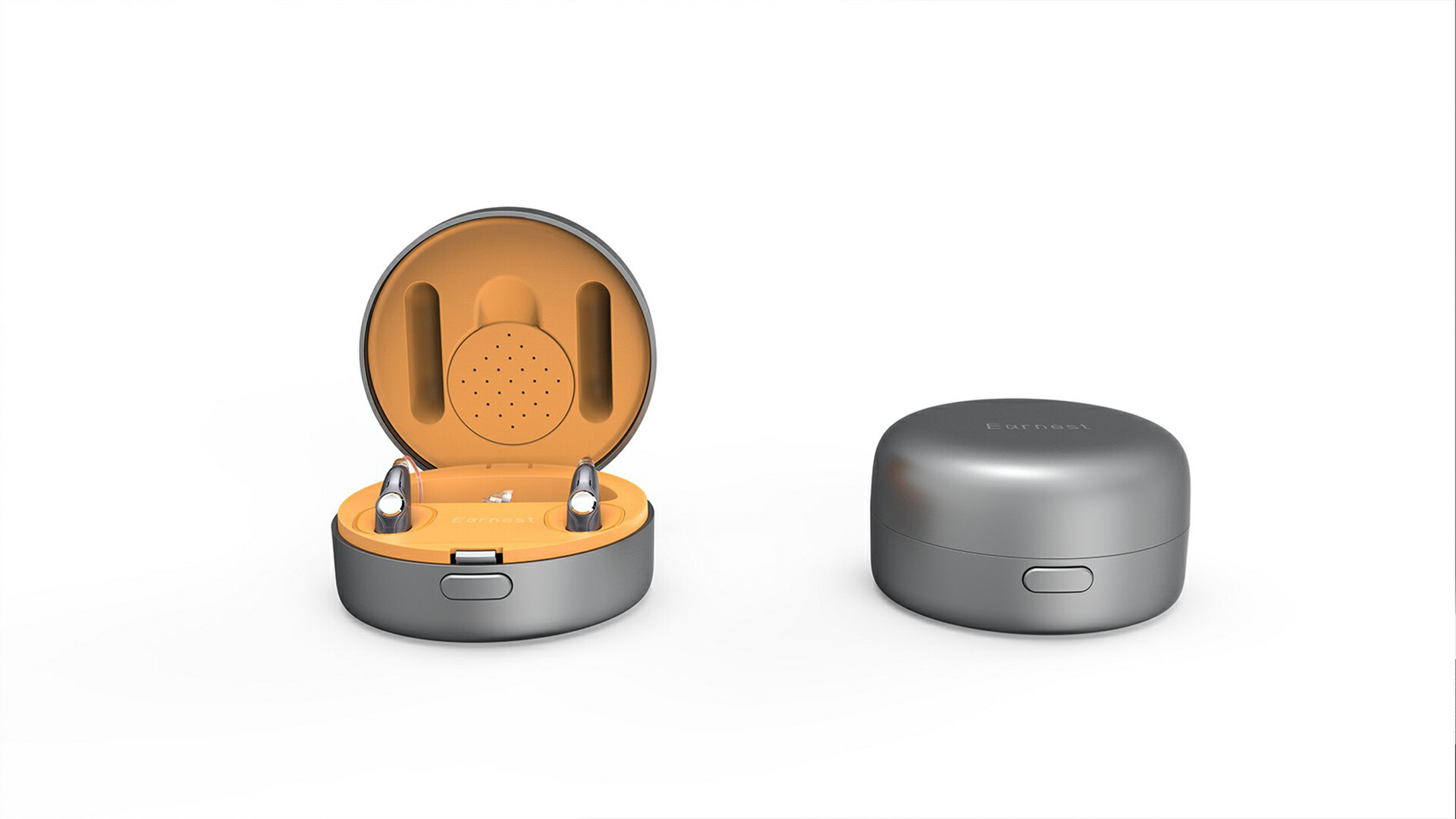
Complete Hearing Assessment and Fitting at Home



Innovation Insights
Project Background
Premium and mid-to-high-end hearing aids are often priced at approximately EUR 2,500 per unit, making them unaffordable for many people with hearing loss.
As a result, hearing aids have become luxury medical products rather than widely accessible daily assistive devices.
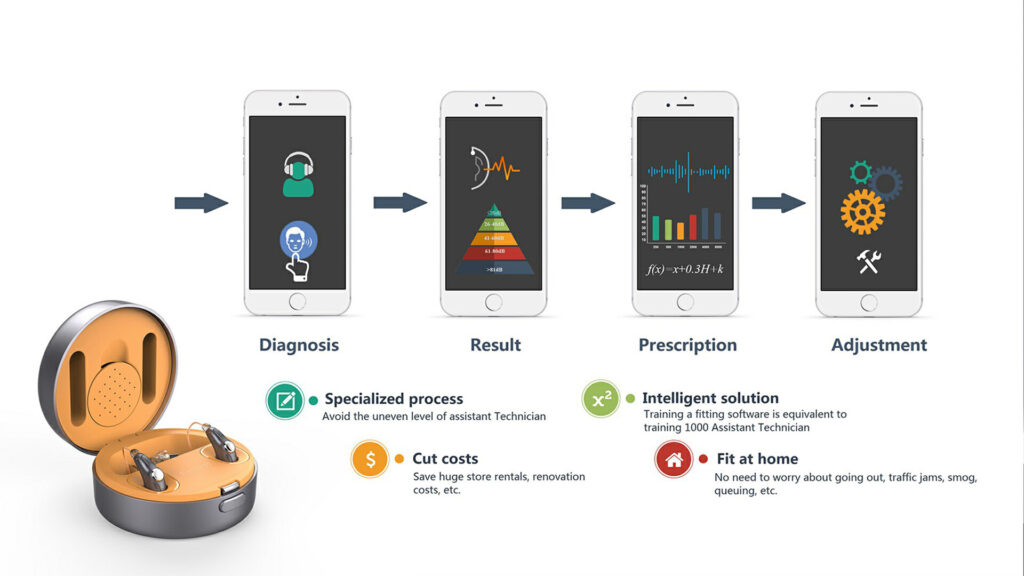
This new intelligent binaural hearing aid uses proprietary technology and an automatic fitting solution to significantly reduce product and service costs.
With a price of approximately EUR 320 per unit, the product aims to make professional hearing support more affordable and accessible to a broader population.
Users can complete hearing assessment and device fitting independently without visiting a professional fitting center, creating a faster and more convenient hearing care experience.
User Challenges
Eartech is a hearing aid brand operated by Shenzhen Zhiting Technology Co., Ltd.
The company integrates research and development, chip design, manufacturing, sales, and related hearing care services.
The product was developed to improve the social communication abilities and working capabilities of people with hearing loss.
By providing more accessible hearing support, it can help users rebuild confidence, participate more actively in social life, and gain better employment opportunities.
For elderly users, timely hearing intervention may also help reduce the negative effects associated with long-term hearing loss and lower the wider medical and social care burden.
Design Strategy
Design Concept
The design follows the principles of care, comfort, and human-centered interaction.
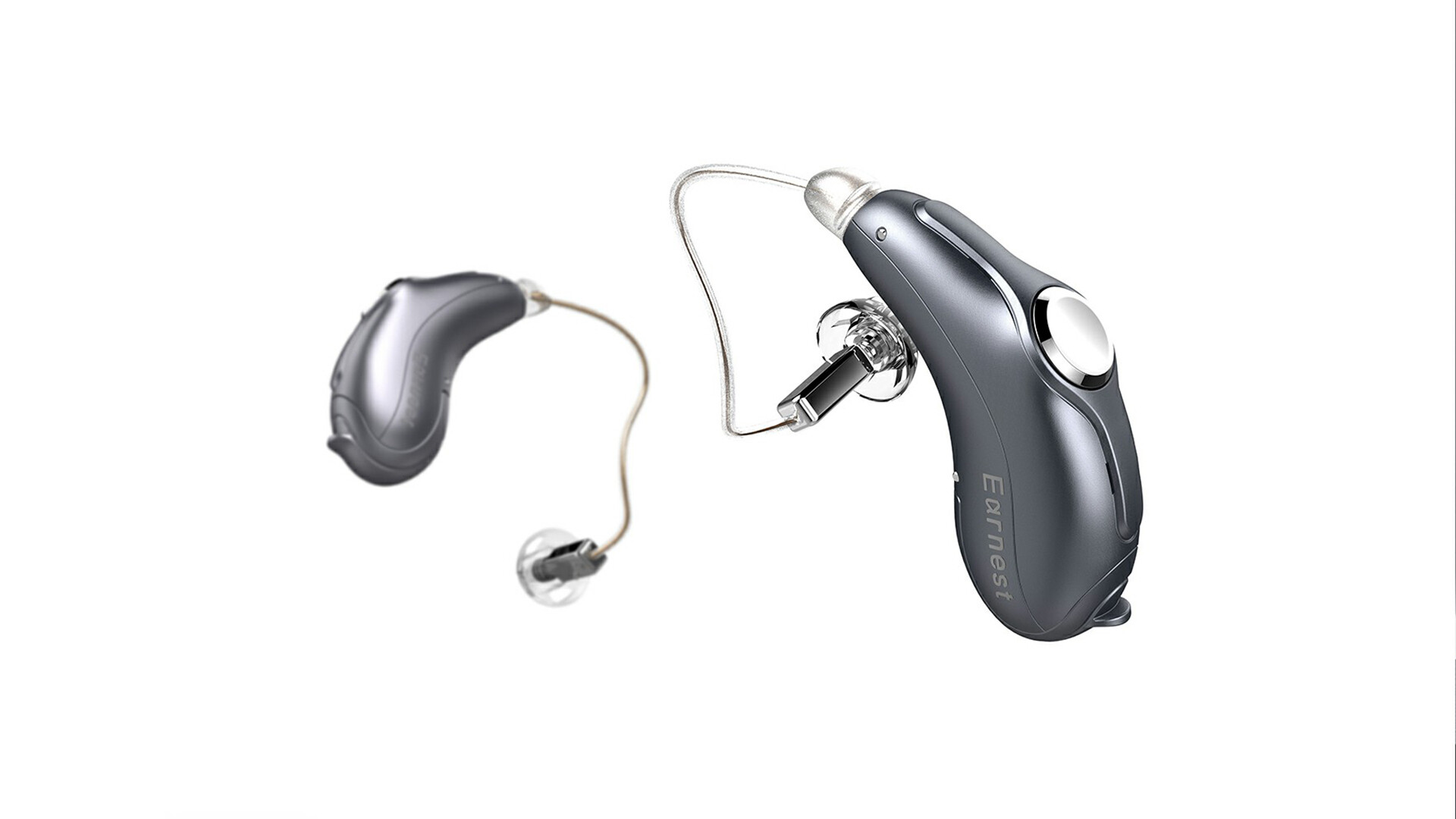
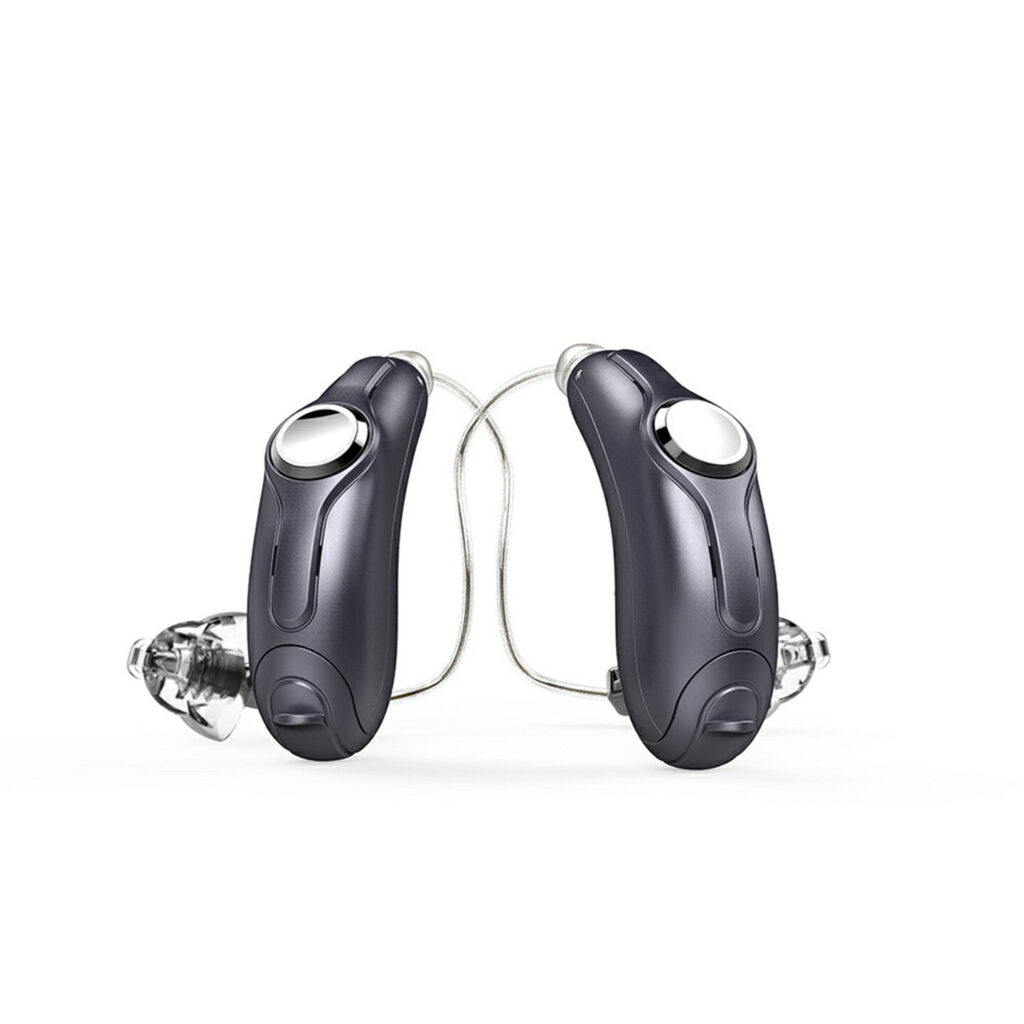
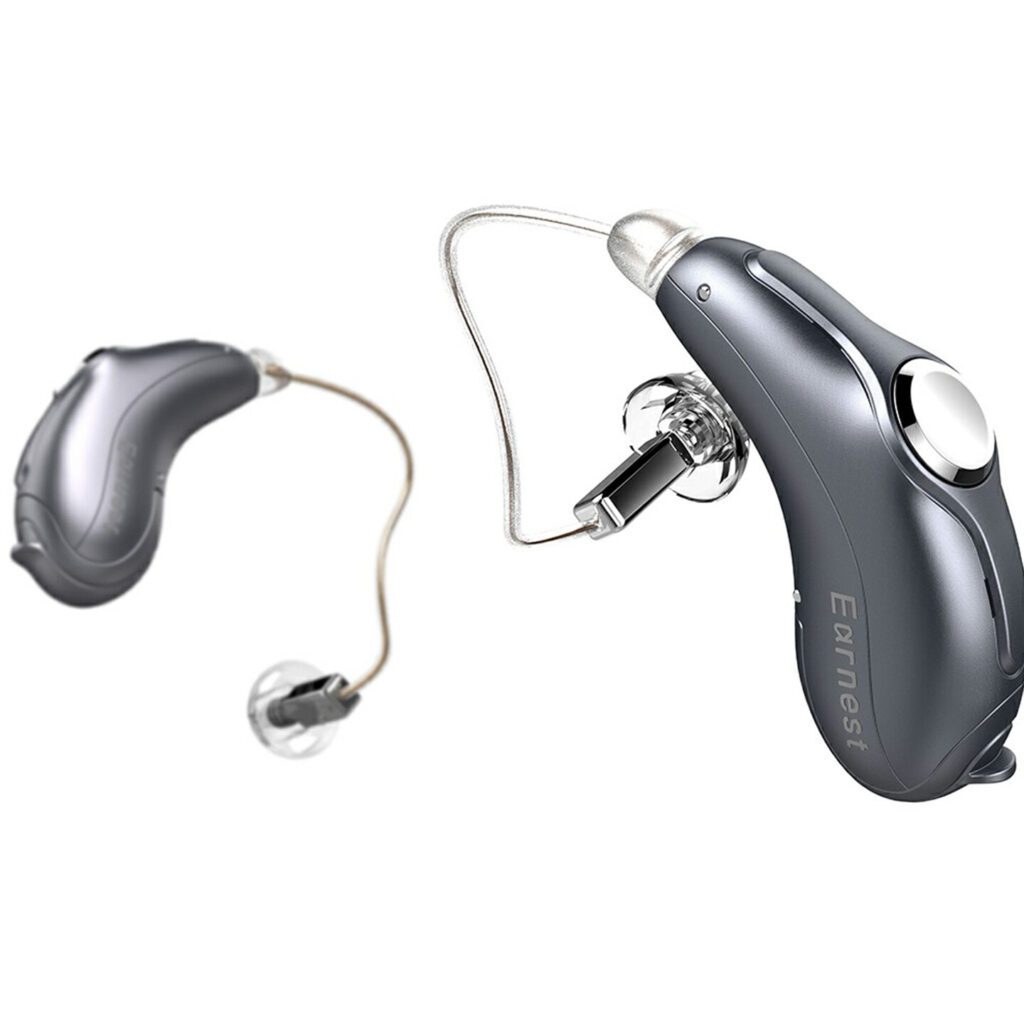
Its overall appearance is elegant and refined, with soft flowing lines that visually integrate the microphone, control button, battery compartment, and other functional components.
An extra-large operating button allows elderly users to identify and press the control area easily without unnecessary effort.
This prominent button also becomes a recognizable visual symbol for the product and strengthens the Eartech brand identity.
The wearing curve was refined through more than one hundred rounds of prototyping and testing.
This extensive ergonomic verification helped identify a form that fits comfortably around the ear and reduces the risk of the hearing aid becoming loose or falling off during daily use.
User Insight
The design process examined the complete relationship between the user, the product, and real-life usage scenarios.
The team conducted extensive ergonomic evaluations, appearance research, and a 24-hour user journey analysis to identify the difficulties experienced by people with hearing loss throughout the day.
These studies helped clarify the key problems in product handling, wearing comfort, operation, battery access, and everyday maintenance.
The microphone, button, and battery compartment were organized through a unified visual language based on smooth and gentle curves.
The oversized button makes the operating position easier for elderly users to find while giving the product a stronger and more recognizable brand character.
💡 Solution
1. Integrated Product and Engineering Development
LKK Design began with the product’s practical requirements and the company’s market positioning.
Throughout the project, the design team worked closely with the engineering team to evaluate different hardware arrangements and internal component combinations.
Multiple structural solutions were explored before the final direction was selected.
Through innovative thinking and continuous collaboration, the team developed a simple and effective solution capable of meeting several functional, ergonomic, and manufacturing requirements within one compact product.
2. Prototype Verification and Product Implementation
The project included functional prototype production, white-model testing, ergonomic adjustment, and final surface treatment.
These stages were used to verify the rationality of the product’s dimensions, wearing curve, control layout, assembly structure, and user interaction.
The prototype was repeatedly evaluated to ensure that the final product could be comfortably worn, operated easily, and manufactured reliably.
The completed prototype delivered to the client was therefore not merely an appearance model but a fully developed product solution prepared for practical implementation.
3. Quality Control During Mass Production
During the mass-production stage, LKK quality-control specialists participated as an independent third party throughout the manufacturing process.
The team monitored key production and processing stages to ensure that materials, manufacturing techniques, appearance quality, assembly accuracy, and production schedules met the required standards.
This systematic quality-control process helped reduce manufacturing risks and ensured the reliability of the final products delivered to the client.
Through design development, engineering verification, prototype testing, and production supervision, the project achieved a complete transition from concept to high-quality mass production.
Like What You See?
 Let's Talk About Your Project