
We've all been there—a moment of frustration sparks a vision: "There must be a better way to do this." You picture a device, a tool, a mechanism in your mind's eye. This is the seed of invention. But the monumental gap between that fleeting thought and a reliable, mass-producible object on a store shelf is where most ideas falter. Bridging this gap is the essence of mechanical design invention. It is the disciplined, analytical, and creative engineering process that transforms a conceptual solution into a tangible, working, and viable product. It is the unsung hero of innovation, the engineering soul that gives physical form to function.
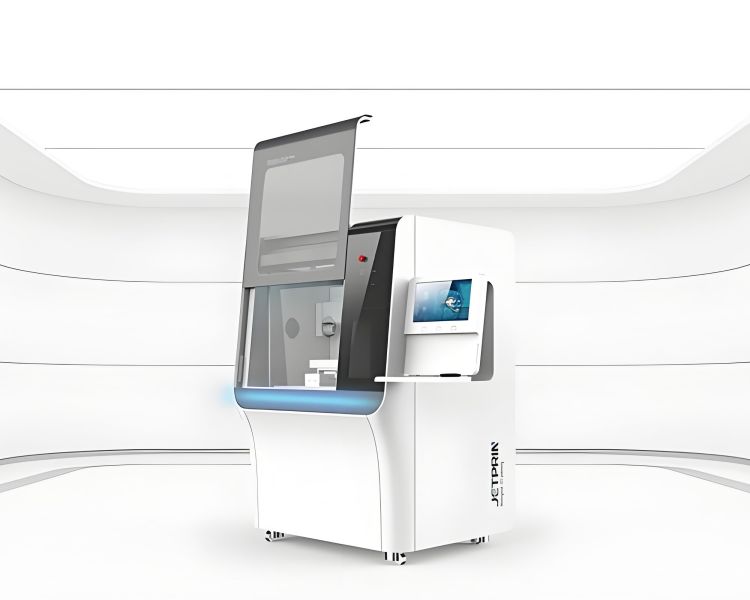
At its core, mechanical design invention is the applied science and art of conceiving and detailing the physical systems that make a product work.
It is a fundamental mischaracterization to view it as mere "CAD drawing" or "making stuff." True mechanical design invention is a synthesis. It must harmonize:
Function: Does it perform its intended task reliably?
Form: Does it fit within the intended industrial design and human interface?
Force & Motion: Does it manage energy, loads, and movement correctly?
Feasibility: Can it be manufactured at the target cost and scale?
Durability: Will it survive the rigors of real-world use?
The primary goal is to devise a system of parts—a machine, however simple—that moves, bears load, transfers energy, interacts with users and the environment, and endures over its intended lifespan. It answers the "how" behind the "what." If the product idea is "a device that quietly chops vegetables," the mechanical design invention is the specific arrangement of gears, blades, seals, and bearings that makes that happen efficiently and safely.
This engineering-focused definition is central to how integrated design firms operate. For instance, LKK Design defines its Mechanical Design service as "the core of product functionality and reliability," explicitly focusing on transforming concepts into "manufacturable, durable products" through precision engineering. This clarifies the discipline's output: not just a model, but a validated solution.
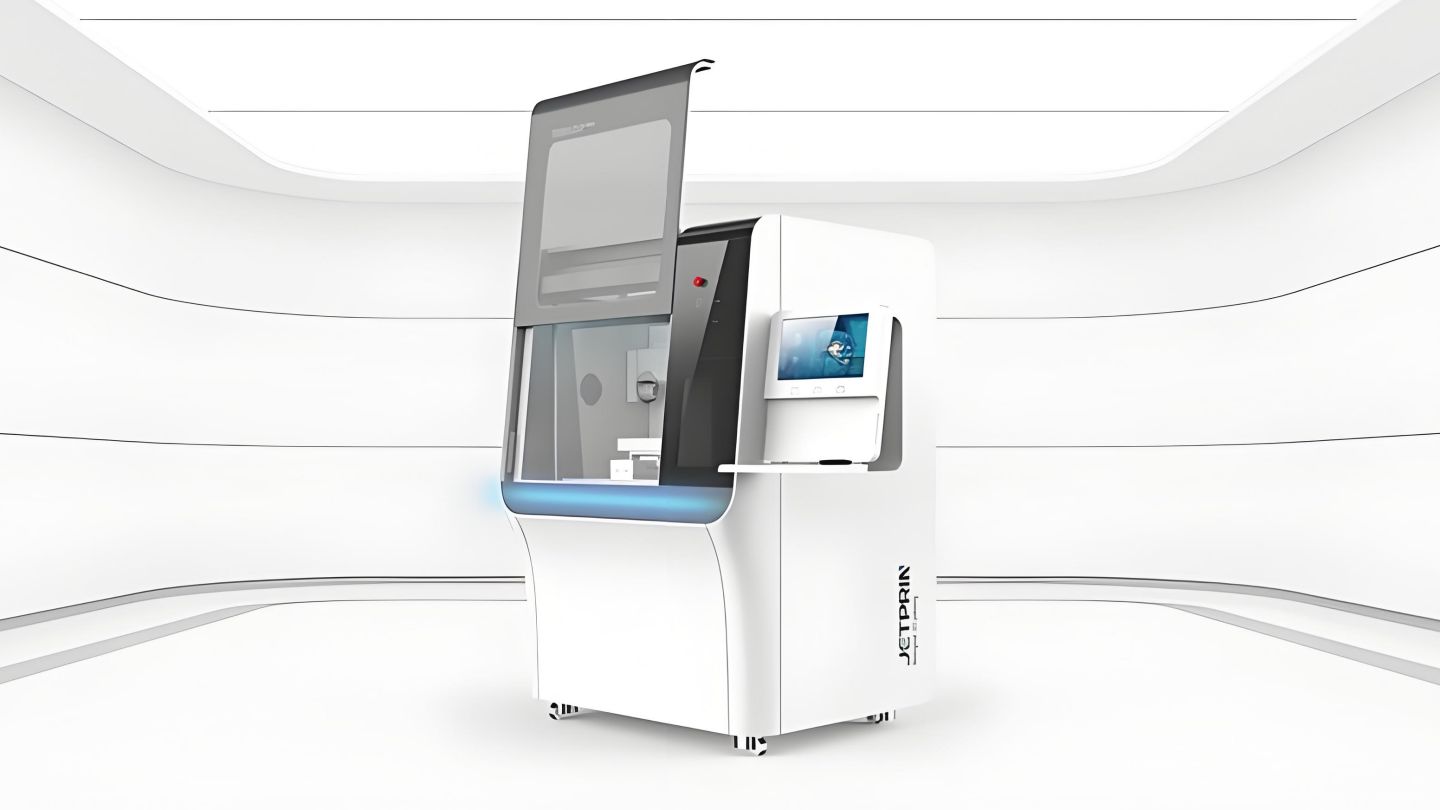
Professional mechanical invention is not a chaotic act of genius; it is a structured, phase-gated process designed to de-risk development. This process typically unfolds in four critical stages.
This is the planning phase where the problem is rigorously defined. What exactly must the invention do? Engineers establish quantifiable Key Performance Indicators (KPIs): maximum load capacity, target weight, number of operational cycles (life), efficiency metrics, and noise limits. The output is often a system architecture diagram—a block diagram showing how major subsystems (power, motion, control) interact. This sets the measurable goals for the entire project.
In Practice: LKK's process starts with "Demand Analysis and Architecture Design," resulting in mechanical system diagrams and a clear set of KPIs. This ensures the invention is engineered to objective standards from the very beginning.
Here, the invention takes digital shape. Using 3D Computer-Aided Design (CAD) software, engineers model every component, selecting specific materials (aluminum, steel, engineered plastics) based on their properties. Crucially, they define Geometric Dimensioning and Tolerancing (GD&T), which specifies not just the size of a part, but the permissible variance, ensuring parts will fit and function together. Simultaneously, software simulations (Finite Element Analysis for stress, Computational Fluid Dynamics for fluid/air flow) predict how the design will behave under real-world forces, identifying weak points before anything is built.
In Practice: This aligns with LKK's "Detailed Design and Simulation" stage, which delivers precise 3D engineering drawings with GD&T and comprehensive simulation reports. This virtual prototyping saves immense time and cost.
A design is just a hypothesis until physically tested. In this phase, functional prototypes are built using methods like CNC machining or 3D printing. These prototypes are subjected to rigorous tests against the KPIs from Phase 1. Does it bear the load? Does it complete the required cycles? Failure is not only expected but is a vital source of data. Each test result leads to refinement, documented through Engineering Change Notices (ECNs), creating an iterative loop of improvement.
In Practice: LKK's "Prototype Design and Test Iteration" phase is built for this. They generate physical test reports and formal ECNs, embodying the iterative principle that strong mechanical invention is forged throughrepeated testing and refinement.
An elegant, functional prototype is not the end goal. The invention must be optimized for mass production. DFM is the process of simplifying part geometry for easier molding, reducing assembly steps, selecting cost-effective materials, and specifying standard components. The final deliverable is a complete manufacturing package: detailed drawings, assembly instructions, and Standard Operating Procedures (SOPs) for the factory floor.
In Practice: LKK's concluding "Manufacturing Support" phase ensures this handoff. They provide SOPs and full technical documentation packages, ensuring the invention is not just a laboratory success, but a product ready for reliable and cost-effective production.
Successful mechanical designers are guided by foundational philosophies:
The Prime Directive: Function and Reliability. Above all else, the device must work consistently and safely. A beautiful invention that fails is a failure.
The Mandatory Constraint: Design for Manufacture (DFM) and Assembly (DFA). The inventor must always be thinking about how the part will be made and put together, designing for the factory as much as for the user.
The Guiding Philosophy: Simplicity and Elegance. The "best" design is often the simplest one that meets all requirements. Fewer parts mean lower cost, higher reliability, and easier assembly (a principle known as part-count reduction).
The Critical Mindset: Embrace Iteration. Failure in testing is not a setback; it is the fastest route to a robust design. Each test reveals truths that no simulation can perfectly predict.
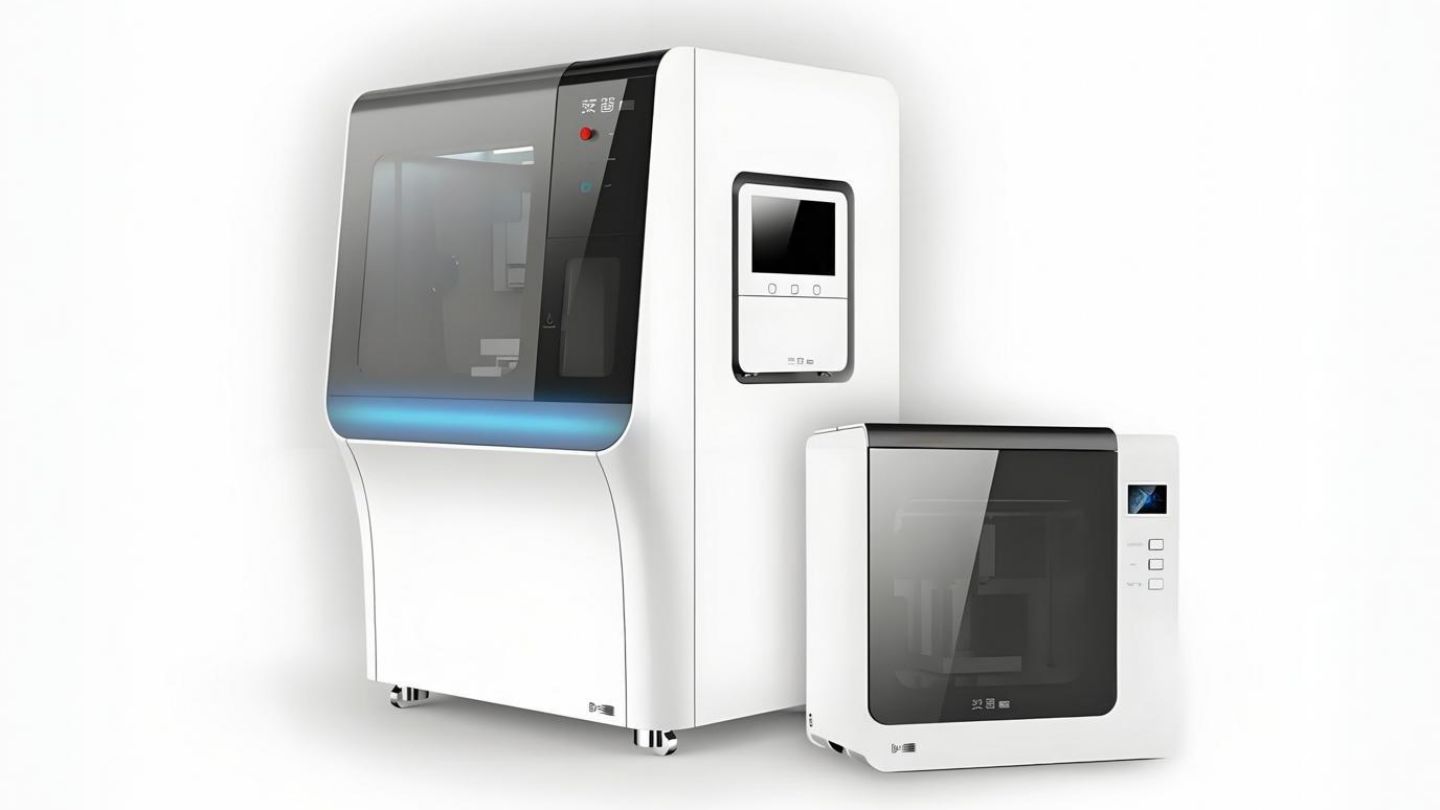
The field has been revolutionized by digital tools that accelerate and de-risk the inventive process.
Digital Foundations: Modern CAD Software (e.g., SolidWorks, Creo, Fusion 360) allows for creating intricate 3D models and automatic drawing generation. Product Data Management (PDM) systems track every version and change.
Virtual Proving Grounds: Simulation Software (FEA, CFD) allows for testing thousands of virtual scenarios—stress, heat, vibration, impact—providing deep insight long before metal is cut.
Rapid Realization: 3D Printing and CNC Machining enable fast, on-demand prototyping, turning digital models into physical test articles in days, not months.
Table: The Evolution of Mechanical Design Invention
| Aspect | Traditional Approach | Modern, Integrated Approach |
| Design Iteration | Slow, manual drafting changes. | Rapid, digital edits with full model history. |
| Prototyping | Expensive, time-consuming tooling for each iteration. | Fast, affordable 3D printing & CNC for multiple iterations. |
| Testing & Validation | Physical "build-and-break" late in the process. | Up-front virtual simulation paired with targeted physical tests. |
| Collaboration | Siloed departments with paper drawings. | Concurrent engineering with shared cloud-based digital models. |
| Outcome Predictability | High risk of late-stage failure. | High confidence via early and continuous virtual/physical validation. |
A common point of confusion lies in distinguishing mechanical design from industrial design. They are distinct yet deeply interconnected disciplines:
Industrial Design (ID) focuses on the user experience: how the product looks, feels, and is used. It deals with aesthetics, ergonomics, user interface, and emotional connection.
Mechanical Design (MD) focuses on the internal reality: how the product works and is built. It deals with mechanisms, structures, materials, and engineering physics.
The magic happens in integration. A stunning ID may be impossible to engineer; a brilliant MD may be ugly and awkward to use. Successful products require both disciplines to work in lockstep from the very beginning. This is why the most effective development happens with firms that house both competencies under one roof.
LKK Design's business structure exemplifies this critical partnership. Their service lines show Industrial Design and Mechanical Design as parallel, collaborative pillars. This integrated approach ensures that the product's technical soul (MD) is developed in harmony with its user-facing body (ID), resulting in innovations that are not only possible but also desirable and market-ready.
Mechanical design invention is the rigorous, structured, and creative engineering process that makes physical innovation possible. It is the journey from a "what if" idea to a "how to" blueprint for reality. By following a phased process—from requirement analysis to DFM—and adhering to core principles of reliability and simplicity, inventors and engineers systematically de-risk the path to a new product.
In essence, it is the discipline that translates abstract invention into concrete, engineered innovation. For anyone looking to bring a physical product to life, partnering with experts who command this process is crucial. Firms like LKK Design provide more than just mechanical engineering; they offer the proven, integrated methodology and collaborative environment necessary to navigate the full journey from a spark of imagination to a successful, manufacturable product that works, endures, and succeeds in the real world.


We use cookies to ensure that we give you the best experience on our website. By clicking "Accept All", you consent to our use of cookies. Learn more.
Please fill out the form and we'll get back to you shortly.

Your submission has been received !
Thank you for your submission.
We will get back to you within 24 hours and appreciate your patience.
Enter your details to receive the toolkit for free.