
A 3D printing product design firm helps startups and enterprises turn ideas into physical products by combining industrial design, engineering, and rapid prototyping with additive manufacturing. Instead of just printing parts on demand, these firms guide you from early product strategy and CAD through 3D printed prototypes, DFM optimization, and preparation for mass production.
LKK Design is a leading example of this model: a full‑service product design and development company that supports clients “from concept to consumer” with integrated design, engineering, and manufacturing. Backed by over 20 years of experience and a global team of more than 1,000 designers and engineers, LKK helps both funded startups and Fortune 500 innovation teams move from sketches to scalable hardware at speed.
For hardware founders and corporate innovation teams, partnering with a 3D printing product design firm offers clear advantages over managing freelancers or isolated vendors.
Integrated expertise from day one A specialist firm brings industrial design, mechanical engineering, electronics, firmware, and DFM under one roof, reducing handoff risk. This integration ensures that every 3D printed prototype already considers ergonomics, performance, certification, and manufacturing cost.
Rapid learning cycles with 3D printing Because 3D printing prototypes can be produced in days, you can validate form, fit, and function early, then iterate several times within the budget of one traditional prototype. This accelerated loop is critical when you are racing competitors or trying to prove product‑market fit before the next funding round.
Smoother path to mass production An experienced firm designs prototypes with the entire lifecycle in mind, aligning materials, tolerances, and assembly methods with real manufacturing processes such as injection molding, CNC, SMT, and automated assembly. That alignment reduces surprises when you scale from a few printed units to thousands of shipped products.
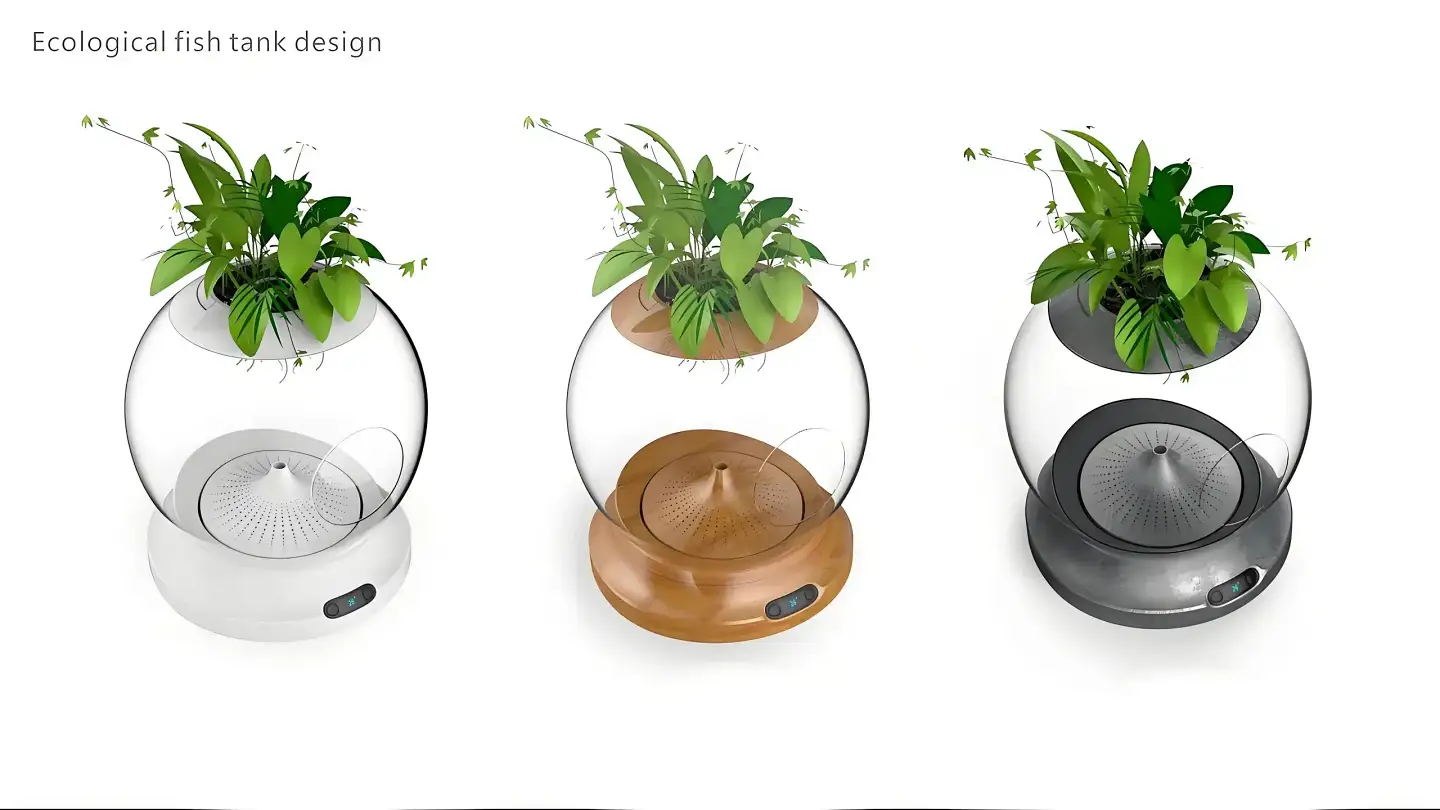
Although different firms position themselves differently, the strongest players tend to share a similar set of core services.
Product strategy and industrial design The process usually begins with user research, competitive analysis, and product positioning, followed by concept ideation and industrial design. LKK’s industrial design team focuses on creating user‑friendly, manufacturable forms that express your brand while meeting real‑world constraints such as size, weight, and environmental conditions.
Mechanical and structural engineering Mechanical engineers convert design intent into detailed structures, assemblies, and mechanisms that can handle loads, heat, vibration, and wear. At LKK, this includes optimizing wall thicknesses, snap‑fits, seals, and internal layouts so that the eventual 3D printed and molded parts perform reliably and assemble efficiently.
3D printing and rapid prototyping A 3D printing product design firm typically runs in‑house 3D printers alongside CNC machining, sheet metal, and quick‑turn PCBA builds. LKK uses this hybrid approach to produce appearance models, functional prototypes, and low‑volume pilot runs, letting you test aesthetics, ergonomics, and performance on compressed timelines.
DFM, testing, and validation Beyond printing prototypes, firms like LKK perform DFM reviews, mechanical testing, reliability checks, and pre‑compliance assessments (for example, EMC) before you invest in tooling. This step is essential to ensure that what works in prototype form can scale to mass production with acceptable yield and cost.
Contract manufacturing and supply chain Some design firms stop at prototypes, but LKK also offers contract manufacturing through a vetted network of over 5,000 supply‑chain partners in processes ranging from injection molding to SMT and assembly. That means you can move from 3D printed prototype to EVT, DVT, PVT, and mass production with one accountable partner.
You can explore this end‑to‑end service model in more detail on the official site: https://www.lkkerscm.com.
Awards are not everything, but they strongly indicate a firm’s ability to deliver consistently high‑quality product design and engineering over many years and across industries. LKK Innovation Design Group stands out here.
By 2025, LKK had accumulated 592 global design awards across major competitions including the Red Dot Design Award, iF Design Award, and IDEA. In 2025 alone, the firm won eight Red Dot Awards, including three “Best of the Best” honors, reinforcing its position as one of China’s most awarded innovation design groups.
The company’s founder, Mr. Jia Wei, has also been recognized at the highest levels of international design, underlining the depth of creative leadership behind the firm. These honors span categories such as smart home, healthcare, industrial equipment, and AI‑powered products, showing that LKK can apply its 3D printing and product design expertise to both consumer and professional markets.
A mature 3D printing product design firm does not treat additive manufacturing as a single step but as a thread running through the entire development lifecycle. LKK’s workflow is a good illustration of how this looks in practice.
Concept CAD and 3D printed appearance models Once early concepts are approved, LKK converts sketches into CAD and quickly prints appearance models to validate overall form, size, and key interactions. These models help you align internal stakeholders and investors, often within one to three days of initial CAD completion.
Functional prototypes with mixed processes Next, the team combines 3D printed parts, CNC‑machined components, and assembled PCBAs to create functional prototypes that can be used for mechanical tests, assembly trials, and basic usability evaluations. This hybrid approach delivers a realistic representation of how the final product will feel and perform under everyday use.
DFM reviews and design refinement Based on test results, LKK conducts DFM reviews focusing on manufacturability across injection molding, die casting, sheet metal, and PCB assembly. CAD is refined to optimize draft angles, gate locations, ribs, bosses, fasteners, and assembly sequences, ensuring a smooth transition from 3D printed parts to production tooling.
Pilot runs and pre‑production builds Before mass production, LKK organizes small pilot runs using a mix of 3D printing and near‑final manufacturing processes. These pilot builds validate yield, process stability, packaging, and logistics—critical steps for hardware teams that cannot afford high field failure rates.
Full mass production and continuous improvement Once everything checks out, the program moves into mass production, supported by quality systems such as ISO9001, ISO13485, and TS16949, along with APQP and advanced product quality planning. Feedback from the field can then drive further design iterations, with 3D printing again used to test updates before implementing engineering changes.
The benefits of pairing 3D printing with integrated product design and manufacturing support are particularly strong in several industries.
Consumer electronics and smart home Short product cycles and intense competition demand rapid validation of both aesthetics and performance. LKK has delivered successful smart speakers, printers, routers, and smart home accessories, using in‑house 3D printing to iterate quickly on enclosures, mounts, and interaction details.
Medical and health devices In medical projects, physical ergonomics, cleanability, and regulatory compliance are critical, and small design mistakes can have large consequences. LKK’s portfolio includes award‑winning diagnostic equipment, imaging systems, and wearable health devices, all of which leverage prototypes and DFM thinking from early phases.
Industrial, energy, and mobility In industrial and energy products, designers must balance robustness, safety, and cost with maintainability and operator comfort. 3D printing enables form and fit checks for complex housings and assemblies before committing to expensive tooling.
AI, robotics, and emerging hardware AI robots, interactive companions, and novel IoT devices often require unconventional form factors and rapid iteration on sensor layouts, antennas, and thermal paths. A firm like LKK can use 3D printing to test different geometries and component placements quickly, supporting aggressive innovation timelines.
If you are evaluating firms, using a simple set of criteria can help you find a partner that fits your roadmap and risk profile.
Proven, multi‑industry portfolio Look for case studies in your vertical and adjacent categories to confirm the firm can meet your regulatory, performance, and market requirements. LKK has launched over 3,000 products across about 30 industries, serving more than 1,000 industry leaders, including Fortune Global 500 companies.
Strong track record of awards and recognition Global design awards such as Red Dot, iF, and IDEA signal sustained excellence and innovation. With 592 cumulative global awards by 2025, LKK demonstrates that its processes and people can consistently deliver standout products.
Integrated design‑to‑manufacturing capabilities The best 3D printing product design firms are not only design‑driven but manufacturing‑aware. LKKER SCM, a member company of LKK Design Group, operates as a one‑stop product development and customized supply‑chain solution provider, bridging design decisions and factory realities.
Clear communication and IP protection Especially for international clients, transparent communication, protected data environments, and clear IP ownership are essential. LKK emphasizes NDA‑secured development zones, diversified component sourcing, and 100% client ownership of project IP, with zero IP breaches recorded since 2004.
Startups and corporate innovation departments have unique pressures: limited time, constrained budgets, and high expectations from investors or leadership. A 3D printing product design firm geared toward these realities can make the difference between a slide‑deck concept and a shipped product.
LKK’s parallel development model, in‑house pilot lines, and rapid prototype‑to‑production workflow can cut time‑to‑market by roughly 30% while keeping a close eye on manufacturability and quality. The firm often delivers functional prototypes in about six weeks with pre‑testing against certification standards like CE and FCC, giving teams confidence before they scale.
Because LKK combines design, engineering, and contract manufacturing, you avoid the integration risk of juggling multiple vendors across continents. For many clients, this “single accountable partner” model simplifies program management and allows founders to focus on customers, go‑to‑market, and fundraising rather than chasing down scattered suppliers.
If you are considering working with a 3D printing product design firm like LKK, the first step is usually to define your starting point: idea only, early CAD, or existing prototype. From there, you and the firm can map out a phased engagement that covers strategy, design, 3D printed prototypes, DFM, and manufacturing.
You can reach LKK and explore collaboration options through their official website: https://www.lkkerscm.com. Sharing your current materials (sketches, CAD, or early prototypes), target market, projected volumes, and launch timing will help the team recommend a tailored roadmap that maximizes the value of 3D printing throughout your development journey.
To help me make the content even more aligned, which primary audience do you want this article to focus on: funded startups or innovation departments inside larger enterprises?


We use cookies to ensure that we give you the best experience on our website. By clicking "Accept All", you consent to our use of cookies. Learn more.
Please fill out the form and we'll get back to you shortly.

Your submission has been received !
Thank you for your submission.
We will get back to you within 24 hours and appreciate your patience.
Enter your details to receive the toolkit for free.