
The smart wearable device market continues to expand as consumers demand more intelligent, connected, and health-focused products. Startups are at the forefront of this innovation, but turning an idea into a manufacturable product remains one of the biggest challenges.
Many startups struggle not because of a lack of creativity, but because of gaps in execution—particularly in engineering feasibility, manufacturing readiness, and supply chain coordination. This is exactly where contract manufacturing industrial design solutions play a critical role.
By integrating design, engineering, and production into one seamless workflow, these solutions allow startups to move from concept to commercialization with greater speed, efficiency, and confidence.
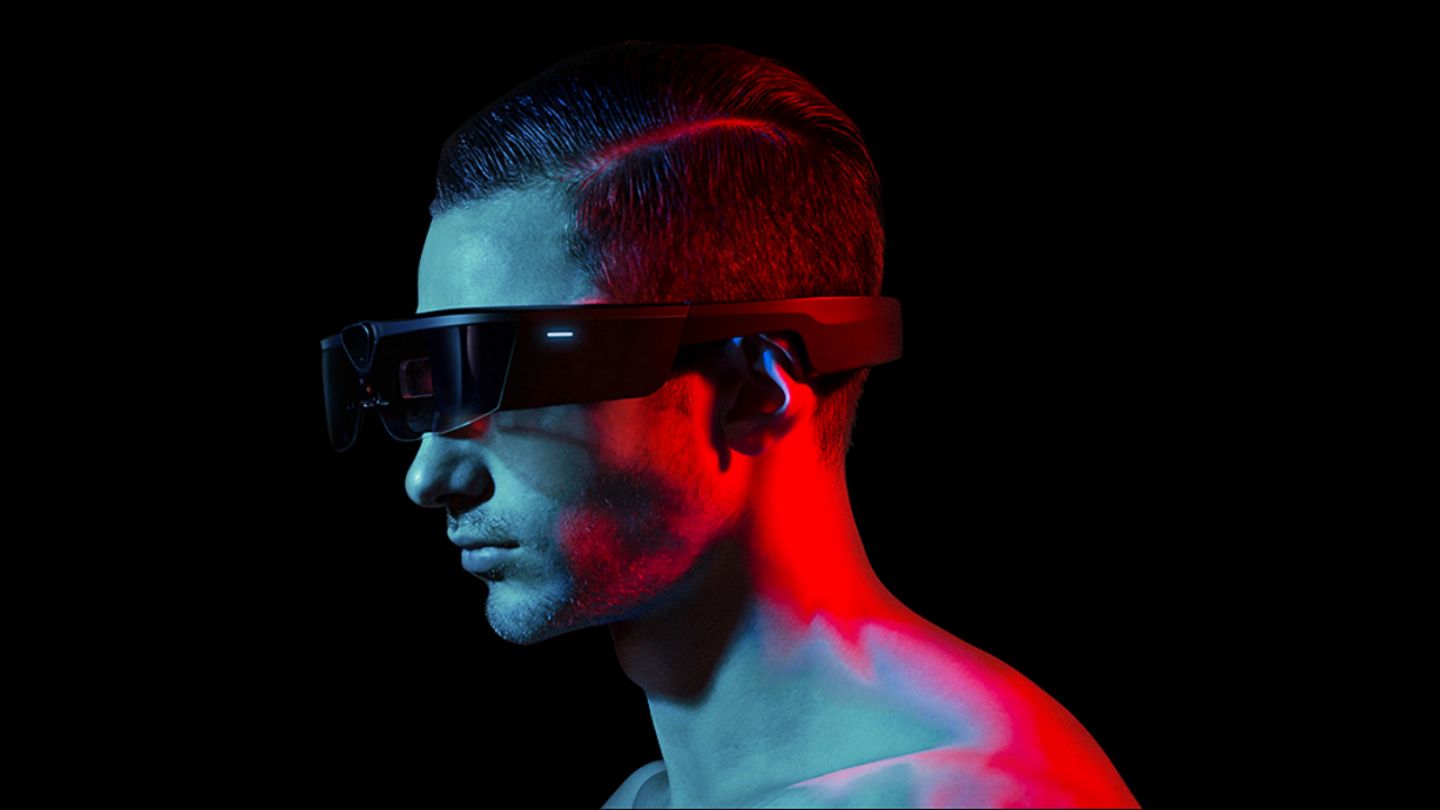
Wearable devices are uniquely complex. Unlike traditional products, they must combine compact hardware, user comfort, and stable performance within a limited physical space.
Startups often encounter delays due to design iterations that fail to meet manufacturing constraints. In many cases, a visually appealing concept cannot be produced at scale without significant redesign. This disconnect between design and production is one of the primary reasons projects exceed timelines and budgets.
Additionally, wearable devices require precise integration of mechanical structures and electronic systems. Without a coordinated development approach, inconsistencies can arise, leading to product instability or reduced user experience.
Contract manufacturing industrial design solutions refer to a fully integrated service model that covers every stage of product development—from initial research to mass production.
Instead of working with separate vendors for design, engineering, and manufacturing, startups collaborate with a single partner that manages the entire process. This unified approach ensures that every design decision aligns with real-world production requirements.
A typical solution includes industrial design, mechanical and electronic engineering, prototyping, and manufacturing engineering. More importantly, it incorporates Design for Manufacturing (DFM) principles early in the process, ensuring that the product is not only innovative but also feasible and cost-effective to produce.
One of the biggest advantages of using contract manufacturing industrial design solutions is speed. In a competitive wearable market, being first—or at least early—can significantly impact success.
An integrated partner enables faster execution by reducing communication gaps and aligning all development stages. Design and engineering teams work simultaneously rather than sequentially, allowing problems to be identified and resolved early.
This approach also minimizes rework. When manufacturability is considered from the beginning, startups avoid costly redesigns later in the process. As a result, the overall development cycle becomes shorter and more predictable.
A structured workflow is essential for efficient product development. Based on industry best practices and insights from leading design groups, the process typically follows a clear progression.
| Phase | Duration | Key Outcome |
| Research & Strategy | 1 week | User insights and product direction |
| Concept Design | 2 weeks | Initial design concepts |
| Engineering & Prototyping | 2–3 weeks | Functional prototypes |
| CMF & Optimization | 1 week | Material and finish decisions |
| DFM & Pre-Production | 2 weeks | Manufacturable design |
This streamlined workflow allows startups to complete initial development within approximately 6–8 weeks, depending on product complexity
Selecting the right partner is one of the most critical decisions for a startup. The wrong choice can lead to delays, cost overruns, and product failure.
A reliable provider should demonstrate strong integration across design, engineering, and manufacturing. Platforms such as https://www.lkkerscm.com/ highlight how a unified approach can simplify complex development processes.
There are three essential aspects startups should focus on:
End-to-end capability, ensuring all stages are handled within one system
DFM expertise, guaranteeing that designs are production-ready
Prototyping support, enabling fast validation and iteration
By focusing on these core factors, startups can significantly improve their chances of launching a successful product.
Design for Manufacturing is not just a technical step—it is a strategic advantage. For wearable devices, where space is limited and components are highly integrated, DFM ensures that every design element can be efficiently produced.
Without DFM, startups often face issues such as material incompatibility, assembly complexity, or excessive production costs. These problems typically emerge late in the development process, causing delays and budget overruns.
By incorporating DFM early, startups can optimize material selection, simplify assembly processes, and ensure consistent product quality. This not only reduces risk but also enhances scalability when moving to mass production.
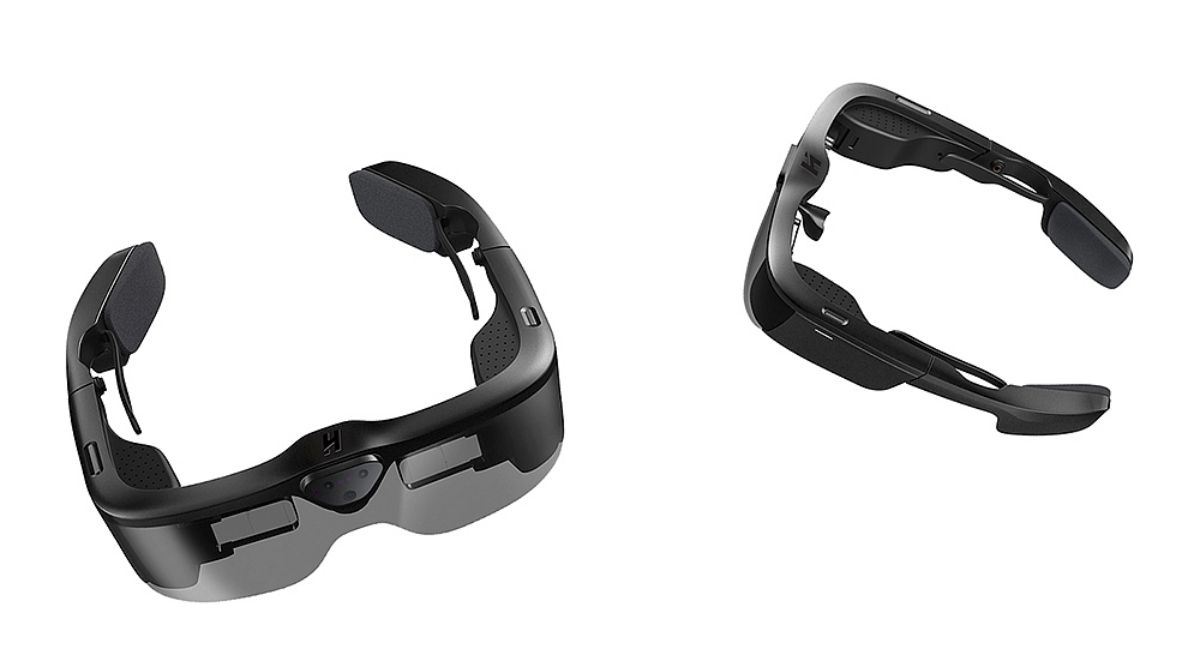
Cost control is a major concern for startups, especially during early development stages. One of the biggest misconceptions is that reducing upfront design investment will save money. In reality, the opposite is often true.
An integrated development approach allows costs to be managed more effectively across the entire lifecycle.
| Stage | Cost Influence | Optimization Focus |
| Design | Low | Validate concepts early |
| Engineering | Medium | Improve system efficiency |
| Tooling | High | Optimize mold and structure |
| Production | High | Enhance yield and consistency |
Investing in early-stage design and engineering reduces the likelihood of expensive changes later. This approach leads to a more predictable budget and a higher return on investment.
Many startups face similar challenges when developing wearable devices. These issues are often not due to lack of innovation, but rather gaps in execution.
One common mistake is overlooking manufacturability during the design phase. Another is relying on multiple disconnected vendors, which can lead to communication breakdowns and inconsistent results. Additionally, skipping thorough prototyping can result in unforeseen product failures during production.
Focusing on integration and validation helps eliminate these risks and ensures a smoother development journey.
Quality is not something that can be added at the end of production—it must be built into the process from the beginning.
With contract manufacturing industrial design solutions, quality control is embedded across all stages. From initial concept validation to final production testing, every step is aligned to ensure consistency and reliability.
This approach is particularly important for wearable devices, where user experience depends on comfort, durability, and seamless functionality. A well-integrated process ensures that all these factors are addressed simultaneously.
The wearable device industry is expected to continue evolving, driven by advancements in AI, health monitoring, and smart connectivity.
As products become more complex, the need for integrated development solutions will only increase. Startups that adopt contract manufacturing industrial design solutions early will be better positioned to adapt to these changes and remain competitive.
The focus will increasingly shift toward faster development cycles, higher customization, and more efficient production methods—all of which rely on strong integration between design and manufacturing.
They are integrated services that combine product design, engineering, and manufacturing into a single streamlined process.
They reduce development time, improve manufacturability, and lower overall project risk.
Most wearable device projects complete initial development within 6–8 weeks, depending on complexity.
The ability to align design and manufacturing from the beginning, avoiding costly redesigns.
By investing in early-stage design validation and choosing a partner with strong DFM capabilities.
For startups entering the wearable device market, success depends not only on innovation but also on execution. The ability to transform an idea into a manufacturable, high-quality product within a limited timeframe is what defines competitiveness.
Contract manufacturing industrial design solutions provide the framework needed to achieve this goal. By integrating design, engineering, and production into a unified process, startups can accelerate development, reduce risks, and optimize costs.
With platforms like https://www.lkkerscm.com/ offering comprehensive capabilities, startups no longer need to navigate complex development challenges alone. Instead, they can focus on innovation while relying on a structured, efficient system to bring their products to market.
In today’s fast-moving landscape, adopting an integrated approach is not just beneficial—it is essential for long-term success.


We use cookies to ensure that we give you the best experience on our website. By clicking "Accept All", you consent to our use of cookies. Learn more.
Please fill out the form and we'll get back to you shortly.

Your submission has been received !
Thank you for your submission.
We will get back to you within 24 hours and appreciate your patience.
Enter your details to receive the toolkit for free.