
In today’s competitive global market, bringing a product from concept to mass production requires more than just a great idea. Companies must balance engineering precision, cost control, and speed-to-market—all while ensuring product reliability and scalability. This is where contract manufacturing mechanical design solutions play a critical role.
By integrating mechanical engineering with manufacturing capabilities, businesses can streamline product development and reduce operational risks. However, choosing the right partner is not a simple decision. A poor choice can lead to delays, cost overruns, and quality issues.
This guide will help you understand how to evaluate and select the best provider, ensuring your product development process is efficient, cost-effective, and successful.
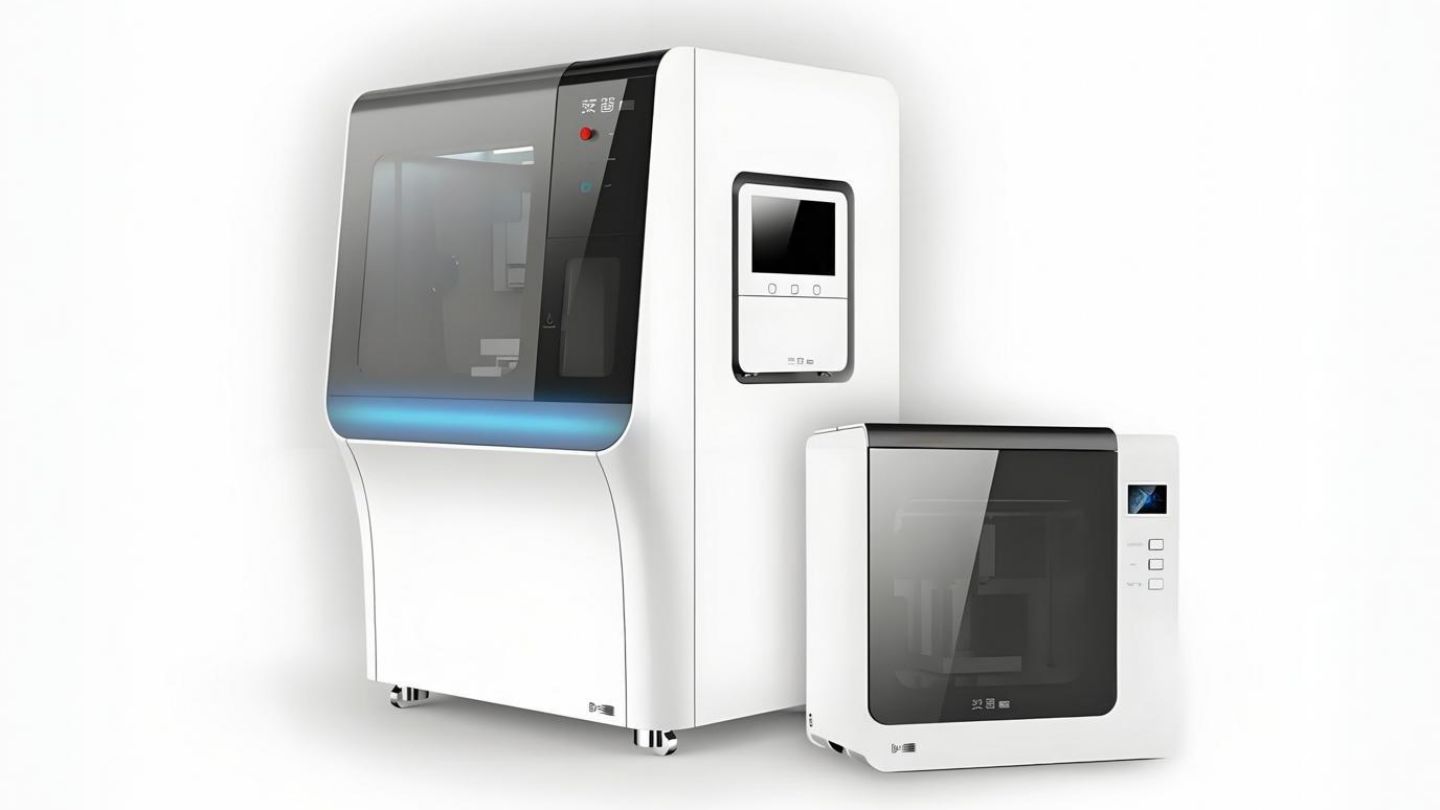
Contract manufacturing mechanical design solutions refer to a comprehensive service model that combines mechanical engineering design with manufacturing execution. Instead of managing multiple vendors, companies can rely on a single partner to handle the entire process—from concept validation to full-scale production.
This integrated approach ensures that product designs are not only innovative but also manufacturable, scalable, and cost-efficient.
A reliable provider typically offers:
Mechanical system architecture and structural design
Detailed engineering drawings and simulations
Prototype development and testing
Design for Manufacturing (DFM) optimization
Manufacturing engineering and production support
These services ensure a seamless transition from design to production, reducing errors and improving overall efficiency.
One of the biggest challenges companies face is turning ideas into manufacturable products. A qualified partner evaluates feasibility early in the process, ensuring that designs align with real-world manufacturing constraints. This reduces the risk of redesigns and project delays.
Cost and speed are critical factors in product success. An experienced provider can optimize materials, structures, and processes to reduce production costs. At the same time, streamlined workflows and parallel development processes can significantly shorten development cycles.
For example, structured development workflows—including requirement analysis, simulation, prototyping, and validation—help ensure efficient project execution and faster time-to-market .
High-quality products require precise engineering and rigorous validation. Mechanical design directly impacts durability, performance, and user experience. A strong partner ensures quality through testing, iteration, and compliance with industry standards.
Choosing the right provider requires a structured evaluation process. Below are the most important factors to consider.
A provider with end-to-end capabilities can handle the entire product lifecycle, including:
Concept development
Mechanical and electronic design
Prototyping
Manufacturing and assembly
This integrated model eliminates communication gaps between multiple vendors and improves overall project efficiency. It also ensures consistency from design to production.
A strong engineering foundation is essential. Look for providers with a well-defined development process that includes:
Requirement analysis and system architecture
Detailed design with engineering documentation
Simulation and performance validation
Prototype testing and iteration
Deliverables such as 3D engineering drawings, simulation reports, and technical documentation are key indicators of professionalism and reliability .
Design for Manufacturing (DFM) is one of the most critical aspects of product development. It ensures that designs can be efficiently produced at scale while minimizing costs.
A capable provider will:
Evaluate manufacturability early in the design stage
Optimize structures to reduce material and production costs
Provide risk analysis and improvement recommendations
This approach aligns product feasibility, cost, and quality from the beginning.
An effective supply chain is essential for scaling production. Leading providers leverage extensive supplier networks to ensure:
Access to qualified manufacturers
Flexible production capacity
Efficient procurement and logistics
For instance, companies with large supplier ecosystems can match the right manufacturing resources to each project, improving both efficiency and reliability .
Quality assurance should be embedded throughout the development and manufacturing process. Look for providers that implement:
Standardized quality management systems
Testing and validation procedures
Compliance with industry regulations
Strong quality systems help ensure product consistency, reduce defects, and improve long-term performance.
| Factor | In-House Team | Contract Manufacturing Partner |
| Cost | High fixed investment | Flexible and optimized |
| Expertise | Limited to internal skills | Cross-industry experience |
| Speed | Slower development cycles | Faster time-to-market |
| Scalability | Limited capacity | Easily scalable production |
| Supply Chain | Self-managed | Integrated supplier network |
This comparison highlights why many companies choose outsourcing to improve efficiency and reduce operational complexity.
While cost is important, choosing the cheapest option often leads to poor quality, delays, and higher long-term expenses. Value and capability should always outweigh initial pricing.
Some providers focus only on design without considering manufacturing constraints. This can result in designs that are difficult or expensive to produce, causing major project setbacks.
Effective collaboration is essential for success. Poor communication can lead to misunderstandings, delays, and costly redesigns. A reliable partner maintains clear and consistent communication throughout the project.
LKK offers a full-cycle development model that covers everything from concept validation to mass production. This integrated approach ensures seamless execution and minimizes risks across all stages of product development .
With more than 20 years of experience and thousands of successful product launches across multiple industries, LKK has developed deep expertise in handling complex product development challenges .
LKK collaborates with over 5,000 supply chain partners, enabling precise supplier matching and efficient production scaling. This extensive network ensures flexibility, reliability, and cost efficiency in manufacturing .
By leveraging DFM-driven design and integrated engineering processes, LKK helps clients reduce production costs, accelerate development timelines, and maintain high-quality standards. Their structured workflows and parallel development strategies significantly improve time-to-market.
Before engaging with a provider, clearly outline your product requirements, including functionality, budget, and timeline. This helps ensure alignment from the beginning.
Ask for a feasibility study or DFM analysis to evaluate your product concept. This step provides valuable insights into potential challenges and optimization opportunities.
Prototyping allows you to validate your design before moving into mass production. It helps identify potential issues early and reduces risks during scaling.
Choosing the right contract manufacturing mechanical design solutions provider is a critical decision that directly impacts product success. From feasibility and cost control to quality and scalability, every aspect of product development
depends on the capabilities of your partner.
Rather than focusing solely on price, businesses should prioritize experience, end-to-end capabilities, and strong engineering expertise. A reliable partner not only delivers high-quality products but also helps accelerate time-to-market and reduce long-term risks.
For companies looking to streamline product development and achieve sustainable growth, working with an experienced, full-service provider like LKK can provide a significant competitive advantage.


We use cookies to ensure that we give you the best experience on our website. By clicking "Accept All", you consent to our use of cookies. Learn more.
Please fill out the form and we'll get back to you shortly.
Your submission has been received !
Thank you for your submission.
We will get back to you within 24 hours and appreciate your patience.
Enter your details to receive the toolkit for free.