
Hardware development prototyping is where ideas stop being theoretical and start becoming tangible. For startups and innovation teams inside larger enterprises, the way you structure prototype builds will determine how quickly you learn, how many issues you catch early, and how smoothly you transition to mass production.
A strategic prototyping plan goes beyond simple “demo units” and defines clear goals for each stage—EVT, DVT, and PVT—working in parallel with industrial, mechanical, and electronics design.
Prototyping is the backbone of modern hardware development, connecting concept sketches and CAD models with real‑world performance. It allows teams to:
Validate user experience and ergonomics.
Test mechanical strength and assembly sequences.
Verify electronics, firmware, and connectivity in realistic scenarios.
Experiment with CMF, branding, and regulatory markings.
LKK’s full‑stack hardware development solutions include rapid prototyping, pilot runs, and mass production, making it easier to plan a coherent hardware development prototyping roadmap. Learn more on the Hardware Development and Contract Manufacturing pages.
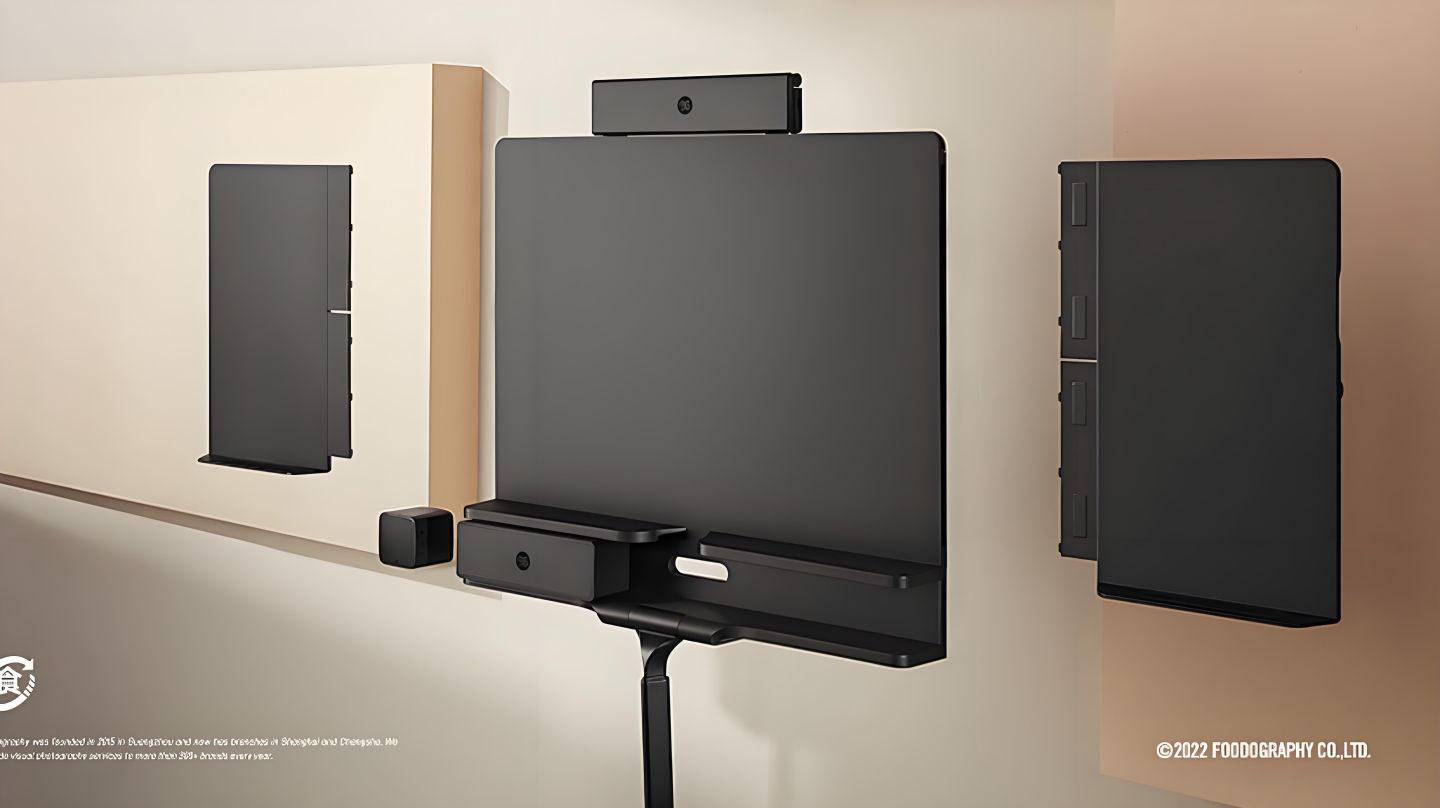
Organized hardware development prototyping follows a staged approach:
EVT (Engineering Verification Test): Focus on proving core functions and basic reliability of the architecture, often with simpler materials and enclosure designs.
DVT (Design Verification Test): Validate the integrated design, including appearance, CMF, and more production‑intent materials and components.
PVT (Production Verification Test): Run pilot builds on near‑final production lines to verify manufacturing flow, assembly, and quality control.
Each stage generates structured feedback, guiding design and engineering adjustments before major investments in tooling.
Hardware development prototyping relies on a mix of technologies, each with strengths and trade‑offs. Common methods include:
3D printing (FDM, SLA, SLS) for fast, low‑volume concept and ergonomic models.
CNC machining for precise, functional parts in metals and plastics.
Soft tooling and limited injection molding for higher‑fidelity appearance and mechanical testing.
PCB prototype runs and hand assembly for early electronics verification.
LKK’s prototyping services combine these methods with a large supply‑chain network to deliver functional prototypes in as little as six weeks, including pre‑compliance testing. This speed is crucial for venture‑backed teams working under tight milestones.
Successful hardware development prototyping happens when industrial design, mechanical engineering, and electronics design work in parallel instead of in isolation. Industrial design defines form and user experience, mechanical design handles internal structures and assembly, and electronics design provides the functional core of the product.
LKK Innovation Design Group offers end‑to‑end services across these disciplines, so prototypes reflect an integrated view of the product rather than a patchwork of subsystems. Visit the Industrial Design and Manufacturing Engineering pages to see how these capabilities connect.
Structured hardware development prototyping is one of the most effective ways to reduce risk and development cost. By catching issues in EVT and DVT stages, teams can avoid expensive tooling changes and emergency redesigns later.
Integrated partners like LKK help by:
Applying DFM reviews at each stage to align prototypes with real factory capabilities.
Running pilot lines that mirror mass‑production conditions during PVT.
Using APQP and ISO‑certified quality systems to maintain consistency across builds.
With 600+ awards and thousands of shipped products across multiple categories, LKK’s accumulated experience turns prototyping from a risky experiment into a repeatable process that supports scalable growth.
If your team is planning a new device, explore the LKK Design official site to see case studies and resources that detail how hardware development prototyping can shorten your time‑to‑market.


We use cookies to ensure that we give you the best experience on our website. By clicking "Accept All", you consent to our use of cookies. Learn more.
Please fill out the form and we'll get back to you shortly.
Your submission has been received !
Thank you for your submission.
We will get back to you within 24 hours and appreciate your patience.
Enter your details to receive the toolkit for free.