
When a team decides to bring a new physical product to market, the journey rarely follows a straight line. It moves through a structured product prototype life cycle, where each stage answers different questions about desirability, feasibility, and manufacturability. Contract manufacturing plays a critical role in making sure that what looks good on paper can actually be built at scale, on time, and within budget.
In practice, this life cycle normally includes:
Concept exploration
Early proof‑of‑concept models
Engineering validation
Design verification
Production validation and ramp‑up
Mature mass production and continuous improvement
Companies that partner with an experienced contract manufacturer early in this journey significantly reduce costly redesigns, factory delays, and quality problems later on.
Every product begins as an idea, often triggered by user pain points, market research, or emerging technology. At this stage, the focus is on defining the problem, the core value proposition, target users, and key performance indicators.
Teams usually create:
Sketches and storyboards
Basic CAD models
Simple mockups or low‑fidelity prototypes (foam, 3D prints, cardboard)
The goal is to answer “What should we build?” rather than “How do we manufacture it?” However, involving a contract manufacturer, such as LKK Innovation Design Group, even at this early stage can prevent design directions that will later prove too expensive or complex to produce.
Once the concept is clear, the product moves into engineering prototype phases, often called EVT (Engineering Validation Test). Here, the team validates the core technical feasibility: electronics, mechanical structure, firmware, and thermal behavior.
Typical activities include:
PCB layout and first sample builds
3D‑printed or CNC‑machined housings
Basic assembly tests to check tolerances and fits
Initial reliability and performance tests
Contract manufacturers with in‑house engineering capabilities embed design for manufacturability (DFM) from day one. They check wall thicknesses, draft angles, ribs, snap‑fits, and mounting bosses for plastic parts; they evaluate process choices like injection molding, die‑casting, CNC machining, or sheet metal based on expected volumes and cost targets.
LKK’s integrated industrial design, mechanical, electronic, and manufacturing engineering teams are a good example of this approach. They treat prototypes as the “technical language” that connects product vision with factory reality, ensuring that every iteration moves closer to a robust, scalable design.
You can learn more about this integrated approach on their official website: https://www.lkkerscm.com.
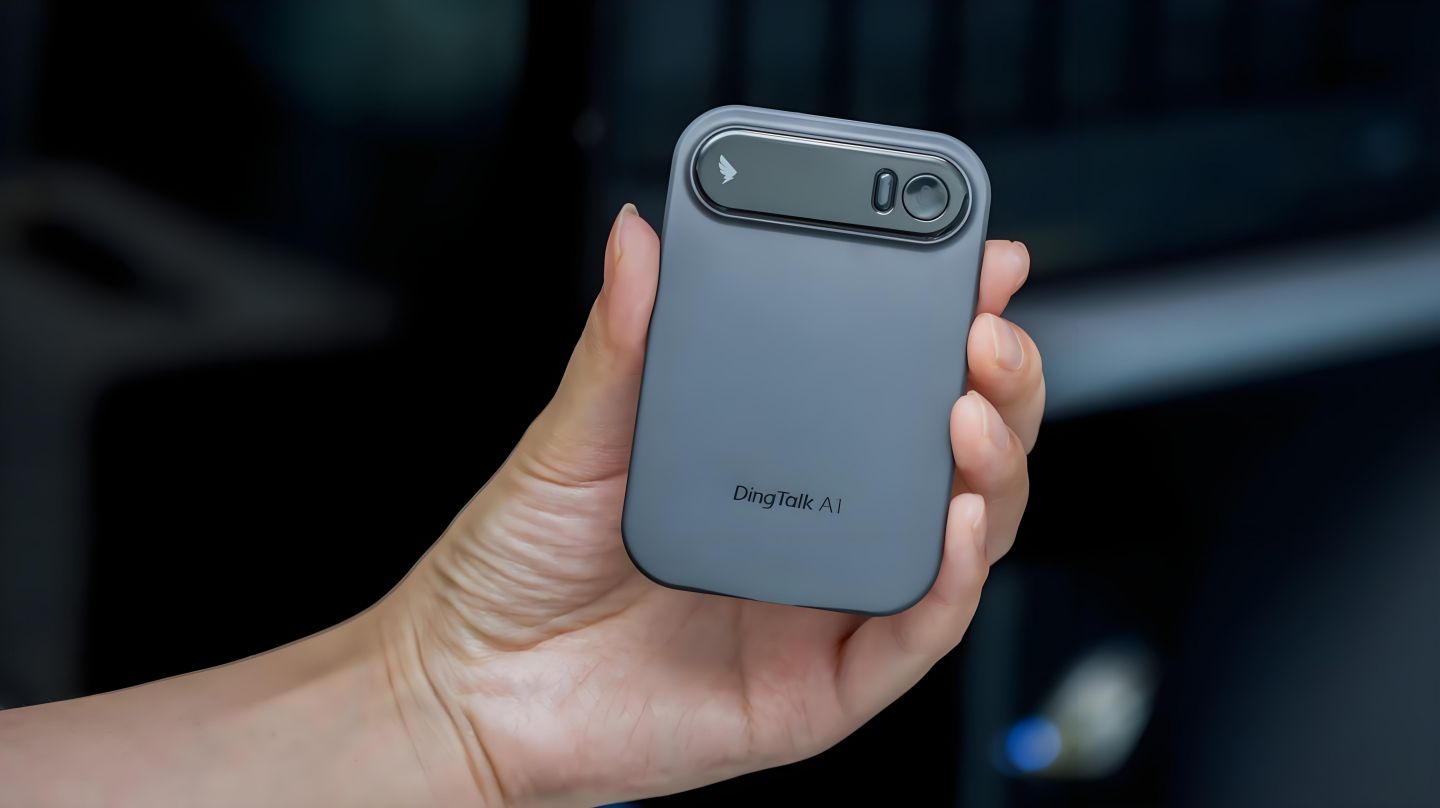
After engineering validation, the product typically moves into DVT (Design Verification Test). At this stage, prototypes reach near‑final form factor and functionality. The objectives are:
Verify that the product meets user experience requirements
Confirm performance under real‑world conditions (drop, vibration, temperature, humidity)
Validate regulatory and safety requirements when applicable
Check that components and materials align with the intended manufacturing processes
Prototypes in DVT usually use higher‑fidelity parts that closely mirror final materials and finishes. Production‑grade PCBs, refined firmware, and near‑final mechanical components are assembled and tested in multiple builds.
Contract manufacturers like LKK leverage their extensive supply chain network—over 5,000 partners—to source components and processes that match mass‑production conditions as closely as possible, so surprises are minimized during ramp‑up.
The next major stage is PVT (Production Verification Test), which focuses less on pure product performance and more on validating the manufacturing system itself.
Key goals include:
Trial production runs on near‑final or final lines
Line balancing to optimize throughput
Yield analysis and improvement
Verification of work instructions, inspection plans, and test procedures
Validation of packaging, labeling, and logistics flows
This is where the product prototype life cycle fully intersects with contract manufacturing expertise. Early tooling, soft tools that emulate final molds, and pilot runs allow teams to see how the product behaves in realistic production conditions and to refine processes before committing to full‑scale investment.
LKK manages these stages with clear documentation and standard operating procedures (SOPs), capturing feedback from each build so that every generation of prototypes improves manufacturability and quality.
Prototypes that are too far removed from real production conditions can hide serious risks. Component lead times, material availability, and process limitations often surface only when it is too late. Contract manufacturers who integrate supply chain thinking into the prototype life cycle can identify such risks early.
For example:
Using soft tooling that mimics final injection molds to catch molding issues in advance
Sourcing production‑grade components to validate availability and second‑source options
Working with the same categories of suppliers that will support volume production for early feasibility checks
LKK’s supply chain network allows prototypes to “speak the same language” as future production lines, shortening handoffs and stabilizing schedules when the product scales.
Quality should be designed into a product prototype life cycle, not bolted on at the end. Advanced contract manufacturers implement quality planning right from early prototypes.
Typical practices include:
Defining key product characteristics and critical assemblies early
Integrating test points into PCBs and mechanical parts
Building quality inspection procedures during pilot builds
Capturing data from factory tests and feeding the findings back into design changes
LKK aligns its quality systems with recognized standards and methodologies, such as ISO‑based systems and APQP‑style planning, ensuring that learning from prototypes systematically improves later mass production yield and stability.
Both startups and large enterprises gain unique benefits by involving contract manufacturers throughout the product prototype life cycle.
For startups:
Access to full‑service support from concept and prototype design through contract manufacturing
Reduced need for in‑house operations teams in the early growth period
Faster learning cycles and fewer costly missteps
For enterprises:
Flexible, project‑based support that plugs into existing R&D and procurement structures
Cross‑industry experience, from consumer electronics and smart home products to healthcare equipment and industrial robotics
Robust processes that scale from innovation pilots to global rollouts
LKK, for instance, has participated in thousands of product launches across sectors such as smart home, medical, industrial, and robotics, bringing lessons from each domain to new projects.
To explore specific case studies and industry applications, you can visit their site: https://www.lkkerscm.com.


We use cookies to ensure that we give you the best experience on our website. By clicking "Accept All", you consent to our use of cookies. Learn more.
Please fill out the form and we'll get back to you shortly.
Your submission has been received !
Thank you for your submission.
We will get back to you within 24 hours and appreciate your patience.
Enter your details to receive the toolkit for free.