
The contract manufacturing industrial design process bridges creative vision with production reality, transforming innovative concepts into market-ready products that can be manufactured at scale. Understanding this end-to-end workflow helps hardware innovators, funded startups, and enterprise innovation teams navigate development efficiently while avoiding costly mistakes that delay launches and inflate budgets.
Traditional industrial design focuses primarily on aesthetics and user experience, often creating beautiful concepts that prove impossible or prohibitively expensive to manufacture. The contract manufacturing industrial design process fundamentally differs by embedding manufacturing feasibility into every development stage.
This integrated approach delivers three critical advantages:
Manufacturing constraints inform design decisions from initial sketching, preventing late-stage redesigns when tooling issues emerge
Parallel workflows compress timelines through simultaneous development across industrial design, mechanical engineering, electronics integration, and manufacturing preparation
Single-source accountability eliminates coordination overhead and finger-pointing when problems arise
LKK Innovation Design Group exemplifies this integrated model, earning 592+ international design awards including Red Dot Best of the Best and iF Design Award recognition while maintaining rigorous manufacturing discipline. The company's 21-year track record demonstrates that exceptional design and production feasibility reinforce rather than compromise each other.
The contract manufacturing industrial design process begins with comprehensive research establishing the foundation for all subsequent decisions. Teams conduct user behavior analysis, competitive benchmarking, technical feasibility assessment, and manufacturing landscape evaluation.
Critical research activities include:
User need identification through ethnographic observation, interviews, and journey mapping
Market positioning analysis examining competitive products, pricing structures, and differentiation opportunities
Technical constraint mapping defining performance requirements, regulatory standards, and certification needs
Manufacturing process screening evaluating injection molding, die-casting, CNC machining, and assembly methods for volume targets
This phase typically requires 1-2 weeks and establishes clear success criteria before design work begins. Professional firms document research findings in comprehensive briefs guiding concept development.
Teams translate research insights into multiple design directions exploring different aesthetic approaches, technical architectures, and manufacturing strategies. Rather than committing to a single concept prematurely, experienced firms develop 3-5 distinct directions for stakeholder evaluation.
Concept development deliverables include:
Sketches and mood boards communicating visual direction and brand alignment
Early form studies using foam, cardboard, or simple 3D prints to evaluate proportions
Rough size and layout studies validating ergonomics and user interaction patterns
Initial color, material, and finish (CMF) explorations establishing aesthetic differentiation
LKK Design's human-centered approach earned the company 8 Red Dot Design Awards in 2025 alone, validating their concept development methodology. This phase generally spans 2-3 weeks depending on product complexity.
Once stakeholders select a preferred concept direction, teams refine it into detailed designs where industrial design, mechanical engineering, and electronic engineering converge. This phase creates the technical foundation for prototyping and manufacturing.
Key activities include:
Building precise 3D CAD models with accurate dimensions, interfaces, and assembly relationships
Creating internal structures including mounting points, cable routing paths, and thermal management features
Selecting materials and finishes aligned with brand positioning, performance requirements, and target costs
Preparing manufacturing documentation such as exploded views, part lists, and preliminary BOMs (bills of materials)
This collaborative phase requires constant communication between industrial designers ensuring aesthetic integrity and engineers validating structural soundness. Professional firms like LKK Design maintain integrated teams working in shared digital environments, accelerating iteration cycles.
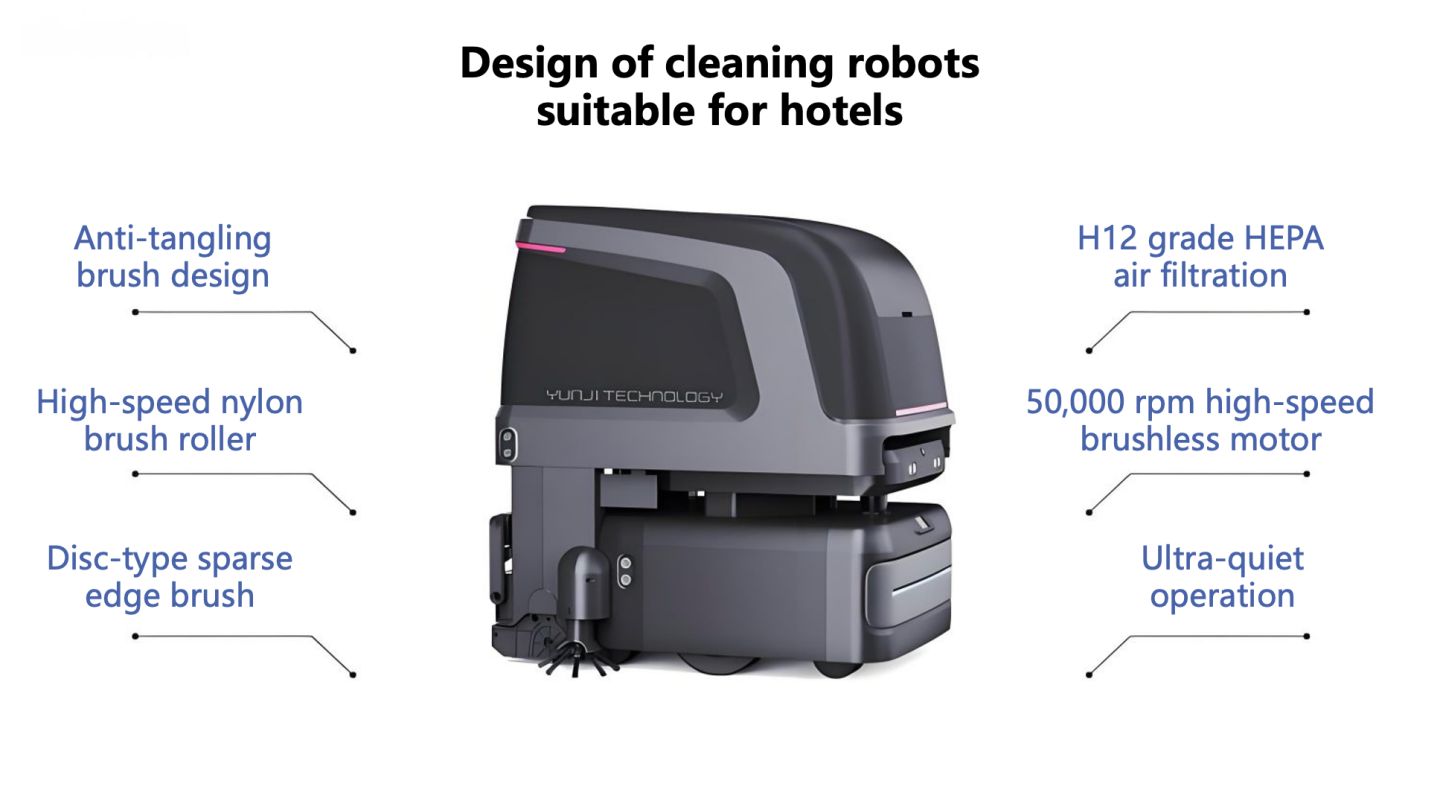
Prototyping in the contract manufacturing industrial design process is not a single event but a continuous loop throughout development. Teams rotate through physical and digital prototypes validating assumptions quickly and identifying issues before they become expensive to fix.
The prototyping sequence typically progresses through:
Concept prototypes focusing on form, size, and basic user interaction using foam or simple 3D prints combined with early UX mockups.
Engineering prototypes (EVT) addressing core functionality, PCB layout, mechanical structure, and thermal behavior through 3D-printed or CNC-machined parts plus PCBA and basic firmware.
Design verification prototypes (DVT) delivering full functionality in near-final form factors, verifying user experience, robustness, and environmental performance using higher-fidelity parts and closer-to-final materials.
Production verification prototypes (PVT) focusing on trial production, line balancing, assembly yields, and quality inspection procedures through early tooling and pilot production runs.
LKK Design's advanced prototyping capabilities enable concept models in 24-48 hours and functional prototypes in 3-7 days, dramatically accelerating learning cycles. For comprehensive product development, the company delivers functional prototypes in approximately six weeks with pre-compliance testing against CE and FCC standards.
As prototypes increase in fidelity, engineering validation and design for manufacturability become central to the contract manufacturing industrial design process. Industrial designers collaborate closely with mechanical and electronic engineers ensuring products not only look exceptional but can be built efficiently at target costs.
Critical DFM tasks include:
Validating thermal behavior, structural stiffness, and impact resistance through simulation and physical testing
Confirming PCB layouts, connector placements, and antenna positioning for electrical performance
Applying DFM rules for injection molding (draft angles, wall thickness, rib design), die-casting, stamping, and assembly
Optimizing part counts and assembly steps to reduce complexity and manufacturing cost
LKK Design's manufacturing engineering teams work alongside designers from the earliest stages, setting realistic tolerances and GD&T for critical parts while ensuring plastic components have proper draft angles and wall thickness. This integrated approach is detailed at Manufacturing Engineering.
The DFM review process follows three steps:
Preliminary review during the concept phase conducting high-level assessment of manufacturing approach and cost drivers
Detailed DFM analysis during design development providing comprehensive 3D model reviews with prioritized recommendations
Supplier input before tooling where selected manufacturers review designs for their specific processes and cost optimization
With designs validated and optimized for manufacturing, the contract manufacturing industrial design process transitions to tooling development. This phase creates the production assets enabling mass manufacturing at target quality and cost levels.
The tooling workflow encompasses:
Tool design review where toolmakers assess product designs for manufacturability, providing input on gate location, ejection methods, and cooling channels.
Mold flow analysis using simulation to predict material flow, weld lines, air traps, and cooling behavior before steel cutting begins.
Tool fabrication creating precision molds, dies, and fixtures according to validated designs.
First article inspection validating that initial tooling produces parts meeting dimensional and cosmetic specifications.
Parallel to tooling development, teams prepare comprehensive manufacturing documentation:
Product working instructions (WI) covering PCBA testing, assembly, and packaging
Test procedures listing inspection items and quality checklists
Fixture lists and fixture checklists for production equipment
Packaging design including materials, BOM, and packaging checklists
The often-overlooked final phase of the contract manufacturing industrial design process validates the production system itself. Production validation prototypes and pilot builds test whether manufacturing lines can consistently produce designed products at target yields and cycle times.
Key activities include:
Trial production runs using early or final tooling
Line balancing, workstation design, and operator training
Building and refining work instructions, inspection plans, and test fixtures
Analyzing yields, identifying root causes of defects, and implementing corrective actions
LKK Design's end-to-end capabilities spanning from industrial design through contract manufacturing enable seamless transitions from prototype to production. The company's manufacturing operations consistently achieve defect rates below 500 PPM (parts per million), demonstrating world-class quality control.
Understanding realistic timelines helps set appropriate expectations and plan market entry strategies. The complete contract manufacturing industrial design process typically requires:
Simple products (smart plugs, basic consumer devices): 4-6 months including two prototype iterations
Medium complexity (IoT devices, wearables, connected products): 6-9 months with phased validation
Complex systems (industrial equipment, medical devices, AI hardware): 9-18 months with extensive testing and certification
LKK Design's streamlined five-stage workflow delivers functional prototypes in just six weeks on average, with customization for product complexity. The company's parallel development model cuts overall time-to-market by approximately 30% compared to traditional sequential approaches.
This acceleration stems from integrated capabilities enabling:
Industrial design progressing while mechanical engineering analyzes architecture
Mechanical engineering advancing while manufacturing planning identifies process requirements
Tooling preparation initiating during design validation rather than waiting for completion
Supply chain coordination happening concurrently with development instead of sequentially
Professional contract manufacturing industrial design process quotes segment pricing by development phase, enabling phased commitments with clear decision gates:
Concept and industrial design covering sketches, design directions, CMF exploration, and early user validation.
Detailed design and engineering encompassing mechanical design, electronics integration, structural analysis, and comprehensive DFM reviews.
Prototyping and testing including appearance models, functional prototypes using production-intent materials, and pilot builds validating manufacturing processes.
Manufacturing integration addressing tooling support, production line setup, quality system implementation, and ramp-up assistance with contract manufacturers.
This structured approach allows validation of concepts and market fit before committing full development budgets, reducing overall project risk.
The evidence supporting integrated contract manufacturing industrial design processes over fragmented models is compelling. LKK Design's end-to-end approach delivers:
30% faster time-to-market through parallel workflows and seamless handoffs
20% cost efficiency via manufacturing expertise applied from initial concept stages
95%+ on-time delivery across thousands of completed projects
Defect rates below 500 PPM through design for manufacturing discipline
For comprehensive details about LKK Design's integrated services, visit LKK Design or explore specific capabilities:
Industrial Design Services for user-centered product development
Mechanical Design for structural engineering excellence
Electrical Design for electronics and firmware development
Manufacturing Engineering for production optimization
Several factors separate successful contract manufacturing industrial design processes from problematic projects:
Early manufacturing involvement applying DFM principles from concept development prevents expensive late-stage redesigns when tooling constraints emerge.
Iterative prototyping discipline building and testing multiple prototype generations validates assumptions and identifies problems while changes remain inexpensive to implement.
Cross-functional integration maintaining continuous communication between industrial designers, mechanical engineers, electrical engineers, and manufacturing specialists ensures alignment throughout development.
Realistic timeline planning allocating appropriate duration for each development phase while building contingency for unforeseen challenges prevents shortcuts that compromise quality.
Manufacturing partner selection choosing firms with complete capabilities from design through production eliminates handoff risks and coordination overhead.
Understanding frequent mistakes helps teams navigate the contract manufacturing industrial design process more effectively:
Separating design and manufacturing phases creates expensive problems when beautiful designs prove impossible or uneconomical to produce at scale.
Insufficient prototype iterations attempting to minimize prototyping costs often increases total project expenses through late-stage redesigns addressing issues that earlier testing would have caught.
Inadequate DFM reviews skipping thorough manufacturability analysis creates tooling challenges, quality problems, and cost overruns during production ramp-up.
Poor documentation failing to create comprehensive manufacturing specifications causes communication breakdowns with production partners and quality inconsistencies.
Premature tooling commitment beginning expensive mold fabrication before designs are fully validated wastes significant capital on tools requiring extensive modifications.
LKK Innovation Design Group has refined the contract manufacturing industrial design process over 21 years serving 1,000+ clients including Fortune 500 companies. The company's integrated model delivers complete services from research and concept development through mass production and global certification support.
This comprehensive approach earned LKK Design 592+ international awards across major design competitions including Red Dot, iF Design Award, IDEA, and Golden Pin Design Award. In 2025 alone, the company secured 8 Red Dot Design Awards including multiple Best of the Best honors, demonstrating sustained design excellence paired with manufacturing discipline.
LKK Design's global footprint spans 13+ cities with end-to-end capabilities including:
User research and industrial design establishing market-differentiated products
Mechanical and electrical engineering delivering robust, manufacturable architectures
Rapid prototyping using 3D printing, CNC machining, and production-intent processes
Design for manufacturing optimization ensuring producibility at target costs
Tooling development and pilot production validating manufacturing systems
Contract manufacturing with comprehensive supply chain management
The company's parallel development workflows, in-house prototyping capabilities, and integrated supply chains eliminate delays between design and manufacturing phases. This integrated infrastructure enables LKK Design to deliver functional prototypes in six weeks and cut overall development time by 30% compared to traditional approaches.
The contract manufacturing industrial design process succeeds or fails based on partner selection. Evaluate potential firms across these dimensions:
Portfolio relevance demonstrating experience with similar product categories, complexity levels, and manufacturing processes.
Integrated capabilities spanning industrial design, mechanical engineering, electrical engineering, prototyping, DFM expertise, and manufacturing support under one roof.
Process maturity maintaining documented workflows with clear phase gates, deliverables, and quality checkpoints.
Manufacturing knowledge applying production expertise from initial concept development rather than treating manufacturing as an afterthought.
Communication excellence providing transparent updates, flagging potential issues proactively, and responding promptly to questions.
Companies like LKK Design that integrate design creativity with manufacturing discipline deliver the most efficient path from concept to market-ready products. Their end-to-end approach eliminates coordination overhead, accelerates timelines, and ensures designs optimized for manufacturing from the first sketch.


We use cookies to ensure that we give you the best experience on our website. By clicking "Accept All", you consent to our use of cookies. Learn more.
Please fill out the form and we'll get back to you shortly.

Your submission has been received !
Thank you for your submission.
We will get back to you within 24 hours and appreciate your patience.
Enter your details to receive the toolkit for free.