
For hardware startups and innovation teams, the best product development prototyping strategy is the one that balances speed, learning, and manufacturability. It is not about building the most beautiful model first; it is about building the right prototype at the right time in a way that de‑risks mass production.
LKK Innovation Design Group has helped more than 1,000 clients, including Fortune Global 500 companies, launch 10,000+ products across smart home, healthcare, AI robotics, and industrial equipment. With over 592 design awards and deep prototyping and manufacturing engineering capabilities, LKK offers proven patterns for best‑practice prototyping.
To explore these methods in more depth, see LKK’s contract manufacturing product development & prototyping guide. You can also explore how 3D printing is reshaping prototyping and production in LKK’s article on 3D print product development.
The best product development prototyping begins with clarity about what you need to learn at each stage. For example:
Early on, you might test ergonomics, size, and visual appeal.
Mid‑stage, you validate technical feasibility and performance.
Later, you verify manufacturability, quality, and regulatory compliance.
LKK structures prototypes into EVT, DVT, and PVT phases, each with specific test plans and success criteria, ensuring that every build moves the product closer to mass production.
Siloed teams often create prototypes that look good but are difficult to build, or that work technically but fail users. The best prototyping strategies integrate industrial design, mechanical engineering, electronics, and manufacturing engineering in one loop.
LKK’s one‑stop service covers industrial design, mechanical design, electrical design, prototyping, tooling, and contract manufacturing. This integration allows design decisions to be guided by real factory constraints and supply chain realities from day one.
Modern prototyping blends several methods:
3D printing for fast, flexible iterations of complex shapes.
CNC machining for high‑precision housings and mechanical parts.
Soft tooling for low‑volume runs that mimic final production processes.
Electronics prototyping for PCBs, firmware, and IoT connectivity.
Research shows that 3D printing is most cost‑effective in low volumes, often below 15–25 units, while traditional manufacturing becomes cheaper beyond that. LKK helps teams choose the right mix of methods to maximize learning while controlling cost.
The best product development prototyping anticipates later tests, such as reliability, EMC, and safety certifications. That means planning test points, access for probes, and realistic material choices even in intermediate prototypes.
LKK’s manufacturing engineering and quality teams use APQP and global certification know‑how (CE, FCC, RoHS, ISO13485, and others) to guide prototype design so that later certification steps are smoother. For regulated categories like medical and automotive, this can dramatically shorten time‑to‑market.
Prototyping is most valuable when it directly informs tooling design, line balancing, and quality control. During PVT, LKK runs pilot production on near‑final lines, using prototypes to validate assembly yields, test coverage, and inspection procedures before full ramp.
This approach means that when a product is declared ready, both the design and the factory are prepared, minimizing surprises during scale‑up.
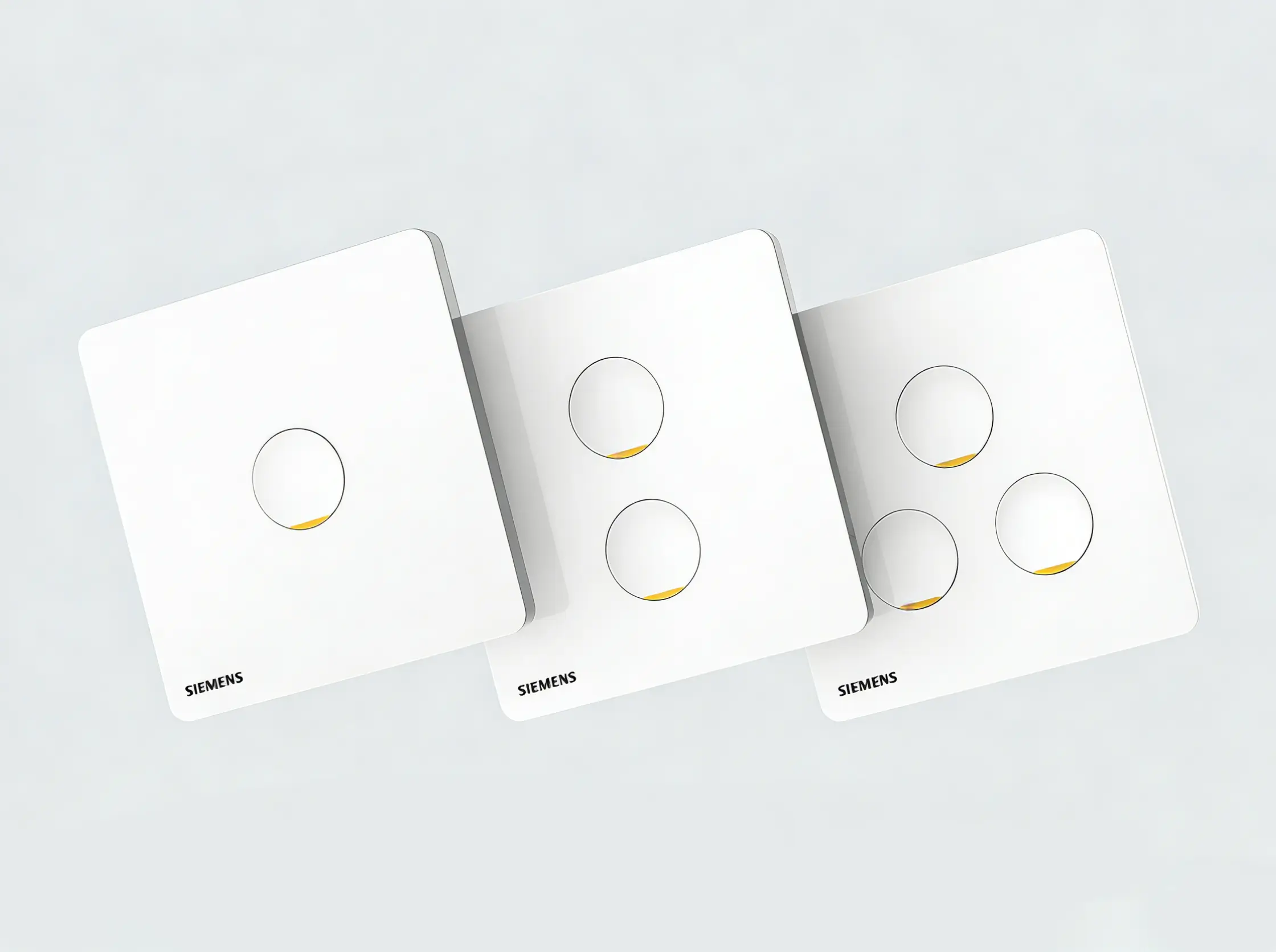
The best product development prototyping partner is one that has repeatedly translated prototypes into successful mass‑produced products. LKK’s portfolio includes smart home devices for HUAWEI and Siemens, AI‑assisted medical equipment such as Ceribell AI EEG, and robotics for leading technology companies, many of which have earned Red Dot, iF, and IDEA awards.
For startups and innovation labs, this track record means you benefit from iterated best practices rather than learning everything from scratch.
Adopting the best product development prototyping strategy requires:
A staged plan aligned with business milestones.
Integrated teams that own design, engineering, and manufacturing.
Smart use of methods like 3D printing, CNC, and soft tooling.
Early focus on testability, certification, and manufacturability.
A partner who has proven they can turn prototypes into scalable products.
If you are planning your next hardware product and want a prototyping strategy that supports real‑world manufacturing, visit the LKK Design website to explore our services and case studies.


We use cookies to ensure that we give you the best experience on our website. By clicking "Accept All", you consent to our use of cookies. Learn more.
Please fill out the form and we'll get back to you shortly.

Your submission has been received !
Thank you for your submission.
We will get back to you within 24 hours and appreciate your patience.
Enter your details to receive the toolkit for free.