
For hardware startups and innovation teams, contract manufacturing, product development, and prototyping are no longer separate tracks – they are one continuous system that determines whether your product ships on time and on budget. When these stages are tightly integrated under a single partner, you cut hand‑offs, reduce rework, and move from idea to mass production with more confidence.
LKK Innovation Design Group (LKK Design) follows exactly this integrated model, supporting clients from concept validation and industrial design all the way through EVT, DVT, PVT, and mass production. With more than 20 years of experience, 10,000+ products launched, and 5,000 vetted supply chain partners, LKK has become one of China’s most awarded innovation design groups and a trusted contract manufacturing partner for both startups and Fortune 500 brands.
In many traditional projects, teams treat design, engineering, and manufacturing as separate steps: designers hand CAD files to engineers, who then email drawings to a contract factory. Every transition introduces risk, delays, and cost. Modern contract manufacturing product development flips this model by placing all disciplines under one coordinated team that plans for manufacturing from day one.
In an integrated program, the same partner that shapes your product strategy and industrial design also engineers the mechanics and electronics, builds prototypes, designs tooling, and runs pilot production. This alignment ensures that early decisions about form factor, ergonomics, and user experience are compatible with material selection, assembly processes, and quality targets on the factory floor.
For funded startups and innovation departments, this means your project team always understands both the user and the production line. Instead of discovering manufacturability issues at the last minute, you validate them iteratively through structured prototyping and production validation phases.
Prototyping is the backbone of any successful hardware product development project because it turns assumptions into testable realities. In a contract manufacturing context, prototypes do more than prove the concept; they de‑risk mass production by validating architecture, materials, assembly, and quality control processes.
A typical full‑cycle program managed by LKK Design includes several escalating prototype phases from concept mockups to production verification builds. By the time you reach mass production, the design, tooling, line balancing, and inspection routines have already been exercised and refined.
Most integrated contract manufacturing product development and prototyping engagements follow a similar structure.
Concept prototypes At this stage, the focus is on form, size, and basic user interaction rather than full functionality. Teams often use foam, simple 3D prints, and UX mockups to explore design directions, ergonomic options, and brand language.
Engineering prototypes (EVT) Engineering Verification Test (EVT) prototypes integrate core functionality, PCB layout, mechanical architecture, and initial firmware. LKK typically combines 3D‑printed or CNC‑machined parts with assembled PCBAs to validate thermal behavior, mechanical strength, and critical tolerances.
Design verification prototypes (DVT) Design Verification Test (DVT) builds deliver near‑final functionality and form factor to test user experience, robustness, environmental performance, and regulatory compliance. Materials and finishes are closer to mass production, which helps confirm cosmetic quality as well as usability and durability.
Production verification prototypes (PVT) During Production Verification Test (PVT), teams perform trial production runs on near‑final tooling and assembly lines to tune processes, line balancing, yields, and inspection workflows. This is where contract manufacturing expertise is critical, because every iteration directly impacts time‑to‑market and cost structure.
With this phased approach, LKK has supported more than 3,000 product launches from EVT to MP across about 30 industries, maintaining first‑run yield rates above 98.5% in integrated programs.
For a startup, every month of delay consumes runway, while every major design change late in the cycle can be financially painful. For established enterprises, fragmented workflows can lead to misaligned teams, duplicated testing, and inconsistent quality across global product lines.
An integrated contract manufacturing and product development partner solves these issues in several ways.
Time efficiency Parallel development across industrial design, engineering, and tooling can shorten development timelines by around 30%, especially when in‑house pilot lines and rapid prototyping are available. LKK often delivers functional prototypes in about six weeks, allowing teams to validate user experience and technical risk long before ramp‑up.
Cost leadership Modular design, shared supplier networks, and early Design for Manufacturing (DFM) reviews reduce rework and optimize BOM cost. By designing with realistic processes and materials from the beginning, LKK helps many clients achieve target costs without sacrificing critical features.
Quality excellence Robust quality systems like ISO9001 and sector‑specific standards such as ISO13485 for medical devices provide a foundation for consistent quality. Combined with APQP methodologies and EMC pre‑compliance checks, LKK’s integrated programs often reach yield rates of roughly 98.5% and maintain defect levels in the 500–1000 PPM range.
Risk mitigation Early EVT/DVT/PVT planning, integrated supply chain selection, and structured validation help identify mechanical, electrical, and supply‑chain risks while changes are still affordable. This is especially valuable for regulated industries like healthcare, where compliance, longevity, and traceability are mandatory.
In hardware, choosing a contract manufacturing product development partner is not just about engineering capability; brand credibility and design quality also matter. LKK Innovation Design Group is widely recognized as one of China’s most awarded innovative design groups, with hundreds of international prizes including iF, Red Dot, IDEA, Golden Pin, and Red Star design awards across medical, consumer, smart home, and industrial equipment categories.
These honors are not abstract trophies; they signal consistent capability to combine user experience, aesthetics, and manufacturability in real products. For example, LKK’s award‑winning smart home control panels, medical imaging systems, prosthetics, and projectors demonstrate its ability to integrate complex electronics, strict regulatory constraints, and high‑end industrial design in production‑ready devices.
Beyond awards, LKK has served more than 1,000 industry leaders, including Fortune Global 500 companies and many of China’s top brands in sectors such as healthcare, automotive, smart home, and consumer electronics. This breadth of experience allows the team to reuse proven architectures and supply chain strategies, reducing risk for new clients launching their first or next product.
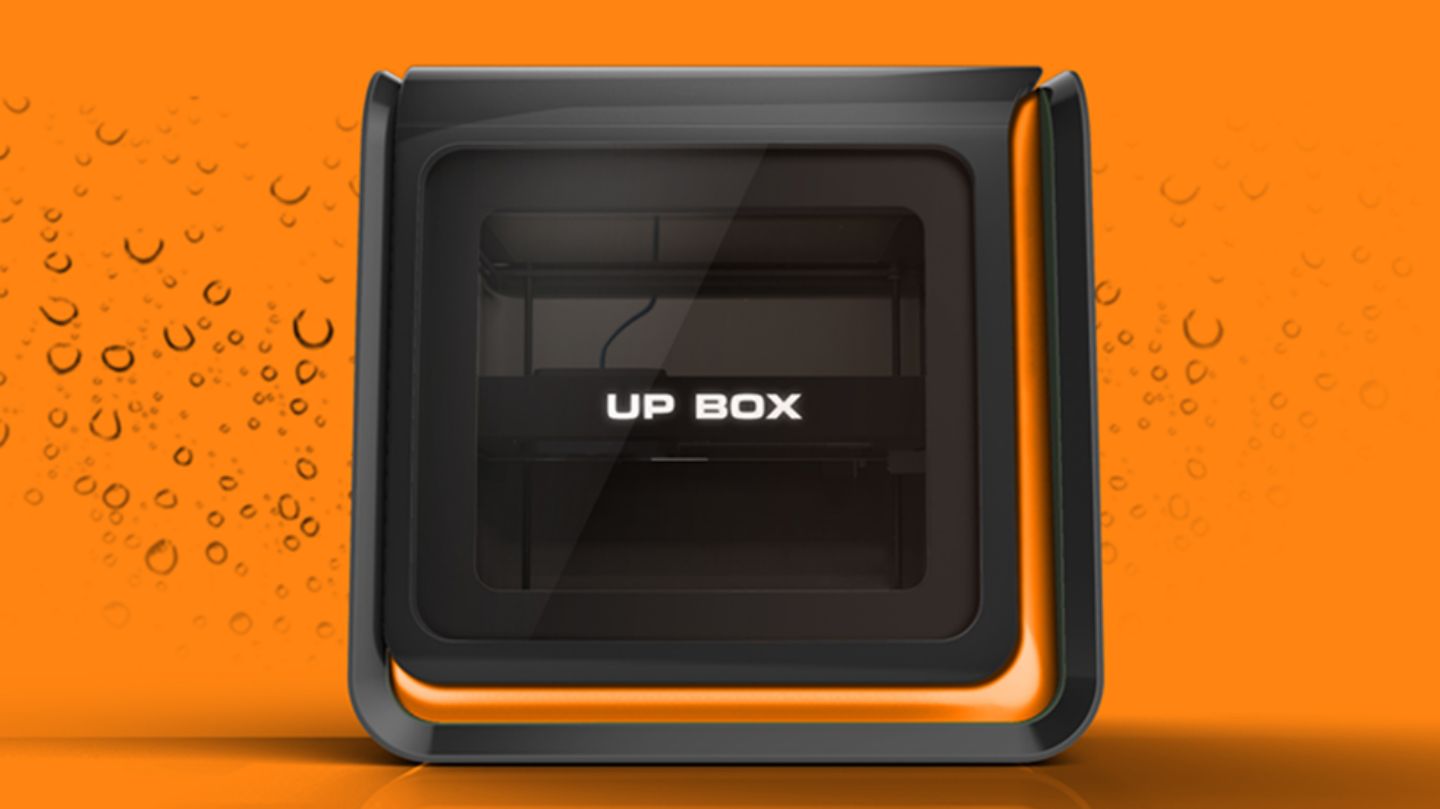
LKK’s service model is designed for companies that want one accountable partner from concept through contract manufacturing. The core stages typically include:
Product strategy and industrial design The engagement starts with product definition, user research, opportunity framing, and concept exploration. Industrial designers collaborate with mechanical and electronic engineers from day one, ensuring that every concept is grounded in realistic packaging, thermal paths, and assembly constraints.
Mechanical and electronics engineering Once the concept direction is chosen, engineers define the mechanical architecture, select materials, determine IP ratings, and develop the electronics hardware architecture and firmware roadmap. Detailed CAD, simulations, and initial PCBA designs lead into EVT prototypes that validate critical functions and interfaces.
Rapid prototyping and validation Using 3D printing, CNC machining, soft tooling, and integrated electronics assembly, LKK builds functional prototypes for usability tests, drop tests, environmental validation, and regulatory pre‑checks. Feedback from these tests feeds into design tweaks before DVT, where prototypes closely resemble final products in both appearance and performance.
Manufacturing engineering and contract manufacturing In the later phases, LKK’s manufacturing engineering team plans tooling (injection molds, die casting, sheet metal), assembly lines, test jigs, and quality inspection standards. Through its network of about 5,000 supply chain partners, the team matches each project with factories optimized for volume, process capability, and certification needs, then manages PVT and mass production on behalf of the client.
Throughout every stage, LKK maintains clear documentation, issue tracking, and change management so that startups and corporate teams always know the status of costs, timelines, and risks. This level of transparency is especially important when you are coordinating stakeholders across design, engineering, marketing, and investor relations.
To explore how this model works in detail, you can review LKK’s contract manufacturing and product prototype design solutions on the official website: LKK Design Contract Manufacturing & Product Prototype Design.
The best time to engage a contract manufacturing product development and prototyping partner is often earlier than teams expect. Involving manufacturing engineers only after the design is “finished” usually leads to painful compromises, tooling changes, and schedule slips.
For startups and innovation departments, a practical approach looks like this.
At the concept stage Engage your partner to help refine market positioning, user journeys, feature sets, and technical feasibility before committing to a detailed spec. This helps align business goals, user value, and production constraints from the beginning.
During architecture definition Collaborate on key decisions like materials, IP ratings, battery capacity, wireless standards, and expected certifications (CE, FCC, FDA, etc.). Early choices here have massive implications for BOM cost, regulatory pathways, and manufacturability.
Before investing in tooling Use EVT and DVT prototypes to validate critical risks and finalize changes before cutting tools. Your contract manufacturing partner should lead DFM reviews for every critical part and simulate assembly processes to avoid last‑minute surprises in PVT.
During pilot and mass production Lean on the partner’s on‑site engineering team and quality systems to stabilize yields, optimize line efficiency, and manage continuous improvement after launch. This is where integrated programs truly pay off, because the same team that designed and prototyped the product is now tuning the factory.
If you want to see how such an end‑to‑end engagement can accelerate your next product launch, visit the LKK Design global site at LKK Design: Product Development & Manufacturing Company. There you can explore industrial design, mechanical and electronics design, and manufacturing engineering services designed specifically for contract manufacturing success.


We use cookies to ensure that we give you the best experience on our website. By clicking "Accept All", you consent to our use of cookies. Learn more.
Please fill out the form and we'll get back to you shortly.

Your submission has been received !
Thank you for your submission.
We will get back to you within 24 hours and appreciate your patience.
Enter your details to receive the toolkit for free.