
The best product development prototyping strategies do much more than produce pretty models. They create a structured learning pathway from idea to mass production. Each prototype answers specific questions about desirability, feasibility, and viability so you never move blindly to the next stage.
For hardware startups and corporate innovation teams, this is critical. Hardware mistakes are expensive and slow to fix. That is why the best product development prototyping is usually done with an integrated partner that combines design, engineering, and manufacturing. LKK Innovation Design Group is one of these partners, drawing on more than 20 years of experience, thousands of shipped products, and hundreds of international awards to help clients prototype smarter.
Every prototype exists to learn something. The best product development prototyping begins by asking: “What do we need to prove before spending more money?”
Early prototypes might test size, ergonomics, and aesthetic direction
Mid-stage prototypes validate technical feasibility and mechanical robustness
Late-stage prototypes verify manufacturability, quality, and certification readiness
By defining learning goals upfront, you avoid overbuilding prototypes that do not provide new insights. LKK often helps clients map these goals to a formal prototype plan, ensuring that each build is justified and aligned with business milestones.
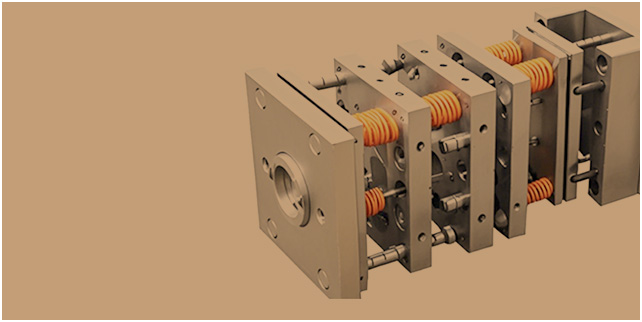
The best product development prototyping does not treat design, engineering, and manufacturing as separate worlds. Instead, all disciplines collaborate in a single loop. For example, when industrial designers at LKK propose a new enclosure concept, mechanical engineers and manufacturing engineers review it immediately, checking structural integrity and DFM factors.
This integrated approach has several benefits:
Fewer surprises when moving from prototype to tooling
More realistic cost estimates early in the process
Faster iteration because key stakeholders are aligned from the start
Different questions require different tools. The best product development prototyping strategy uses a toolbox of methods:
Simple physical mockups and 3D prints for fast form exploration
CNC machining for high-precision mechanical parts and functional tests
Urethane casting and soft tooling for small pilot batches and CMF validation
Electronics prototyping for PCB, firmware, and connectivity
Hybrid methods combining off-the-shelf modules with custom housings
As an integrated design and manufacturing provider, LKK can choose the most efficient methods for each project phase. A startup may begin with low-cost 3D printed mockups, move to CNC and soft tooling for DVT builds, and only invest in full steel tooling once the product definition is stable.
The best product development prototyping anticipates certification and reliability tests. This means:
Designing test points on PCBs and access paths in mechanical layouts
Using realistic materials in later prototypes to predict performance
Running pre-compliance tests for EMC, safety, and environmental stresses
LKK’s engineering teams incorporate these considerations early, especially for medical devices, industrial equipment, and AI products. Prototypes are designed not only to look and function like the final product, but also to behave correctly under standardized tests.
Prototypes have maximum value when they clearly inform how you will manufacture the product. This is where the connection between the best product development prototyping and contract manufacturing becomes critical.
In LKK’s practice, prototype learnings feed directly into:
Tooling design, including gate and ejector layouts
Assembly line planning and work instruction development
Quality control plans and inspection criteria
Supplier selection and process capability assessment
Because LKK also manages mass production and supply chain, it can close the gap between prototype performance and factory reality, minimizing last-minute surprises.
The best product development prototyping is rarely done in isolation. You need a partner with deep experience turning prototypes into successful products across diverse categories. This is where LKK’s honors and track record matter.
LKK has been recognized with hundreds of international design awards such as Red Dot, iF, and Good Design, confirming that its work meets high global standards for innovation and quality. The group has served more than 1,000 major clients and delivered over 10,000 products to market, ranging from consumer electronics and smart home devices to advanced medical equipment and AI interactive robots.
This history of repeated success means LKK’s teams know what tends to go wrong and how to prevent it. Their best product development prototyping practices are built from real-world learning, not theory.
A typical LKK-led prototyping process might look like this:
The team defines what must be learned at each stage, linked to business decisions like funding rounds, customer validation, or manufacturing investments.
The project passes through clearly defined phases such as:
Concept prototypes: for form and initial human factors
EVT: engineering validation for function and structure
DVT: design verification for complete performance and user experience
PVT: production verification for process stability and yield
At each gate, experts from design, mechanical engineering, electronics, manufacturing, and quality review results. Decisions are based on data from tests and user feedback, not only subjective impressions.
Learnings from one project are documented and reused across others. Over years of practice, this has enabled LKK to refine its best product development prototyping approach and deliver consistent outcomes for clients.
Why the best product development prototyping matters for your business
For founders and innovation managers, the quality of your prototyping strategy directly impacts:
Time-to-market: efficient prototyping removes rework and compresses schedules
Cost: early detection of issues prevents expensive changes late in the process
Product quality: systemic testing and learning improve reliability and user satisfaction
Investor confidence: a clear, staged prototyping plan signals control and professionalism
By partnering with an experienced provider like LKK, you gain access to a proven framework for the best product development prototyping, backed by full-scale design and manufacturing capabilities in China.
To explore how LKK can support your prototypes and full product development, visit the official website at www.lkkerscm.com, where you can review services in industrial design, mechanical design, electronics, and contract manufacturing.


We use cookies to ensure that we give you the best experience on our website. By clicking "Accept All", you consent to our use of cookies. Learn more.
Please fill out the form and we'll get back to you shortly.

Your submission has been received !
Thank you for your submission.
We will get back to you within 24 hours and appreciate your patience.
Enter your details to receive the toolkit for free.