

 Home /
Volkswagen CAMS Charging Station
Co-creating an exceptional charging experience that goes beyond expectations with users.

Client
Design Objectives
Core Technology
Industrial Design


Current New Energy Charging Stations
Brand Communication
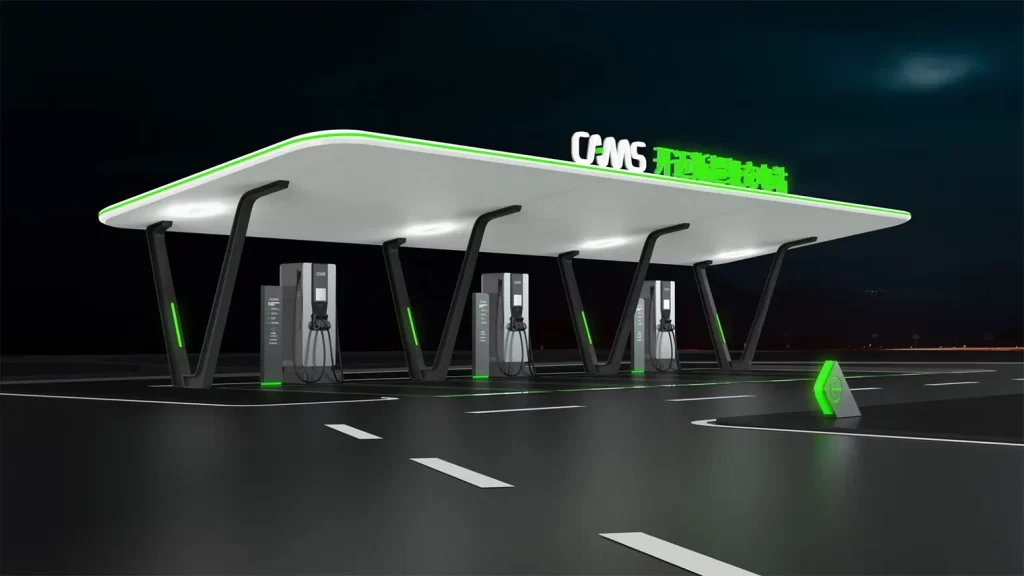
With strong national policy support and continuously growing consumer demand, China’s new energy vehicle market has become a global trendsetter. However, most existing charging station SI (Space Identity) systems still rely on generic modular designs with simple logo applications. There is a lack of unified visual identity and distinctive brand recognition, resulting in weak brand memorability.
User Experience
At present, charging infrastructure remains in a functional survival stage, primarily designed to meet basic charging needs. There is still a lack of holistic station planning that is based on target user behavior motivations in specific scenarios, including overall spatial flow design and integrated service ecosystem planning.
Design Strategy
Market Insight
Build a new energy vehicle lifestyle service platform centered around charging as the entry point, delivering standardized, high-quality, and diversified service experiences.
User Insight
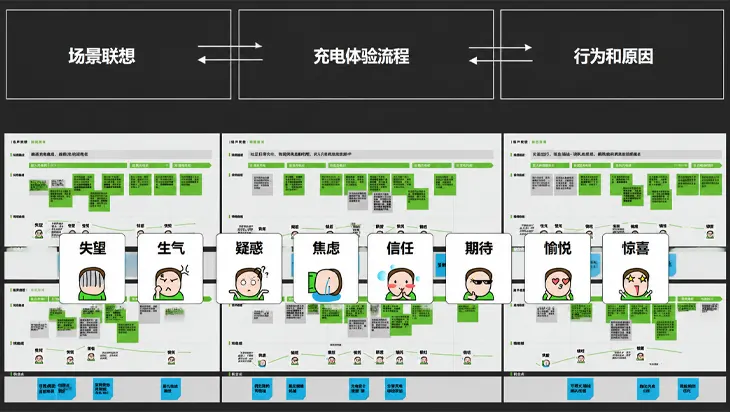
By applying the AT-ONE framework and leveraging collaborative co-creation principles, a complete mobility ecosystem is constructed through user journey mapping tools. The goal is to create a user-centric charging service system that delivers an experience beyond expectations.
Brand Positioning
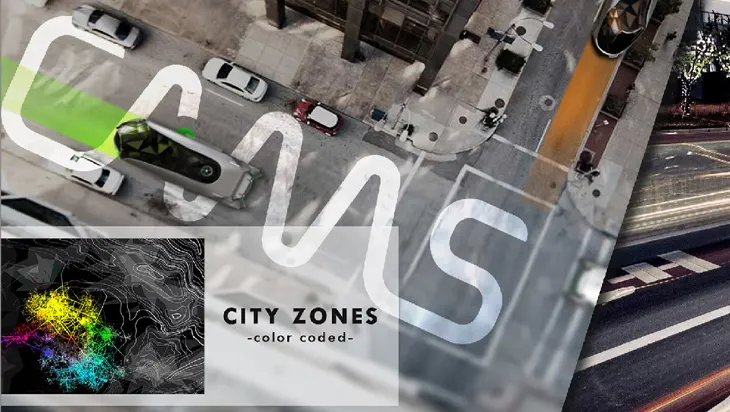
CAMS will provide an end-to-end integrated ecosystem, spanning from the R&D and manufacturing of charging infrastructure to intelligent software connectivity. It serves a full spectrum of users—from private charging customers to semi-public, public, and commercial users—while bridging the entire industry chain from upstream power supply to downstream service platforms. This enables seamless integration across all business scenarios and touchpoints, both front-end and back-end.
Service Design
For the charging service operations team, a collaborative brand experience loop is established across multiple stakeholders. Deliverables include clearly defined value proposition keywords, a high-impact emotional journey map, and spatial circulation planning diagrams that support optimized user flow and service design within charging environments.
💡 Solution
- Logo Concept and Application for CAMS
In combination with industry characteristics, a logo and visual identity system (VIS) is developed for CAMS. The design fully considers how brand visual symbols perform across different material applications in real industrial environments, including metal, glass, concrete, and composite materials. Special attention is given to production processes such as spraying, etching, illuminated signage, and modular assembly to ensure consistent visual recognition and manufacturability. The VIS system emphasizes standardized industrial application guidelines to meet the high consistency and scalability requirements of the charging infrastructure industry. - Flagship Demonstration Stations & Integrated Service Sites
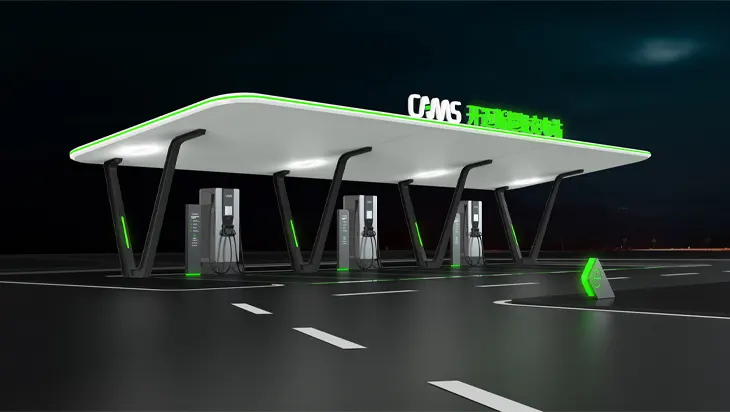
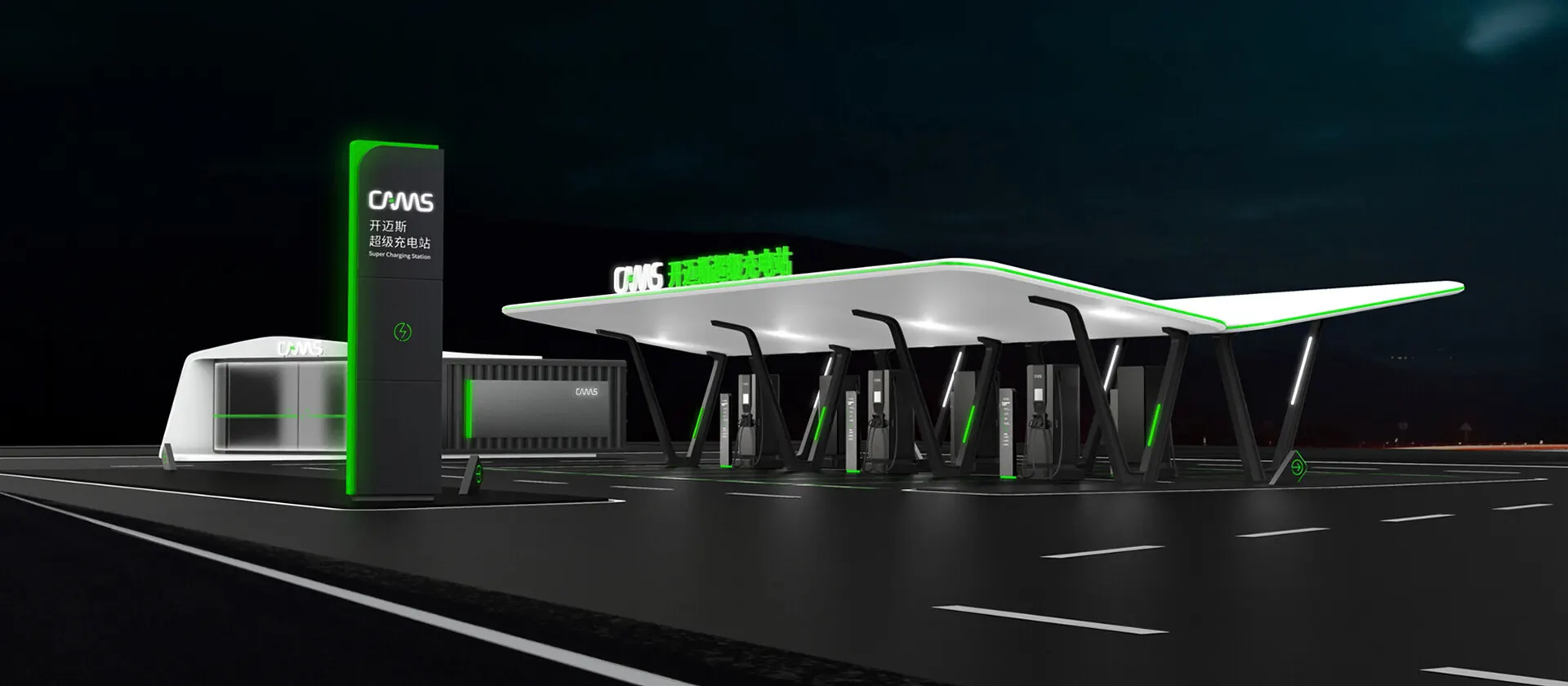
Within the CAMS charging service system, flagship demonstration stations and comprehensive functional hubs are developed to strengthen brand visibility. By introducing iconic structures such as monolithic “spirit totems,” container-based service units, and user rest areas, multiple touchpoints are created to enhance user engagement and brand perception. In key urban commercial districts, systematic brand exposure is implemented to establish CAMS as a recognizable flagship charging station network. - Community-Based & Lightweight Destination Charging Stations
For high-frequency, short-duration charging scenarios such as residential communities, hospitals, and office areas, a standardized and modular charging station system is designed. These stations prioritize consistency, replicability, and spatial efficiency, serving as the most widespread entry-level nodes in the network. Through dense deployment across urban districts, they deepen market penetration and complete the CAMS charging service ecosystem loop. - Implementation, Production & Quality Control System
Provide full support for branding material production and manufacturing during the implementation phase of CAMS projects, including technical documentation, material standardization, sampling supervision, and quality assurance. Establish a unified system of visual and construction standards to ensure consistency from design to fabrication, installation, and final deployment. Through end-to-end oversight—covering design, construction, and launch—the process minimizes delays and reduces iteration costs, ensuring high-fidelity execution and efficient project delivery.

Like What You See?
 Let's Talk About Your Project