

 Home /
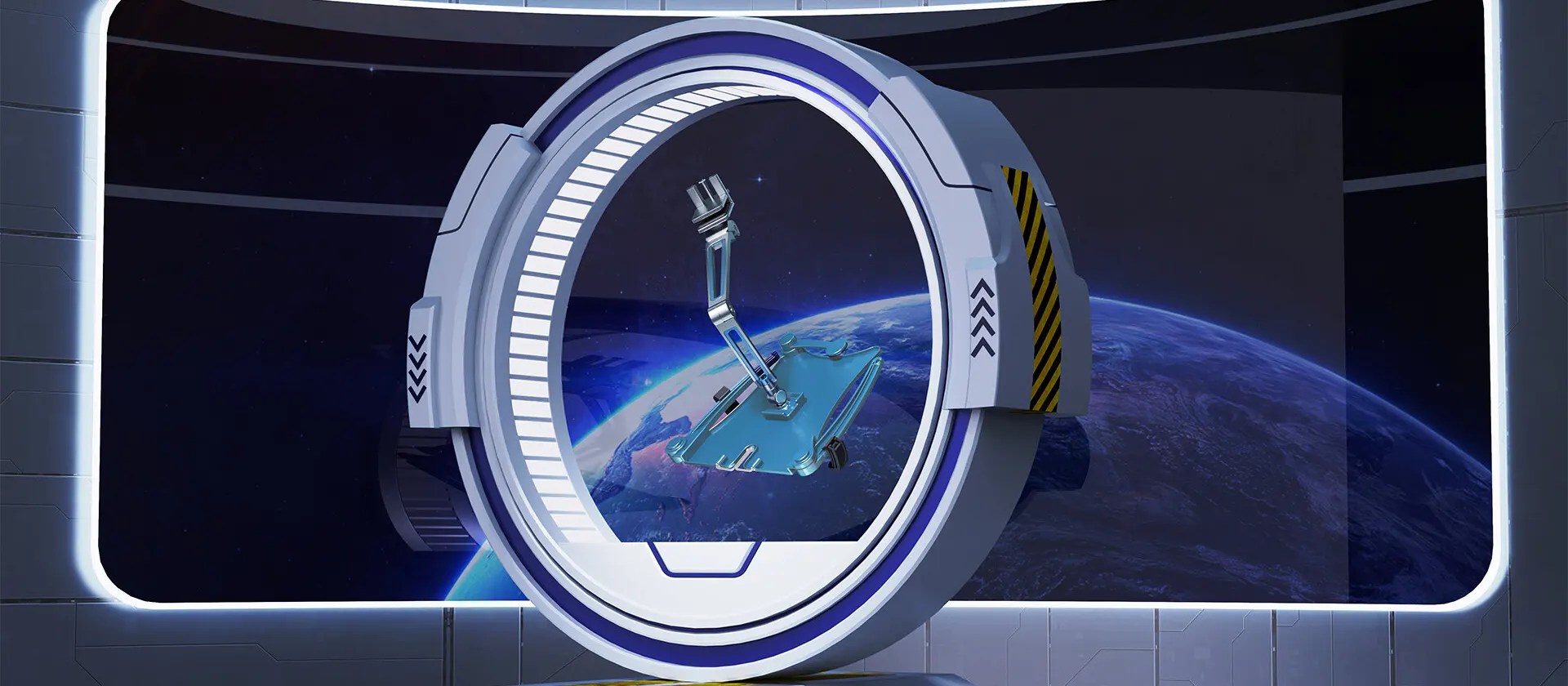
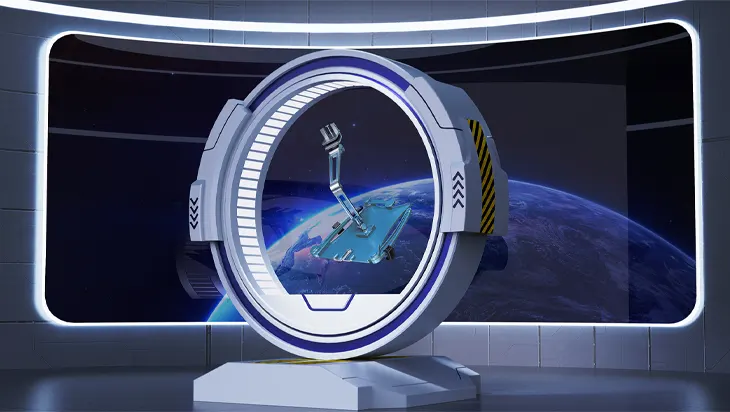
Tianhe Core Module Fixed Workstation
Independent innovation drives the development of a major aerospace power and advanced national defense equipment.

Client
Design Objectives
Key Advantages
Functional Modules


Innovation Insights

Project Background
China Aerospace Science and Technology Corporation (CASC) is the leading force in China’s aerospace science and technology industry and one of the country’s first batch of innovation-driven enterprises. It oversees 8 major research and production consortiums, 11 specialized companies, 14 domestic and international listed companies, as well as various affiliated units. Its core business covers the research, design, manufacturing, testing, and launch services of aerospace products such as launch vehicles, various satellites, crewed spacecraft, cargo spacecraft, deep space probes, space stations, and strategic and tactical missile systems.
User Requirements
LKK Research & Development was responsible for the design and production of supporting equipment for China’s space station core module (as well as the upcoming Experimental Module I and II). The product portfolio includes mobile long armrests, mobile short armrests, mobile telescopic rods, single-head armrests, short rails, long rails, anchoring bolts and accessories, space foot restraints, large workstation extension components, mobile foot restraints, fixed long armrests, fixed short armrests, curved armrests, fixed workstations, mobile workstations, main dining tables and expandable dining tables, among others.
These systems are used by astronauts in various onboard functional zones, including working areas, sleeping quarters, hygiene areas, dining areas, medical monitoring zones, and exercise areas, supporting both daily life and operational tasks in orbit. The products were successfully launched aboard the core module and are part of a program under CASC.
Design Strategy
Product Strategy
Each individual subsystem product is executed through four rigorous development and validation stages—prototype, structural & thermal control unit, qualification unit, and flight unit. This process ensures that all products ultimately launched into space achieve a zero-defect standard in both design and manufacturing.
User Insights
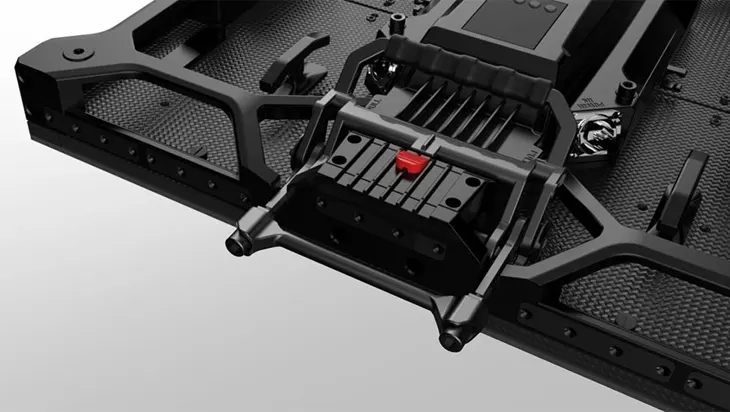
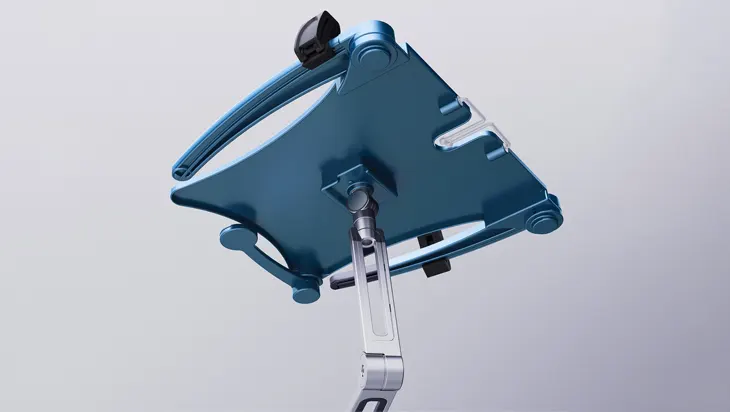
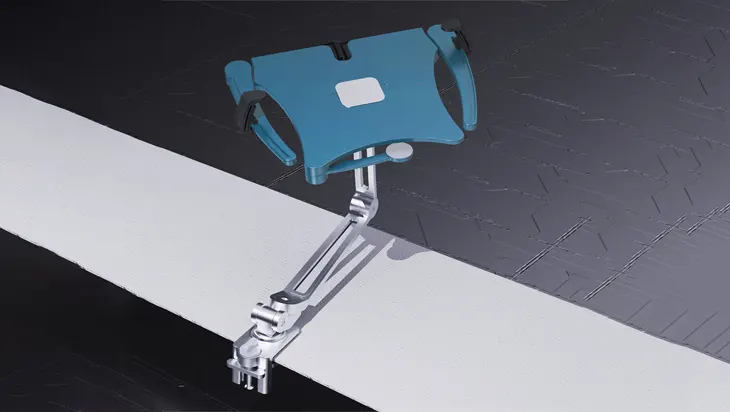
This component serves as a tabletop surface used by astronauts inside the spacecraft for writing notes or securing small devices such as tablets.
Foldable Storage
When not in use, the component can be folded away, minimizing occupied space inside the cabin.
Quick Positioning
Allows fast and convenient locking and position adjustment for secure fixation.
💡 Solution
- In strict accordance with the “Space Station Product Design and Construction Specification”, each individual subsystem is accompanied by a complete data package, ensuring full lifecycle traceability of quality.
- The structural design was repeatedly optimized and refined to maintain functional performance while maximizing strength, usability, durability, and safety. At the same time, weight was minimized and spatial occupation reduced as much as possible, enabling easy expansion and integration with other onboard systems. In parallel, production was fully controlled end-to-end to ensure compliance with the “Manned Spacecraft Unit Acceptance Standard” and successful delivery of all products.

Like What You See?
 Let's Talk About Your Project