

 Home /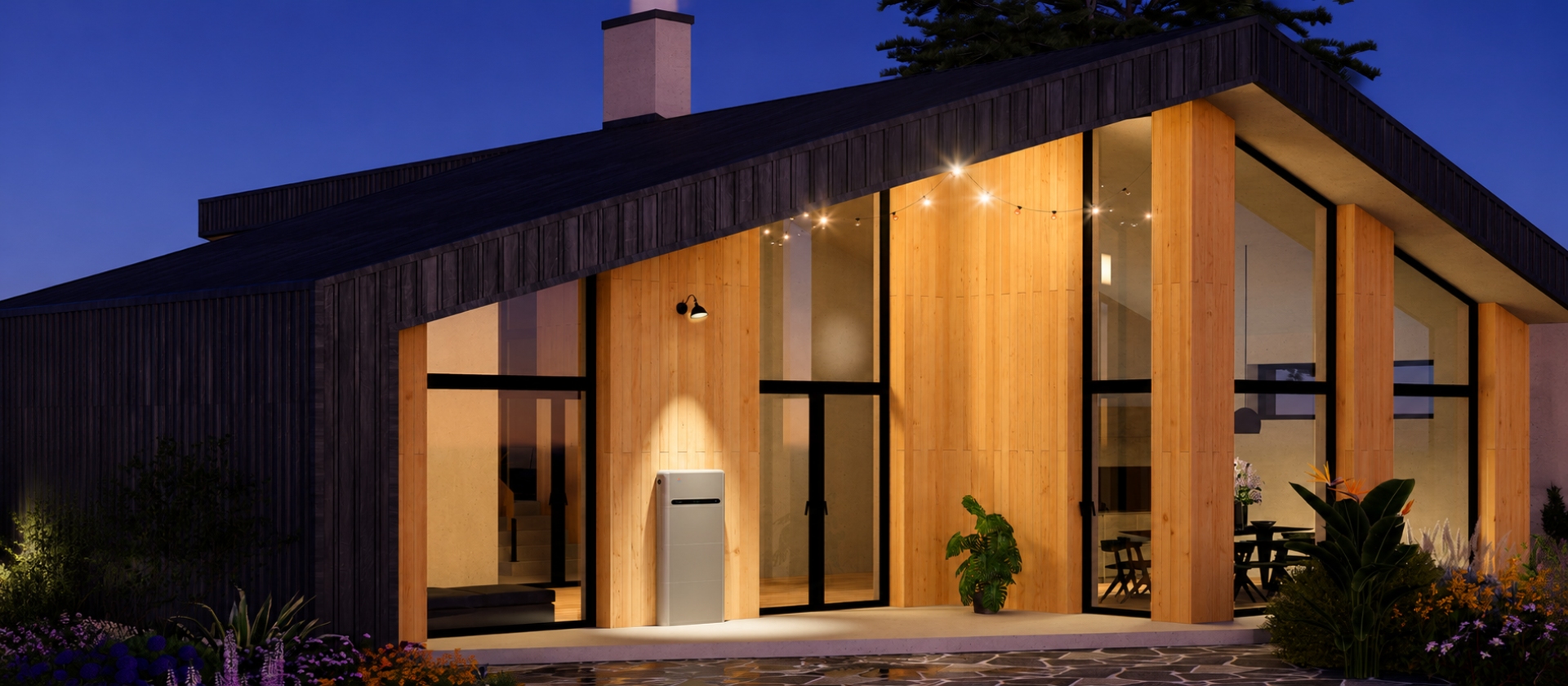
HTES Home Energy Storage Product Design
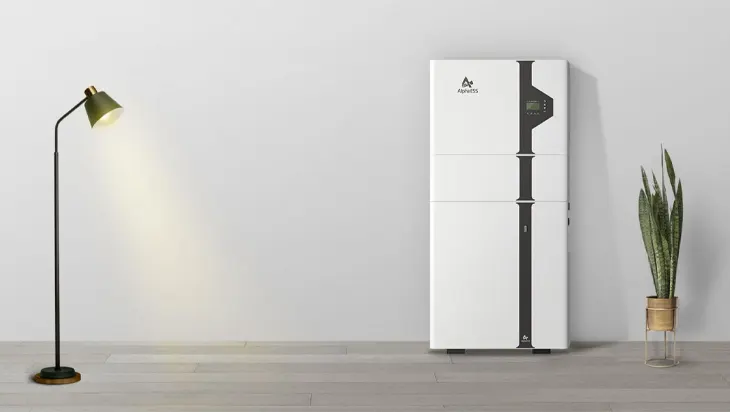
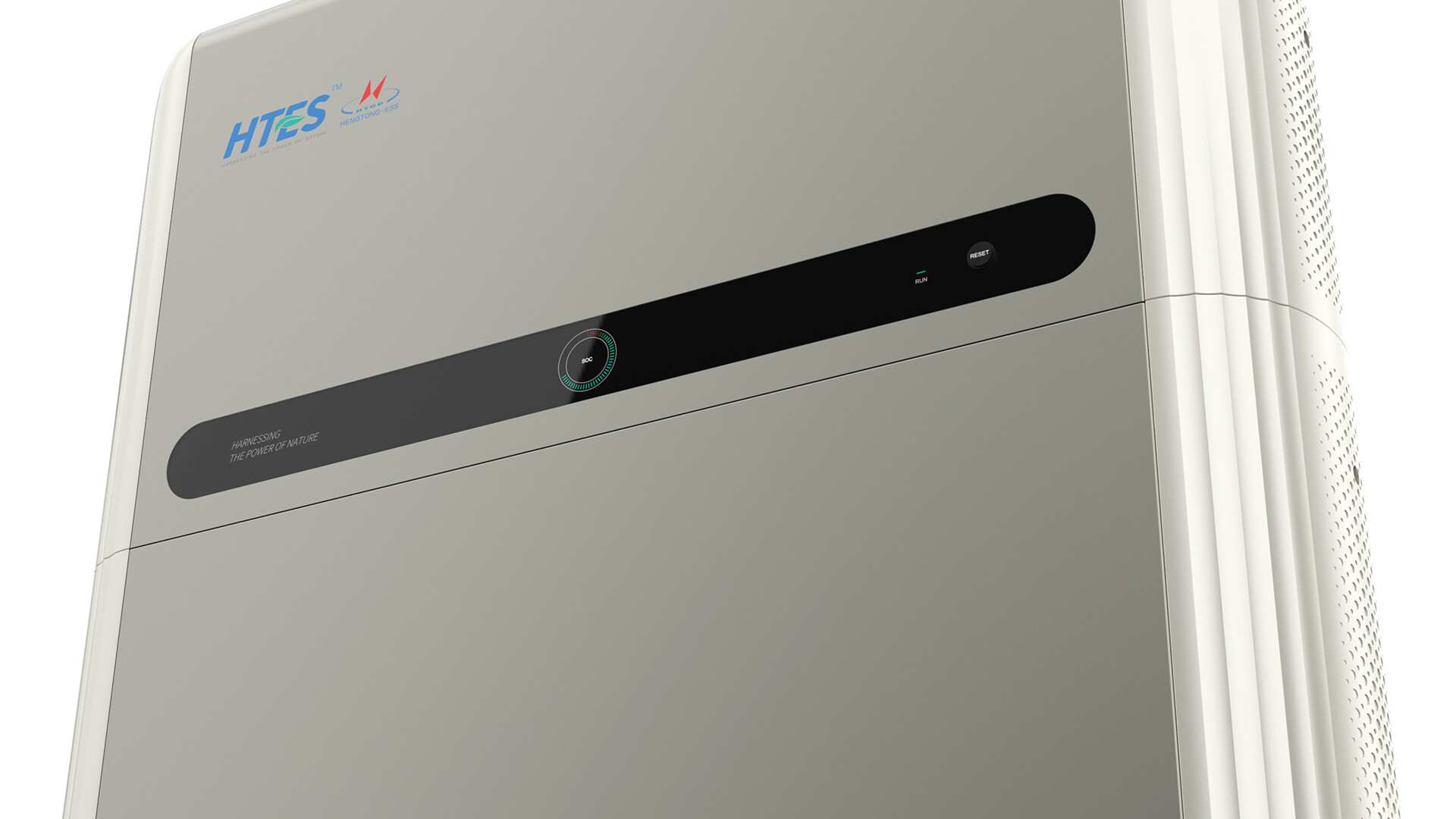
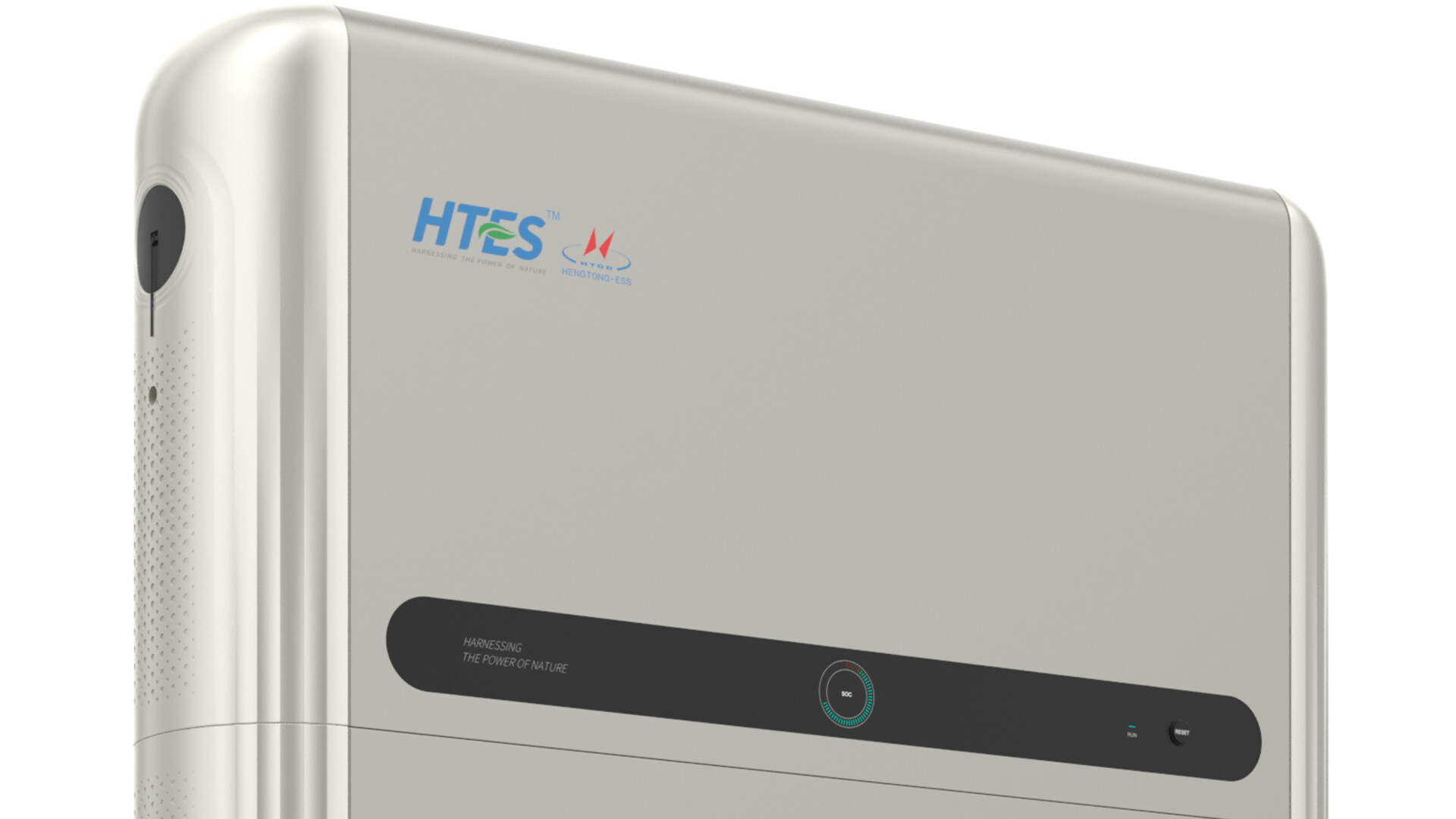
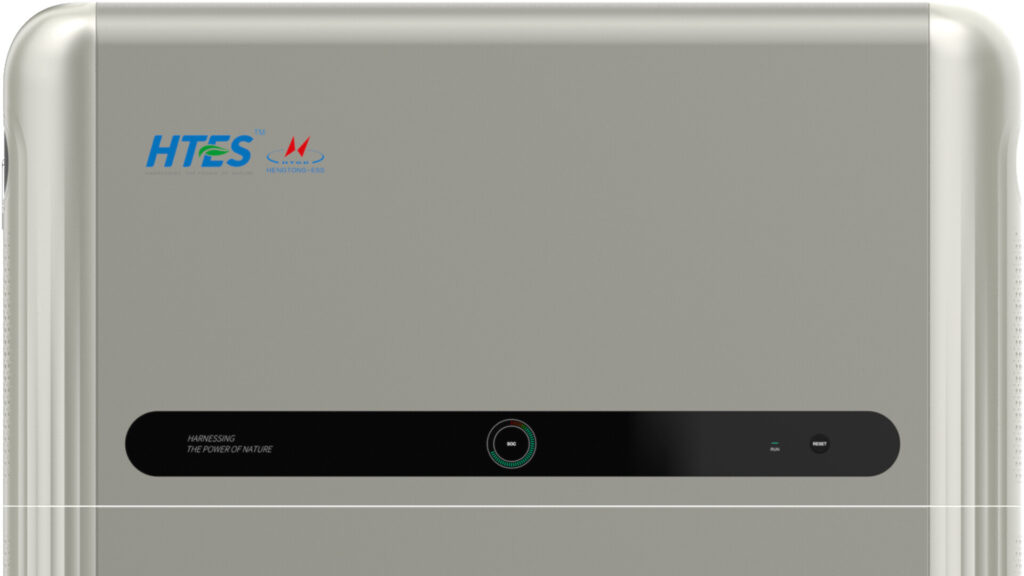
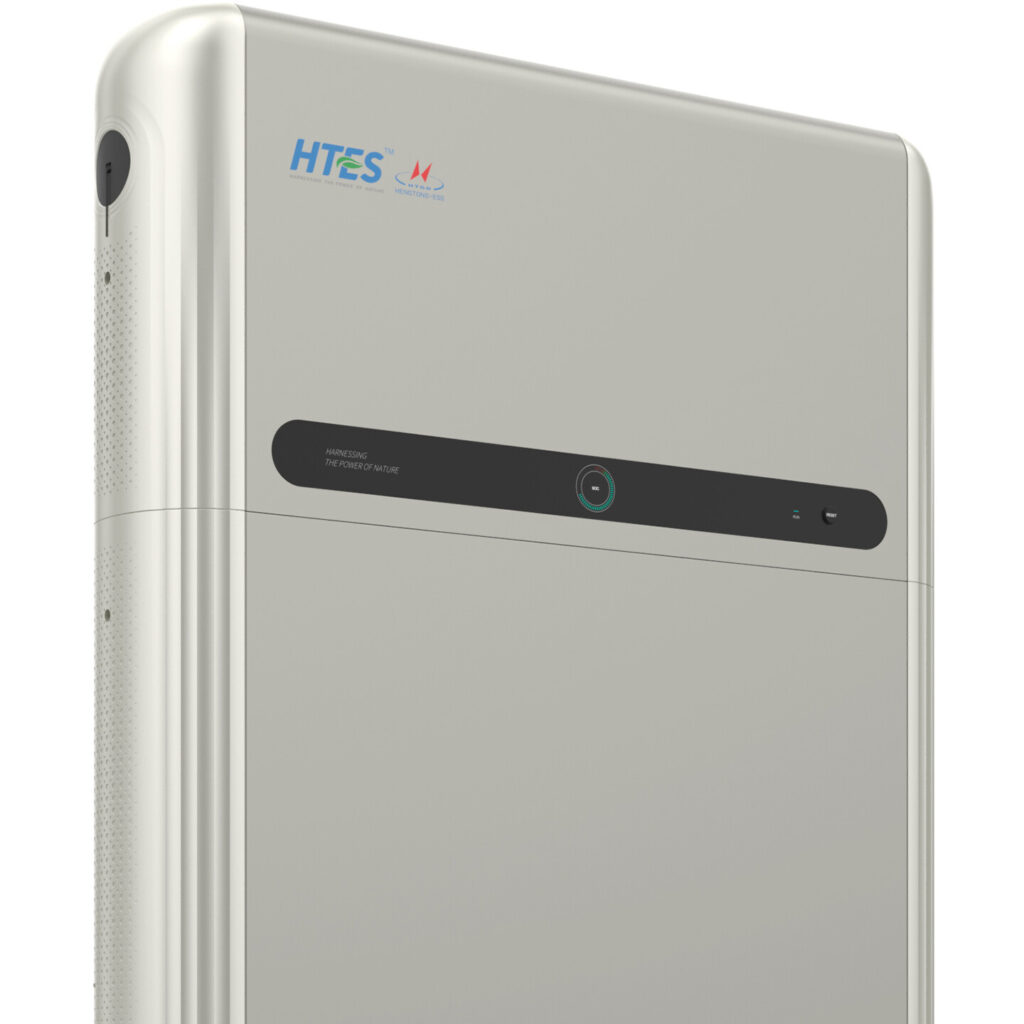
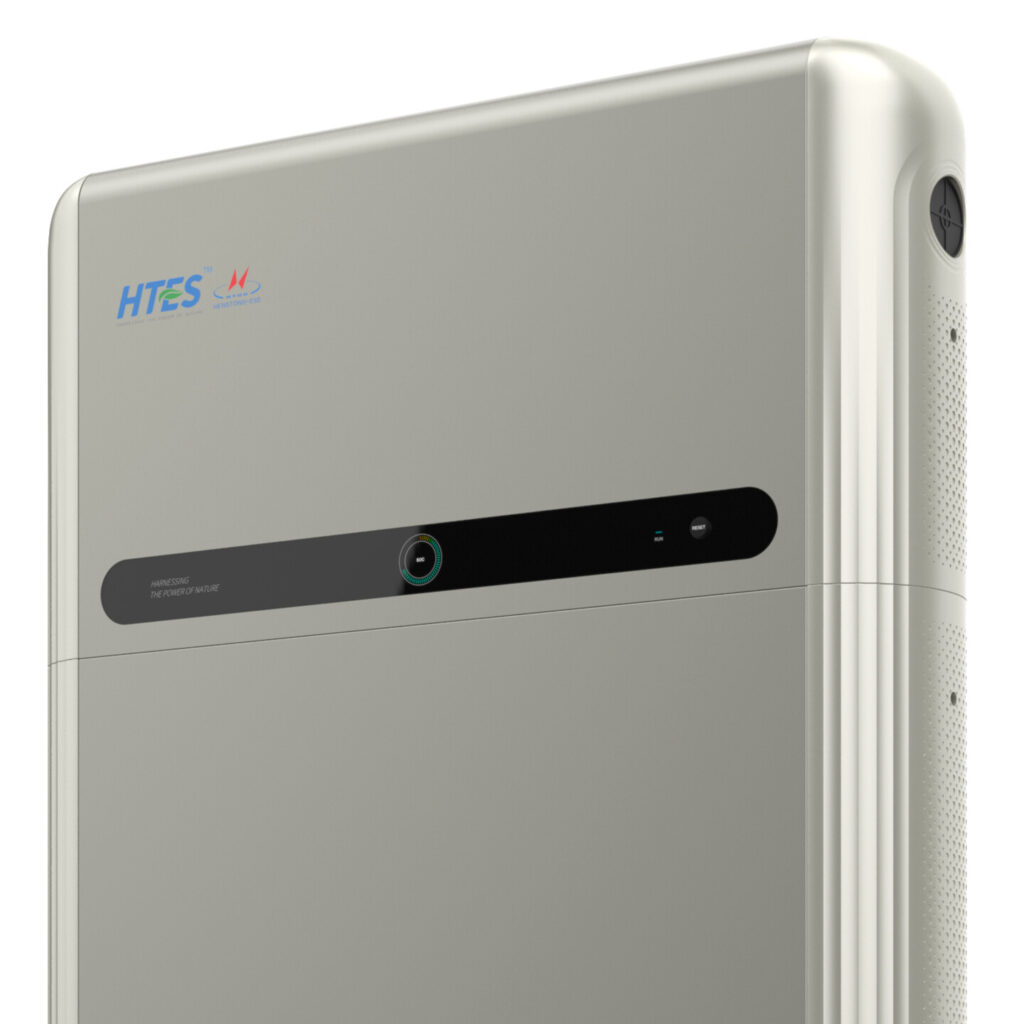
An Ultra-Slim Residential Energy Storage System



Innovation Insights
Market Background
With the growing adoption of renewable energy sources such as solar and wind power, the number of residential solar panel installations continues to increase.
Home energy storage systems are becoming more attractive because they allow households to store surplus electricity and use it later when needed.
This helps homeowners make better use of renewable energy, reduce dependence on the power grid, and improve overall household energy efficiency.
Innovative Concept
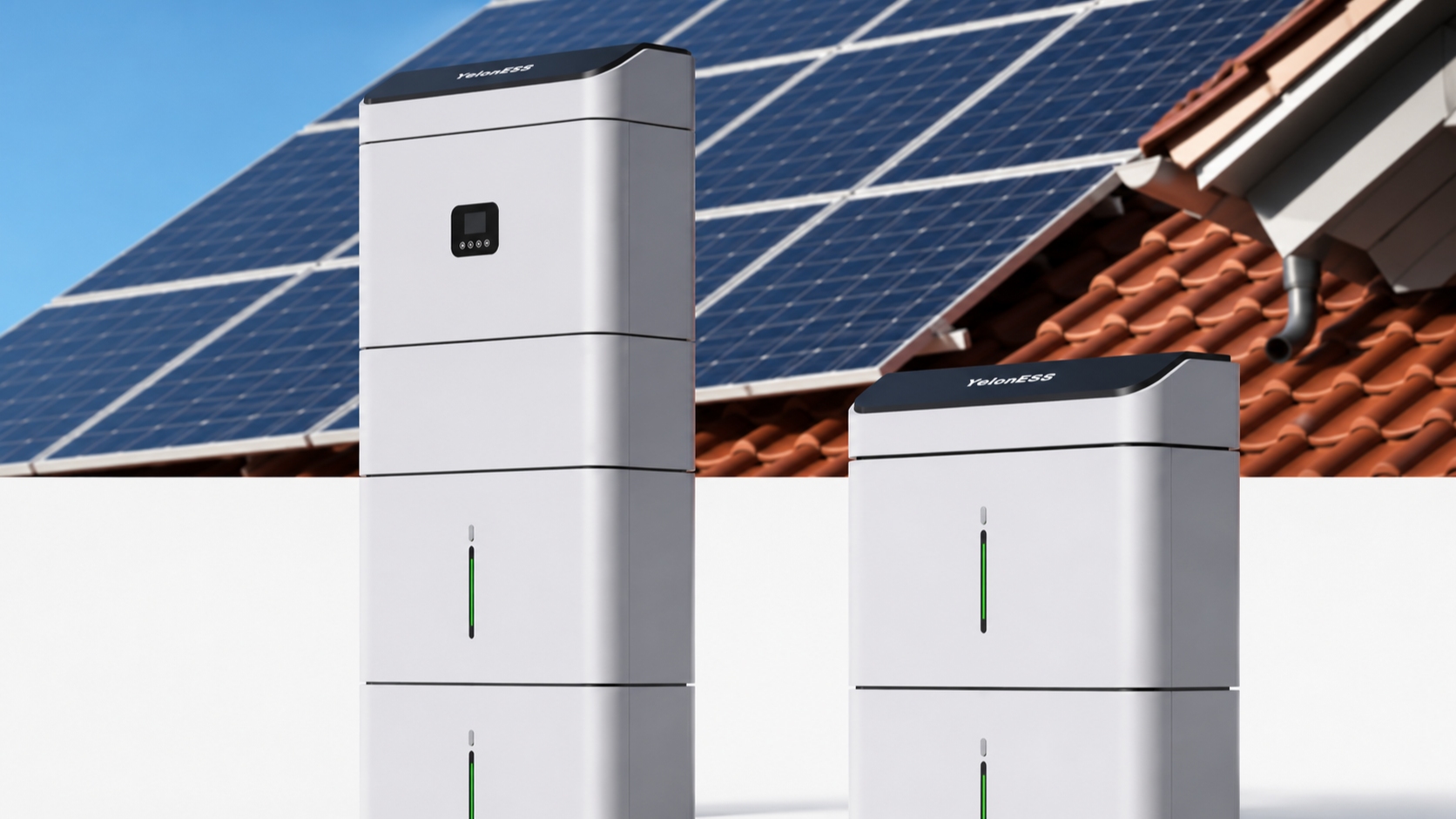
The system integrates safe, long-life battery cell technology with a stackable modular structure.
Its expandable capacity ranges from 3.84 kWh to 61 kWh, allowing users to upgrade the system immediately by adding additional modules according to changing household energy needs.
The product also features advanced thermal management to maintain stable operation and improve battery safety and service life.
Its ultra-slim structure reduces the installation footprint, making the system more suitable for residential environments with limited space.
The system is compatible with mainstream hybrid inverters and supports real-time monitoring, remote maintenance, and software upgrades through a mobile application.
Design Strategy
Market Insight
As energy costs continue to rise, homeowners are increasingly seeking energy-saving and intelligent energy management solutions.
Residential energy storage systems can help users reduce electricity expenses by storing energy during low-cost periods or retaining surplus power generated by household solar systems.
Many countries have also introduced incentive programs and subsidy policies to encourage the installation of residential energy storage systems.
These measures aim to reduce pressure on national power grids and promote the wider use of renewable energy.
Technical Challenges
The purchase and installation costs of home energy storage systems remain relatively high, which may discourage some households from adopting the technology.
Although energy storage technology continues to develop rapidly, the industry still faces challenges related to battery life, performance, safety, environmental impact, and long-term reliability.
The product therefore needed to balance technical performance, installation convenience, safety, scalability, and manufacturing cost.
💡 Solution
1. Product Planning and Preliminary Design
The project began by translating market demand into clear product development objectives.
Based on these objectives, the team developed the initial structural concept and analyzed possible product configurations and system layouts.
The preliminary structural direction was required to be confirmed within two weeks.
Following the structural analysis, the team began the exterior design process, with the final design solution scheduled for confirmation within three weeks.
This rapid development process ensured that market requirements, structural feasibility, and visual design could be closely coordinated from the beginning.
2. Detailed Development, Prototyping and Mass Production
After the initial concept was confirmed, the team carried out systematic and detailed development of the complete product.
Prototype production was then initiated to verify the structure, appearance, assembly process, and overall performance.
Any issues identified during the prototype stage were further analyzed, modified, and optimized.
This detailed development and correction stage was planned to be completed within three weeks.
Mass production was scheduled between September and the end of December 2023.
The project targeted a shipment volume of 5,000 systems during this period, with an estimated sales value of RMB 100 million.

Like What You See?
 Let's Talk About Your Project