

 Home /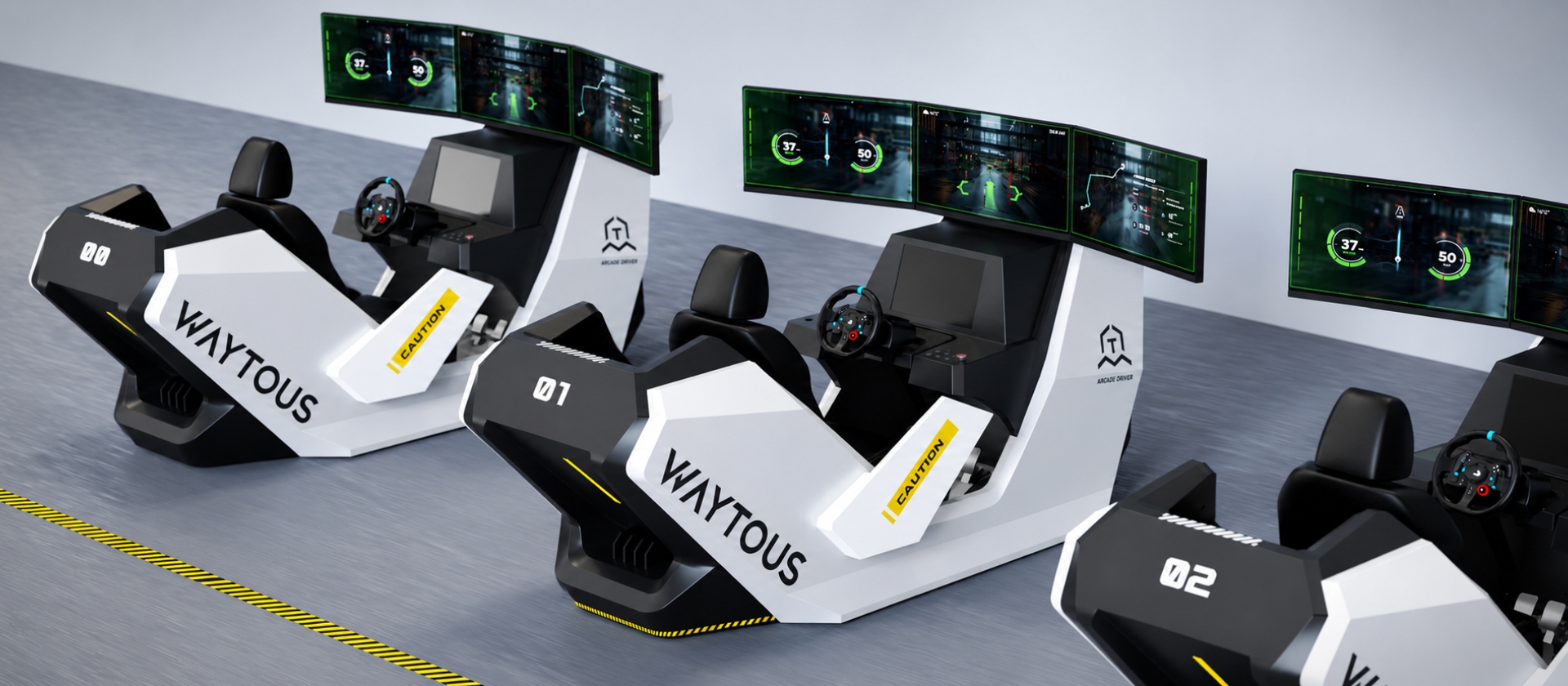
Remote Driving Cockpit System Design
Enabling Human-Machine Collaboration Across Thousands of Miles



Innovation Insights
Market Insight
According to an authoritative report in China, fatalities from mining accidents in the country once accounted for approximately 70% of the global total.
Although the annual number of fatalities has gradually declined in recent years, the overall number of mining accidents remains relatively high.
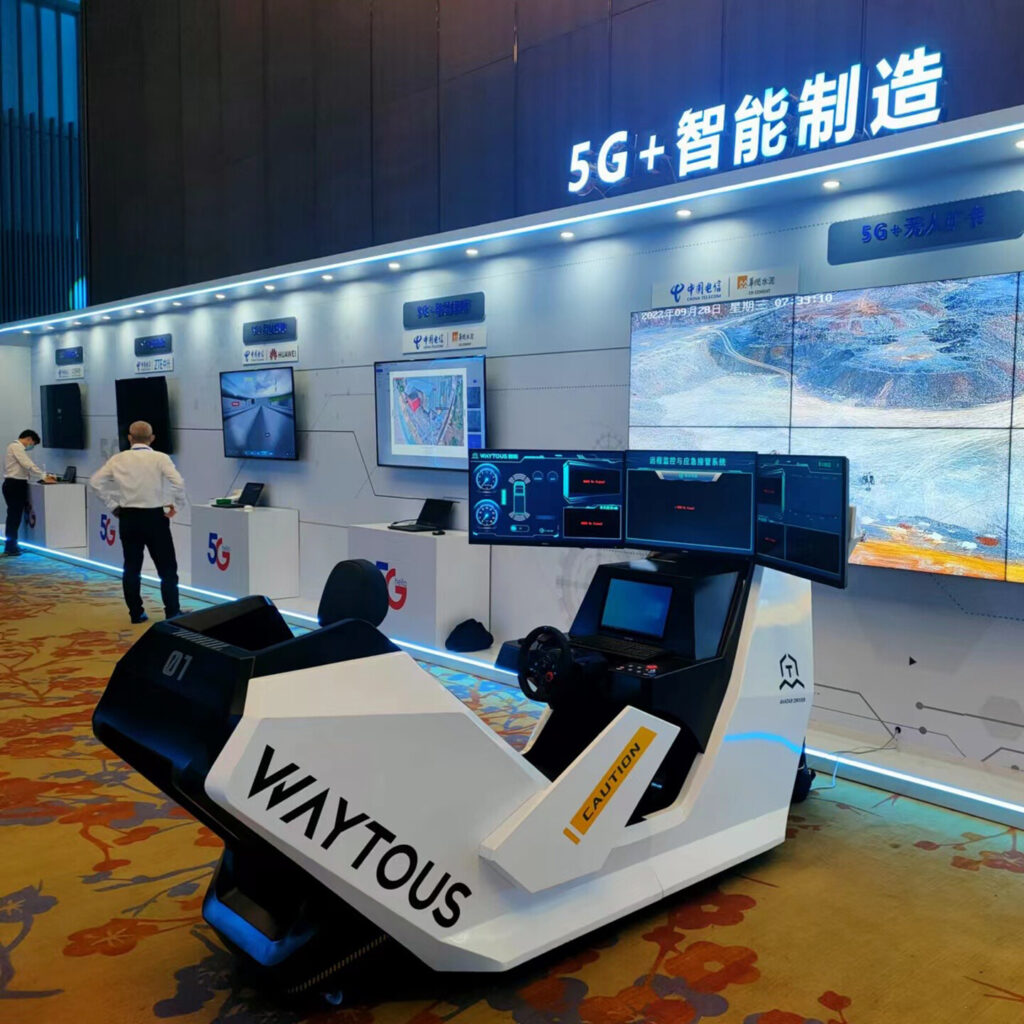
To make mining operations safer and more efficient, the Huituo Intelligent Remote Driving Cockpit uses a 5G network to support routine monitoring, remote vehicle takeover, and remote mining operations.
This system helps accelerate the intelligent and unmanned development of mining operations.
By connecting a vehicle’s operating information system with its actual driving controls, the product allows professional operators to remain away from harsh and dangerous mining environments.
Technical personnel can safely control mining vehicles from a comfortable indoor environment and complete their work more efficiently.
Project Background
The Huituo Intelligent Remote Driving Cockpit is a centralized solution based on 5G technology.
It supports remote operation, routine monitoring, and daily vehicle takeover for mining applications.
The product connects real-time vehicle information with the physical driving control system, allowing operators to remain indoors and avoid dangerous mining environments, severe weather, dust, noise, and other occupational risks.
By improving working conditions, the system enhances employee safety, comfort, efficiency, and overall well-being.
Considering the specialized and professional nature of vehicle operation in mining areas, the product provides enterprises with a safe, efficient, and professional remote-control solution.
A customized user interface and carefully developed ergonomic structure provide operators with a more comfortable, convenient, and intuitive experience.
Design Strategy
Exterior Design Innovation
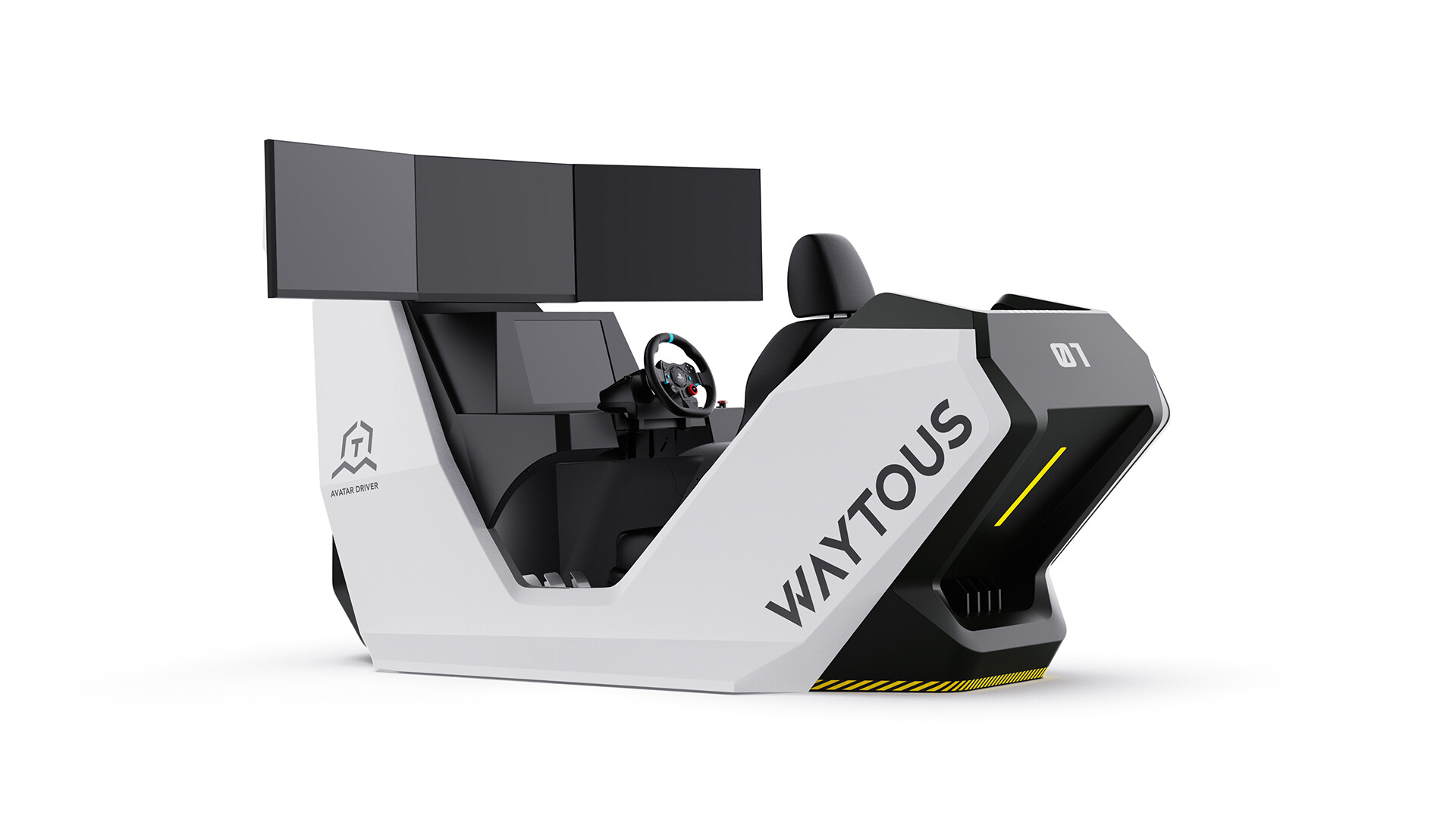
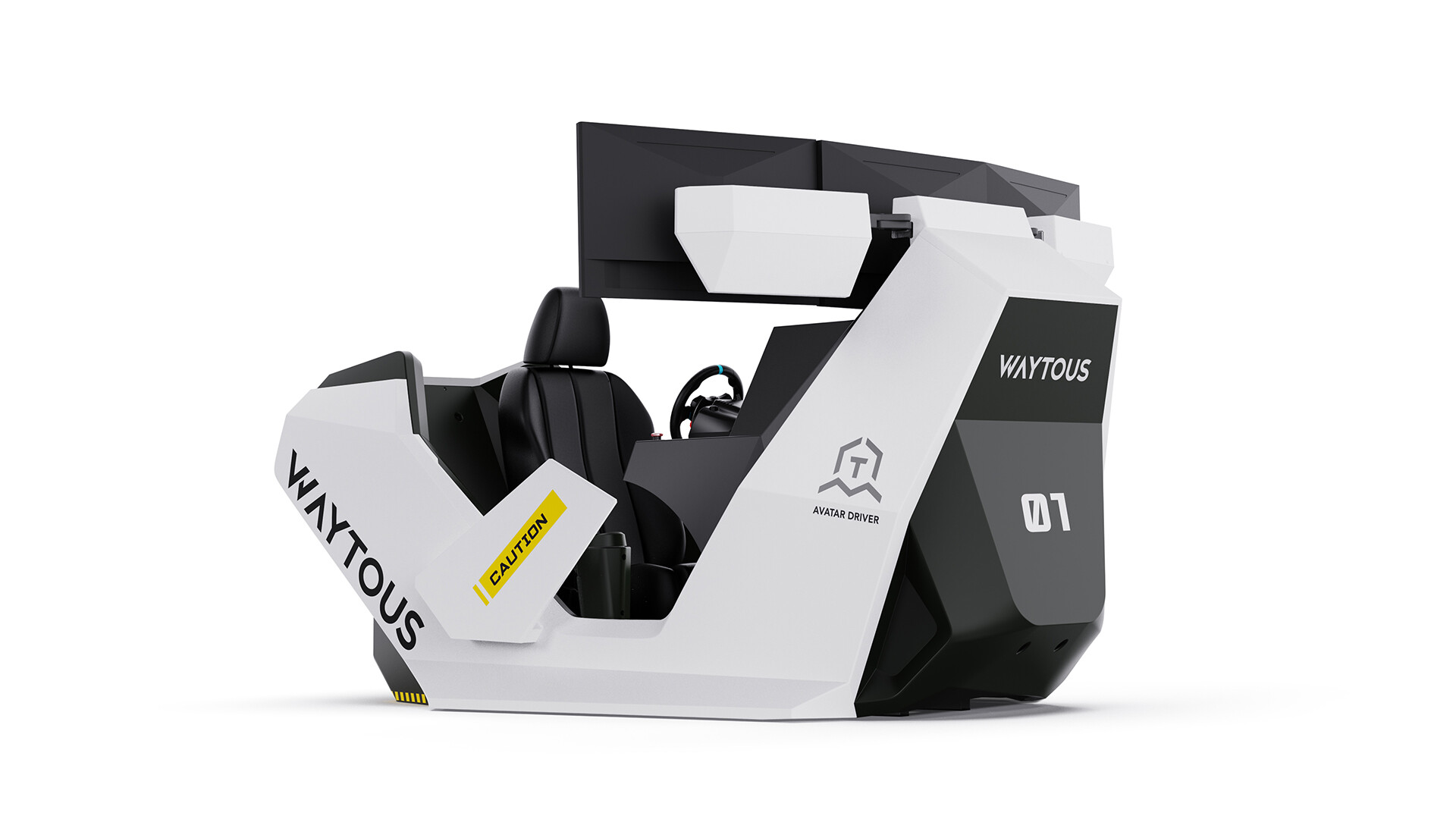
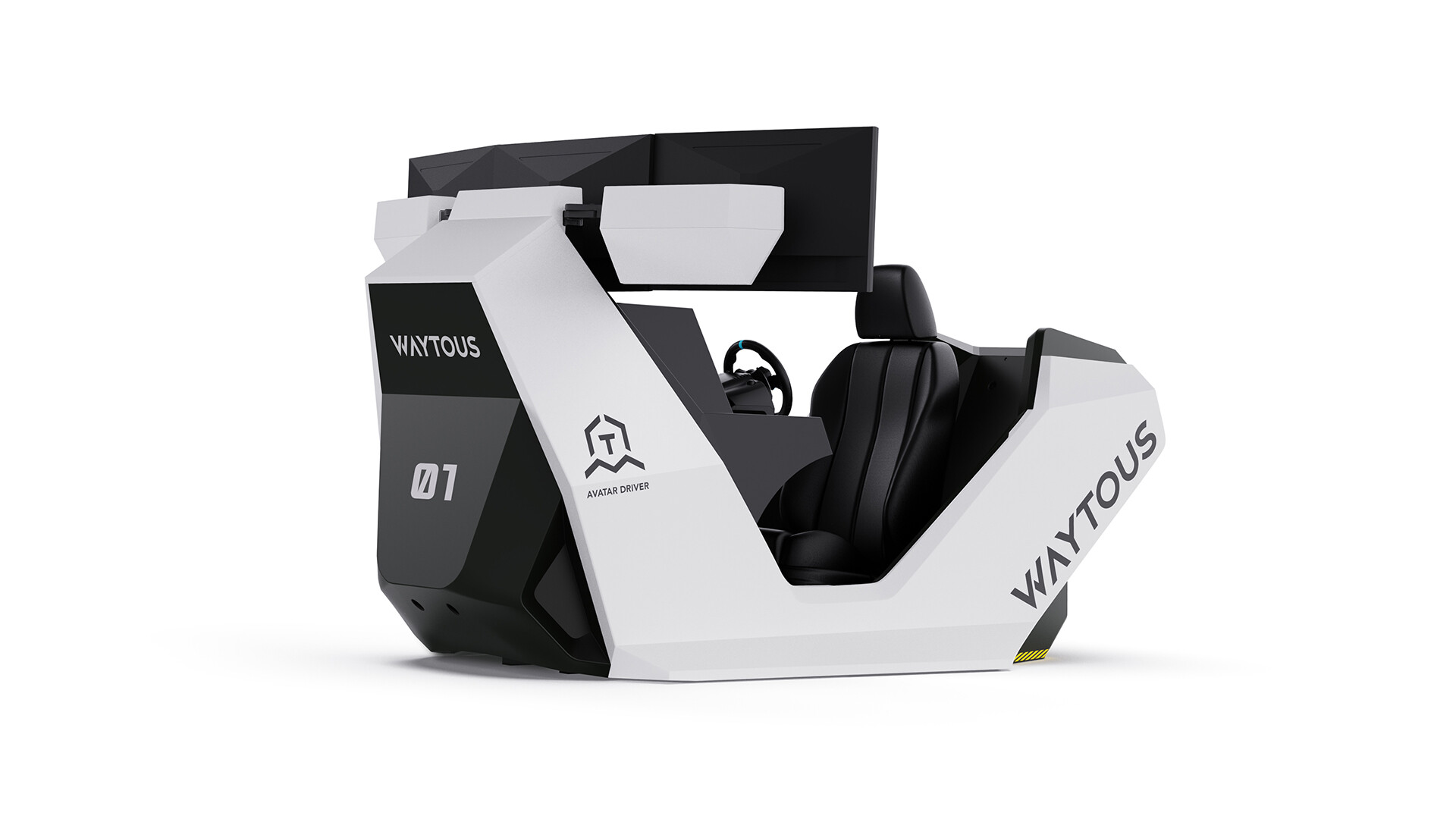
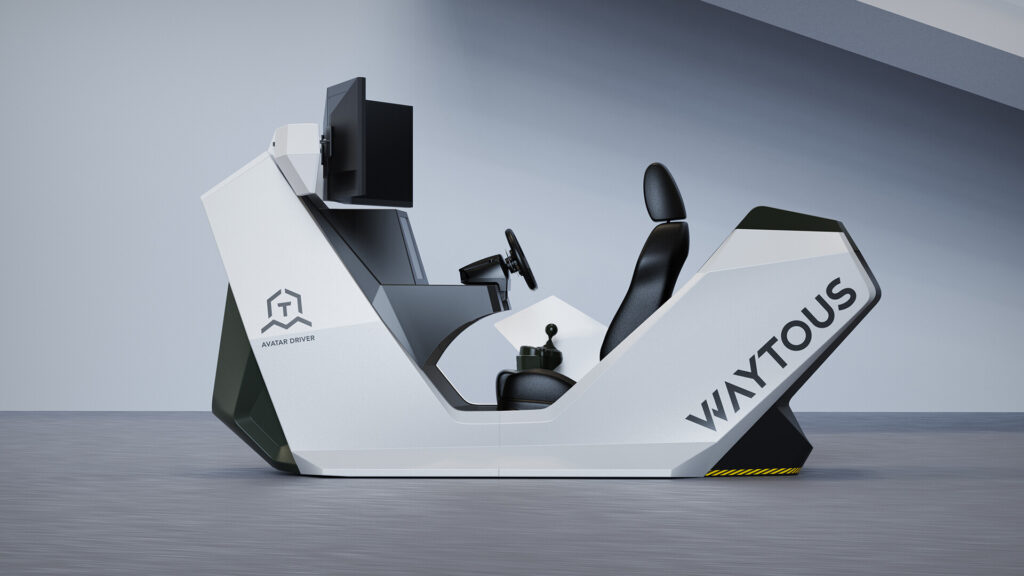
The exterior design adopts a hard-surface visual language that reflects the cockpit’s industrial tool characteristics while creating a futuristic and technology-oriented appearance.
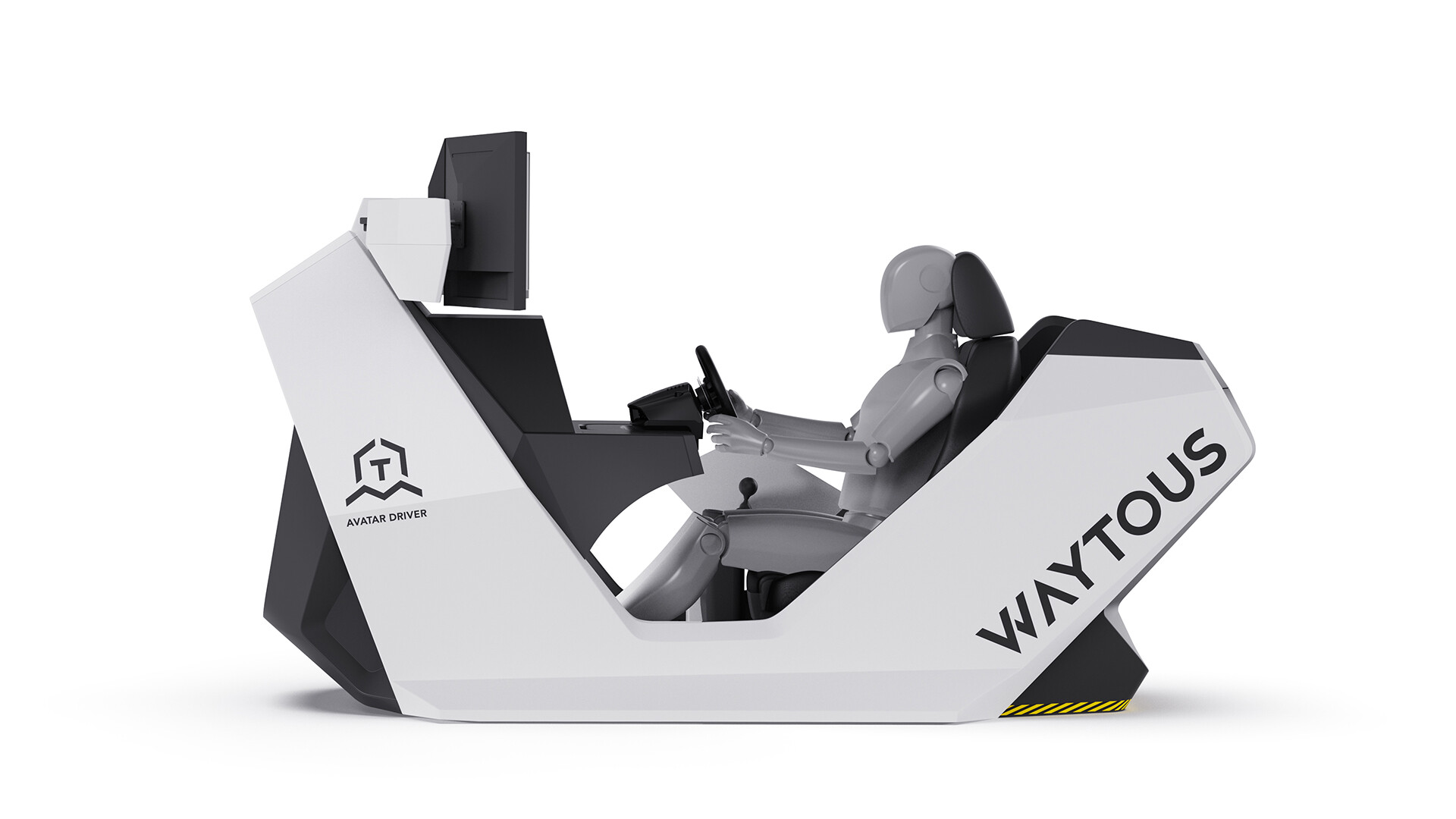
The overall V-shaped structure provides a stronger sense of enclosure.
This form gives the operator a greater feeling of security while leaving sufficient space for adjusting the seat and driving controls.
An upward-sloping feature line extends across the front and rear surfaces of the main structure.
Similar to the waistline of a vehicle, this line creates visual continuity and gives the cockpit a stronger sense of movement and forward momentum.
A protective panel beside the gear selector helps prevent external interference, allowing technical personnel to operate the vehicle more safely and with greater concentration.
The simple black-and-white color scheme further communicates the product’s advanced technological capabilities.
Functional Upgrade
Human-machine interaction was one of the main priorities of the design.
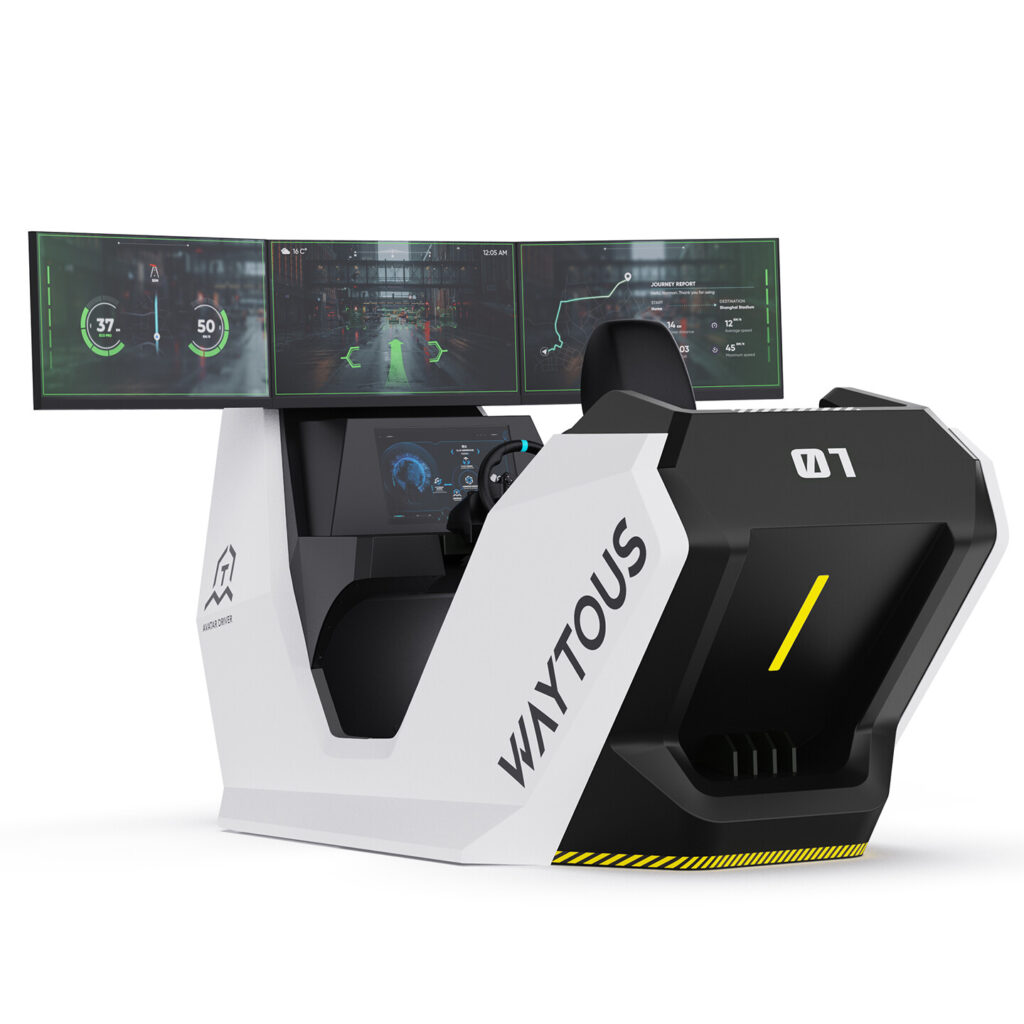
The cockpit is equipped with an electrically adjustable seat, an angle-adjustable steering wheel, a multi-position foot pedal controller, and a flexible tilting display.
These adjustable components allow different operators to create a working position that matches their body size, operating habits, and personal preferences.
This helps reduce fatigue, discomfort, and potential physical strain during long periods of operation.
The console also reserves space for a tablet holder, steering wheel interface, and a comprehensive control-button panel, allowing the product to meet different levels of customization.
A protective structure beside the gear selector prevents accidental operation by other people.
A breathing light located at the rear of the cockpit indicates different vehicle operating conditions in real time.
💡 Solution
1. A Safer Alternative for Mining Vehicle Operators
Unlike many conventional cockpit products, this system was developed around the growing adoption of 5G and Internet of Things technologies.
It provides mining vehicle operators with a safer alternative to driving directly inside hazardous mining areas.
Operators no longer need to face the same level of risk from unstable terrain, heavy machinery, dust, severe weather, noise, and other dangerous conditions.
The indoor remote-driving environment also significantly improves working comfort and allows operators to complete demanding tasks under safer and more controlled conditions.
2. Adaptable Controls and a Customized Interface
While maintaining a logical and efficient human-machine interaction system, the steering wheel, braking controls, seat, and display were each equipped with dedicated adjustment structures.
These features allow the cockpit to accommodate users with different body dimensions, working habits, and professional requirements.
The product also features a customized, clear, and intuitive user interface.
This interface improves information visibility, operating comfort, decision-making efficiency, and overall work performance.
The detachable modular design further allows the cockpit to be installed and used in a wide range of indoor spaces.
3. Long-Distance Human-Machine Collaboration
Mining accident fatalities in China have historically remained high compared with those in many developed countries.
To better protect mining workers and reduce the frequency of serious accidents, the Huituo Intelligent Remote Driving Cockpit takes advantage of the increasing maturity and adoption of 5G and Internet of Things technologies.
The system enables human operators and mining vehicles to work together across long distances.
Even when the operator and the vehicle are separated by thousands of miles, real-time data transmission and remote-control technologies make coordinated operation possible.
This changes the traditional relationship between workers, vehicles, and mining environments while supporting the intelligent transformation of the mining industry.
4. Social Value, Safety and Environmental Responsibility
The product keeps technical personnel away from dangerous mining environments, helping reduce accident risks and prevent workers from being exposed to potentially fatal working conditions.
At the same time, the design and manufacturing process emphasizes resource conservation and environmental responsibility.
Standardized components are used throughout the structure wherever possible.
This approach helps reduce development waste, simplifies production and maintenance, improves component replacement, and extends the product’s usable life.
Through technology and responsible design, the company aims to create an intelligent product that provides both environmental and safety value to society.
Like What You See?
 Let's Talk About Your Project