

 Home /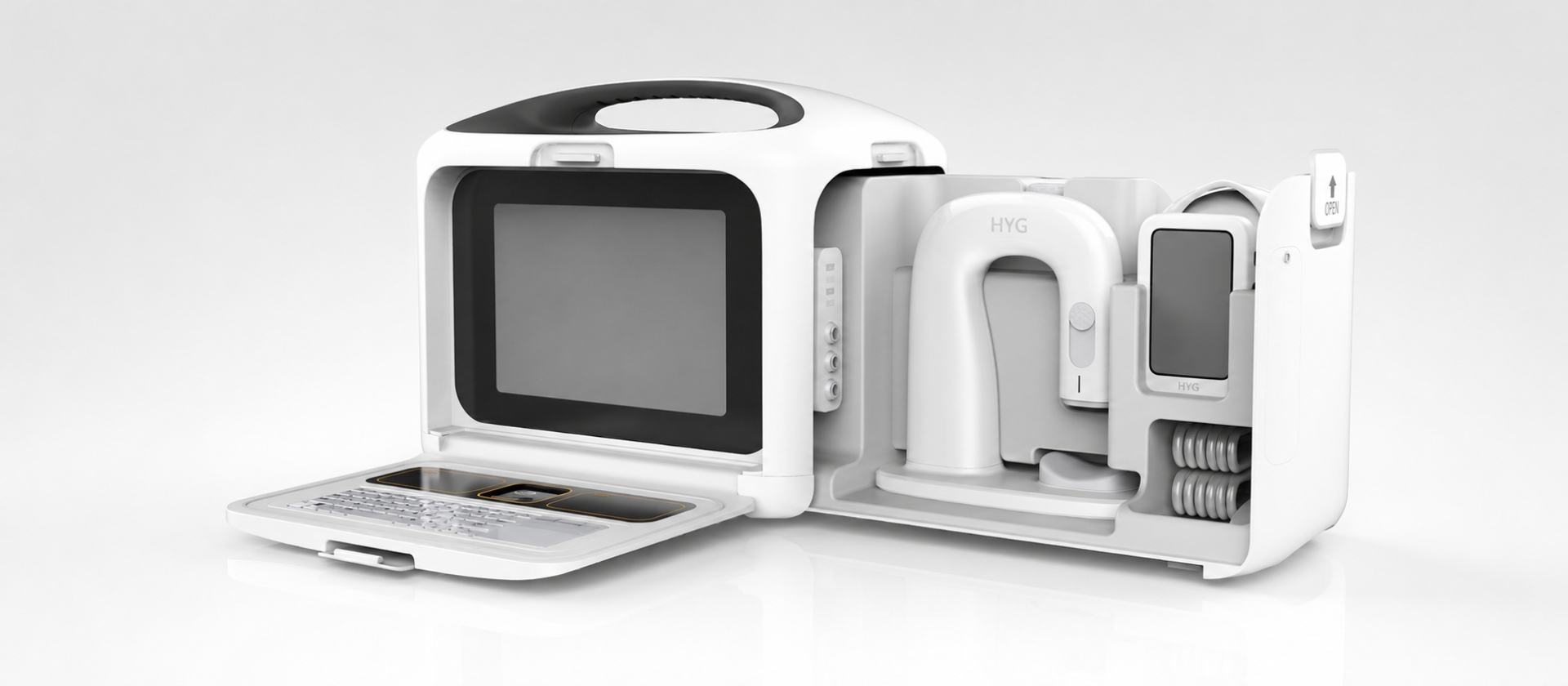
HYG Portable Four-Diagnostic System
Portable Traditional Chinese Medicine Diagnosis with a Human-Centered Operating Experience



Innovation Insights
User Pain Points
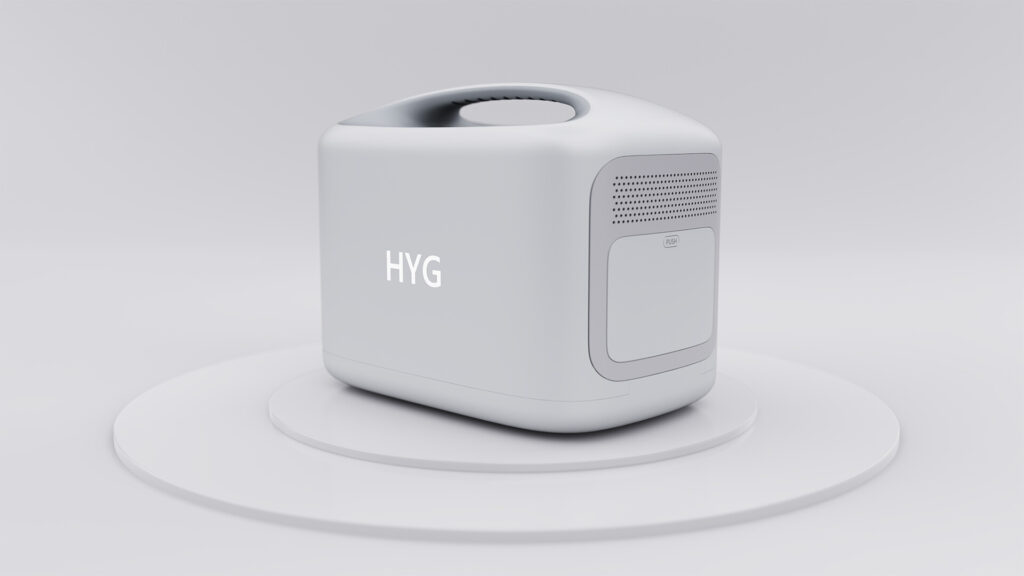
During the initial strategy stage, the design team analyzed and explored how to integrate purchased standard components, organize multiple devices efficiently, and achieve a compact and portable product configuration.
Innovation Value
This is China’s first portable diagnostic product to integrate traditional Chinese medicine concepts with modern medical technology.
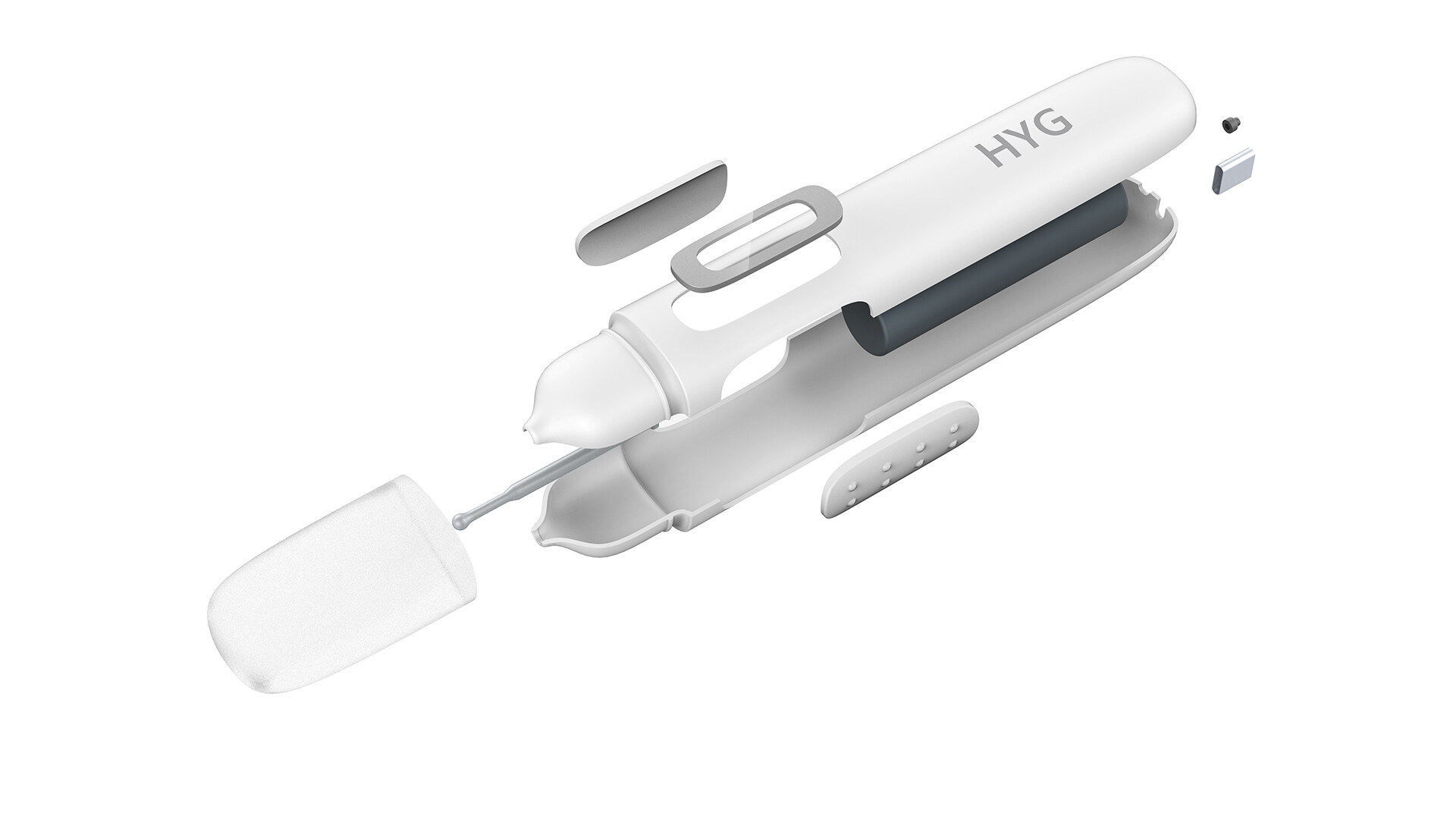
It converts the technical characteristics of the four traditional Chinese medicine diagnostic methods—inspection, listening and smelling, inquiry, and palpation—into digital signals for collection and analysis.
The product supports the modernization and continued development of traditional Chinese medicine.
Its portable design also makes it possible to bring medical diagnostic services to remote mountainous areas and regions with limited healthcare resources.
Design Strategy
Design Concept
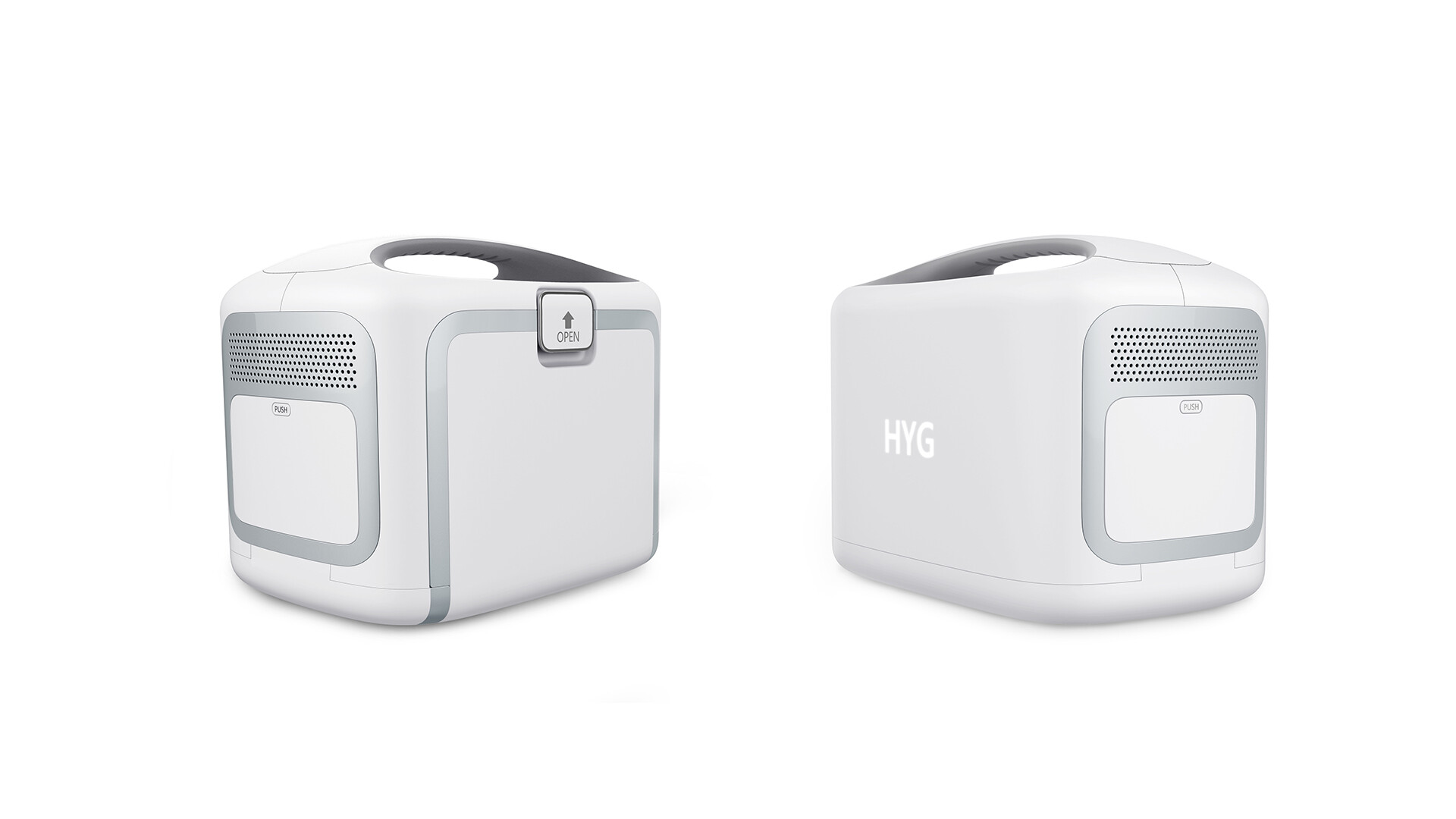
Based on a clear understanding of medical equipment requirements, the product was designed with an overall rounded and approachable appearance.
The design fully considers how the equipment is used before opening, after opening, and in simulated real-world diagnostic scenarios.
The project follows the principle that functionality should lead the design and form should follow function.
Structural Design
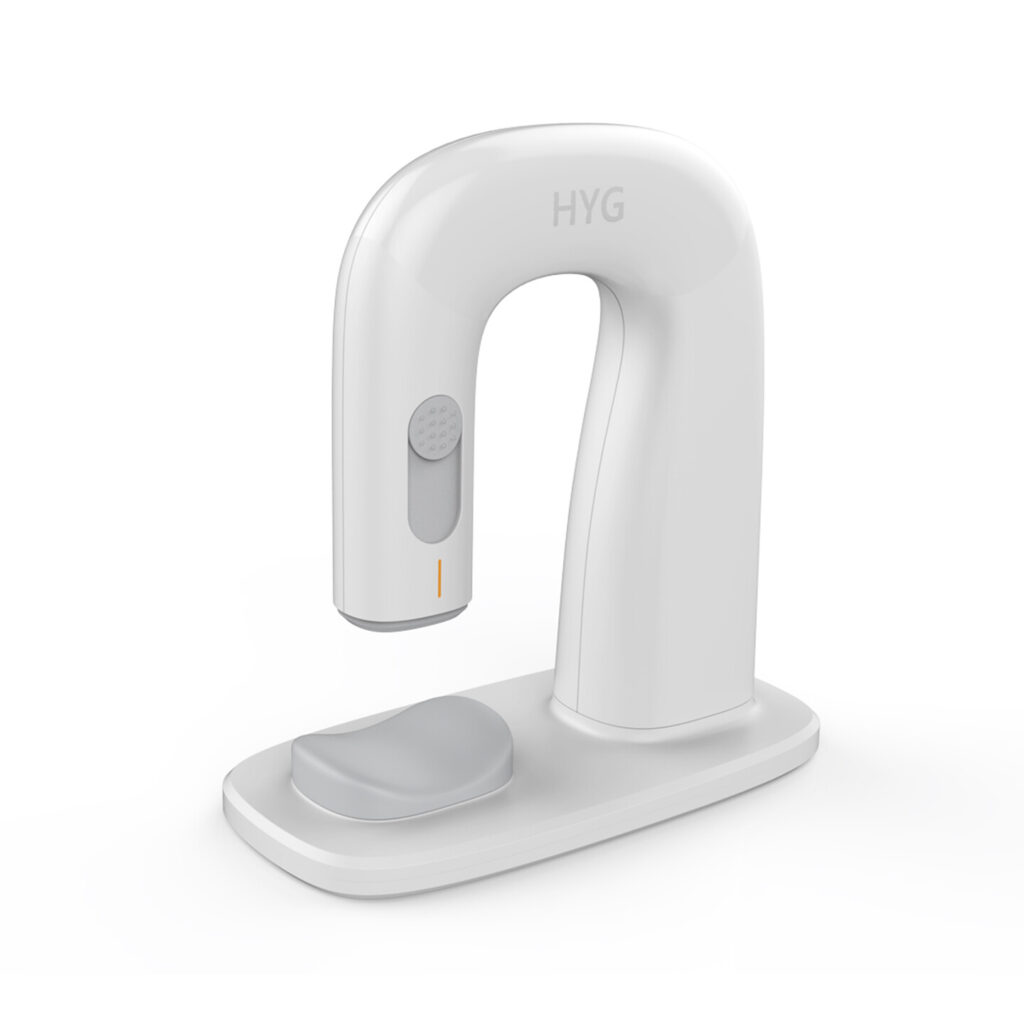
The structural design adopts modular assembly, greatly simplifying transportation, installation, and subsequent maintenance while saving substantial resources and costs.
Every designed surface was accurately reproduced to ensure the reliability of the final manufactured product.
💡 Solution
1. Integrated Storage and Portable Operation
A primary challenge of the project was determining how to integrate several separate devices into one complete system.
Before use, the product needed to be compact and easy to carry. During operation, each device needed to be removed smoothly. After use, all components needed to be organized and returned to their original positions conveniently.
These requirements were considered from the beginning of the design process.
2. Drawer-Based Equipment Integration
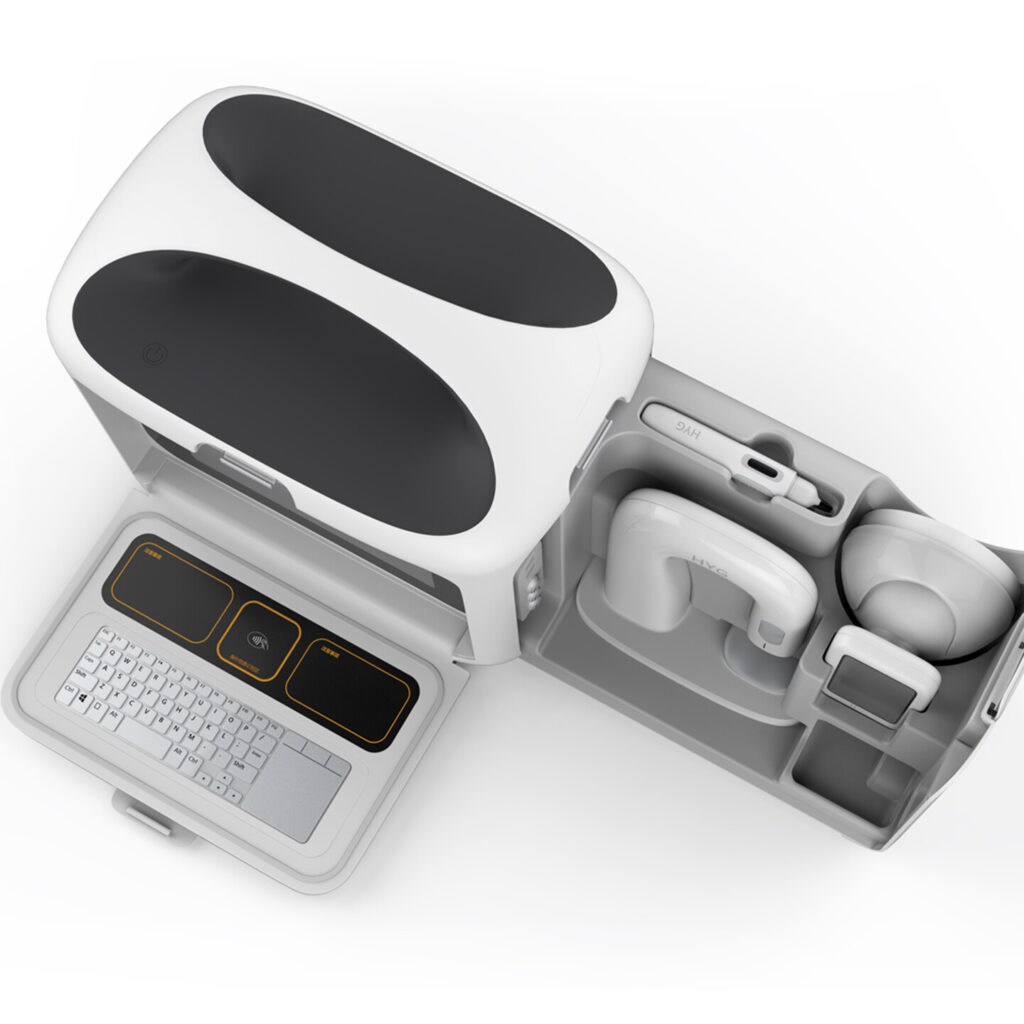
The final solution integrates three diagnostic device sections and an information registration module into a suitcase-style structure.
The components are organized through a pull-out drawer system. A single drawer movement allows users to access and remove the portable devices conveniently and store them smoothly after use.
Within an extremely limited space, the design uses staggered upper and lower levels to accommodate and organize the different devices.

Like What You See?
 Let's Talk About Your Project