

 Home /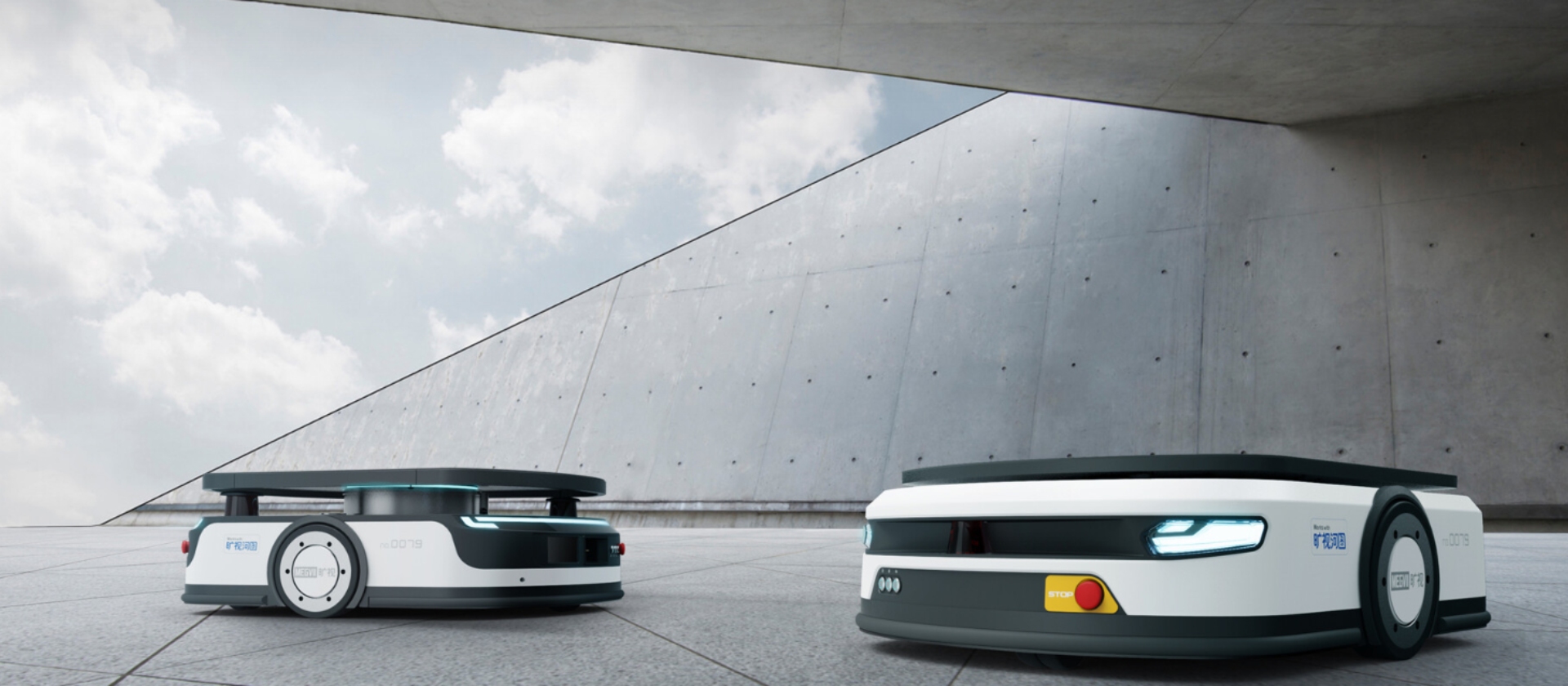
MEGVII T800 AGV Robot Series
Redefining the Family Design Language of AGV Logistics Robots



Innovation Insights
Market Insight
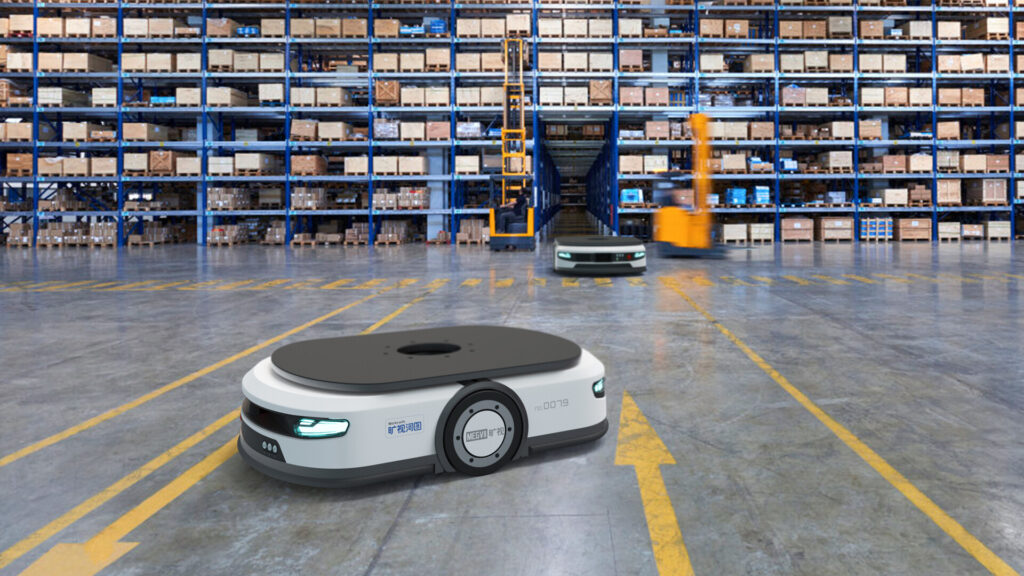
Traditional logistics operations commonly face problems such as low manual efficiency, high labor costs, poor space utilization, and difficulty handling heavy goods.
Optimization and Upgrade
By comparison, the T800 AGV robot can effectively reduce errors during manual production and sorting processes, improve the overall level of automation, and reduce the amount of space required.
While lowering labor costs by 50% to 80%, the system can improve operating efficiency by two to five times.
Replacing manually driven forklifts and other fuel-powered machinery with robots can also significantly reduce carbon emissions.
Design Strategy
Innovation Upgrade
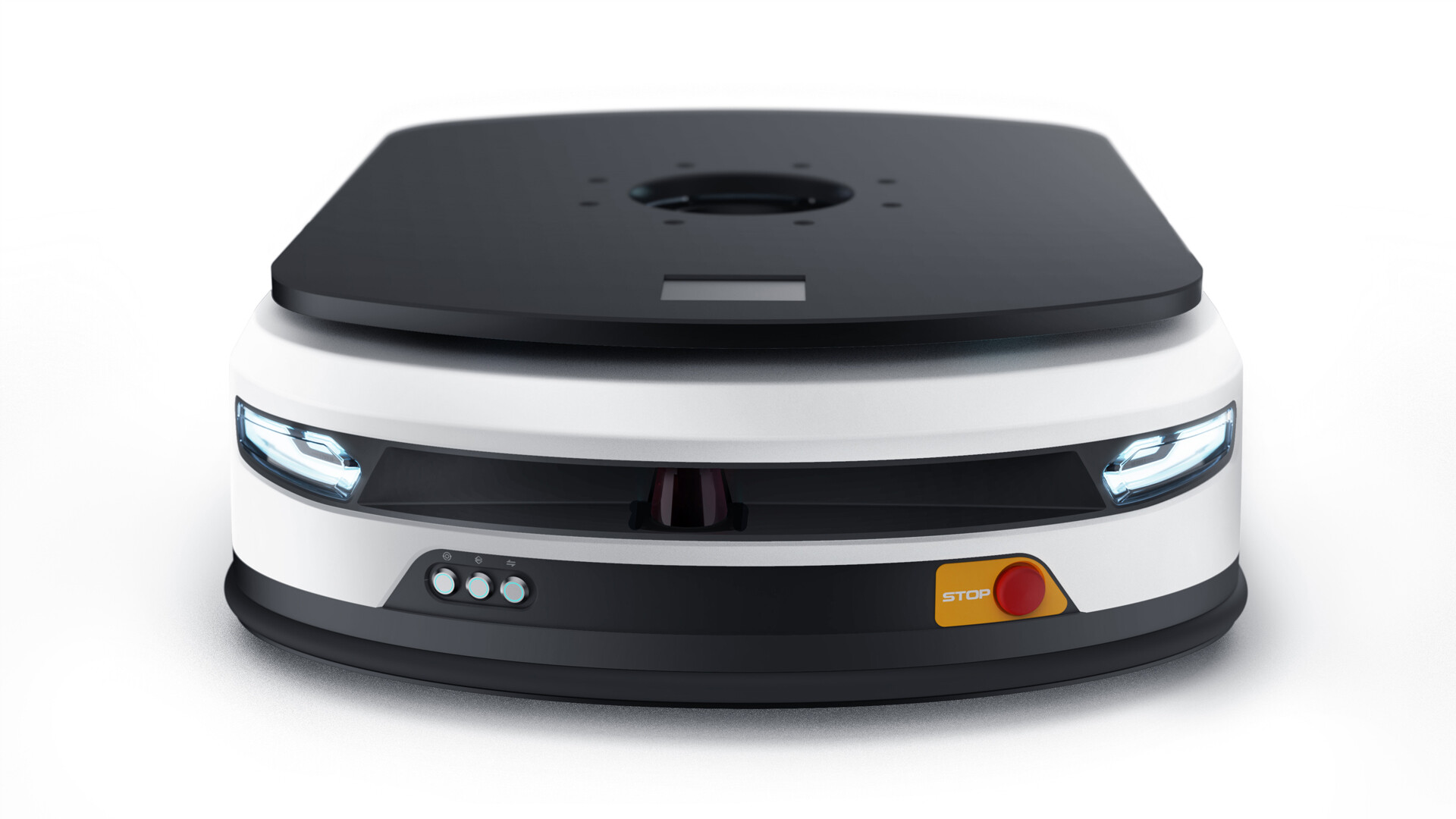
The design of the MEGVII T800 AGV robot series was inspired by the “eagle eye.”
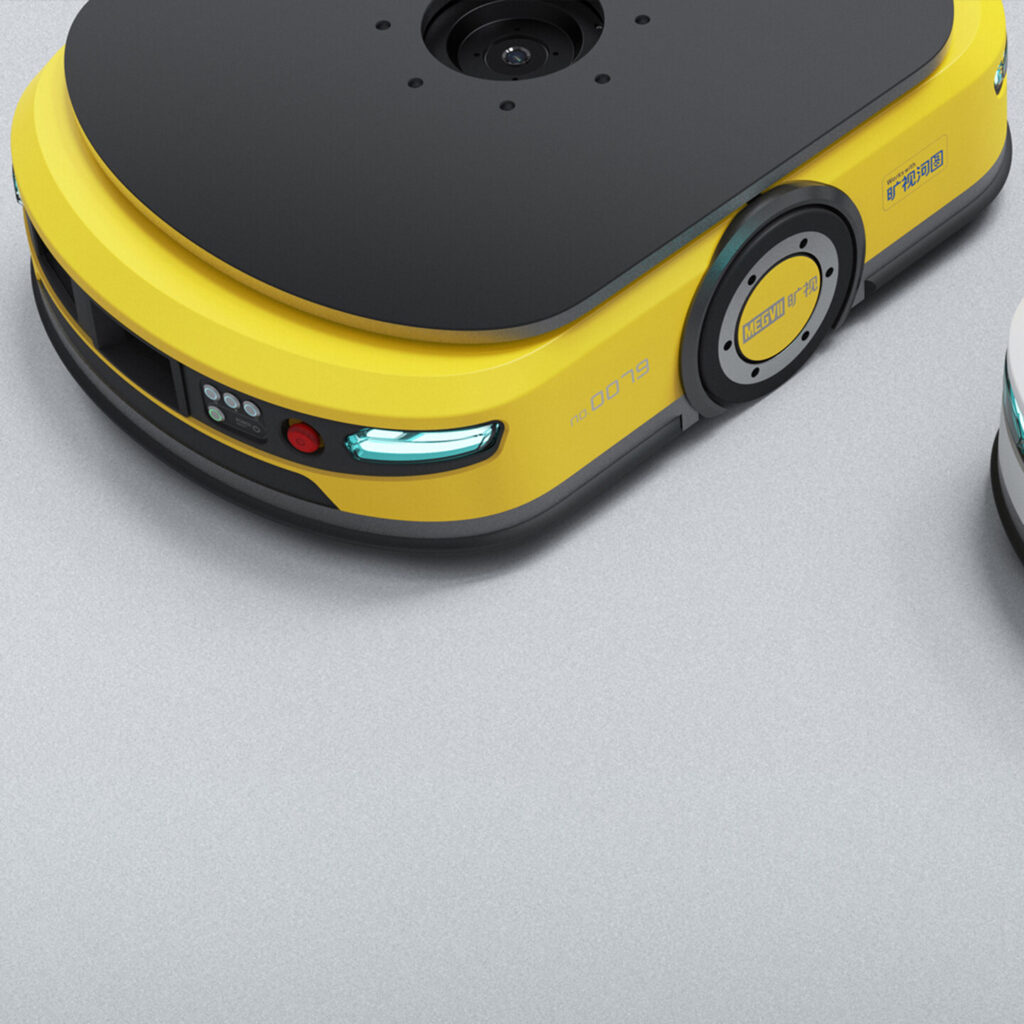
It breaks away from the rigid appearance of traditional AGV robots and applies a consistent family design language across different models.
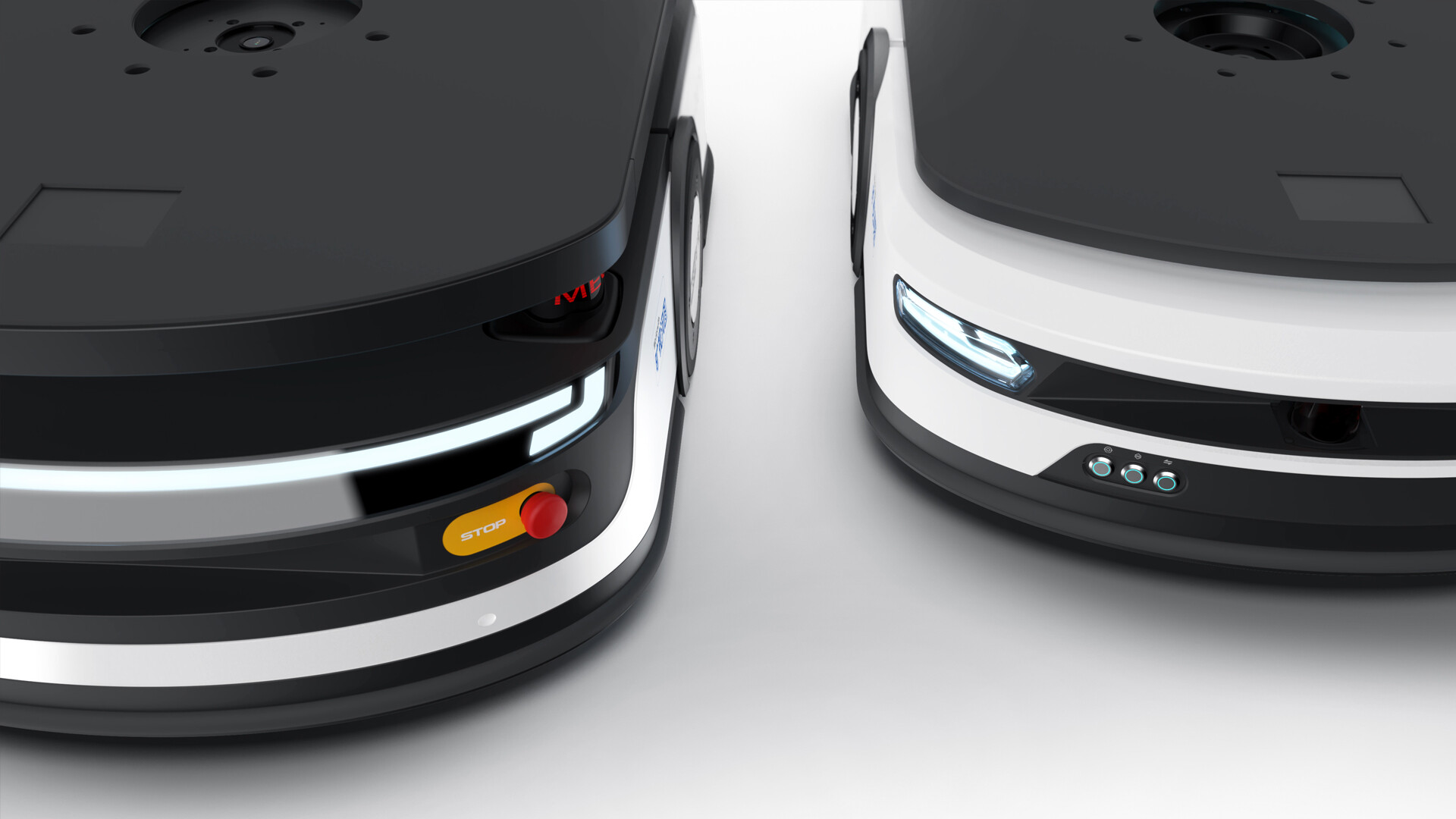
The futuristic and technology-driven headlight design reflects MEGVII’s precise, sharp, and rapid AI algorithms and operating performance, resembling the vision of an eagle.
Functional Development
The product adopts a second-generation flexible robotic chassis with independently suspended front and rear sections, together with a new generation of control technology.
This enables the robot to achieve excellent mobility across different types of terrain.
The T800 series offers multiple modular sensor configurations to suit different operating environments.
It also provides sub-centimeter-level positioning and navigation accuracy.
💡 Solution
1. Eagle-Eye Lighting Design
Unlike the rigid and box-shaped appearance of conventional AGV robots, the T800 innovatively applies automotive lighting manufacturing techniques to an AGV platform.
The distinctive eagle-eye headlights create a strong sense of technology.
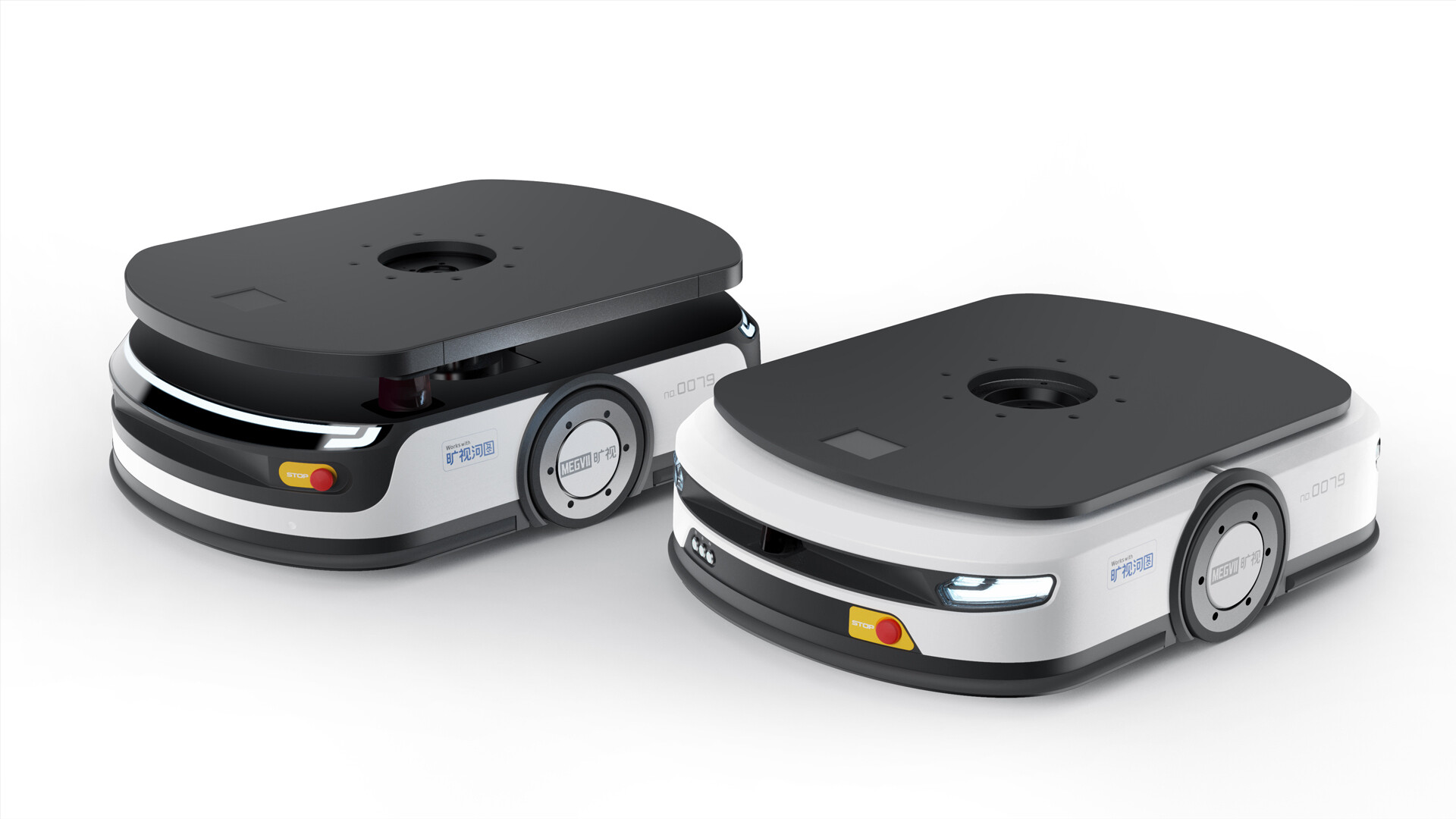
The overall appearance is balanced, concise, and visually rhythmic.
2. Simplified Housing Structure
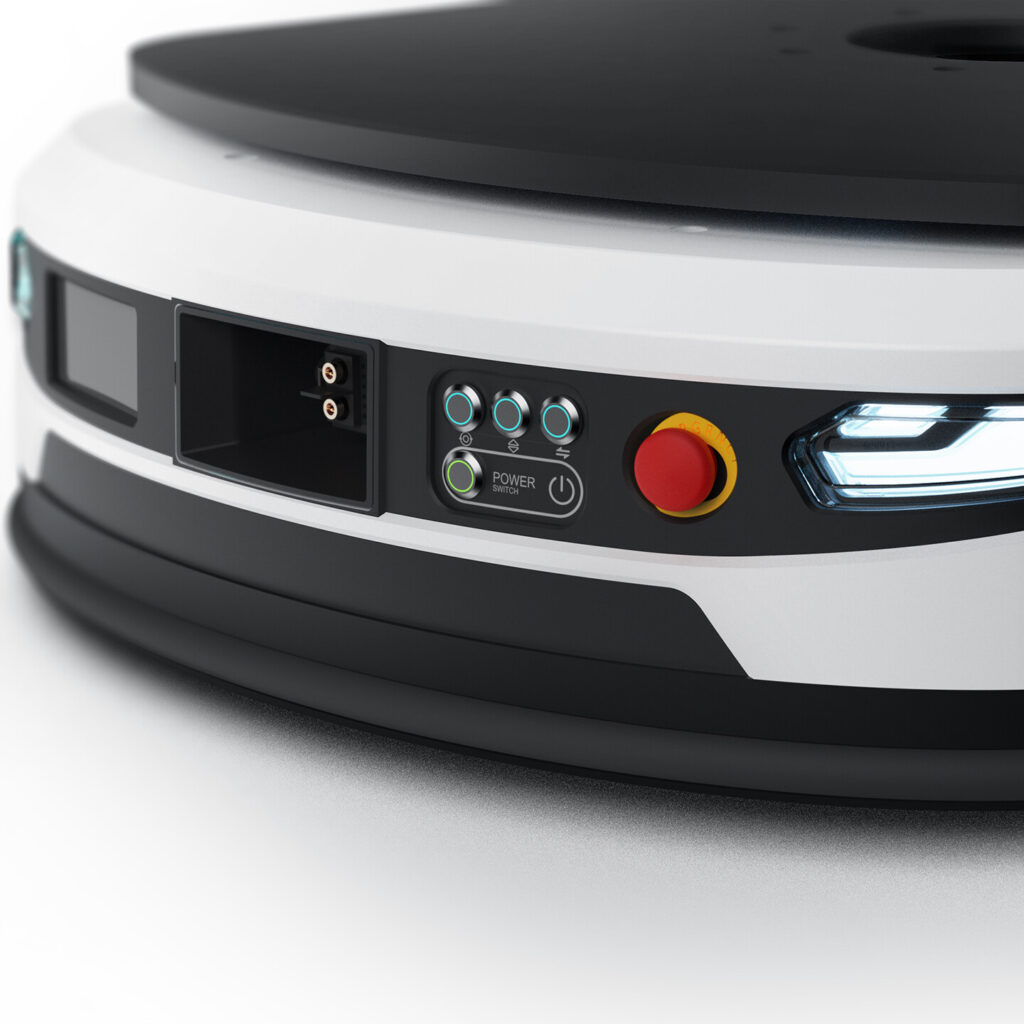
Apart from the lighting components, the exterior consists of only two injection-molded housing sections at the front and rear.
This structure significantly reduces the robot’s manufacturing costs.
The complex sensors and control buttons are arranged in an organized way, giving the product a clean and technology-driven appearance.
3. Curved Corners and Dynamic Surfaces
The four corners of the AGV are connected through smoothly curved transitions.
The form combines visual softness with a sense of strength and tension.
Light and shadow move smoothly across the surfaces, creating a refined effect similar to that of a sports car.
The exterior design visually communicates the powerful AI technology integrated inside the robot.

Like What You See?
 Let's Talk About Your Project