

 Home /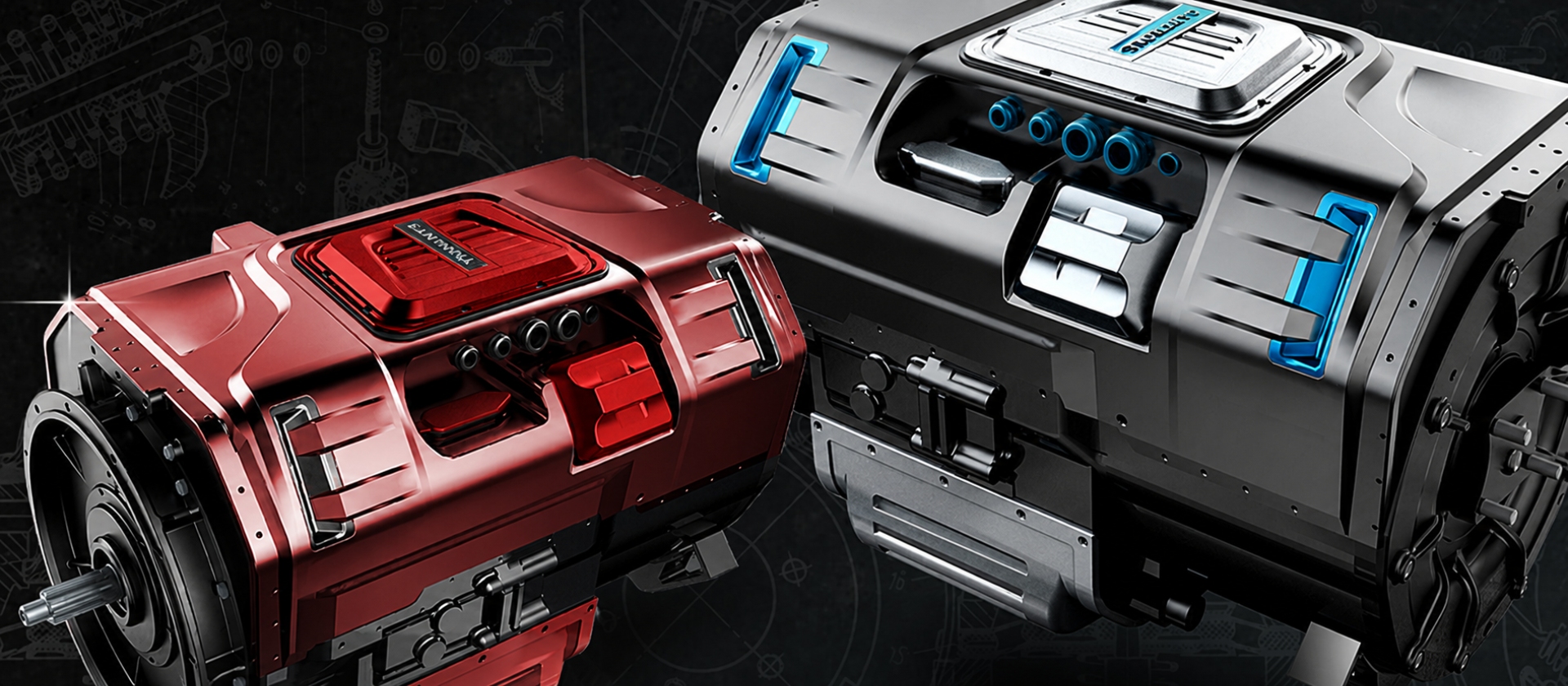
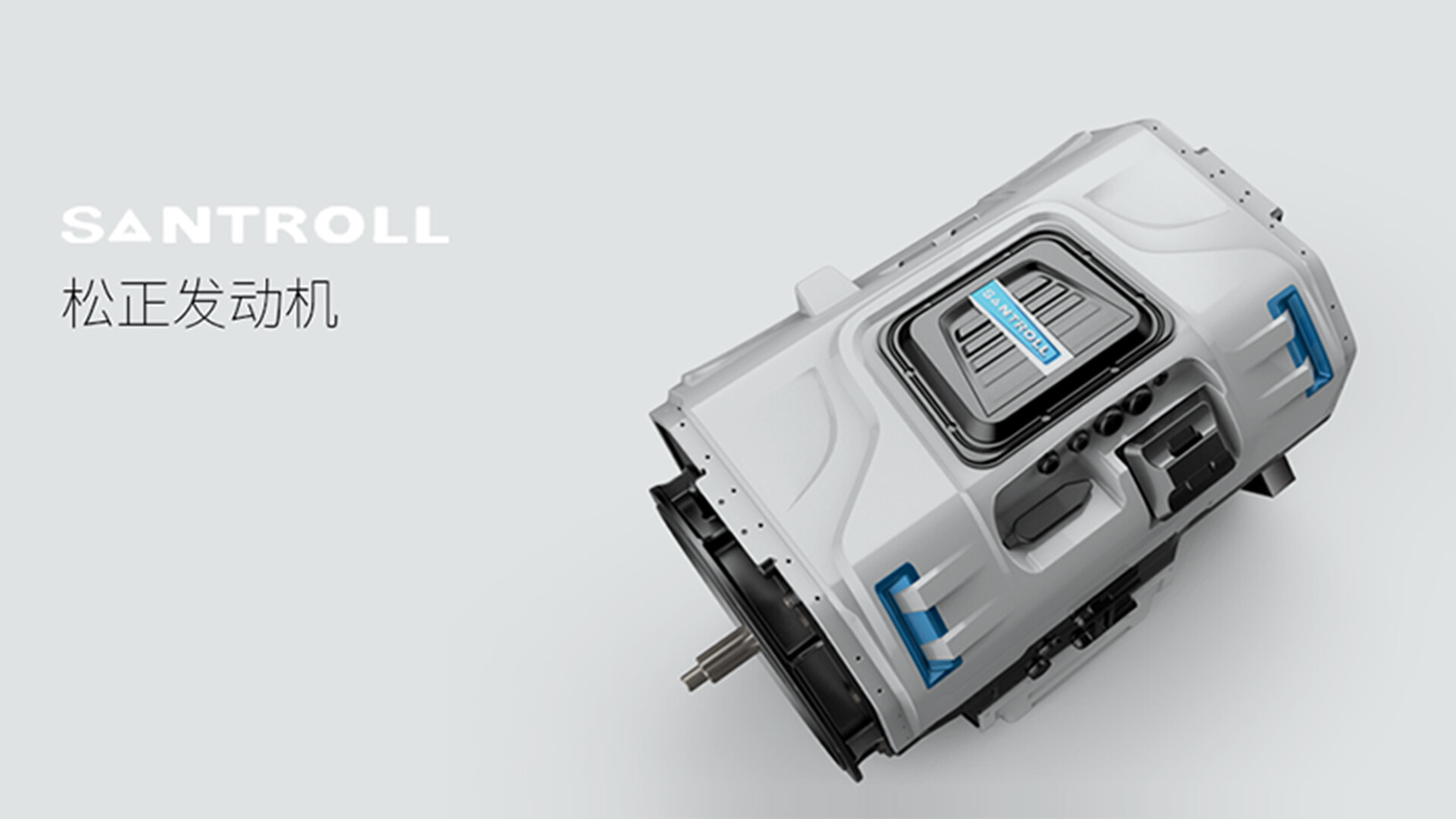
Tianjin SANTROLL Hybrid Engine Design
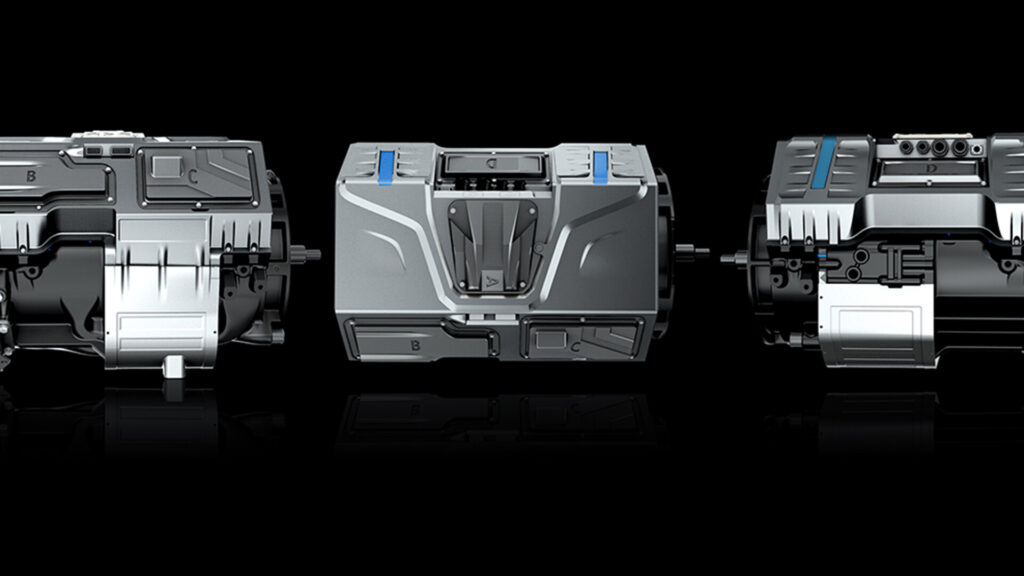
By combining aesthetics and mechanics, the design demonstrates a clear sense of innovation.



Innovation Insights
Market Insight
Project Background:
The engines produced by the client are not only used in their own vehicles but also sold externally. Therefore, an attractive appearance and a reliable structure are both essential.
Challenges
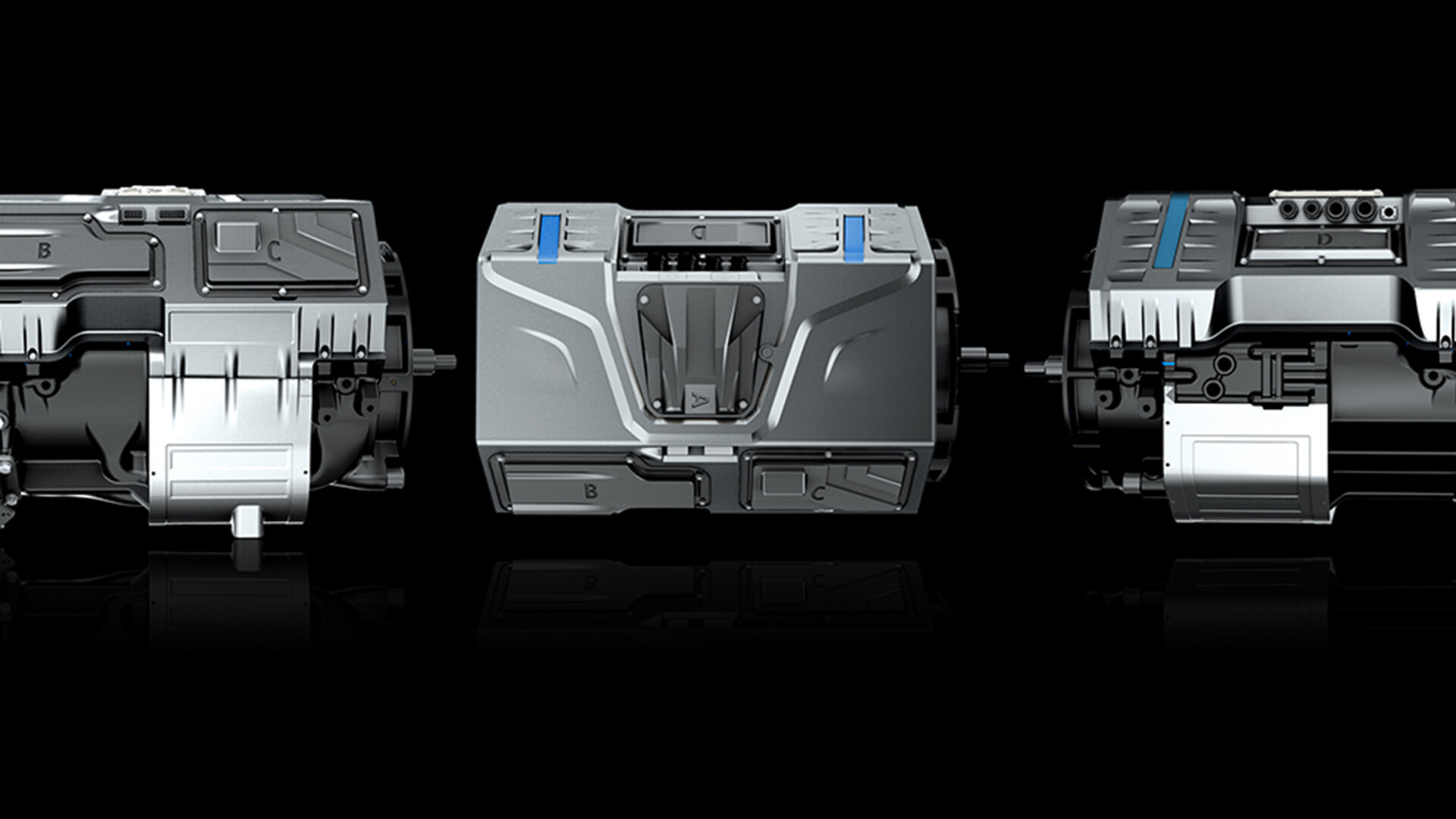
The biggest challenge of this project is that the appearance itself is the structure, and the structure defines the appearance. Its complexity places extremely high demands on modeling accuracy.
Design Strategy
Product Strategy
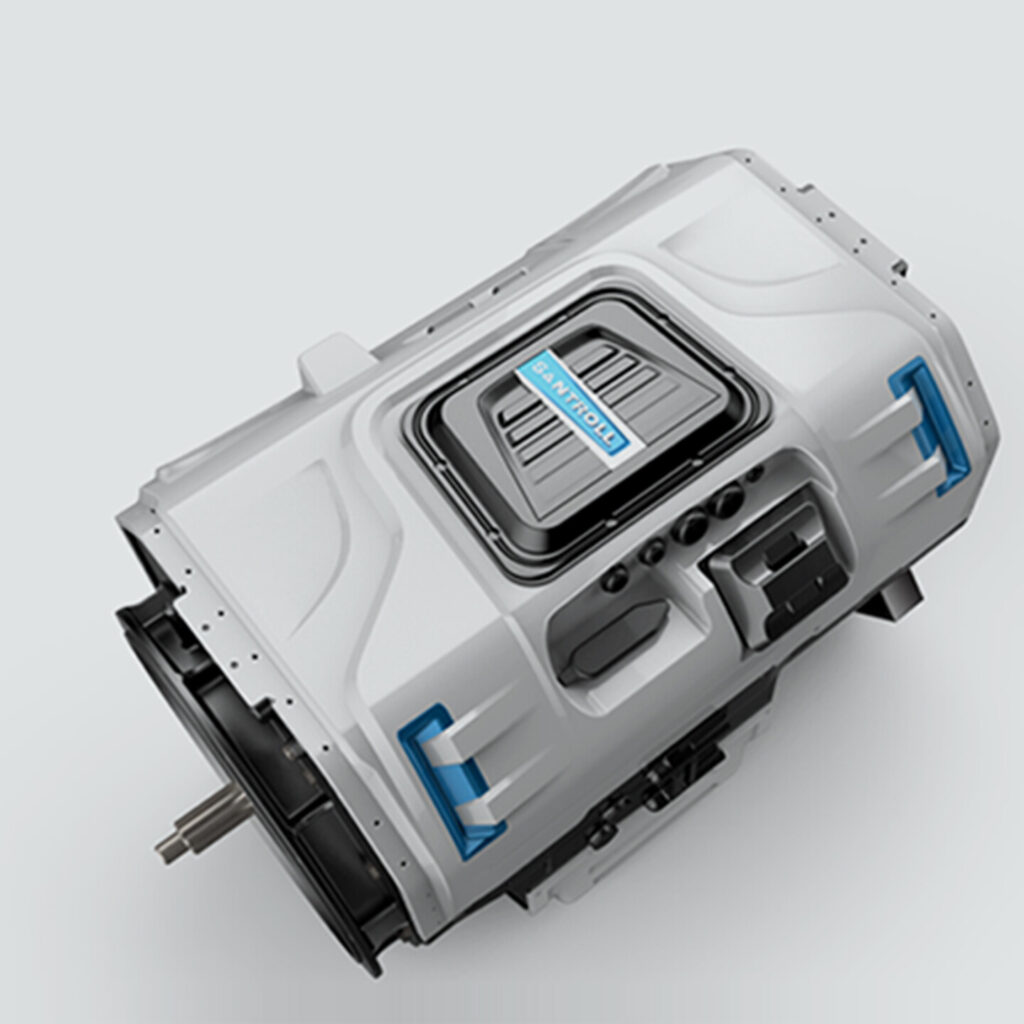
Through the integration of aesthetics and mechanics, a bold all-cast aluminum frame design with strong structural integrity was adopted for the first time, allowing for more natural and diverse forms. The overall design incorporates aircraft-inspired elements, expressing a sense of speed, power, and advanced technology.
Optimization & Upgrade
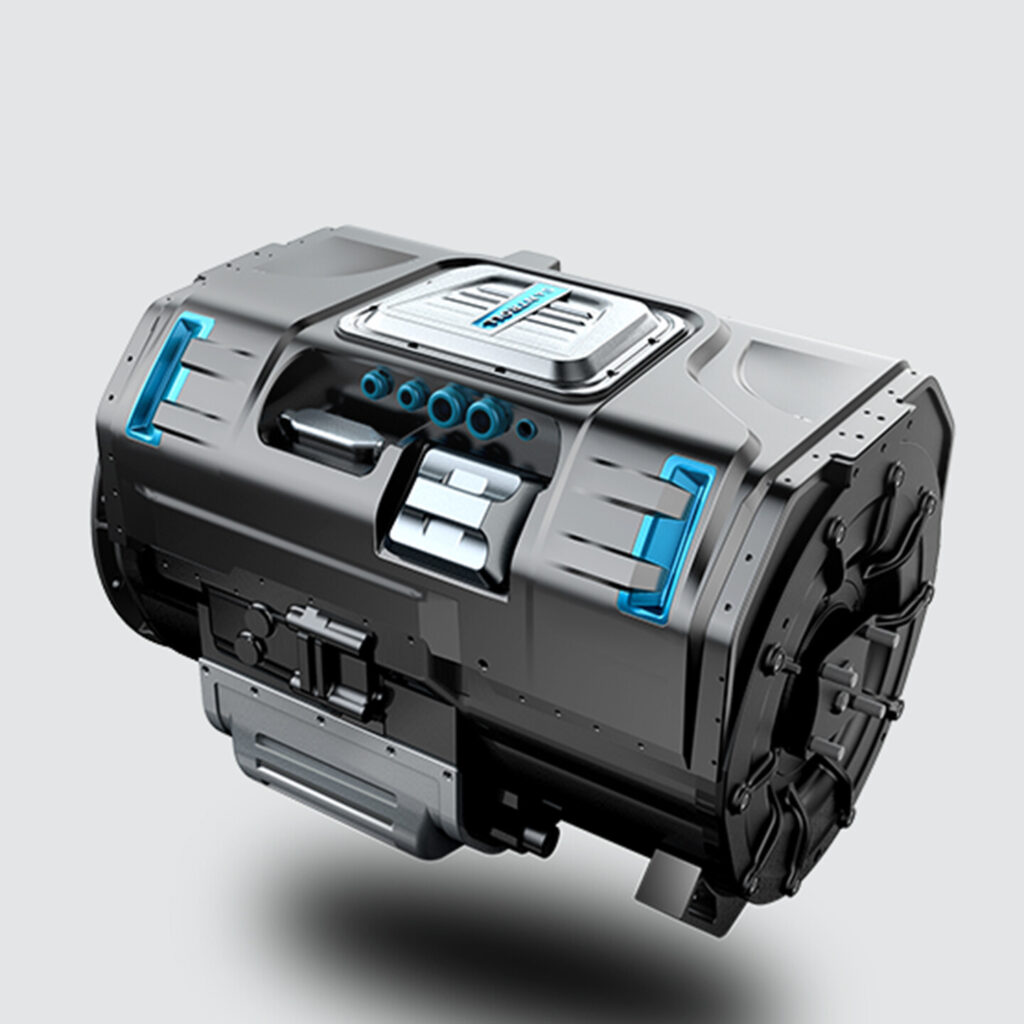
The application of materials and surface treatments enhances the product’s perceived value and industrial quality. The strong correlation between exterior design and internal structure reflects a clear innovative design approach. The overall system is also equipped with vibration resistance and waterproof features, achieving a balance between form, function, cost, and feasibility.
💡 Solution
1. Full Hybrid Mode Coverage
This electric bus engine achieves full coverage of hybrid modes, including series, parallel, and combined systems. This technology fills a gap in the market. By removing the central gearbox, the drive motor and generator have no physical connection, forming a series mode. By increasing battery capacity in this mode, it becomes a range-extended system. It supports a full range of applications, including city buses (limited to 70 km/h), tourist buses, commuter vehicles, and long-distance coaches (over 100 km/h).
2. Highly Integrated Powertrain System
With a high level of integration, the system allows for easier and safer vehicle installation. It supports both single power source and dual-source parallel configurations, providing greater flexibility and advancing the development of new energy vehicle technologies.

Like What You See?
 Let's Talk About Your Project