

 Home /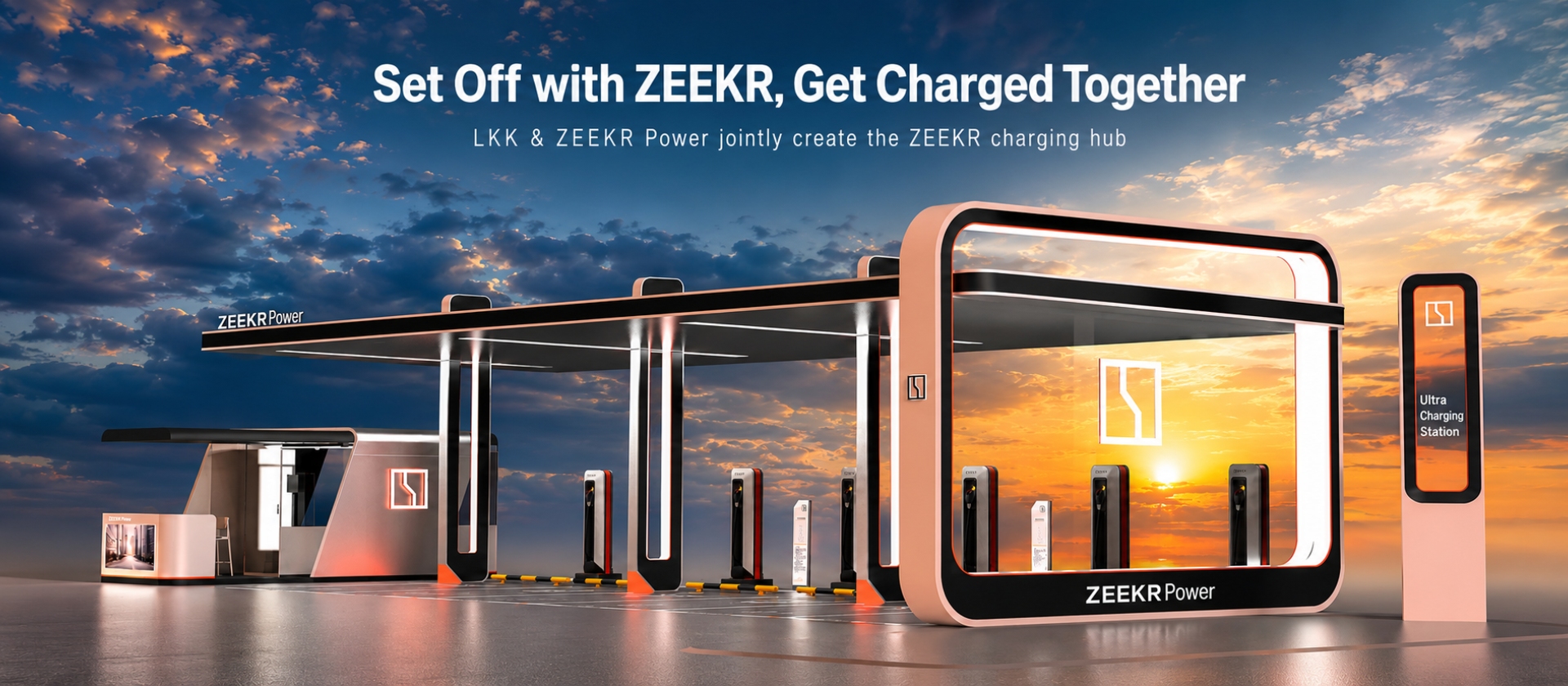
ZEEKR New Energy Charging Station SI Design
ZEEKR Energy — Set Out with ZEEKR and Power Up Together Strategic Planning for the EV Energy Replenishment Network



Innovation Insights
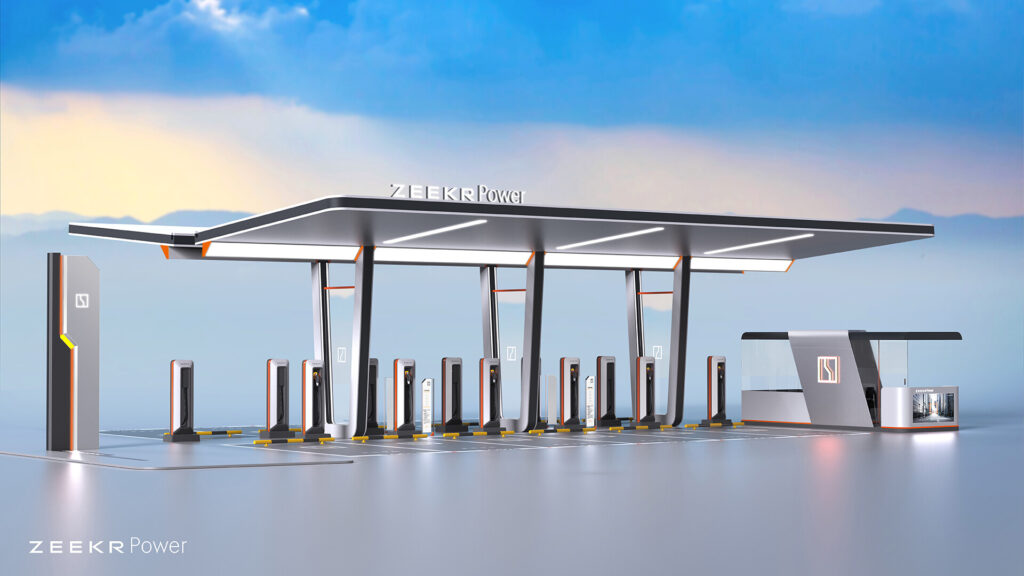
Project Background
With the rapid development of the new energy vehicle market, Geely has actively expanded its diversified new energy strategy.
Its brands, including Geometry, Lynk & Co, and Polestar, have already introduced a wide range of new energy vehicles. To further develop its electric vehicle charging and energy replenishment services, Geely established an energy service company, leading to the creation of Haohan Energy Technology.
As the centralized energy service company for Geely Group’s automotive brands, Haohan Energy Technology currently provides charging and energy services for ZEEKR. In the future, the company also plans to extend its services to other automotive brands.
Energy Service Network Development
Haohan Energy Technology is committed to providing premium energy service experiences for users of mid-range and high-end electric vehicles.
Its services cover the entire lifecycle of an electric vehicle and address users’ charging needs across a full range of scenarios, including charging at home, charging while traveling, and emergency energy replenishment.
Driven by artificial intelligence and big data, the service system uses end-to-end digital experiences as key user touchpoints.
The goal is to reduce range anxiety, strengthen the competitiveness of electric vehicle brands, and promote the rapid development of China’s charging and energy replenishment industry.
Design Strategy
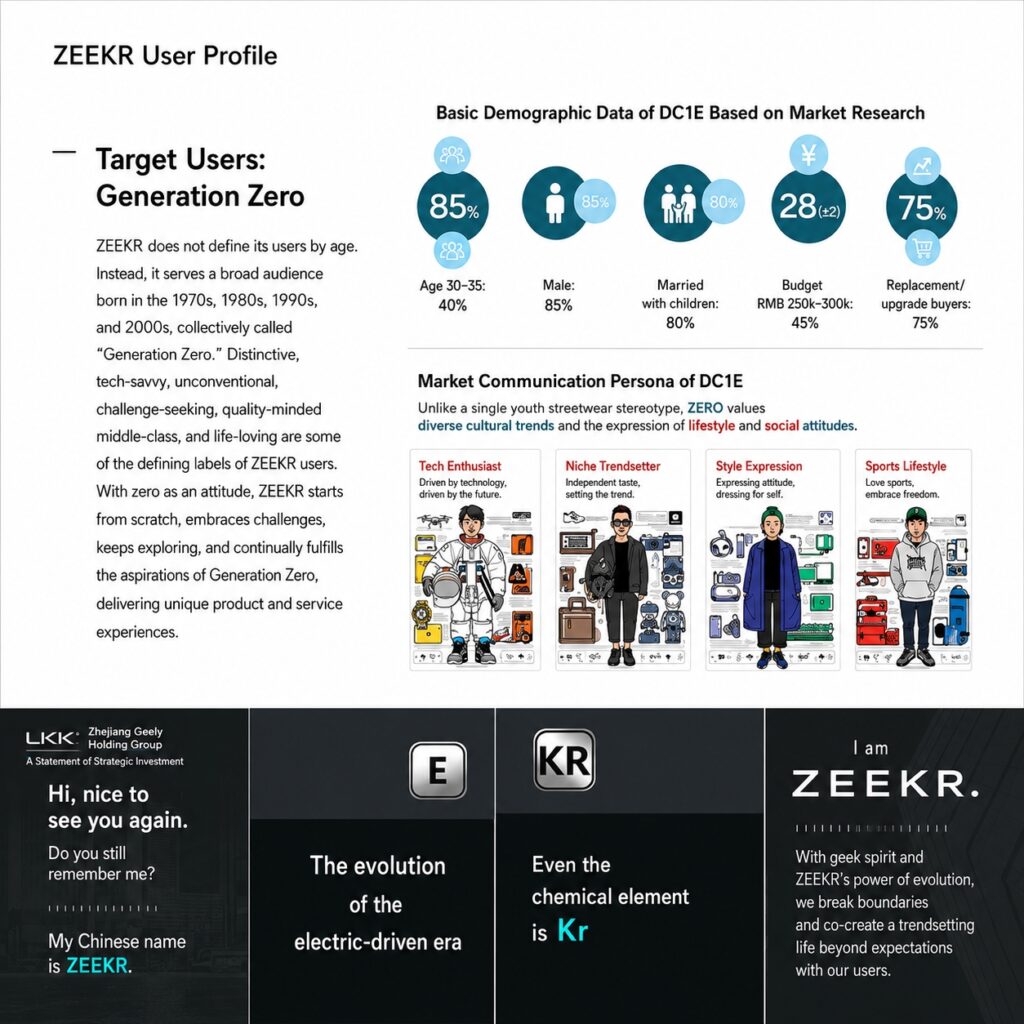
Brand Positioning
Haohan Energy Technology is positioned as a premium electric vehicle energy service provider offering efficient, intelligent, and comprehensive charging experiences.
The brand focuses on creating a seamless charging network for mid-range and high-end electric vehicle users while delivering a stronger sense of quality, technology, convenience, and lifestyle value.
Corporate Vision
To become China’s largest energy service company for pure electric vehicles within five years.
Corporate Mission
To eliminate charging anxiety, make electric mobility more enjoyable, and contribute to a cleaner world.
Product Strategy
Haohan Energy Technology aims to deliver an outstanding energy service experience for users of mid-range and high-end electric vehicles.
Targeting the consumer market, its services cover the full lifecycle of electric vehicles and provide seamless energy replenishment across a wide range of pure electric mobility scenarios.
The company currently provides energy services primarily for ZEEKR and plans to support additional automotive brands in the future.
In 2021, the energy service project team planned to construct more than 300 charging locations.
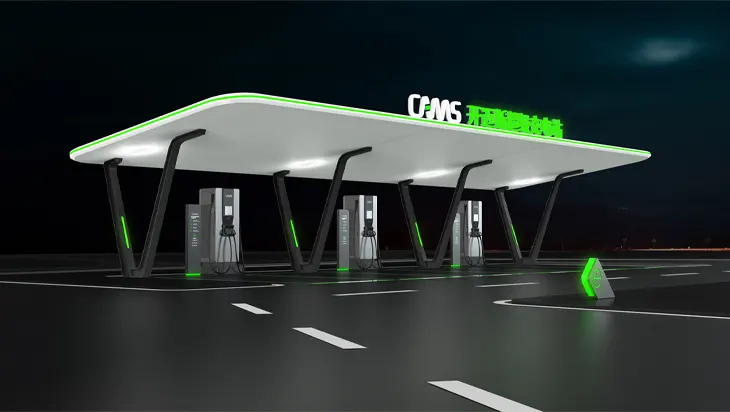
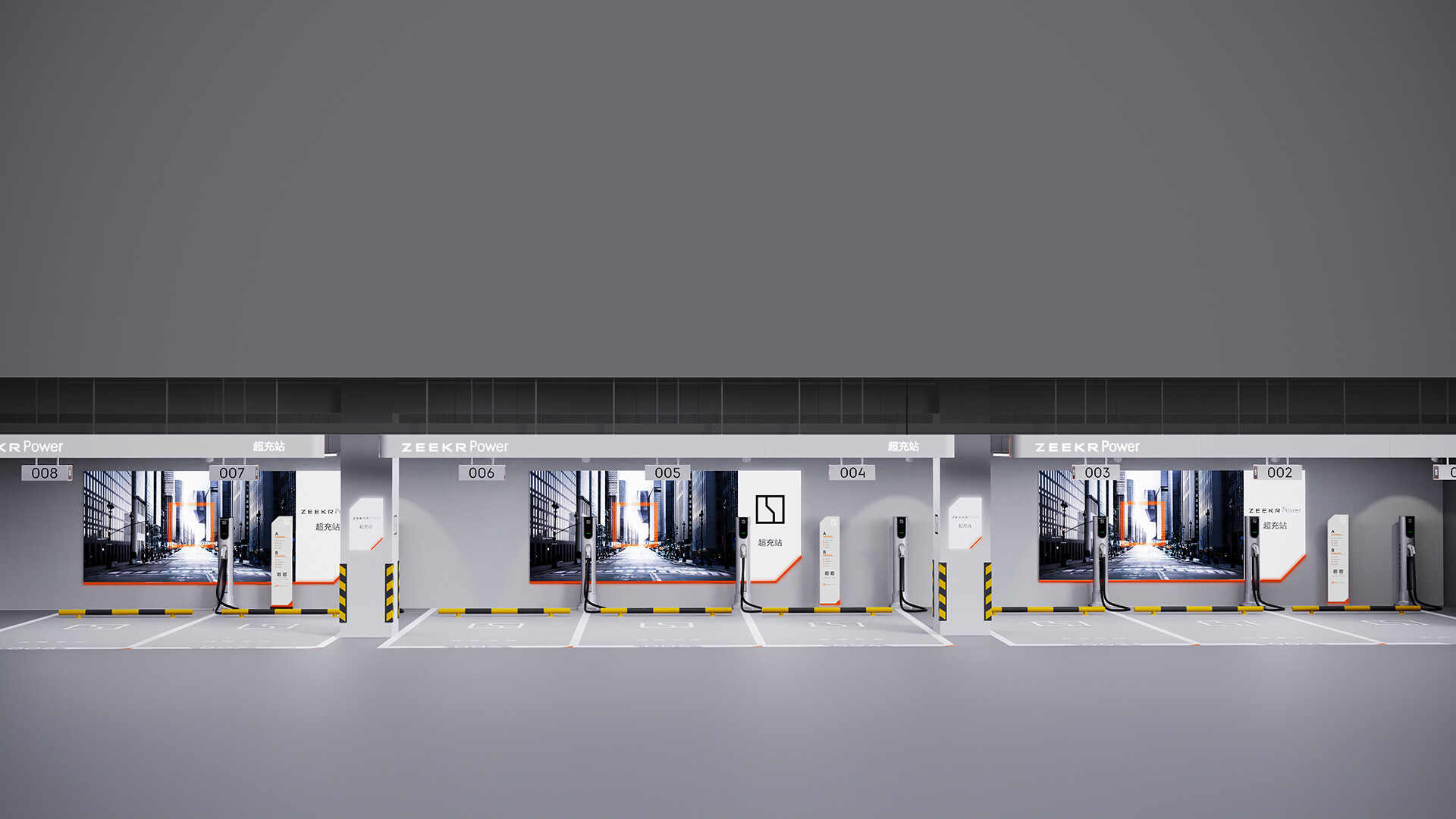
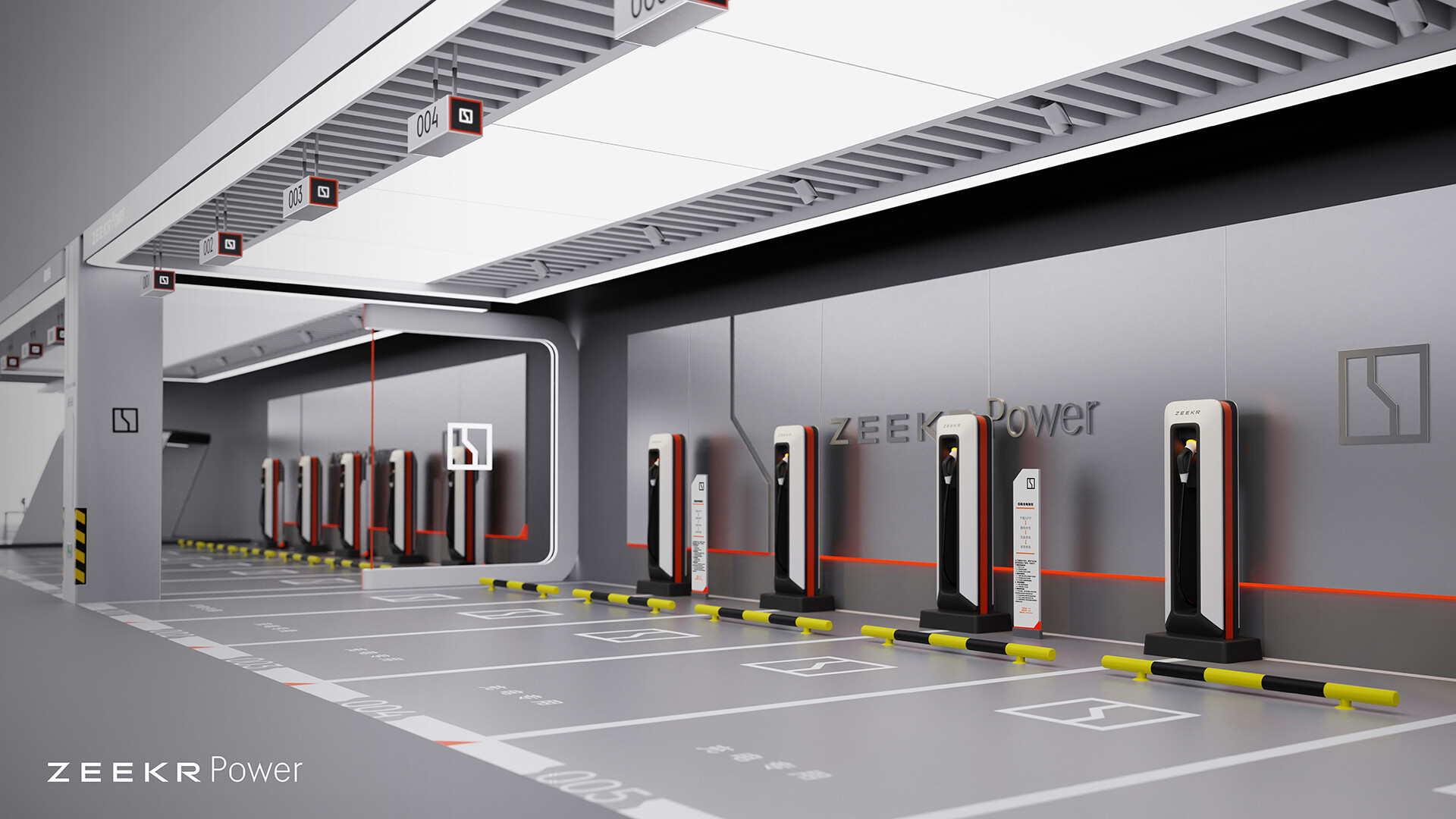
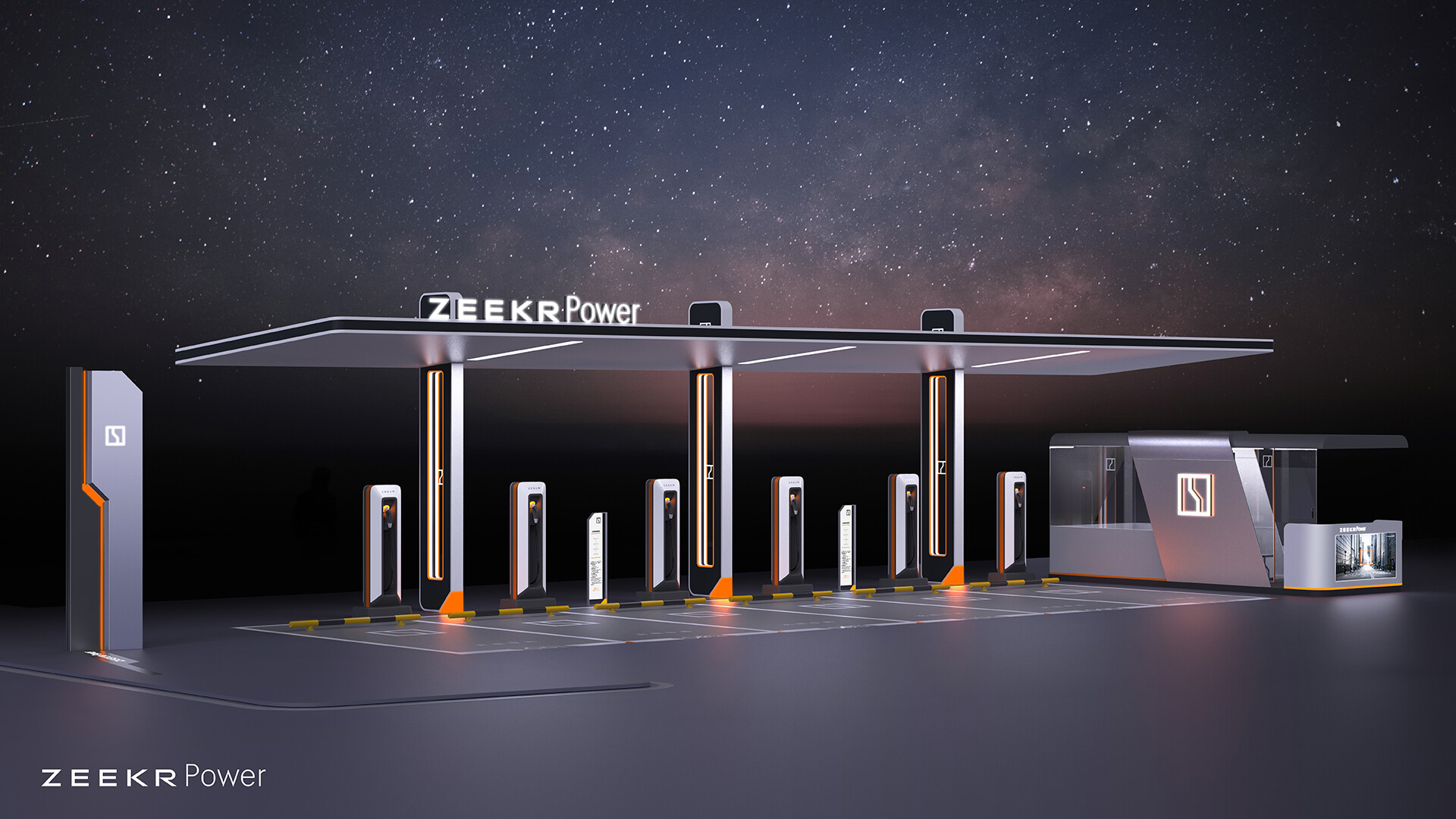
Four types of charging facilities required standardized spatial identity and experience design: Destination Charging Stations, Supercharging Stations, Ultra-Fast Charging Stations, and Ultra-Fast Charging Centers.
User Insight
The charging network needed to support users in every major energy replenishment scenario, from charging at home and during daily travel to accessing power in an emergency.
By creating a more complete, convenient, and reliable service network, the project aimed to reduce users’ range anxiety and enhance the overall value and competitiveness of electric vehicle brands.
Experience Optimization
Mid-range and high-end electric vehicle users expect a charging environment that provides more than basic functionality.
They value service quality, comfort, convenience, and an experience that reflects their lifestyle and social identity.
The key experience directions were defined as a sense of premium quality combined with technology, fashion, and contemporary lifestyle trends.
The charging facilities were designed for locations such as shopping centers, hotels, public parking areas, offices, tourist attractions, and other high-traffic environments.
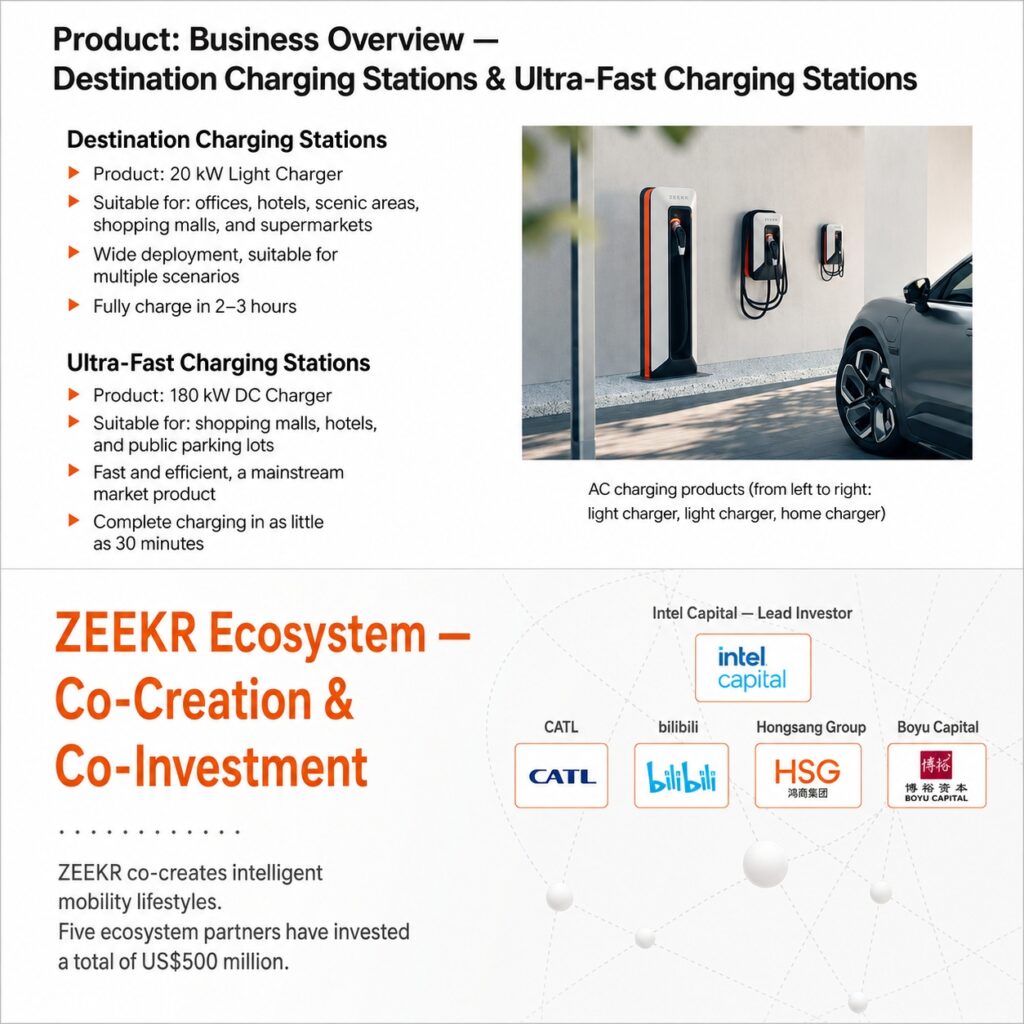
Fast-charging products were positioned as efficient mainstream solutions capable of completing a substantial charging session in approximately 30 minutes.
💡 Solution
1. Target Users and Station Capacity Planning
The primary users included high-end electric vehicle owners born after 1975, 1980, 1985, and 1990.
The target group consisted mainly of male and married users who placed strong value on expressing their lifestyles, personal preferences, and social attitudes through the products and services they selected.
Based on these user characteristics, the charging infrastructure was planned at different scales.
An Ultra-Fast Charging Station was designed to accommodate at least six charging spaces simultaneously, while an Ultra-Fast Charging Center was planned to provide at least 20 charging spaces.
These configurations allowed the service system to address different site conditions, traffic levels, and user capacities.
2. An Integrated Charging, Leisure and Social Experience
The Ultra-Fast Charging Center was designed as a comprehensive, one-stop experience space integrating charging, relaxation, entertainment, shopping, and social interaction.
In first-tier and emerging first-tier cities, the charging environment could be connected with ZEEKR’s social and lifestyle ecosystem.
While waiting for their vehicles to charge, users could rest, meet friends, participate in entertainment activities, shop, or communicate with other vehicle owners.
Possible activities included organizing multiplayer gaming sessions, attending themed sharing events, or joining family and parent-child activities.
Instead of treating charging time as an inconvenience, the service environment transformed it into an enjoyable part of the electric mobility experience.
The Ultra-Fast Charging Station primarily emphasized exclusivity and premium quality, reinforcing the identity and lifestyle expectations of high-net-worth users.
3. Flexible Application Across Multiple Scenarios
The charging products were designed for broad deployment in offices, hotels, scenic destinations, shopping centers, public parking facilities, and other locations with frequent vehicle circulation.
This wide-ranging adaptability allowed the system to support different user journeys and charging requirements.
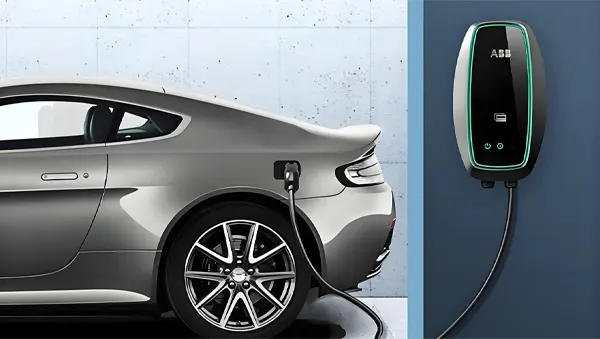
Destination Charging Stations were intended for locations where vehicles remain parked for longer periods.
Depending on the vehicle and charging conditions, users could replenish their batteries within approximately two to three hours while working, shopping, staying at a hotel, or visiting a destination.
Together, the different charging station formats created a complete energy replenishment network covering rapid charging, destination charging, premium service, and large-scale social experience spaces.

Like What You See?
 Let's Talk About Your Project