

 Home /
Chocolate Power Bank
A power bank that can be modularly assembled like chocolate




🤝 Project Background
In the competitive landscape of the early 2010s, the mobile power bank market was characterized by homogeneous products with utilitarian designs. Consumers faced a dilemma: choosing between high-capacity units that were bulky and inconvenient to carry, or portable ones with insufficient battery life.
Mrice, an innovative Hong Kong brand, identified this gap and sought to create a product that transcended mere functionality. They partnered with LKK Design, a full-service product design and development company, to initiate a groundbreaking new product design and developmentproject. The vision was clear—to redefine the power bank as a sophisticated, user-centric accessory through superior product design services.
The collaboration leveraged LKK's expertise across the entire development spectrum, from conceptual industrial design services to production manufacturing, aiming to deliver a product that was both technologically robust and aesthetically distinguished.
📝 Requirements and Goals
The Modular "Chocolate" Concept
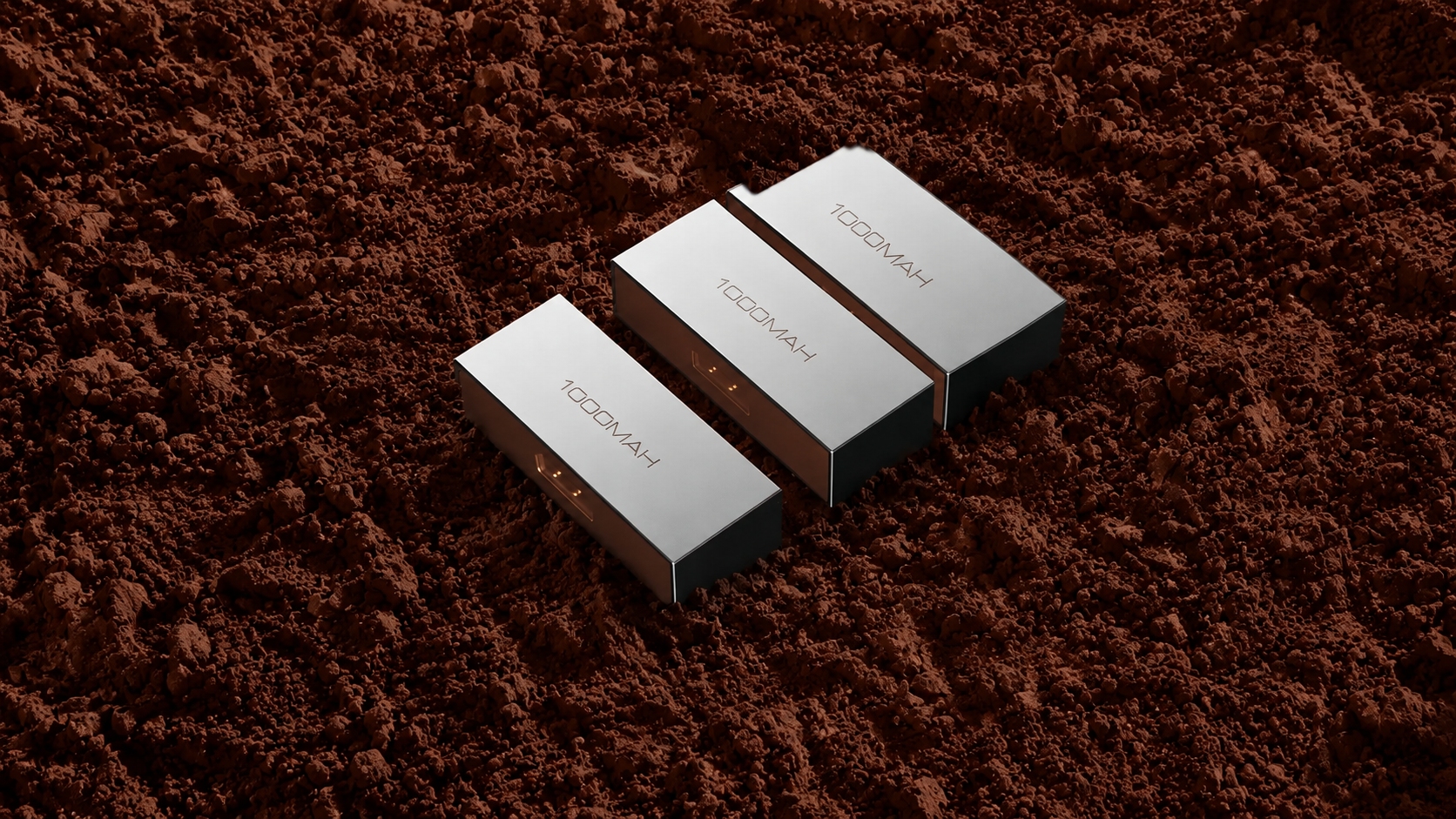
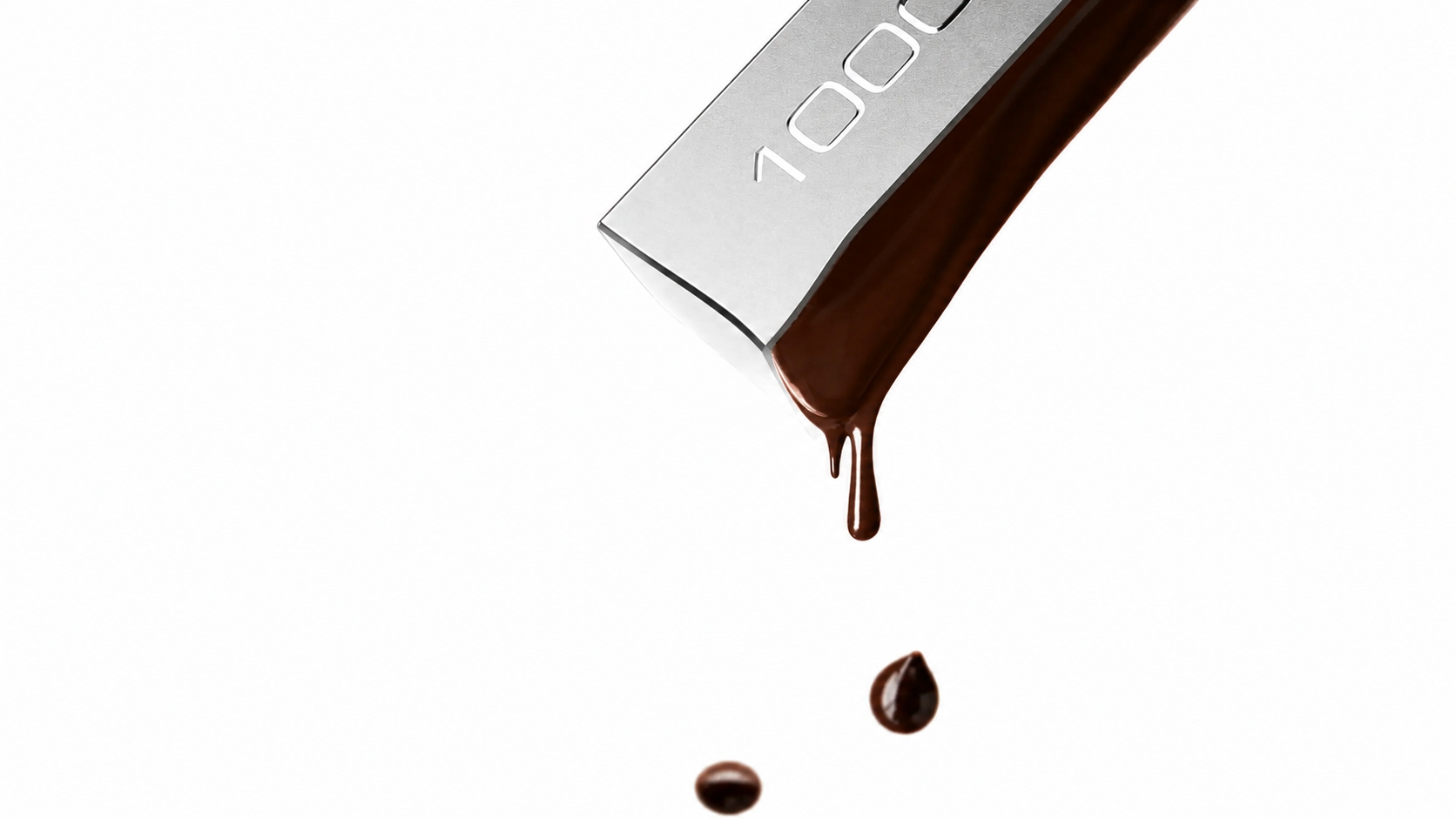
The breakthrough came from an elegant, everyday metaphor: chocolate. This inspired the core product design development philosophy—a modular system that allowed users to "break off" precisely the amount of power they needed, just like pieces of chocolate.
LKK Design's industrial design services team materialized this concept into a tangible strategy. The innovative solution featured:
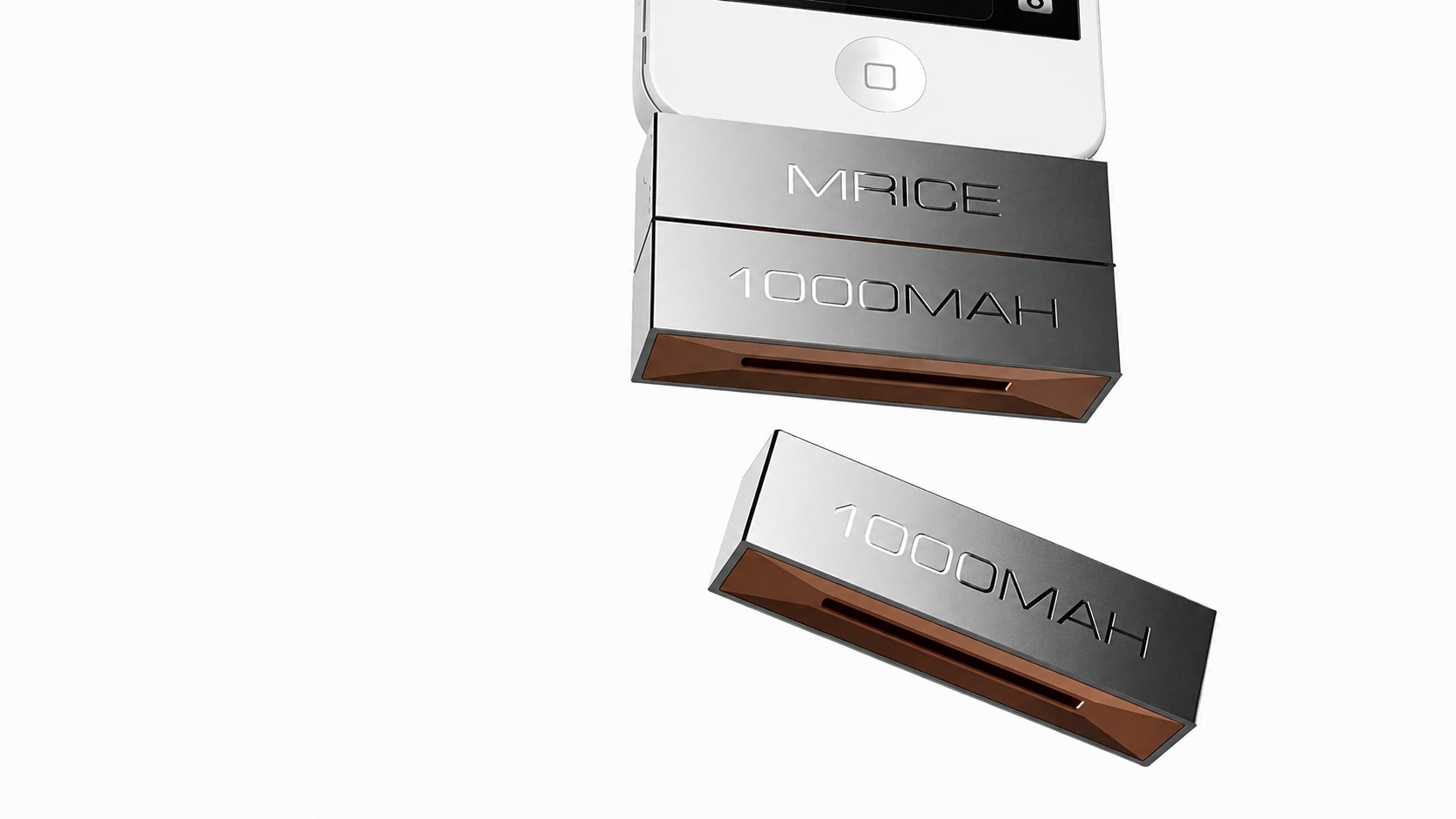
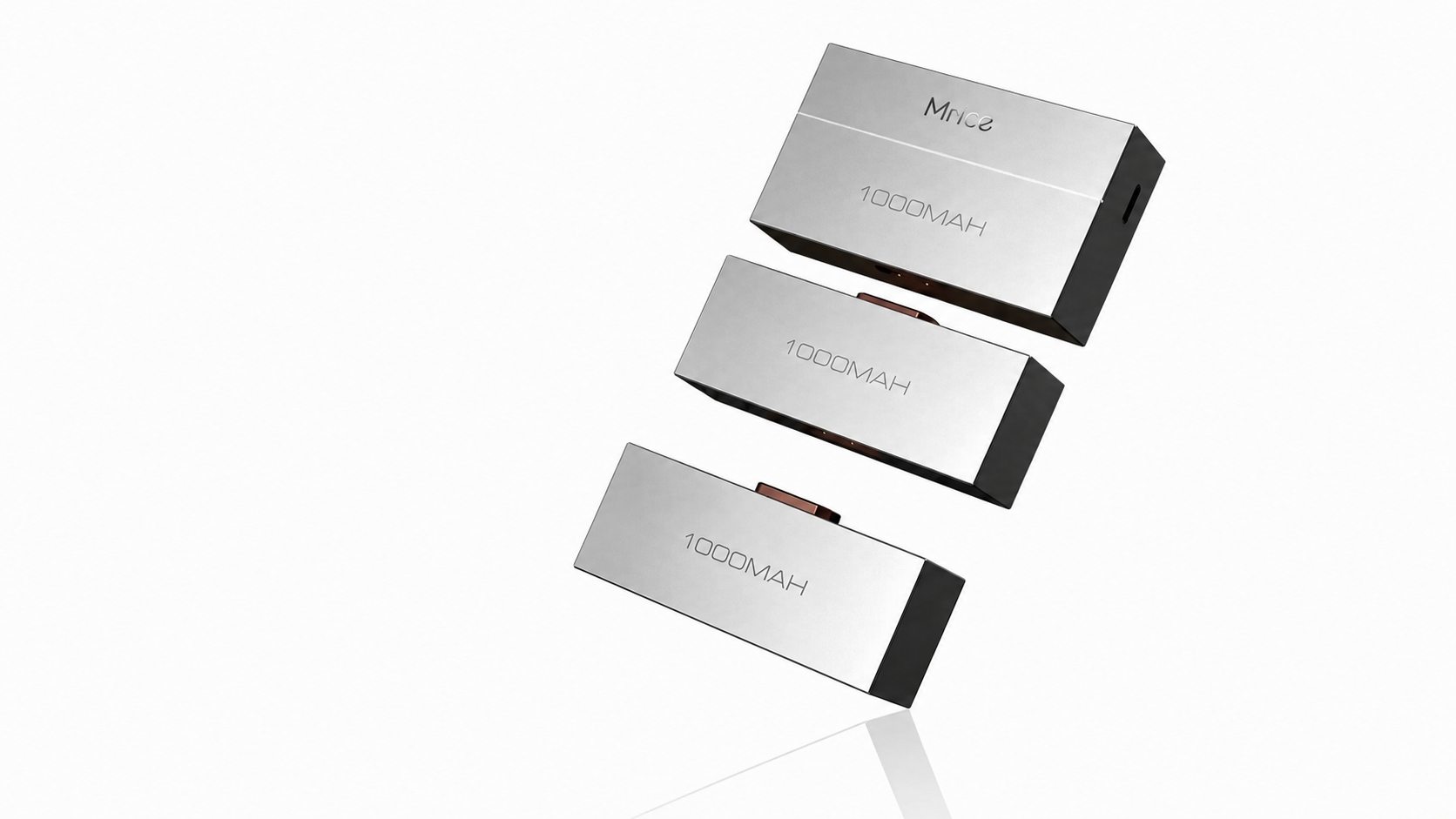
- A central "Mother" module (1000mAh) containing the control circuit and a standard USB output (5V/1A).
- Multiple, magnetically attachable "Chocolate" battery modules (1000mAh each).
This modular approach, developed with DFM (Design for Manufacturability) considerations from the start, elegantly resolved the portability-capacity conflict. It empowered users to customize their carrying load based on specific needs. The final product exhibited a sleek, metallic form (91x64.5x17mm) with a refined sandblasted finish, intuitive LED indicators, and a user-friendly interface, setting a new benchmark in industrial design for electronic accessories.
💡 Solution and Design Process
1. Design Research and Industrial Design
The process began with in-depth design research to validate user pain points. The industrial design service phase focused on creating a product language that was minimalist, premium, and tactile. Every curve, surface finish, and detail was crafted to evoke a sense of quality and seamless integration with other high-end personal devices.
2. Mechanical Design Service: Ensuring Structural Integrity and Usability
The mechanical design service faced the critical challenge of creating a reliable and satisfying connection mechanism for the modular units. The team developed a proprietary magnetic拼接 structure. This system needed to provide:
- A Secure Physical Connection: Strong enough to hold modules together during daily use and transport.
- Positive User Feedback: A distinct and pleasing "snap" sound and feel upon connection and detachment.
- Precise Alignment: To ensure the electrical pogo pins mate correctly every time.
- Durability: Withstanding repeated connection cycles without wear or performance degradation.
Extensive prototyping and testing services were employed to iterate and perfect this mechanism, ensuring it was both robust and delightful to use.
3. Electronic Design Service: Prioritizing Safety in Innovation
The modular concept introduced unique electronic design challenges, with safety being the paramount concern. The use of exposed magnetic pogo pins for inter-module conduction posed a serious risk: accidental contact between positive and negative pins could cause a short circuit, leading to potential overheating or fire.
LKK's electronic design service team engineered a comprehensive dual-protection safety architecture to mitigate this risk:
- Independent Cell Protection: Each individual battery cell within every module was equipped with its own dedicated safety protection circuit (including overcharge, over-discharge, and short-circuit protection).
- System-Level Motherboard Protection: The main control circuit on the "Mother" module featured an additional, redundant layer of short-circuit and over-current protection. This hierarchical approach created a fail-safe system, ensuring exceptional safety for the end-user.
4. Prototyping, Testing, and DFM
Rigorous prototyping and testing services were conducted throughout the product design development cycle. Functional prototypes validated the electronic safety systems, power conversion efficiency, and thermal management. Ergonomic and aesthetic prototypes refined the form and feel. Concurrent DFM analysis was integral, continuously optimizing part design, material selection, and assembly processes to ensure smooth transition to production manufacturing.
5. Production Manufacturing and Premium Craftsmanship
For production manufacturing, LKK specified high-end manufacturing processes to achieve a luxury standard. The unibody aluminum alloy casing was manufactured using precision CNC machining, followed by meticulous anodizing and surface treatment—processes synonymous with premium smartphones of that era.
This choice in manufacturing processes was deliberate. It ensured the Mrice Chocolate power bank possessed the same exquisite tactile quality, visual coherence, and perceived value as the premium devices it charged, effectively elevating it from a generic electronic component to a desirable personal accessory.
💎 Project Value
The Mrice Chocolate mobile power bank was met with immediate success. Its innovative design was recognized with the internationally renowned 2013 Red Dot Design Award, validating its excellence in product design and development.
Commercially, it carved a lucrative niche in the premium tech accessory market. Its most significant achievement, however, was transcending the consumer electronics sphere. The product's exceptional design language and exquisite finish attracted the attention of Chow Tai Fook, a world-leading jewelry and luxury brand, which placed a custom gift order.
This partnership marked a pivotal moment, demonstrating that the value created through holistic product design development—encompassing innovative industrial design services, precise mechanical design services, safe electronic design services, and advanced production manufacturing—could resonate powerfully within the luxury sector, blurring the lines between technology and high-end craftsmanship.
Like What You See?
 Let's Talk About Your Project