

 Home /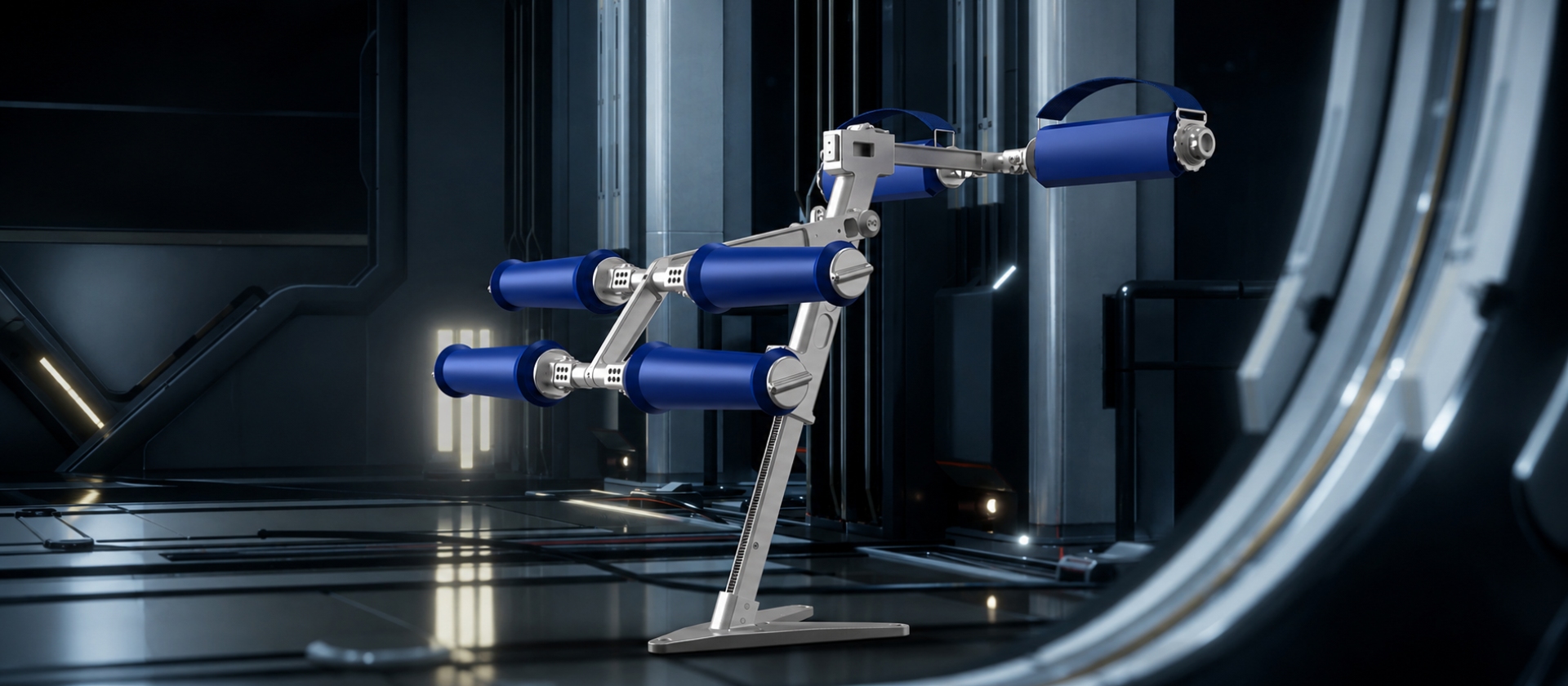
Tianhe Core Module Body Restraint Device
Component Development and Manufacturing Successfully Qualified for the Launch Environment



Innovation Insights
Project Background
China Aerospace Science and Technology Corporation is a large state-owned high-technology enterprise group and one of the world’s Fortune Global 500 companies.
The corporation possesses independent intellectual property rights and well-known brands in China’s strategic high-technology sectors, supported by strong innovation capabilities and core competitiveness.
It was officially established on July 1, 1999. Its predecessor was the Fifth Academy of the Ministry of National Defense, founded in 1956. Over the following decades, the organization developed through several historical stages, including the Seventh Ministry of Machine Building, the Ministry of Astronautics, the Ministry of Aerospace Industry, and China Aerospace Corporation.
User Requirements
LKK Design and Development provided the research, development, and manufacturing of selected components for the core module of the Chinese Space Station, as well as for the subsequently planned Experimental Module I and Experimental Module II.
The project covered a wide range of supporting products and flight-ready components, including movable long handrails, movable short handrails, movable telescopic rods, single-ended handrails, short slide rails, long slide rails, anchor bolts and related accessories, space foot restraints, large workbench extension assemblies, movable foot restraints, fixed long handrails, fixed short handrails, curved handrails, fixed workbenches, movable workbenches, a main dining table, and an expandable dining table.
These products were developed to support astronauts’ daily activities and work in different areas of the space station, including the working area, sleeping area, hygiene area, dining area, medical monitoring and healthcare area, and exercise area.
The products were successfully launched into space together with the Tianhe Core Module. The project was carried out under China Aerospace Science and Technology Corporation.
Design Strategy
Product Strategy
Each individual product passed through four complete design, manufacturing, and verification stages:
The initial prototype stage, structural and thermal model stage, qualification model stage, and flight model stage.
This rigorous development process ensured that every product sent into space met zero-defect requirements throughout both design and manufacturing.
Securing the Body in Microgravity
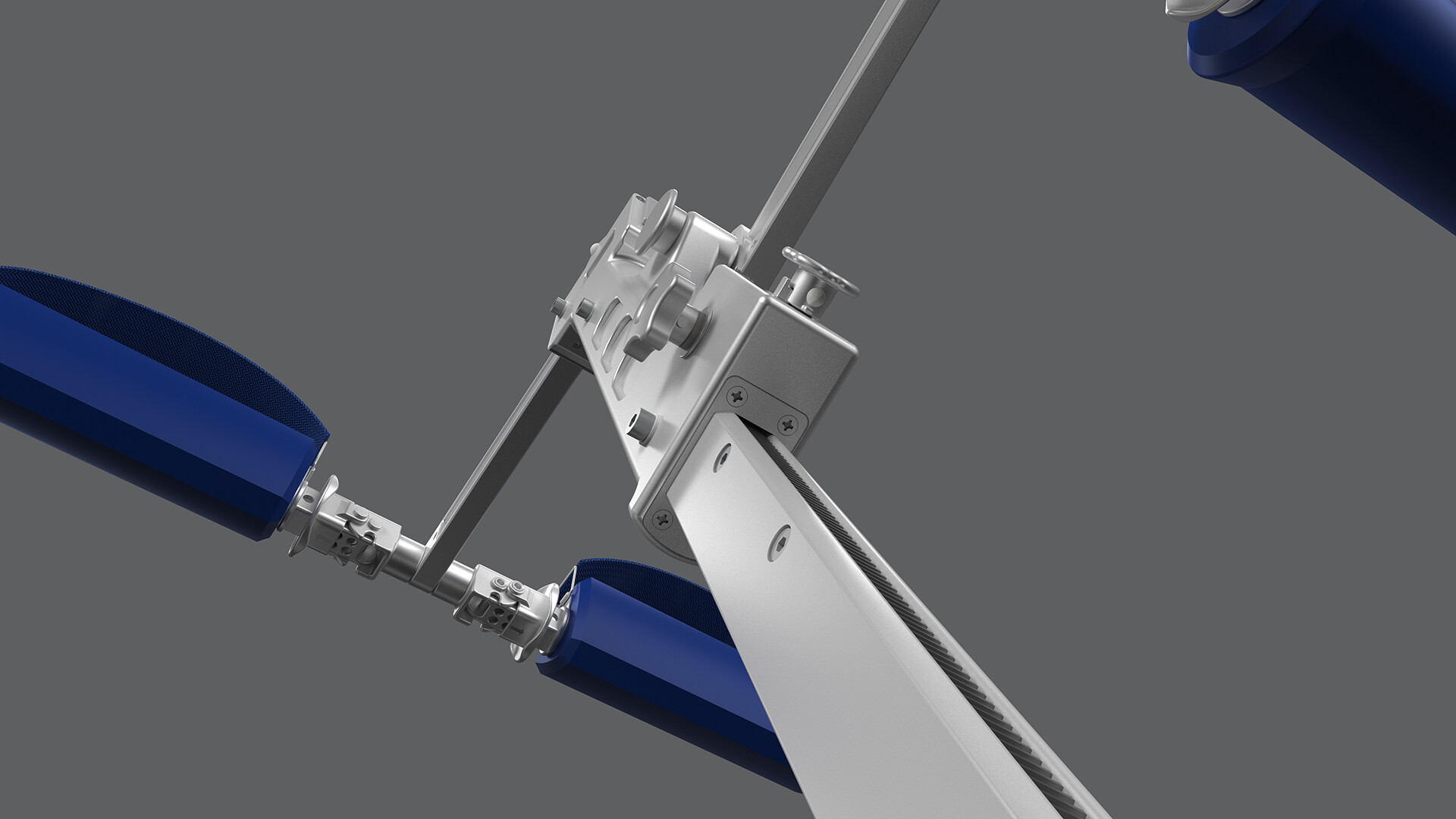
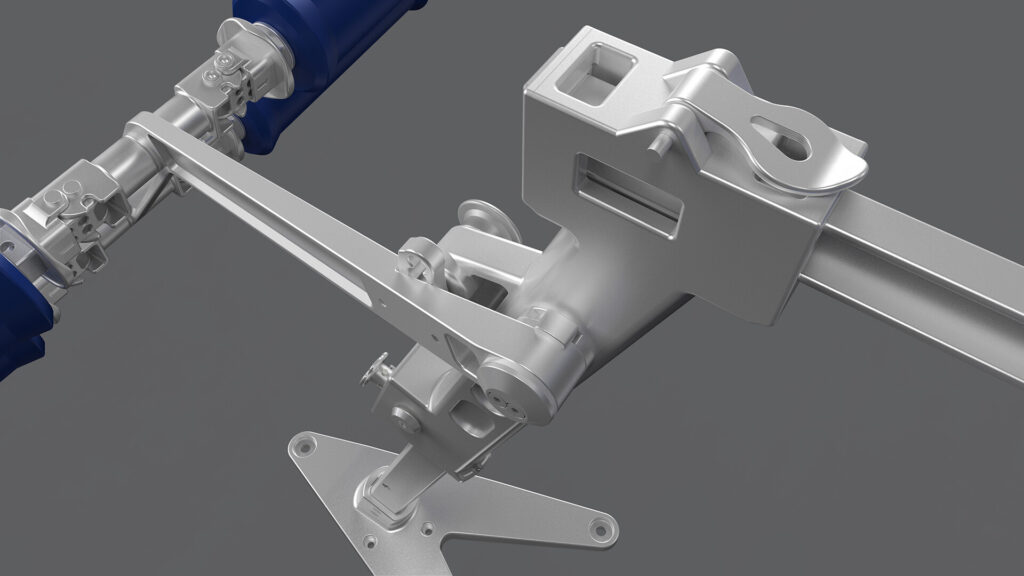
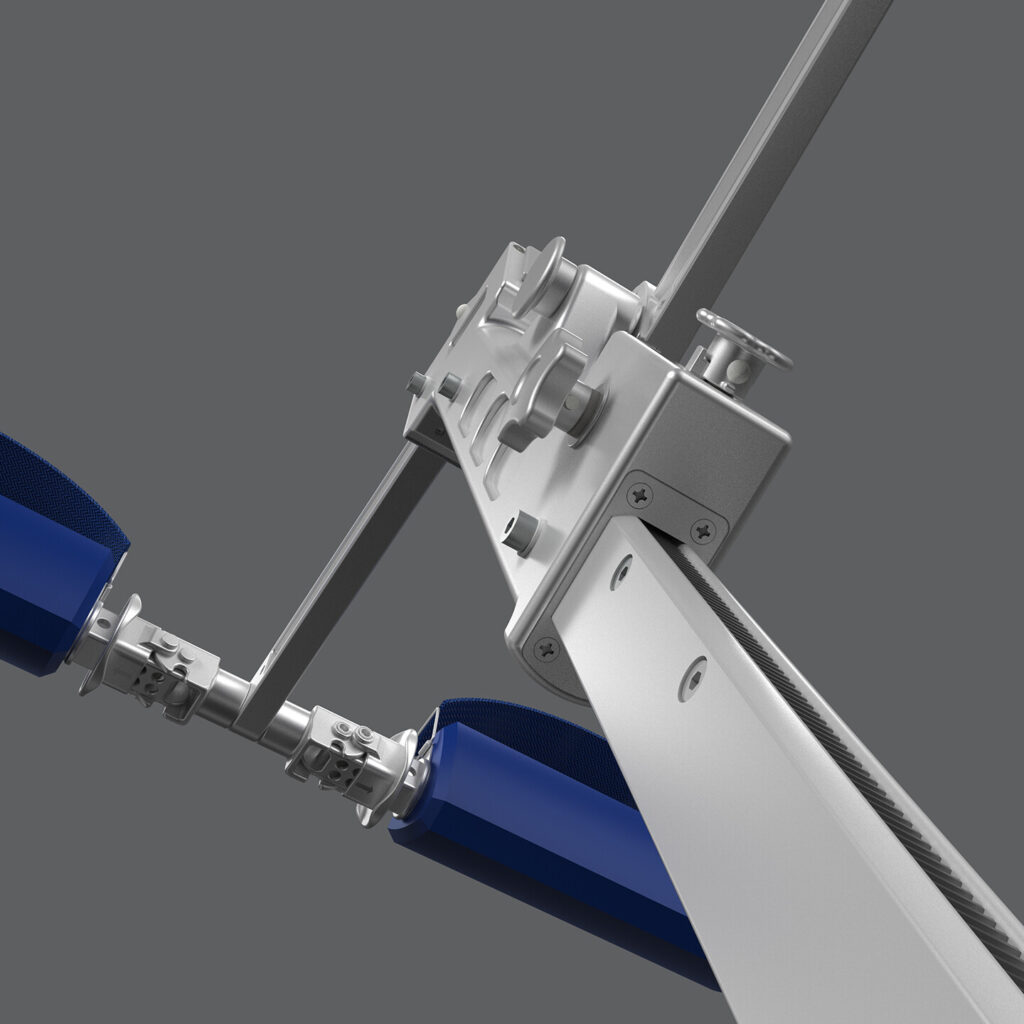
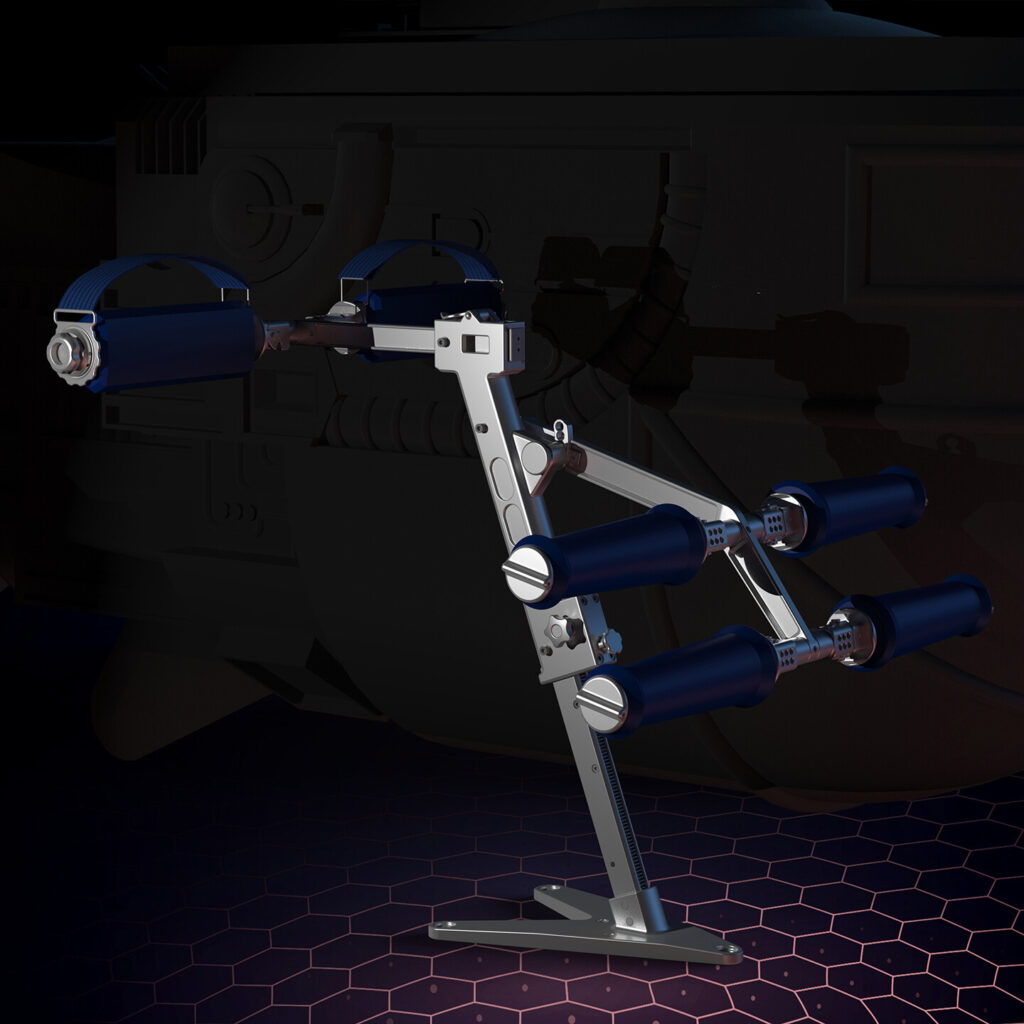
The body restraint device was designed to stabilize astronauts while they work inside the space station.
In a microgravity environment, astronauts may drift away from their working position. The restraint system secures the user’s body and provides a stable working posture, allowing tasks to be completed more safely and efficiently.
Foldable Storage
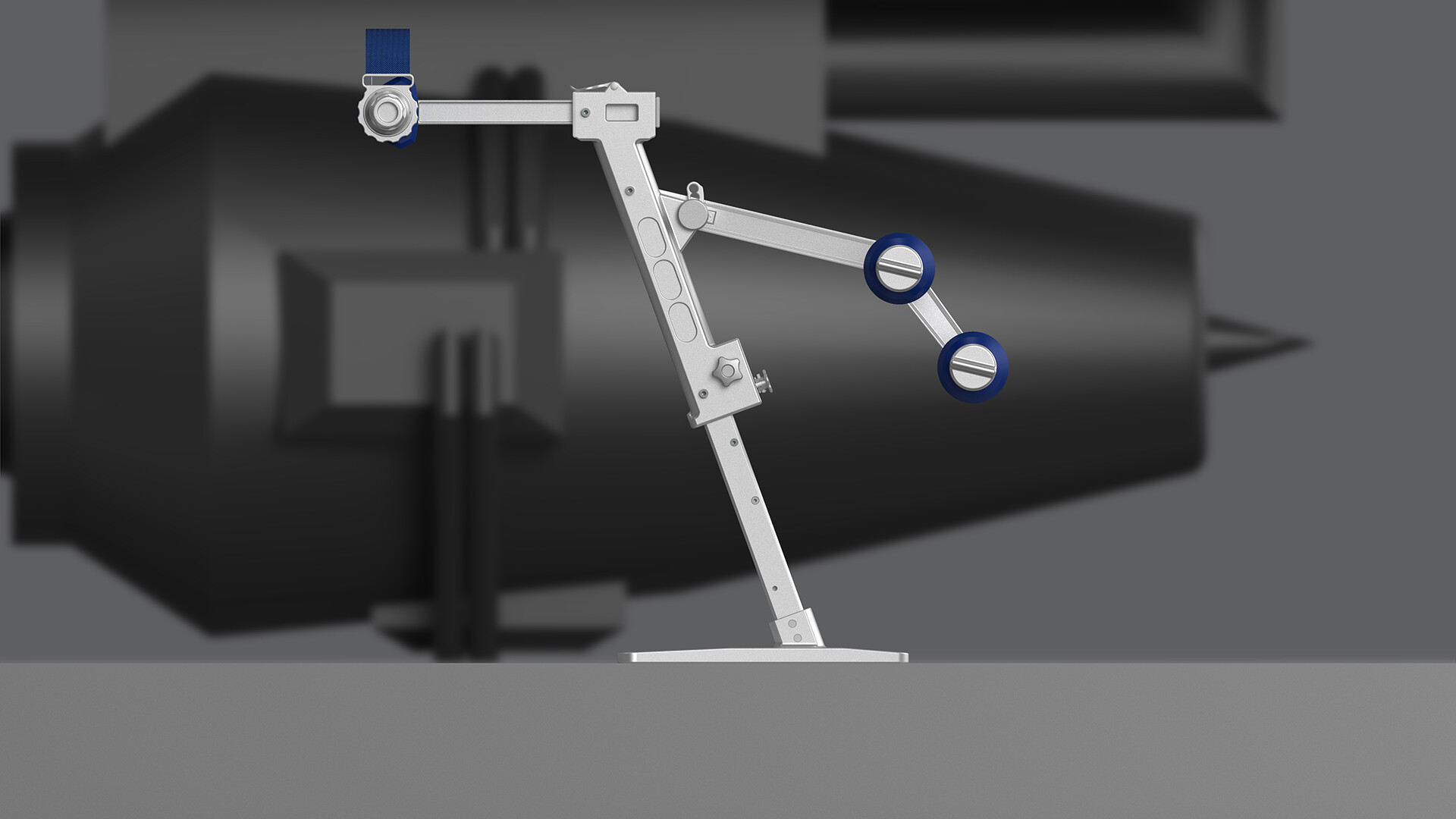
When the device is not in use, it can be folded and stored quickly.
The compact folded structure minimizes its occupation of the limited interior space of the spacecraft while keeping the device readily available when required.
Flexible Adjustment
The device allows the angle, height, and width of the leg-supporting structure to be adjusted according to different astronauts and operating requirements.
Its directional structure can also be extended or retracted, providing greater flexibility for different working positions, body dimensions, and space station tasks.
💡 Solution
1. Complete Quality Traceability
All products were designed and manufactured in strict accordance with the relevant space station product design and construction standards.
Each individual product was supported by a complete technical data package, ensuring full quality traceability throughout design, manufacturing, inspection, testing, delivery, and subsequent application.
This systematic documentation made it possible to verify every important component, process, material, and quality-control record.
2. Repeated Structural Optimization and Controlled Production
The structural design was repeatedly reviewed, adjusted, and optimized to achieve the best possible balance between functionality and aerospace engineering requirements.
While guaranteeing the required functions, the project aimed to maximize structural strength, usability, durability, and operational safety.
At the same time, product weight was minimized and occupied space was reduced as much as possible.
The products were also designed with suitable expansion capabilities, allowing them to work together with other devices and supporting equipment inside the space station.
The complete production process was strictly controlled to ensure that all components could be successfully delivered in accordance with the acceptance standards for individual products used in crewed spacecraft.

Like What You See?
 Let's Talk About Your Project