
Look around the room you are in right now. Notice the smartphone in your hand—its curved edges, the satisfying weight of it. Look at the chair you are sitting on—the angle of the backrest, the height of the seat. See the coffee mug on your desk—the way the handle fits your fingers, the texture of the ceramic.
None of these objects happened by accident. They were imagined, sketched, debated, modeled, and refined by someone. They were designed.
This is the essence of industrial design. It is the professional practice of creating products that are used by millions of people every day. But it is more than just "making things look pretty." It is a strategic problem-solving process that drives innovation, bridges human needs with technology, and shapes the physical world we inhabit.
In this comprehensive guide, we will explore what industrial design really means, its core principles, its rich history, the step-by-step process designers follow, and why it matters more than ever in today's competitive marketplace.
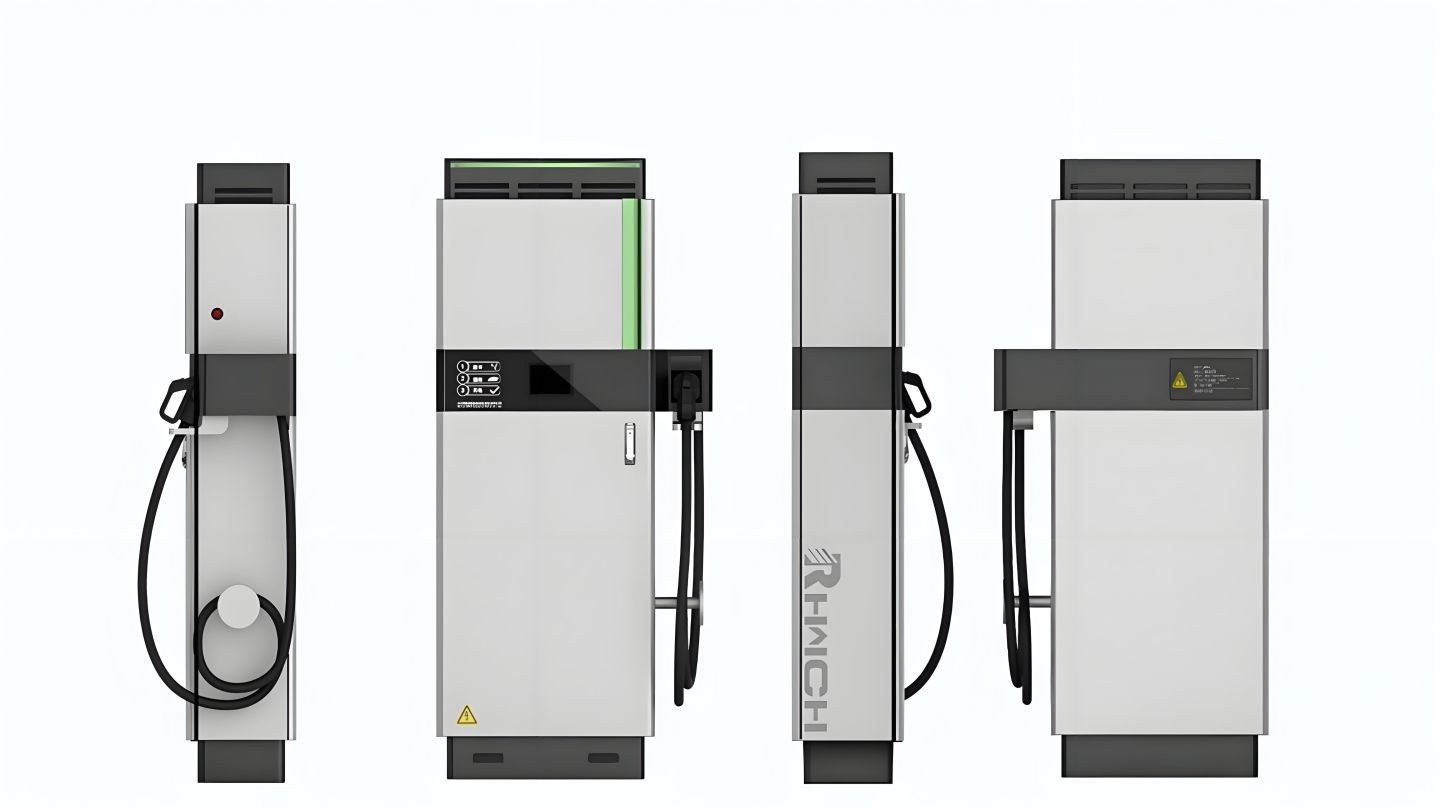
To truly understand what industrial design is, we must look beyond the surface. It is a discipline often misunderstood as simply "product styling," but its scope is far broader and more strategic.
The most authoritative definition comes from the World Design Organization (WDO) , formerly known as ICSID. According to the WDO:
"Industrial design is a strategic problem-solving process that drives innovation, builds business success, and leads to a better quality of life through innovative products, systems, services, and experiences."
This definition is crucial because it frames industrial design not as an artistic afterthought, but as a core business function. It is about solving problems—whether that problem is "how do we make a medical syringe less painful to use?" or "how do we create a chair that takes up less space in a small apartment?"
At its heart, industrial design acts as a translator. Engineers speak the language of mechanisms, circuits, and tolerances. Users speak the language of emotion, comfort, and habit.
The industrial designer stands in the middle. They take cold, technical components and wrap them in a form that is intuitive, desirable, and accessible. For example, a smart thermostat contains complex circuitry and software. But an industrial designer decides that it should look like a sleek, circular device with a simple dial, making the complex technology feel friendly and approachable. This human-centered approach is what separates a product you tolerate from a product you love.
Successful industrial design rests on four fundamental pillars. A product might excel in one area, but truly great design balances all four. The following table breaks down these core components:
| Pillar | Description | Real-World Example |
| Form (Aesthetics) | The visual and sensory appeal of the product. This includes shape, color, texture, material, and overall style. It is the emotional hook. | The deep, curvaceous groove of a Coca-Cola bottle, recognizable even in the dark. |
| Function (Usability) | How well the product performs its intended task and how intuitive it is to operate. Does it solve the user's problem efficiently? | The precise, magnetic snap of a MacBook lid closing, or the tactile click of a high-end retractable pen. |
| Ergonomics (Comfort) | The science of fitting the product to the human body and mind. It considers human dimensions, strength, and cognitive abilities to ensure comfort and prevent strain. | The soft, textured grip on a professional power drill that absorbs vibration, or the lumbar support curve in an ergonomic office chair. |
| Sustainability (Lifecycle) | The product's environmental impact from cradle to grave. This involves material selection, energy efficiency during use, and end-of-life disposal or recyclability. | A modular smartphone designed to be easily repaired, or a chair molded from recycled ocean plastics. |
When these four pillars are in harmony, the result is a product that looks good, works well, feels right, and respects the planet.
The term "industrial design" is relatively modern, but the practice has evolved dramatically over the last 200 years.
Before the 1800s, objects were crafted by hand—one at a time. The Industrial Revolution changed everything. With the advent of machines and mass production, factories could suddenly produce thousands of identical items. However, these early mass-produced goods were often utilitarian and ugly. The first industrial designers emerged to bring a sense of artistry and order to the factory floor, ensuring that mass-produced items were not only functional but also appealing.
In the early 20th century, a German school called the Bauhaus revolutionized design philosophy. The mantra "Form Follows Function" became the industry standard. This meant that the shape of an object should be primarily based upon its intended function or purpose. Ornate decorations were stripped away in favor of clean lines and honesty of materials. This movement laid the groundwork for the minimalist, modern aesthetic we see in so many products today.
After World War II, America experienced an economic boom. A new middle class had money to spend, and competition for their dollars intensified. This era saw the rise of "styling" and planned obsolescence. Car designers in the 1950s, for example, would change tailfin shapes and chrome accents every year—not to improve function, but to make last year's model feel outdated, driving consumers to buy new. This period cemented the link between design and consumer desire.
Today, industrial design has expanded beyond the physical. Many modern products are "smart," containing software and screens. This has forced industrial designers to work hand-in-hand with User Experience (UX) and User Interface (UI) designers. The physical buttons of a 2005 alarm clock are now a smooth touchscreen on a smart speaker. The industrial designer must now consider not just the plastic enclosure, but how the user will interact with the digital layer inside it.
How does an idea in someone's head become a physical product on a store shelf? The journey follows a structured, iterative process.
No design happens in a vacuum. The first phase involves deep research. Designers conduct user interviews to understand pain points, analyze the competitive market landscape, and study the latest technological trends. They ask: Who is the user? What problem needs solving? What do competitors do poorly that we can do better?
Armed with research, the creative explosion begins. Designers fill notebooks and whiteboards with hundreds of rough sketches. This is "blue sky" thinking—no idea is too wild. The goal is quantity and variety, exploring as many potential forms and solutions as possible before narrowing down the best concepts.
The best sketches are then translated into the digital realm using Computer-Aided Design (CAD) software like SolidWorks, Rhino, or Fusion 360. Here, the design becomes precise. Designers define exact curves, wall thicknesses, and tolerances. This digital model allows for photorealistic renderings and virtual testing.
A digital model is just a picture on a screen. To truly understand a product, you must hold it. Using 3D printing and rapid prototyping techniques, designers create physical models. These prototypes are tested with real users to check ergonomics—does the handle feel right after ten minutes? Are the buttons easy to reach? This phase often reveals flaws that were invisible on screen.
This is the bridge between design and reality. A beautiful design is useless if it costs $500 to manufacture. In the DFM phase, designers work closely with engineers and manufacturers to tweak the design for mass production. They might adjust a curve to make the injection molding process easier, or change a material to reduce cost without sacrificing quality.
Industrial design touches nearly every aspect of modern life. Some key sectors include:
Consumer Electronics: Smartphones, laptops, headphones, smartwatches.
Furniture & Lighting: Chairs, tables, lamps, office systems.
Medical Devices: MRI machines, surgical instruments, wearable health monitors.
Transportation: Automobiles, bicycles, trains, aircraft interiors.
Housewares: Kitchen appliances, tools, cookware, storage solutions.
Many business owners view design as a cost to be minimized. In reality, great industrial design is one of the highest-return investments a company can make.
In a physical or digital store, consumers are flooded with choices. A well-designed product stands out. It captures attention immediately, communicating quality and desirability before the user even touches it. Good design is often the deciding factor between two functionally identical products.
Think of Dyson. You can recognize a Dyson vacuum or fan from across a room, even with the logo covered. This is "brand language"—a consistent design vocabulary (materials, colors, shapes) that makes every product unmistakably part of the same family. Industrial design translates a brand's values—innovation, quality, simplicity—into tangible objects.
A product that is a joy to use creates an emotional bond with the user. When a tool feels perfect in your hand, or an app is effortlessly intuitive, you don't just use that brand; you trust that brand. This positive experience fosters loyalty and turns customers into advocates.
The field is evolving rapidly. Three major trends are shaping the next generation of products:
AI-Assisted Design (Generative Design): Designers are now using artificial intelligence to generate thousands of design variations based on specific goals (e.g., "lightest weight" or "maximum strength"). The AI proposes forms that look organic and alien, which human designers then refine.
Sustainable and Circular Design: The era of "take-make-dispose" is ending. The future is circular: products designed to be easily repaired, upgraded, or broken down and recycled. Material innovation, such as biodegradable plastics and low-carbon concrete, is accelerating.
Inclusive Design: Great design works for everyone, regardless of age or ability. Inclusive design considers the full spectrum of human diversity, creating products that are accessible to people with disabilities, the elderly, and children, without requiring specialized "assistive" versions.
Industrial design is the invisible hand that shapes our physical world. It is the art and science of creating objects that are functional, beautiful, and meaningful. From the smartphone in your pocket to the chair you sit on, everything man-made has been touched by a designer.
It is the intersection where art meets science, and where business meets humanity. As we move into a future defined by smart technology and environmental challenges, the role of the industrial designer—as a problem-solver, innovator, and human advocate—will only become more critical.


We use cookies to ensure that we give you the best experience on our website. By clicking "Accept All", you consent to our use of cookies. Learn more.
Please fill out the form and we'll get back to you shortly.

Your submission has been received !
Thank you for your submission.
We will get back to you within 24 hours and appreciate your patience.
Enter your details to receive the toolkit for free.