
Bringing a new product to market is one of the most complex challenges a startup can face. From early concept validation to engineering feasibility and large-scale production, each stage requires cross-disciplinary expertise, structured processes, and manufacturing insight. This is where startup product development services become critical.
For founders entering competitive markets in the United States, Canada, Europe, the Middle East, Australia, Singapore, and Japan, the key question is not only whether an idea is innovative, but whether it can be successfully designed, engineered, manufactured, and scaled.
As a user-centered international innovation design group founded in 2004, LKK provides end-to-end startup product development services that transform ideas into market-ready products through structured methodology, engineering precision, and integrated manufacturing support.
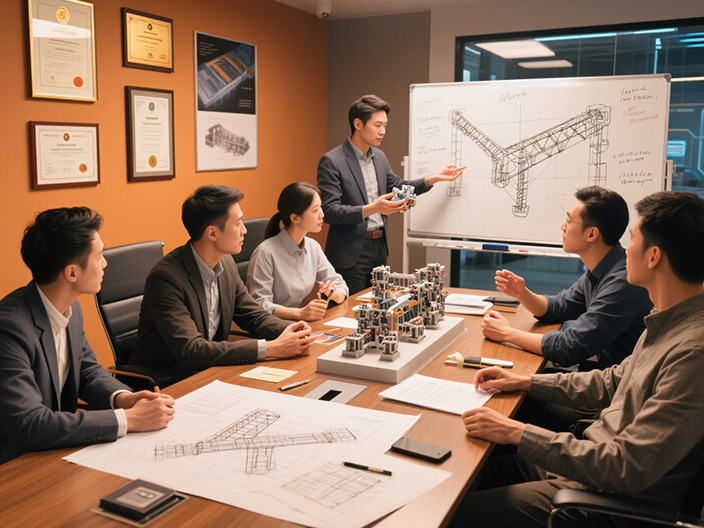
Startup product development services refer to a structured, end-to-end solution that supports early-stage companies from idea conception through industrial design, engineering development, prototyping, validation, manufacturing engineering, and mass production.
Unlike fragmented service models that separate design from production, comprehensive startup product development services integrate:
User research and insight analysis
Industrial design and CMF strategy
Mechanical engineering and structural validation
Electrical and embedded system development
Prototype testing and iteration
Design for Manufacturing (DFM) evaluation
Supply chain integration
Contract manufacturing
This integrated approach ensures that design creativity aligns with manufacturing feasibility and commercial viability.
Startups often face constraints such as:
Limited in-house engineering resources
Pressure to accelerate time-to-market
Uncertainty around production scalability
Cost control challenges
Complex supplier coordination
Without structured development management, even strong product concepts can fail due to manufacturing risks, structural weaknesses, or supply chain breakdowns.
Professional startup product development services mitigate these risks through milestone-driven processes and cross-functional collaboration.
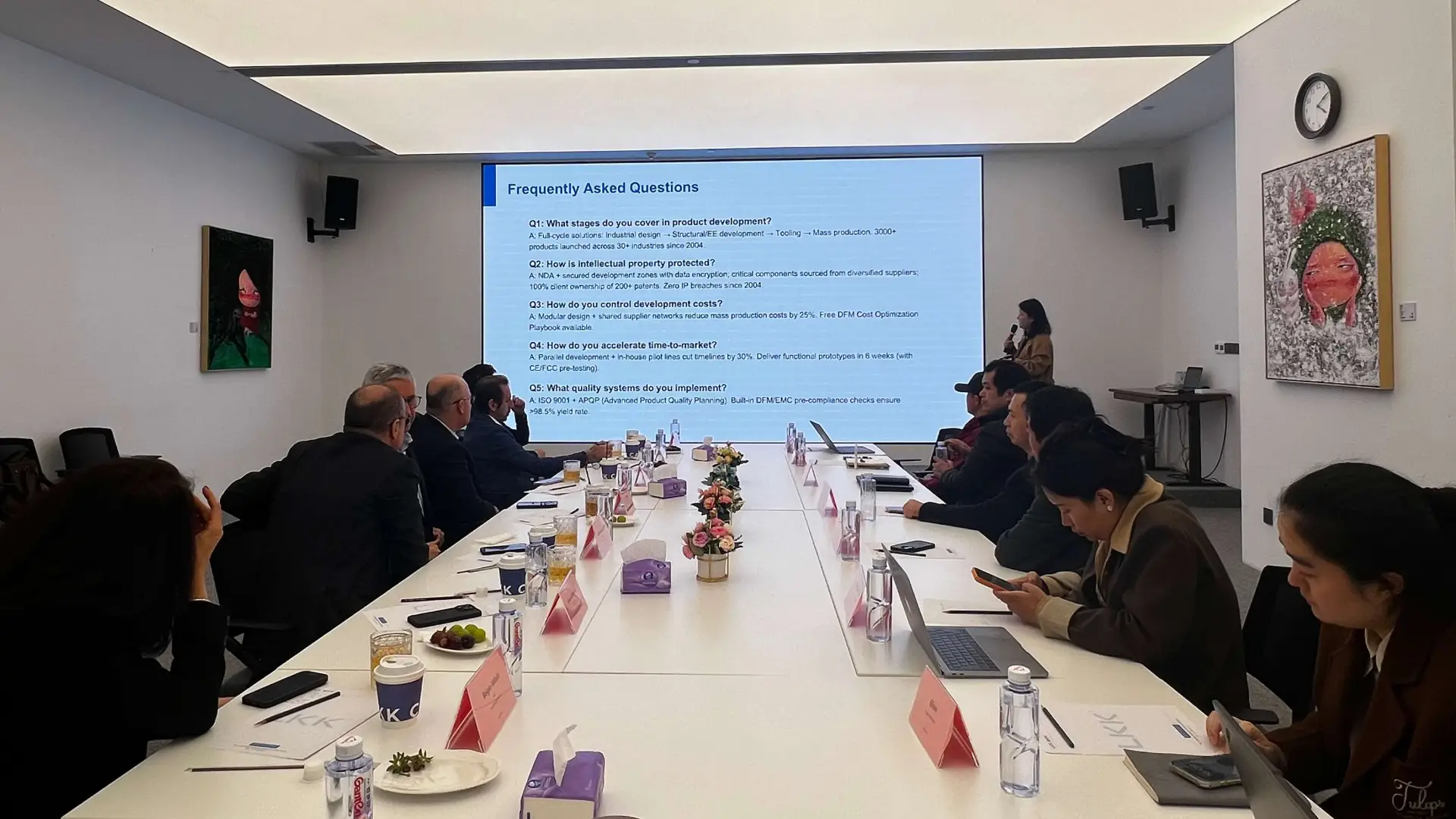
A successful product journey follows a disciplined development roadmap. Below is a structured framework used by LKK to ensure predictable, scalable outcomes.
Product success begins with user understanding.
Key activities include:
User behavior analysis
Competitive benchmarking
Pain-point identification
Opportunity mapping
This phase ensures the product concept is not driven by assumptions but grounded in validated user needs and market differentiation.
Industrial design is the bridge between user expectation and product identity.
Activities include:
Development of 3–5 conceptual directions
Sketch visualization and mood boards
3D modeling and high-resolution rendering
CMF strategy (Color, Material, Finish)
LKK emphasizes balancing aesthetics, usability, and manufacturability. Design decisions at this stage directly influence tooling complexity, cost structure, and brand perception.
Engineering transforms visual concepts into functional reality.
Core deliverables:
Mechanical system architecture diagrams
Detailed 3D engineering drawings with GD&T
Structural simulation and reliability validation
Tolerance analysis
This phase ensures durability, environmental adaptability, and compliance with performance standards.
For smart hardware products, integrated electronics are essential.
Startup product development services typically include:
Hardware architecture planning
PCB schematic and layout design
Prototype PCBA fabrication
Firmware customization
Embedded system integration
Cross-platform application development
Coordinating hardware, firmware, and software early reduces costly redesign later in production.
Prototyping validates assumptions.
This stage involves:
Functional testing
Performance validation
Signal integrity analysis
Engineering change notifications (ECN)
Iterative refinement
Rapid iteration improves reliability before large capital investment in tooling.
DFM is critical for startups.
It evaluates:
Draft angles and wall thickness
Mold complexity and slider requirements
Tolerance compatibility
Risk prioritization matrix
Below is a simplified comparison:
| Without DFM | With Structured DFM |
| Late-stage design changes | Early risk identification |
| Tooling rework | Optimized mold strategy |
| Production delays | Predictable timeline |
| High defect rates | Quality consistency |
LKK provides feasibility engineering, production line simulation, ergonomic workstation optimization, and lean manufacturing roadmap development.
Transitioning from prototype to scale requires supply chain coordination.
Core services include:
Supplier capability evaluation
Approved vendor list (AVL) development
Tooling validation
Pilot run execution
Standard operating procedure (SOP) delivery
Quality system implementation
Contract manufacturing services further ensure seamless execution from tooling to batch production across multiple manufacturing processes, including injection molding, die casting, CNC machining, sheet metal fabrication, SMT assembly, surface treatment, and full product integration testing.
Startup product development is inherently complex because it requires transforming an early-stage idea into a manufacturable and market-ready product within limited financial and time constraints. Founders often begin with strong innovation concepts, but translating vision into engineering reality introduces technical and operational uncertainty. The gap between concept appeal and functional feasibility can quickly become a major obstacle.
One significant challenge lies in engineering validation. A design that appears refined in 3D renderings may encounter structural instability, integration conflicts, or material performance limitations during prototyping. Without early feasibility evaluation, these issues often surface late in development, leading to costly redesign cycles.
Scalability is another critical difficulty. A prototype built in small quantities does not automatically guarantee stable mass production. Tooling precision, tolerance consistency, assembly efficiency, and supplier capability all influence large-scale performance. In addition, cross-disciplinary coordination between industrial design, mechanical engineering, and electronics development requires structured management. Without organized startup product development services, startups risk delays, budget overruns, and quality instability that can compromise competitive positioning.
Professional startup product development services reduce uncertainty by introducing structure and measurable validation into every stage of development. Rather than allowing design and engineering to progress independently, integrated services align research, industrial design, mechanical systems, and electronics architecture within a unified development roadmap.
Early Design for Manufacturing evaluation plays a decisive role in minimizing downstream risk. By analyzing draft angles, wall thickness, tolerance compatibility, and mold complexity before tooling investment, potential production issues are identified and corrected in advance. This proactive approach prevents expensive late-stage modifications.
Engineering validation further strengthens reliability. Simulation, functional prototyping, and performance testing confirm structural integrity, thermal stability, and electronic compatibility prior to scaling. Supply chain risk is also addressed through supplier qualification, dual-source strategies, and pilot production runs that verify assembly flow and quality control processes. Through disciplined milestone governance and integrated contract manufacturing coordination, startup product development services transform unpredictable innovation into a controlled, scalable process.
Choosing the right startup product development services partner requires evaluating technical integration rather than design aesthetics alone. An effective partner should offer end-to-end capability, covering industrial design, mechanical engineering, electronics development, and manufacturing engineering within a coordinated workflow. This integration minimizes communication gaps and reduces cross-functional conflict.
User-centered methodology is equally important. A reliable partner conducts research-driven analysis to ensure that product decisions align with real market needs. This approach strengthens product-market fit and improves long-term commercial viability.
Manufacturing maturity is another decisive factor. The partner should demonstrate expertise in tolerance analysis, tooling feasibility assessment, process optimization, and quality system implementation. Transparent milestone management and structured documentation provide clarity and accountability throughout development. For startups targeting international markets, global collaboration capability and supply chain coordination experience further enhance scalability. By selecting a partner with integrated expertise and manufacturing foresight, startups significantly increase their probability of delivering stable, competitive, and production-ready products.
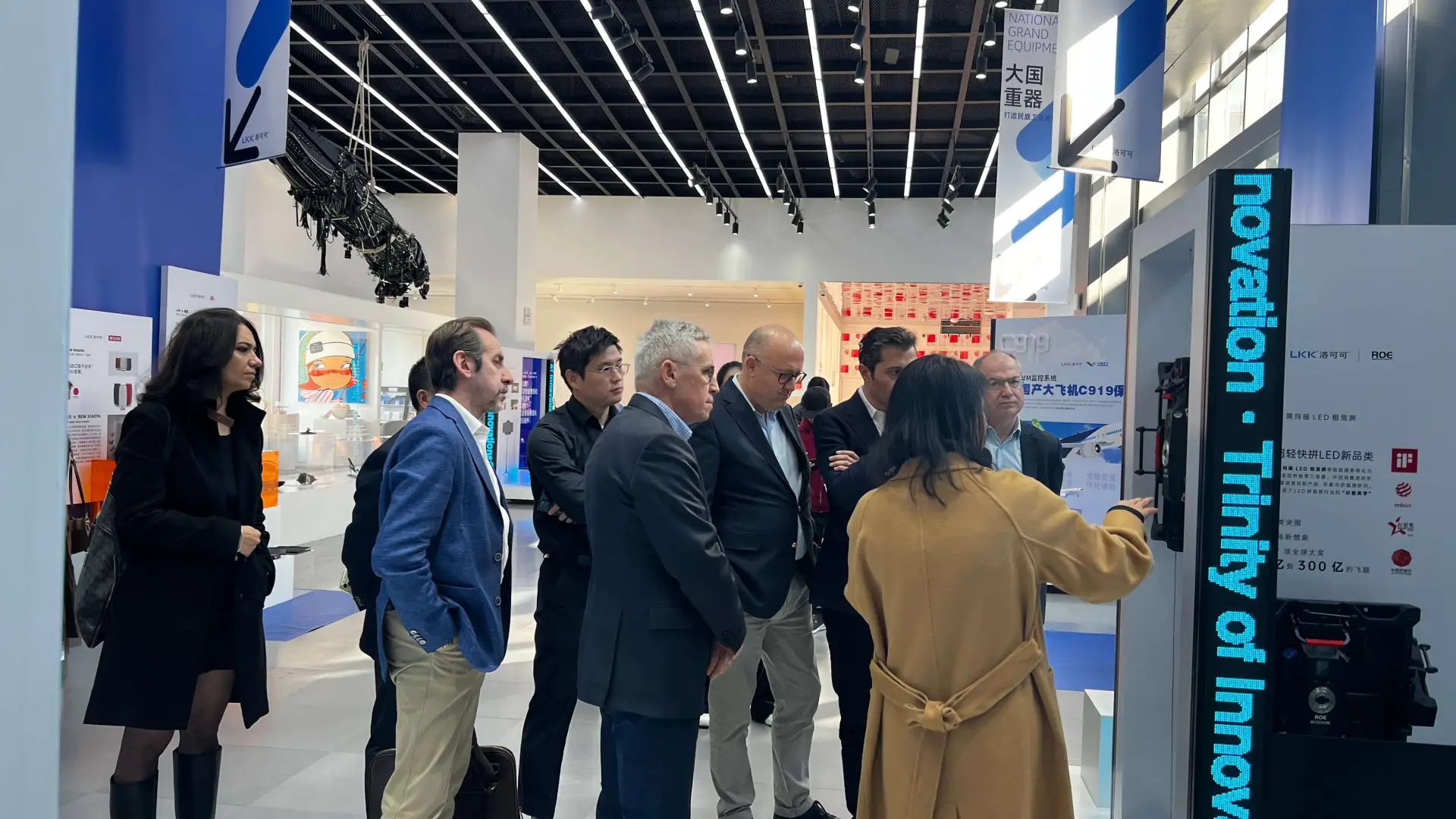
Founded in 2004, LKK places user experience at the center of every design decision. Innovation is guided by simplicity, functionality, and sustainability.
Unlike isolated design studios, LKK provides synchronized industrial design, mechanical engineering, and electrical development.
From feasibility analysis to lean production blueprint delivery, LKK ensures production readiness.
End-to-end contract manufacturing integrates prototyping, tooling, surface finishing, assembly, and testing within a coordinated supply chain ecosystem.
Serving markets including the United States, Europe, the Middle East, Australia, Singapore, and Japan, LKK operates with internationally aligned quality standards and communication workflows.
How long does startup product development take?
Depending on complexity, full-cycle development may range from several months to over a year, including validation and production ramp-up.
When should manufacturing engineers be involved?
Ideally from the concept stage to avoid costly redesign.
What is the difference between prototyping and pilot production?
Prototyping validates function; pilot production validates process stability and production flow.
Can one partner manage both design and manufacturing?
Yes, integrated service providers reduce risk through synchronized execution.
Launching a successful product requires more than creative thinking. It demands structured execution, engineering precision, and manufacturing foresight.
Professional startup product development services bridge the gap between innovation and commercialization. By integrating research, industrial design, mechanical and electrical engineering, DFM validation, and scalable manufacturing, startups can significantly reduce risk while accelerating time to market.
For founders seeking a strategic partner capable of delivering from concept to mass production, LKK provides a proven, user-centered, end-to-end development ecosystem designed to transform ideas into competitive market products.


We use cookies to ensure that we give you the best experience on our website. By clicking "Accept All", you consent to our use of cookies. Learn more.
Please fill out the form and we'll get back to you shortly.

Your submission has been received !
Thank you for your submission.
We will get back to you within 24 hours and appreciate your patience.
Enter your details to receive the toolkit for free.