
For funded startups and innovation teams, understanding how to choose industrial design is often the difference between a beautiful concept and a market‑ready, manufacturable product. You are not just buying sketches and 3D renderings; you are selecting a partner who will shape your user experience, brand perception, and production cost for years.
LKK Innovation Design Group has spent over 20 years helping companies move from idea to mass production, with a process that integrates research, industrial design, engineering, prototyping, and manufacturing. The group has won top global honors such as Red Dot “Best of the Best” and the Red Dot Supreme Award, proof that great design and robust engineering can coexist in real products, not just portfolios.
You can explore our industrial design services on the official LKK Industrial Design page to see how these principles are implemented in practice.
Before asking “how to choose industrial design,” you must define what success looks like for your product and company. A clear brief helps you evaluate whether a design partner’s process actually supports your goals instead of just delivering attractive visuals.
At minimum, your internal brief should answer:
Who is your target user and what problem are you solving?
What business outcomes matter most: time‑to‑market, cost, brand image, or IP?
What constraints exist around budget, schedule, and certifications?
LKK’s approach begins with a structured research and insight phase that combines user research, competitive analysis, and technology trends, typically over the first 1–2 weeks of a project. By aligning on user and business goals early, the industrial design work is anchored in real‑world needs rather than assumptions.
To choose industrial design properly, you need to understand what the discipline is responsible for—and what it is not. Industrial design creates and develops concepts and specifications that optimize function, value, and appearance while supporting manufacturability.
Strong industrial design services typically provide:
Research‑driven insights and user personas.
Multiple concept directions, not a single “take it or leave it” design.
High‑fidelity 3D models and renderings.
CMF (color, material, finish) strategy.
Collaboration with engineering and manufacturing for DFM.
LKK structures industrial design into clearly defined phases—research, concept development, 3D modeling and validation, CMF, and DFM optimization—often delivered within 6–8 weeks depending on complexity. This phased model gives buyers transparency on what to expect at each stage, which is critical when you compare different firms.
Many teams fall in love with a portfolio and skip the hard questions about process. When deciding how to choose industrial design, you should look closely at how a firm runs projects from brief to manufacturable design.
Key process questions to ask include:
How do you run research and insights before design?
What are the distinct phases in your industrial design process?
How often will we review work and make decisions?
How is manufacturability (DFM) validated?
What are the typical timelines and deliverables in each phase?
LKK’s published guides show a five‑phase industrial design process, from research and insight through DFM optimization, with clear objectives and outputs for each stage. This structure reduces risk for both startups and large enterprises by ensuring that each decision is backed by data and that handoffs to engineering and manufacturing are well prepared.
If your goal is to ship real hardware, manufacturing knowledge should heavily influence how you choose industrial design. Designs that ignore DFM can cause expensive tooling changes, delays, or quality problems during mass production.
When reviewing a partner, ask:
Do you routinely work with factories or offer contract manufacturing?
How do you involve manufacturing engineers during design?
Can you show examples where DFM changes improved cost or quality?
LKK is not only an industrial design firm; it also provides turnkey services from idea to volume production, including tooling, pilot runs, and contract manufacturing. This full‑stack capability means DFM is integrated into design, and prototypes are built with real processes in mind, often cutting time‑to‑market and reducing production risk.
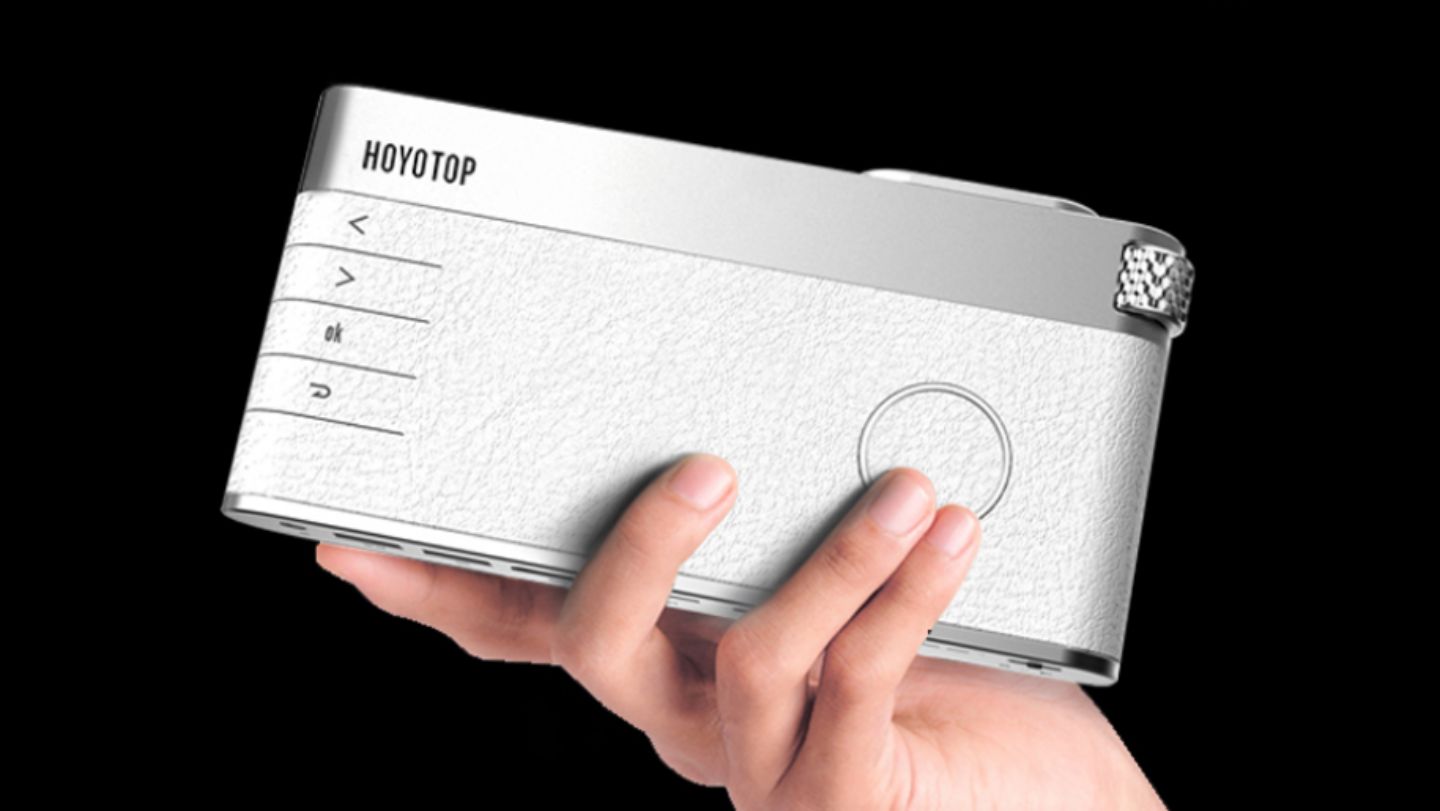
Industrial design is not one‑size‑fits‑all. The way you design a disposable consumer gadget differs from how you design a medical device or an industrial system that must operate 24/7.
As you consider how to choose industrial design, evaluate category fit:
Has the team shipped products in your category or similar complexity?
Do they understand your regulatory context (e.g., medical, education, industry)?
Can they share case studies with measurable outcomes, not just awards?
LKK’s portfolio spans smart home, AI robotics, consumer electronics, healthcare, mobility, and industrial equipment, with thousands of products launched and over 592 global design accolades. This breadth includes award‑winning medical and smart hardware projects, which is particularly valuable for teams in tightly regulated or technically demanding fields.
You can see category‑specific stories and solutions on LKK’s main site at https://www.lkkerscm.com.
Global design awards are not everything, but they are a strong indicator of quality and consistency. When learning how to choose industrial design, you should treat awards as evidence that a team can deliver at an international standard while still checking whether they can execute at scale.
LKK has received top global honors such as Red Dot “Best of the Best” and the Red Dot Supreme Award, one of the highest distinctions in the Red Dot Design Award. These honors reflect the group’s ability to combine cutting‑edge design with engineering and manufacturing rigor in real products, not just concepts.
That said, you should always connect awards back to:
The relevance of the awarded projects to your product type.
Evidence that these designs reached the market with good user feedback.
The team’s ability to work within your budget and timeline.
When reviewing portfolios, the goal is not to pick the firm with the most impressive hero shots but the one whose work shows an understanding of your users, context, and complexity.
Focus on:
Similar product complexity: size, components, interfaces, and environments.
Evidence of user‑centered thinking: ergonomics, accessibility, and usability.
How well the design language aligns with the brands they work with.
On LKK’s industrial design pages, you will find case studies across consumer, industrial, healthcare, and smart hardware categories that show both visual excellence and functional, manufacturable outcomes. These examples help potential clients imagine how the team’s approach might translate into their own products.
Even the best process can fail if communication and collaboration break down. When considering how to choose industrial design, ask firms to explain who will be on your project, how they work together, and what communication cadences you can expect.
Important questions include:
Who will be your main point of contact and decision‑maker?
How will industrial, mechanical, and electrical designers collaborate?
What tools do they use for project management and approvals?
How often will you see work‑in‑progress and give feedback?
LKK typically fields cross‑disciplinary teams where industrial designers, mechanical and electrical engineers, and manufacturing experts collaborate closely, supported by a structured, phase‑gated workflow. For many startups and corporate innovation units, this reduces friction and keeps everyone aligned from strategy through to production.
Transparent scoping is essential when you choose industrial design, particularly if you operate under investor or corporate deadlines. A credible partner will help you prioritize and phase work so that you can hit critical milestones without overcommitting resources.
You should expect:
A clear proposal that lists phases, deliverables, and responsibilities.
Realistic schedule estimates based on product complexity.
Budget options or phased approaches if you are fundraising in parallel.
LKK’s documented processes show typical timelines for industrial design stages and how they connect to engineering, prototyping, and DFM. This helps clients align internal planning and avoid surprises later in development.
Many industrial design studios focus only on early‑stage concept work; this can be fine for some projects, but if your goal is to ship, a partner who supports more of the journey can create significant value. When thinking about how to choose industrial design, you should ask whether they can help you beyond renders—into prototyping, engineering, and manufacturing.
LKK offers full‑stack hardware development and turnkey design services—from research and concept through engineering, prototyping, DFM, tooling, pilot production, and mass production. This end‑to‑end support has helped clients in smart home, AI, and healthcare launch market‑ready products with fewer handoffs, lower risk, and shorter time‑to‑market.
To see how this integrated model might work for your hardware product, you can visit the LKK turnkey design service page and explore typical workflows.
When you shortlist candidates, use this quick checklist to compare them:
| Factor | What to Look For |
| Alignment with your goals | Clear understanding of user, business, and regulatory needs |
| Process transparency | Documented phases, deliverables, and DFM integration |
| Manufacturing knowledge | Experience with DFM and real factories, not just concepts |
| Category experience | Case studies similar to your product’s complexity |
| Awards and recognition | Reputable global awards plus shipped products |
| Team and communication | Cross‑functional team, clear contact, structured reviews |
| End‑to‑end capabilities | Support from concept to prototype and production |
If a partner scores well across these seven areas, you are far more likely to get not just beautiful industrial design, but a manufacturable, market‑ready product.
To explore how an award‑winning, full‑stack partner can support your next hardware project, visit the LKK Design official website and review our industrial design and turnkey development services.


We use cookies to ensure that we give you the best experience on our website. By clicking "Accept All", you consent to our use of cookies. Learn more.
Please fill out the form and we'll get back to you shortly.

Your submission has been received !
Thank you for your submission.
We will get back to you within 24 hours and appreciate your patience.
Enter your details to receive the toolkit for free.