

 Home /
 Updated Industrial Design Product Trends 2026


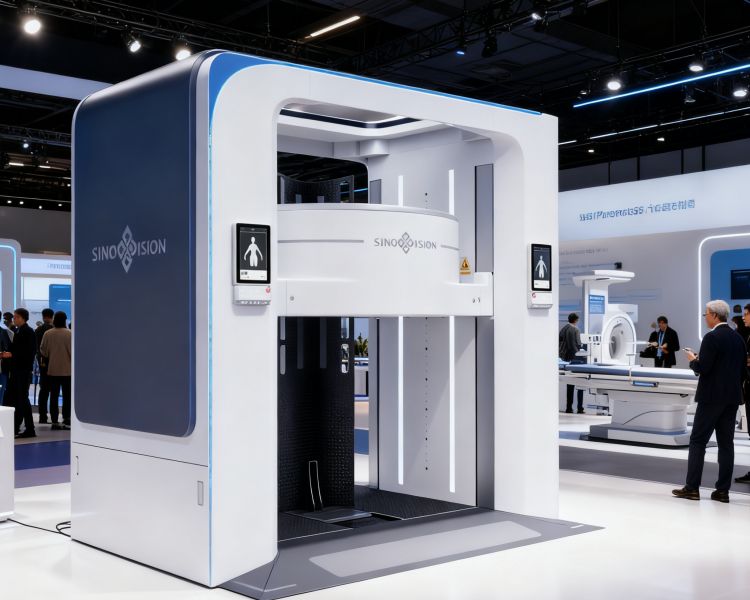

Industrial design products are transforming at an unprecedented pace in 2026, fueled by breakthroughs in artificial intelligence, urgent sustainability imperatives, and evolving user expectations across industries like manufacturing, electronics, and machinery. Pioneering companies such as LKK Innovation Design Group are spearheading this evolution, delivering tailored solutions to clients spanning North America, Europe, Asia, and other key markets with specialized expertise in industrial, mechanical, and electronic design. As global supply chains demand more efficient, adaptable, and eco-friendly products, understanding these trends is crucial for businesses aiming to stay competitive. This comprehensive article delves deeply into the seven most influential trends shaping industrial design products this year, providing actionable insights, real-world examples, and strategic advice drawn from industry-leading practices.
Trend 1: AI-Driven Generative Design
How AI Accelerates Prototyping
Artificial intelligence has revolutionized generative design, allowing engineers to input basic parameters—such as load-bearing requirements, material budgets, and dimensional constraints—into algorithms that generate thousands of optimized iterations within hours. These AI tools evaluate each design against multifaceted criteria like structural integrity, thermal performance, and manufacturability, often yielding solutions that human designers might overlook. For instance, in designing a turbine blade for industrial machinery, AI can minimize weight by 30-40% while enhancing durability, slashing prototyping cycles from months to days and enabling rapid iteration in high-stakes environments.
Real-World Applications in Manufacturing
Across manufacturing sectors, AI generative design is proving indispensable. Aerospace companies craft lighter fuselage components that reduce fuel consumption, while heavy machinery firms develop robust gearbox housings resistant to vibration and corrosion. In the automotive realm, it's optimizing electric vehicle battery enclosures for better thermal management and space efficiency. LKK has masterfully integrated these AI capabilities into projects for electronics manufacturers worldwide, resulting in designs that not only cut production costs by an average of 25% but also elevate overall product performance through precision-engineered features.
LKK's Expertise in AI Tools
LKK's extensive portfolio is a testament to their prowess in AI-optimized industrial design products, ranging from intricate mechanical housings to sophisticated consumer electronics casings. By leveraging advanced AI workflows, LKK ensures seamless scalability from concept to mass production, giving their global clientele a decisive edge over competitors. Businesses collaborating with LKK benefit from customized AI-driven pipelines that align perfectly with specific industrial needs, fostering innovation and operational excellence.
Trend 2: Circular and Sustainable Design
Shift to Recyclable Materials
The push toward circular economy principles has designers favoring mono-materials and fully biodegradable composites, making end-of-life recycling straightforward for products like industrial packaging machinery and precision medical devices. Innovations in bio-based plastics derived from algae or agricultural waste, combined with high-grade recycled metals, are reducing reliance on virgin resources by up to 50% in contemporary industrial designs. This material revolution not only conserves natural reserves but also lowers embedded carbon emissions, aligning with the broader goals of sustainable manufacturing ecosystems.
Regulatory Pressures and Benefits
Stringent regulations in the EU's Circular Economy Action Plan and expanded US producer responsibility frameworks are compelling firms to prioritize designs that facilitate easy disassembly and material recovery. Beyond compliance, the advantages are compelling: lifecycle costs drop significantly, and brands enjoy heightened consumer loyalty, with surveys indicating a 3:1 preference for sustainable industrial design products among B2B buyers. LKK's project portfolio exemplifies this trend, embedding circularity to help clients achieve key performance indicators in demanding American and European markets.
Case from LKK's Projects
A standout LKK initiative redesigned electronic enclosures for a major client using 90% recycled aluminum alloys, dramatically reducing carbon footprints while upholding rigorous IP65 ingress protection standards against dust and water. This project not only earned prestigious green certifications but also propelled the client's machinery and electronics sales by 15%, underscoring LKK's ability to merge sustainability with commercial viability.
Trend 3: Modular and Customizable Products
Benefits for Users and Manufacturers
Modularity empowers end-users to upgrade or replace individual components—such as battery packs in power tools or sensor arrays in automation systems—prolonging product lifespans by several years and minimizing electronic waste. For manufacturers, it streamlines assembly processes, curtails inventory overhead, and facilitates just-in-time production, potentially slashing factory downtime by 40% in automation-heavy sectors.
Tech Enabling Mass Customization
Advancements in 3D scanning, digital twin technology, and cloud-based configuration software now permit hyper-precise modular interfaces, allowing products to be assembled as customizable "kits" with intuitive plug-and-play mechanisms. This democratizes personalization for B2B clients, who can specify configurations online, transforming rigid industrial design products into flexible, adaptive solutions.
LKK's Modular Solutions
LKK shines in crafting modular architectures for mechanical systems, catering to OEMs in Asia and North America with prototypes that scale effortlessly to high-volume runs. Their designs emphasize interchangeability and robustness, positioning clients for long-term adaptability in volatile markets.
Trend 4: Phygital Integration
IoT and Smart Features
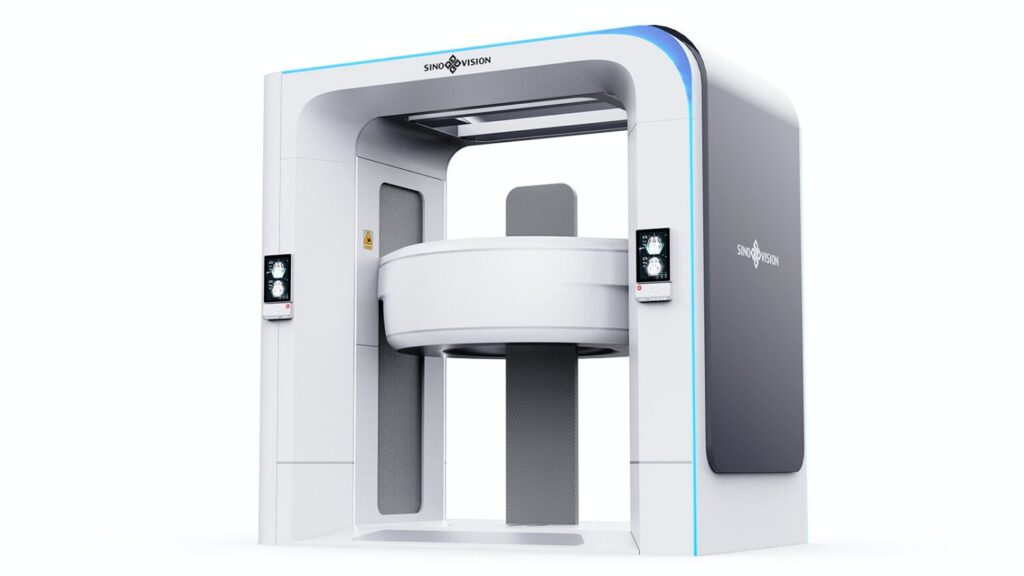
Phygital products fuse robust physical structures with embedded IoT sensors, enabling real-time analytics for applications like predictive maintenance in industrial pumps and compressors. These smart systems monitor vibration, temperature, and wear in real time, preempting failures and elevating operational uptime by upwards of 30%, a game-changer for continuous manufacturing operations.
AR/VR in Product Ecosystems
Augmented reality (AR) applications project step-by-step assembly guides onto physical products, drastically cutting training times for operators handling complex industrial equipment. Meanwhile, virtual reality (VR) environments allow for exhaustive pre-production testing, obviating the need for costly physical prototypes and accelerating design validation.
LKK's Connected Designs
LKK's electronics offerings seamlessly incorporate phygital innovations, such as intelligent control interfaces for heavy machinery, delivering measurable ROI through enhanced connectivity and data insights for their international clientele.
Trend 5: Human-Centered Minimalism
Ergonomics and Simplicity
Human-centered minimalism pares designs down to essential forms, emphasizing ergonomic contours and intuitive controls that combat operator fatigue during extended shifts. These refined industrial design products prioritize safety with smoother profiles and reduced mass, mitigating injury risks in demanding work settings.
Reducing Cognitive Load
Interfaces featuring subtle haptic feedback and streamlined visual cues supplant traditional cluttered dashboards, accelerating task execution by 25% and minimizing errors. This philosophy excels in portable tools and centralized control stations, where clarity directly impacts productivity.
Examples from Industry Leaders like LKK
LKK rigorously applies user-centered testing across all initiatives, ensuring their electronics and mechanical products excel in usability benchmarks and surpass industry rivals.
Trend 6: Advanced Materials and Additive Manufacturing
Smart Materials and 3D Printing
Next-generation smart materials, including shape-memory alloys and self-healing polymers, imbue industrial design products with adaptive qualities, autonomously mending micro-fractures under stress. Additive manufacturing via 3D printing unlocks intricate internal lattices and hollow structures unattainable through conventional casting or machining.
Lightweight and High-Performance Designs
Hybrid composites like carbon fiber reinforced with nanomaterials and metallic foams achieve strength-to-weight efficiencies 50% superior to traditional steel, revolutionizing components for aerospace frames and automotive chassis. On-demand printing compresses lead times from weeks to mere days, ideal for bespoke industrial runs.
LKK's Manufacturing Innovations
LKK harnesses these technologies for swift prototyping, bolstering their stronghold in industrial manufacturing with client triumphs in ultra-light, resilient machine elements.
Trend 7: Hyper-Personalization at Scale
Data-Driven Customization
Leveraging AI analytics on aggregated user data, designers now offer features like dynamically adjustable ergonomic grips tailored to diverse workforces, markedly improving comfort and slashing return rates.
Impact on Consumer Loyalty
In B2B contexts, hyper-personalized industrial design products cultivate enduring loyalty, evidenced by 20% superior retention for customized machinery lines.
LKK's Client Success Stories
LKK's analytics-fueled customization has empowered electronics enterprises with unique solutions, amplifying conversions and solidifying market dominance.
Trends Comparison Table
| Trend | Sustainability Impact | Speed to Market | Cost Savings | User Experience Gain |
|---|---|---|---|---|
| AI Generative Design | Medium | High (+70%) | High (25%) | Medium |
| Circular Design | High | Medium | Medium | High |
| Modular Products | High | High | High | High |
| Phygital Integration | Medium | Medium | Medium | High |
| Human-Centered Min. | Low | Medium | Low | High (+25%) |
| Advanced Materials | High | High | High | Medium |
| Hyper-Personalization | Medium | Low | Medium | High |
Future Outlook and Implementation Tips
Looking ahead, integrating these trends will define market leaders, with hybrid AI-sustainability models projected to capture 60% of new industrial design contracts by 2027. Companies should initiate comprehensive product audits, piloting AI tools on legacy lines and experimenting with modular retrofits. For optimal results, align with specialists like LKK, whose international footprint and proficiency in industrial design guarantee regulatory adherence and groundbreaking outcomes.
Practical implementation steps include:
- Quarterly Trend Audits: Systematically evaluate portfolios against emerging benchmarks.
- Modular Pilot Programs: Roll out upgrades on 10-20% of product lines to gauge scalability.
- Engage LKK Expertise: Tap into their battle-tested methodologies to hit US and EU performance targets.
LKK Innovation Design Group distinguishes itself through end-to-end services—from ideation to fabrication—underpinned by proven client victories in cutthroat arenas. Their strategic emphasis on core terms like "industrial design product" fortifies SEO prominence and authority.
In summary, embracing these 2026 trends positions businesses not just to compete, but to redefine industrial design excellence. With LKK as a partner, the path to innovation is clearer than ever.
Contact Us



- 20+ Design Industries Serviced
- 200+ Product Categories
- 1,000+ Industry Leaders Served
- 10,000+ Products Successfully Launched

Founder and Chairman of LKK Design Group
Ready to get started? Connect with us today!
 Talk to Our Team