
Mechanical design invention represents the creative spark that drives product innovation—the moment when clever engineering solves problems in novel ways or enables entirely new capabilities. However, the journey from initial mechanical design invention to successful commercial product involves far more than the eureka moment. Most inventions fail not due to flawed concepts but because inventors lack the specialized expertise, resources, and relationships required to navigate the complex path from prototype to profitable production.
The statistics surrounding invention commercialization paint a sobering picture. Research suggests that fewer than 5% of patented inventions generate meaningful revenue for inventors, and even fewer achieve significant market success. This high failure rate doesn't primarily reflect insufficient innovation—rather, it demonstrates the multifaceted challenges of transforming mechanical design inventions into manufacturable, marketable, profitable products. Understanding these challenges and securing appropriate expertise dramatically improves commercialization odds.
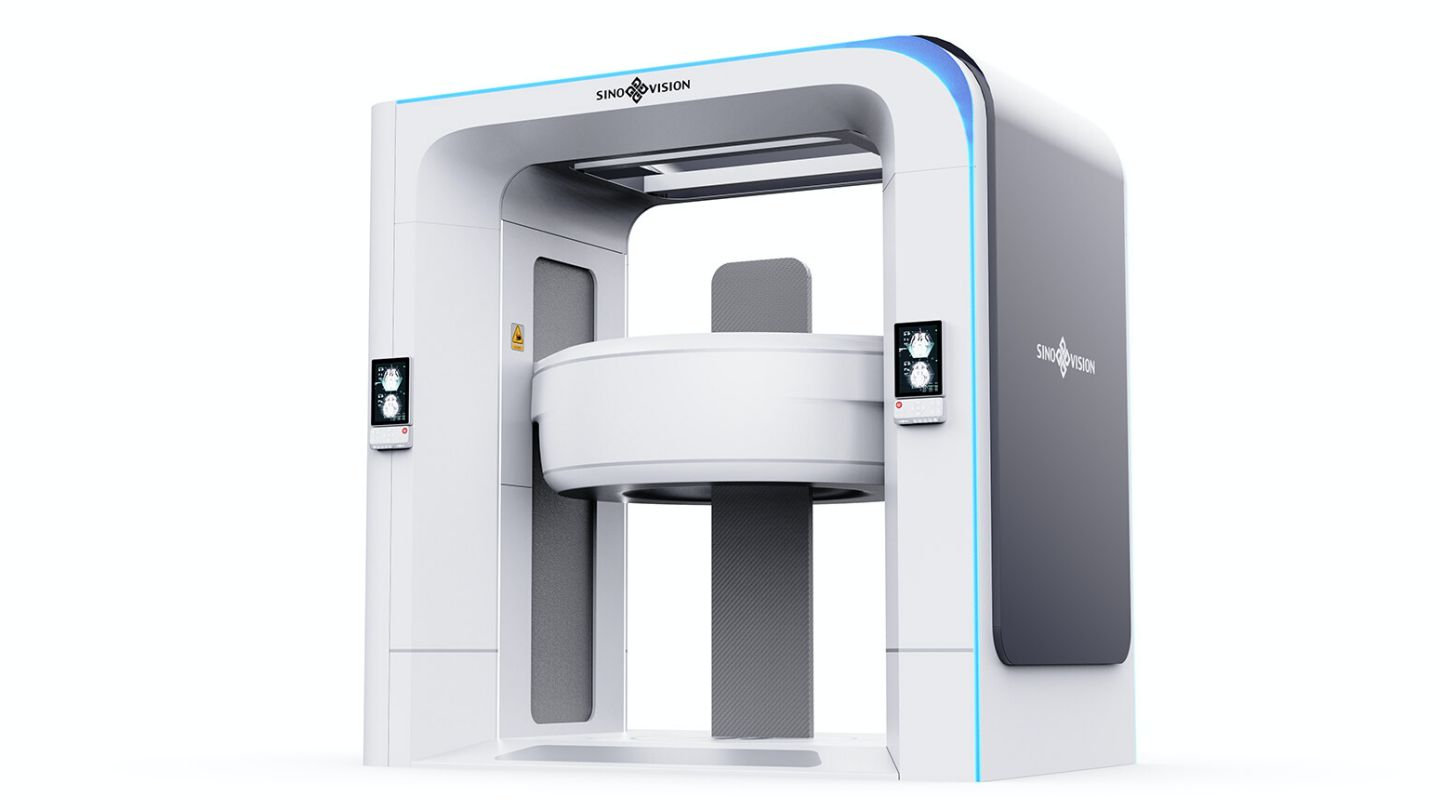
Mechanical design invention represents only the first step in a longer journey toward commercial innovation. An invention becomes innovation when it delivers value to users and captures value for its creators through successful commercialization. This transformation requires navigating multiple stages, each presenting distinct challenges and requiring different capabilities.
Concept validation ensures that mechanical design inventions address genuine market needs through user research confirming problem significance, competitive analysis identifying existing solutions, technical feasibility assessment, and preliminary business case development. Many inventors skip this crucial step, investing heavily in perfecting solutions to problems users don't actually prioritize or markets already adequately serve.
Engineering development transforms rough concepts into refined, functional designs through detailed mechanical engineering and CAD modeling, structural analysis and performance validation, prototyping and iterative refinement, and design for manufacturing optimization. This phase requires expertise in materials science, manufacturing processes, structural analysis, and system integration—capabilities most individual inventors lack.
Intellectual property protection secures competitive advantages and enables value capture through patent application and prosecution, trade secret identification and protection, freedom-to-operate analysis ensuring the invention doesn't infringe existing patents, and IP strategy aligning protection with commercialization plans. Professional guidance proves essential given patent system complexity.
Manufacturing development prepares inventions for cost-effective production including supplier identification and qualification, tooling design and fabrication, process development and optimization, and quality system establishment. This phase often reveals design changes needed for manufacturability, requiring collaboration between inventors and manufacturing specialists. Leading firms maintain relationships with 5,000+ supply chain partners enabling precision supplier matching.
Market introduction launches products commercially through positioning and messaging development, channel strategy and partnership development, initial production and fulfillment, and market feedback collection and iteration. Even brilliant mechanical design inventions fail without effective market introduction strategies.
Analyzing successful mechanical design inventions reveals patterns that distinguish commercial successes from technical curiosities. Solving significant problems represents the fundamental requirement—successful inventions address problems users actively seek to solve, deliver meaningful performance or cost improvements over alternatives, fit within users' existing workflows or usage patterns, and scale to market sizes justifying development investment.
Manufacturing feasibility proves equally essential, as inventions that can't be manufactured cost-effectively never achieve commercial scale. Successful inventors consider manufacturability throughout development through design for manufacturing principles applied early, collaboration with manufacturing experts during design, prototype validation using production-intent processes, and cost modeling ensuring viable economics at projected volumes.
Patent strength and freedom-to-operate significantly impact commercialization success. Strong patents enable defensible competitive advantages and licensing opportunities while weak or missing patents leave inventors vulnerable to well-resourced competitors. Successful inventors invest in comprehensive patent searches and freedom-to-operate analysis, strategic patent application covering core innovations and variations, continuation and divisional applications extending protection, and international filing in key markets.
Commercialization partnerships accelerate market entry for inventors lacking internal commercialization capabilities through licensing agreements with established manufacturers, joint development agreements sharing risks and returns, contract manufacturing relationships providing production capabilities, and distribution partnerships accessing established channels.
Understanding where mechanical design inventions typically fail helps inventors avoid predictable mistakes. Premature scaling represents a frequent failure mode where inventors invest heavily in tooling and inventory before validating market demand, commit to specific manufacturing approaches too early, scale production beyond proven demand, and exhaust resources before achieving product-market fit. Lean development approaches that defer major investments until after market validation significantly reduce this risk.
Insufficient design for manufacturing creates expensive problems when production begins including designs that work as prototypes but fail in volume production, unanticipated tooling costs and complexity, manufacturing yields below projections, and unit costs exceeding business case assumptions. Early collaboration with manufacturing experts prevents these issues through DFM optimization that can reduce production costs 20-25%.
Underestimating regulatory requirements leads to costly delays and redesigns particularly in regulated industries like medical devices, consumer products, automotive components, and industrial equipment. Each category involves specific safety and performance standards, certification and testing requirements, documentation and traceability obligations, and ongoing compliance responsibilities. Professional guidance from firms maintaining comprehensive certification systems including CE, FCC, UL, EMC, KC, FDA, and RoHS prevents compliance surprises.
Inadequate IP protection leaves inventors vulnerable to well-resourced competitors who can out-manufacture and out-market even superior inventions. Common IP mistakes include delayed patent filing losing priority, insufficient claim scope leaving easy design-around opportunities, missing international protection in key markets, and inadequate trade secret protection for unpatentable aspects. Firms providing 100% client IP ownership with zero breaches over 20+ years demonstrate effective protection.
Poor partner selection compromises commercialization success when inventors choose inappropriate development or manufacturing partners. Warning signs include partners lacking relevant technical expertise, insufficient manufacturing capabilities or relationships, poor communication and project management, and misaligned incentives or unclear agreements. Selecting partners with proven track records across 10,000+ products and 200+ categories significantly improves success odds.
Examining successful mechanical design inventions reveals instructive patterns. Healthcare innovations demonstrate particularly rigorous development paths. The development of novel medical devices requires inventors to navigate complex regulatory pathways while delivering exceptional reliability and clinical value. Successful medical device inventions typically involve early collaboration with clinical experts, regulatory consultants, and manufacturers experienced in medical applications. Projects like Ceribell's AI EEG system demonstrate comprehensive development from concept through FDA certification and manufacturing.
Consumer product innovations face different challenges around cost, aesthetics, and market positioning. Successful consumer inventions balance innovation with manufacturability and cost targets. The development of smart home products that achieved one billion in growth within one year through category innovation demonstrates the power of strategic design and market positioning. These successes result from integrating user insights, design excellence, and manufacturing optimization.
Industrial equipment inventions emphasize different value propositions including productivity improvements, total cost of ownership reduction, reliability and uptime enhancement, and safety improvements. Successful industrial inventions often emerge from deep understanding of operational challenges and close collaboration with end users during development.
Successful commercialization of mechanical design inventions requires assembling capabilities across multiple disciplines. Mechanical engineering expertise transforms concepts into robust, manufacturable designs through 3D CAD modeling and detailed design, structural analysis and performance validation, mechanism design and kinematics, and materials selection and specification. Leading firms employ 100+ expert engineers across multiple disciplines.
Manufacturing engineering bridges design and production through DFM analysis and optimization, tooling design and supplier collaboration, process development and validation, and quality planning and control. This manufacturing focus prevents the disconnect between prototype and production that derails many inventions. Comprehensive manufacturing capabilities spanning CNC machining, die casting, injection molding, SMT, and assembly enable seamless development.
Industrial design creates user appeal and market differentiation through user research and insight development, form development and aesthetic refinement, CMF (Color, Material, Finish) specification, and brand integration and differentiation. Even technically superior inventions fail without designs that appeal to users and communicate value effectively. Award-winning design capabilities validated by 592+ international design awards ensure market-compelling products.
Electrical engineering enables smart product capabilities through circuit design and PCB layout, firmware development and optimization, sensor integration and data processing, and wireless connectivity and IoT integration. Modern mechanical inventions increasingly incorporate electronic intelligence requiring seamless electromechanical integration.
Regulatory and quality expertise navigates compliance requirements through regulatory strategy and pathway selection, testing and certification coordination, quality system development, and documentation and traceability. This expertise proves essential in regulated industries where compliance failures cause costly delays.
Transforming mechanical design inventions into commercial products requires significant investment across development stages. Understanding funding options and requirements helps inventors plan appropriate capital strategies.
Bootstrapping and personal investment often funds initial concept development and prototyping. Advantages include maintaining complete control and avoiding dilution while disadvantages involve limited resources and personal financial risk. Inventors should carefully manage burn rate while achieving key milestones that enable subsequent funding.
Grants and non-dilutive funding provide attractive early-stage capital through government innovation programs (SBIR/STTR in the US), industry-specific development grants, university technology transfer programs, and foundation funding for social impact inventions. These sources provide capital without equity dilution but typically involve significant application effort and reporting requirements.
Angel investors and venture capital become relevant for inventions with significant market potential and scalable business models. Investors seek compelling market opportunities and team capabilities, clear competitive advantages and IP protection, credible development and commercialization plans, and appropriate use of proceeds with defined milestones. Successful fundraising requires professional pitch materials and realistic valuations.
Strategic partnerships and licensing offer alternative commercialization paths through licensing agreements with established manufacturers, joint development agreements sharing costs and risks, co-marketing arrangements leveraging complementary capabilities, and acquisition by strategic buyers. These approaches can accelerate market entry while providing development funding.
Intellectual property protection proves essential for capturing value from mechanical design inventions. Patent protection provides the strongest IP rights for mechanical inventions through utility patents covering functional innovations, design patents protecting ornamental aspects, provisional applications establishing priority at lower cost, and PCT applications preserving international rights. Professional patent counsel ensures comprehensive protection.
Trade secrets protect aspects unsuitable for patents including manufacturing processes and techniques, material formulations and specifications, supplier relationships and terms, and cost structures and margins. Proper trade secret protection requires comprehensive confidentiality agreements, secured development zones with access controls, and employee and contractor agreements with IP assignment clauses. Leading development partners implement these protections systematically, achieving zero IP breaches over 20+ years.
Freedom-to-operate analysis prevents infringing existing patents through comprehensive patent landscape searches, analysis of relevant patents and claims, identification of potential infringement risks, and design-around strategies or licensing negotiations. This analysis should occur early before significant development investment.
IP strategy aligns protection with commercialization plans through core innovation protection with strategic continuation applications, geographic protection in key manufacturing and markets, defensive publication of non-core innovations, and licensing strategy development for revenue generation.
Successful inventors establish clear milestones and metrics enabling objective assessment of progress and informing go/no-go decisions. Technical milestones validate feasibility and performance including proof-of-concept prototype demonstrating core functionality, engineering prototype validating performance specifications, manufacturing prototype built using production processes, and regulatory testing and certification completion.
Market validation milestones reduce commercialization risk through customer discovery interviews confirming problem and solution, early adopter commitments or pre-orders, pilot deployments in real-world conditions, and initial sales validating product-market fit. These market milestones often prove more important than technical achievements for commercial success.
Financial milestones ensure appropriate resource management including development cost versus budget, unit cost versus business case requirements, capital raise milestones and runway management, and revenue and margin targets at commercial launch.
Recognizing when to pivot versus persevere represents crucial inventor judgment. Indicators suggesting pivots include persistent market disinterest despite product refinement, fundamental technical barriers emerging during development, competitor actions undermining competitive position, and superior alternative opportunities emerging. Successful inventors remain passionate about solving problems while pragmatic about specific solutions.


We use cookies to ensure that we give you the best experience on our website. By clicking "Accept All", you consent to our use of cookies. Learn more.
Please fill out the form and we'll get back to you shortly.

Your submission has been received !
Thank you for your submission.
We will get back to you within 24 hours and appreciate your patience.
Enter your details to receive the toolkit for free.