
In the consumer electronics industry, where innovation moves at breakneck speed and miniaturization, precision, and user-centricity define market success, mechanical design prototyping is not just a developmental step—it is the make-or-break foundation of fast, cost-effective product launches. Disjointed prototyping processes lead to costly redesigns, delayed time-to-market, and products that fail to align with manufacturing or user expectations. This guide breaks down the non-negotiable best practices for consumer electronics mechanical design prototyping, with LKK’s proven industry insights and real-world success stories woven into every step, to help brands turn conceptual designs into market-ready prototypes with speed, precision, and confidence.
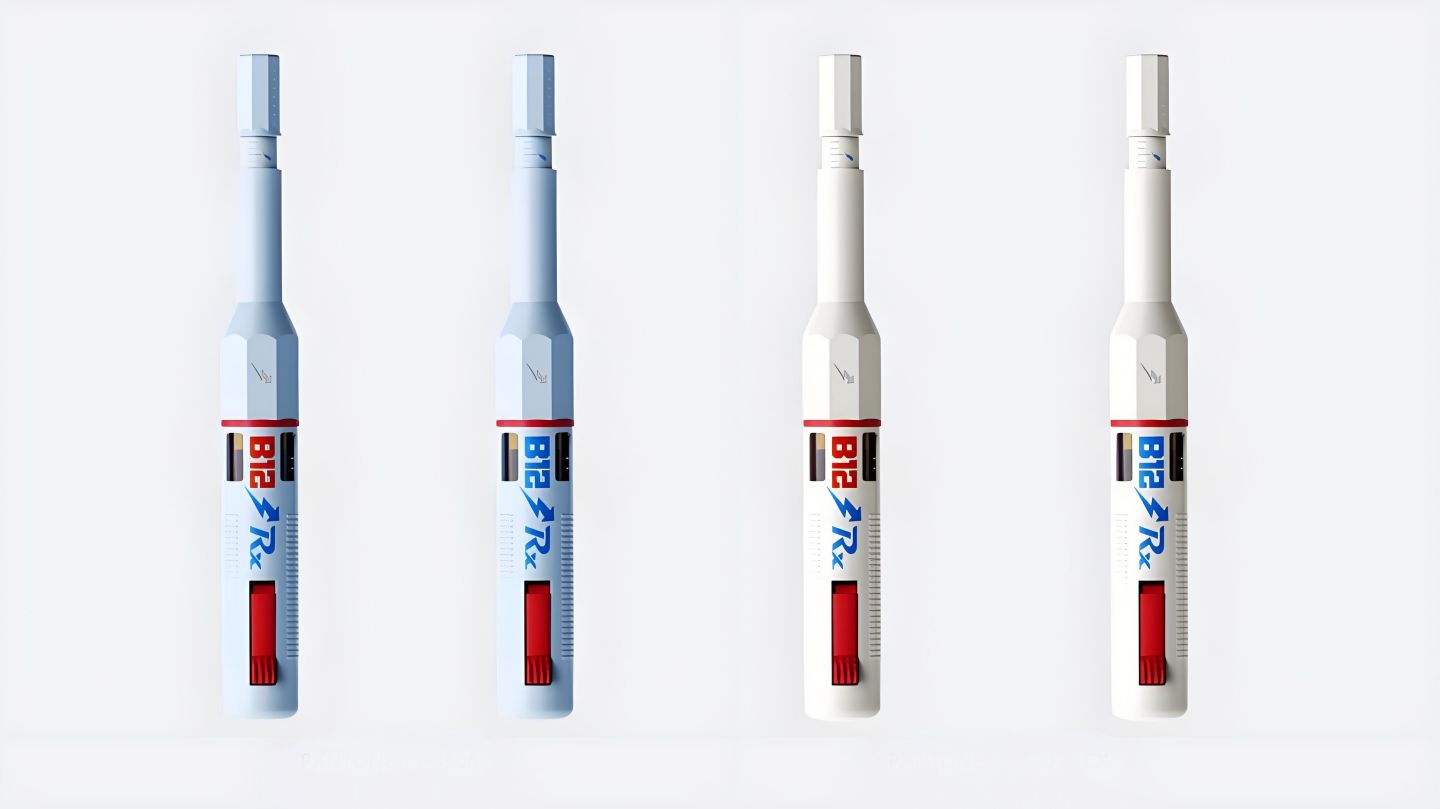
Inefficient mechanical design prototyping creates a cascading chain of losses for consumer electronics brands. A single unoptimized prototype iteration can add 4–8 weeks to development timelines, and redesigns caused by poor early-stage mechanical design can increase project costs by up to 40%. In an industry where first-mover advantage captures 60%+ of market share for new products—from smart printers and wireless earbuds to portable IoT devices—these delays mean launching after competitors, eroding R&D investments, and missing consumer demand windows. For startups, in particular, prototyping inefficiency can deplete funding and derail product launches entirely. LKK’s data shows that streamlined prototyping not only cuts timelines but also reduces overall project costs by 25% by eliminating unnecessary redesigns and iterations.
Consumer electronics presents mechanical design and prototyping hurdles unlike any other sector, driven by three core demands: miniaturization (packing complex components into compact, handheld form factors), ergonomics (designing for comfortable, daily use), and cross-system synergy (aligning mechanical hardware with electronic circuits, firmware, and software). Prototypes must not only function as the final product but also withstand real-world wear and tear—all while being optimized for high-volume mass production. Generic prototyping workflows fail to address these unique challenges, but LKK’s specialized consumer electronics team anticipates and mitigates them at every stage, from initial design to physical prototype creation.
Streamlined mechanical design prototyping directly translates to tangible business outcomes for consumer electronics brands: fewer redesigns, faster time-to-market, and prototypes that act as a true blueprint for mass production. LKK’s track record speaks for itself: 95% on-time delivery of consumer electronics prototypes, a defect rate of less than 500 PPM in prototyping and early production, and a 30% reduction in overall product development timelines for every global client. For brands competing in a market where product lifecycles are measured in months, not years, these metrics are not just impressive—they are essential for staying relevant and profitable.
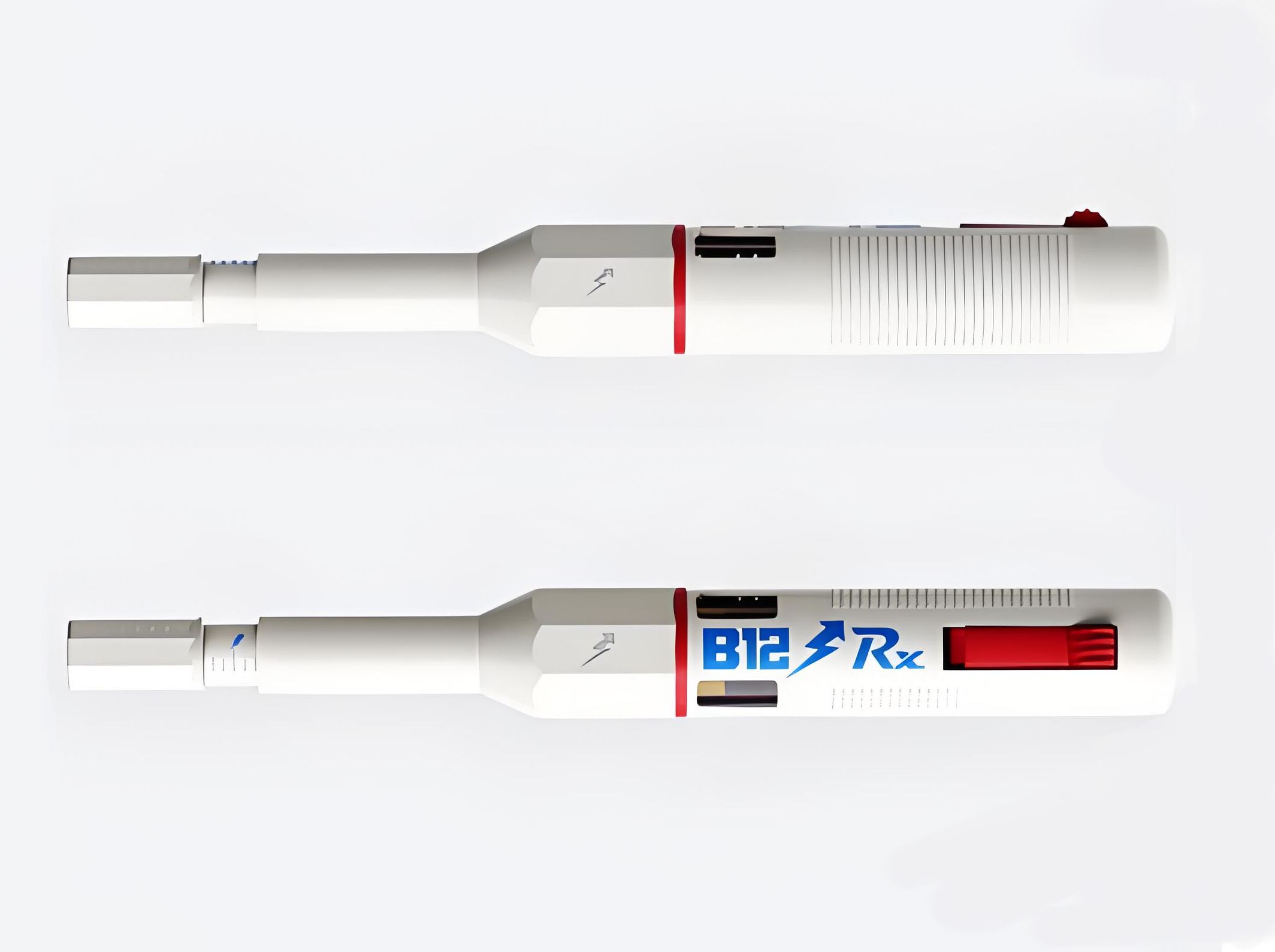
The success of physical prototyping is determined in the pre-prototyping mechanical design phase. This is where inefficiencies are eliminated, manufacturability is embedded into the product’s core, and costly post-prototype redesigns are avoided. LKK’s pre-prototyping workflow is a gold standard for the consumer electronics industry, with four non-negotiable best practices that set the stage for fast, precise prototyping.
Design for Manufacturing is the single most critical pre-prototyping practice for consumer electronics. LKK embeds DFM into the first mechanical design brainstorm, not as an afterthought, by pairing mechanical designers with manufacturing engineers on every project. This cross-functional collaboration evaluates mold complexity, material selection, component placement, and production scalability early on, ensuring every design choice aligns with both prototyping feasibility and high-volume mass production. This proactive approach eliminates 90% of manufacturability issues that plague siloed design processes—issues that often require full prototype overhauls. LKK even provides a free DFM Cost Optimization Playbook for consumer electronics clients, a resource that turns abstract design choices into data-driven manufacturing decisions.
Consumer electronics are built for daily human use, so ergonomic mechanical design is non-negotiable. A sleek smart device that is uncomfortable to hold or difficult to operate will fail in the market, no matter how innovative its technology. LKK’s 1-week user research framework for consumer electronics combines user behavior analysis, ergonomic testing, and market benchmarking to inform every mechanical design choice—from the curve of a smartphone case to the placement of buttons on a smart printer. This user-centric approach ensures prototypes are not just technically sound but also intuitive for end users, eliminating the need for late-stage ergonomic redesigns that delay prototyping and launch.
Siloed mechanical and electronic design is a top cause of non-functional consumer electronics prototypes. A mechanical design that does not account for circuit board size, battery placement, or sensor connectivity will result in a prototype that looks great but cannot operate. LKK solves this with dedicated cross-functional teams for every consumer electronics project: mechanical designers, electronic engineers, and prototyping specialists collaborate in real time, sharing design files and feedback to ensure mechanical hardware and electronic components work in perfect harmony. This synergy means the first physical prototype is a fully integrated, functional unit—not a disjointed mechanical shell with no internal compatibility.
Miniaturized consumer electronics are prone to structural failure if not stress-tested early, and physical testing at this stage is time-consuming and costly. LKK uses advanced mechanical simulation software to conduct virtual stress testing for impact resistance, heat dissipation, and repeated use (e.g., inserting a charging cable, opening a laptop lid) in the pre-prototyping phase. This virtual testing identifies structural weaknesses—such as weak plastic joints or poorly placed support beams—before a single physical prototype is made, reducing the number of physical iterations and speeding up the entire prototyping process.
Once the mechanical design is optimized for prototyping, the focus shifts to the physical prototyping process itself. Consumer electronics prototyping requires a delicate balance of speed, precision, and functional validation—and LKK’s core best practices ensure all three are achieved without compromise.
Not all prototyping technologies are created equal, and the wrong choice leads to slow timelines, low precision, or non-functional prototypes. LKK leverages three core prototyping technologies, all housed in its in-house labs, and selects the right one (or combination) based on the consumer electronics product’s complexity, materials, and functional requirements:
3D Printing: Fast, cost-effective for early conceptual prototypes and complex geometric parts (e.g., custom smart watch enclosures, wireless earbud cases).
CNC Machining: High precision (±0.005mm) for functional prototypes that require metal or rigid plastic components (e.g., smart printer frames, laptop hinges, portable speaker casings).
Rapid Tooling: For small-batch functional prototypes that mimic mass production materials and finishes, ideal for validating the final product’s feel and performance before full-scale manufacturing.In-house access to these technologies means no outsourcing, no delays, and full control over quality—prototyping starts the moment the design is finalized.
Speed in prototyping does not mean cutting corners; it means targeted iterations. A common industry mistake is over-prototyping, where the entire product is reworked for every small design change. LKK avoids this by focusing only on critical functional or structural changes between iterations. For example, if a prototype’s battery compartment is too small, the team only reworks that specific part—not the entire device. This targeted approach, paired with parallel development workflows, is why LKK delivers fully functional consumer electronics prototypes in just 6 weeks—a timeline that far outpaces the industry average of 10–12 weeks.
Another critical pitfall is creating aesthetically perfect prototypes that lack functional validation. A sleek portable speaker prototype that cannot house its speaker drivers or battery is a waste of time and resources, and it provides no actionable data for design improvement. LKK follows a function-first prototyping philosophy: the first physical prototype is built to test core mechanical and electronic functionality, with aesthetics refined in later iterations (once functionality is 100% confirmed). This practice ensures every prototype delivers real, actionable insights that drive design improvement—not just a visually appealing model.
Prototyping is a collaborative process, not a one-team task. LKK requires cross-functional feedback—from mechanical designers, electronic engineers, manufacturing specialists, and even user research teams—after every prototype iteration. This feedback loop identifies issues that a single team might miss: for example, a manufacturing engineer might spot a mold issue that a designer overlooks, or a user researcher might note an ergonomic flaw that an engineer does not see. This collaborative approach ensures prototypes are optimized for every stage of the product lifecycle, from design to mass production to end-user use.
What sets LKK apart from generic prototyping providers is its end-to-end, in-house mechanical design to prototyping workflow—a seamless process that eliminates silos, reduces delays, and ensures every prototype is built for success. LKK’s workflow is tailored specifically for consumer electronics, leveraging the group’s 21 years of industry expertise and global resources:
User Research & Design Brief: 1 week of targeted user research and business goal alignment to define the mechanical design’s core requirements.
DFM-Optimized Mechanical Design: Cross-functional design and engineering to create a manufacturable, user-centric mechanical design with virtual simulation.
Technology Selection & Prototype Planning: The team selects the right prototyping technology (3D printing, CNC, rapid tooling) based on the product’s needs.
In-House Prototyping: Fast, precise physical prototype creation in LKK’s fully equipped labs, with real-time quality control.
Functional Validation & Feedback: Cross-functional testing and feedback to identify and address design flaws.
Targeted Iteration: Rapid, focused prototype revisions (if needed) to perfect functionality and manufacturability.
Prototype-to-Production Handoff: The final prototype is paired with a detailed manufacturing blueprint, with supply chain matching to LKK’s 5,000+ pre-vetted global partners for seamless mass production.
This workflow is supported by LKK’s global resources: 13+ city centers, 800+ designers specializing in consumer electronics, and in-house access to every prototyping and manufacturing technology a brand needs. The result? Fast, precise prototypes that transition directly to mass production with zero redesigns.
LKK’s streamlined mechanical design prototyping best practices have delivered transformative results for global consumer electronics brands, with the HUAWEI PixLab X1 smart printer standing as a flagship example. HUAWEI partnered with LKK to design and prototype a smart printer that redefined the consumer printing market, with tap-to-print technology and a sleek, compact form factor. LKK’s team embedded DFM into the initial mechanical design, used CNC machining for high-precision prototyping of the printer’s frame and internal components, and prioritized functional validation to ensure seamless integration between mechanical hardware and HUAWEI’s smart technology. The result? A fully functional prototype delivered in just 6 weeks, zero post-prototype redesigns, and a market-ready product that earned international design awards (Red Dot, iF Design) and became a top-selling consumer smart printer globally. This success is not an anomaly—it is the standard for LKK’s consumer electronics prototyping work, with every client benefiting from the same streamlined best practices and industry expertise.
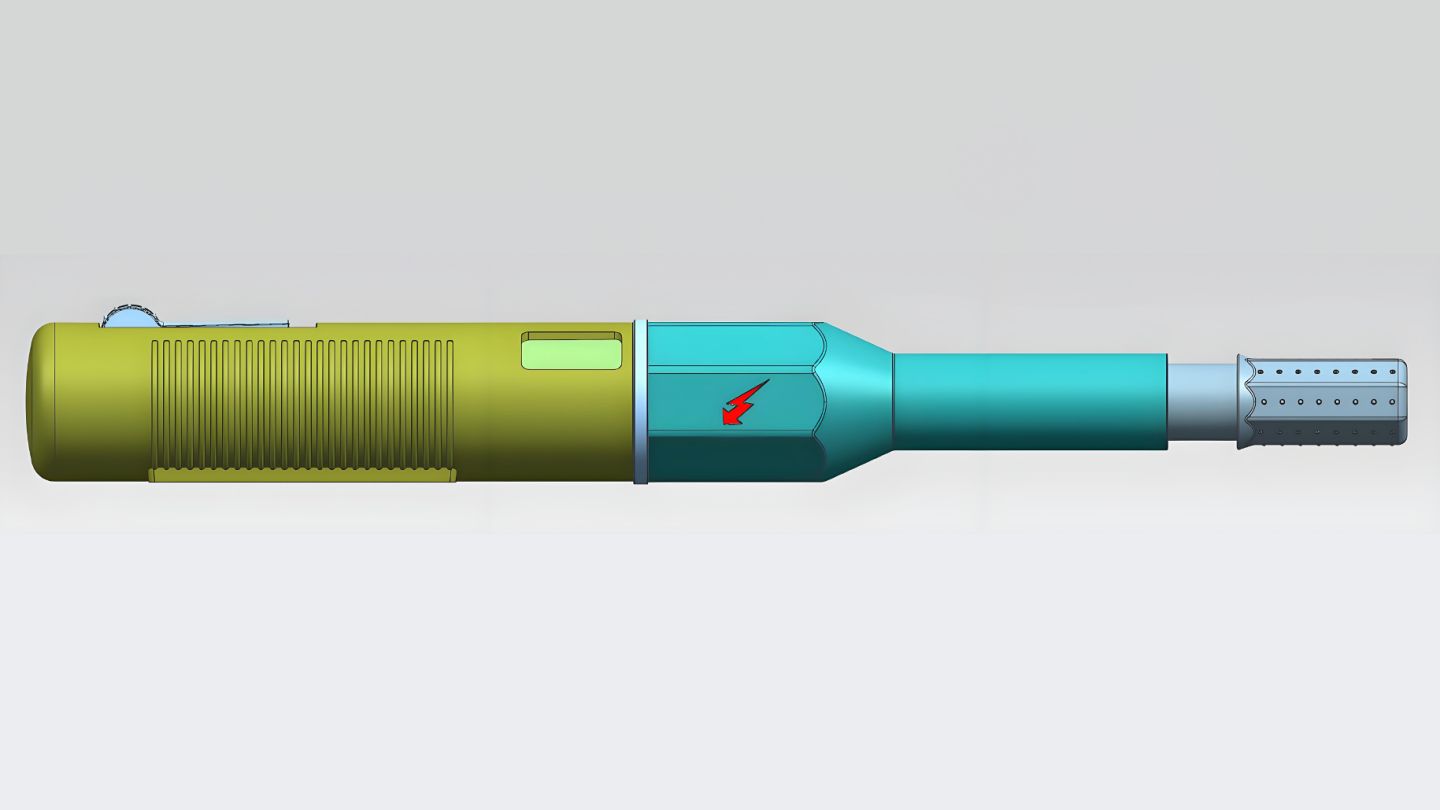
Even with the best intentions, brands often fall prey to common prototyping pitfalls that delay launches and increase costs. LKK’s decades of expertise have identified the top four pitfalls—and how to avoid them with the best practices outlined in this guide:
Overlooking DFM: The #1 pitfall, which leads to manufacturability issues and full prototype overhauls—avoid it by embedding DFM from the initial concept.
Siloed Design: Mechanical and electronic design working independently leads to non-functional prototypes—avoid it with cross-functional teams and real-time collaboration.
Aesthetics Before Function: Creating pretty prototypes that do not work wastes time—avoid it with a function-first prototyping philosophy.
Generic Prototyping Technologies: Using one-size-fits-all technology for every product leads to low precision or slow timelines—avoid it by selecting the right technology for the product’s unique needs.
LKK mitigates these pitfalls proactively with pre-prototyping risk assessments and cross-functional oversight, ensuring every prototyping project stays on track, on budget, and on schedule.
Streamlined consumer electronics mechanical design prototyping is the foundation of fast, successful product launches in one of the world’s most competitive industries. The best practices outlined in this guide—embedding DFM early, prioritizing user-centric design, aligning mechanical and electronic synergy, selecting the right prototyping technology, and leveraging cross-functional collaboration—eliminate inefficiencies, reduce costs, and ensure prototypes transition seamlessly to mass production. For 21 years, LKK Consulting Design Group has refined these best practices through hands-on work with global consumer electronics leaders, delivering precision prototypes in 6 weeks, cutting development timelines by 30%, and launching 10,000+ successful products worldwide.
As a user-centric international innovation design group with in-house mechanical design, prototyping, and manufacturing capabilities, LKK is the ideal partner for consumer electronics brands looking to streamline their prototyping process and launch products faster without compromising on quality. From initial concept to functional prototype to mass production, LKK’s end-to-end workflow and specialized consumer electronics expertise turn your design vision into a market-ready reality—on time, on budget, and built for success.
Your Idea, We Make It—Connect with LKK today to streamline your consumer electronics mechanical design prototyping project: email lkkerscm@lkkdesign.com or call +86 (755) 23608253. Visit www.lkkerscm.com to learn more about LKK’s global consumer electronics design and prototyping expertise.


We use cookies to ensure that we give you the best experience on our website. By clicking "Accept All", you consent to our use of cookies. Learn more.
Please fill out the form and we'll get back to you shortly.

Your submission has been received !
Thank you for your submission.
We will get back to you within 24 hours and appreciate your patience.
Enter your details to receive the toolkit for free.