In modern product development, ideas alone are no longer enough. Digital renderings, CAD models, and concept sketches are essential tools, but they cannot fully predict how a product will behave in the real world. This gap between imagination and reality is precisely where industrial design prototyping plays a decisive role.
Industrial design prototyping transforms abstract concepts into tangible artifacts. It allows companies to evaluate usability, functionality, manufacturability, and performance long before committing to large-scale production. For organizations operating in competitive markets, prototyping is not merely a design exercise — it is a strategic risk management tool.
Forward-thinking companies understand that successful products are rarely designed in a straight line. They emerge through cycles of validation, refinement, and optimization. Each iteration uncovers hidden constraints, user insights, and engineering challenges that digital simulations alone may overlook.
At LKK, prototyping is integrated into a comprehensive innovation framework that connects industrial design, engineering, and manufacturing. Rather than treating prototypes as isolated milestones, they are positioned as critical decision checkpoints throughout the product lifecycle.
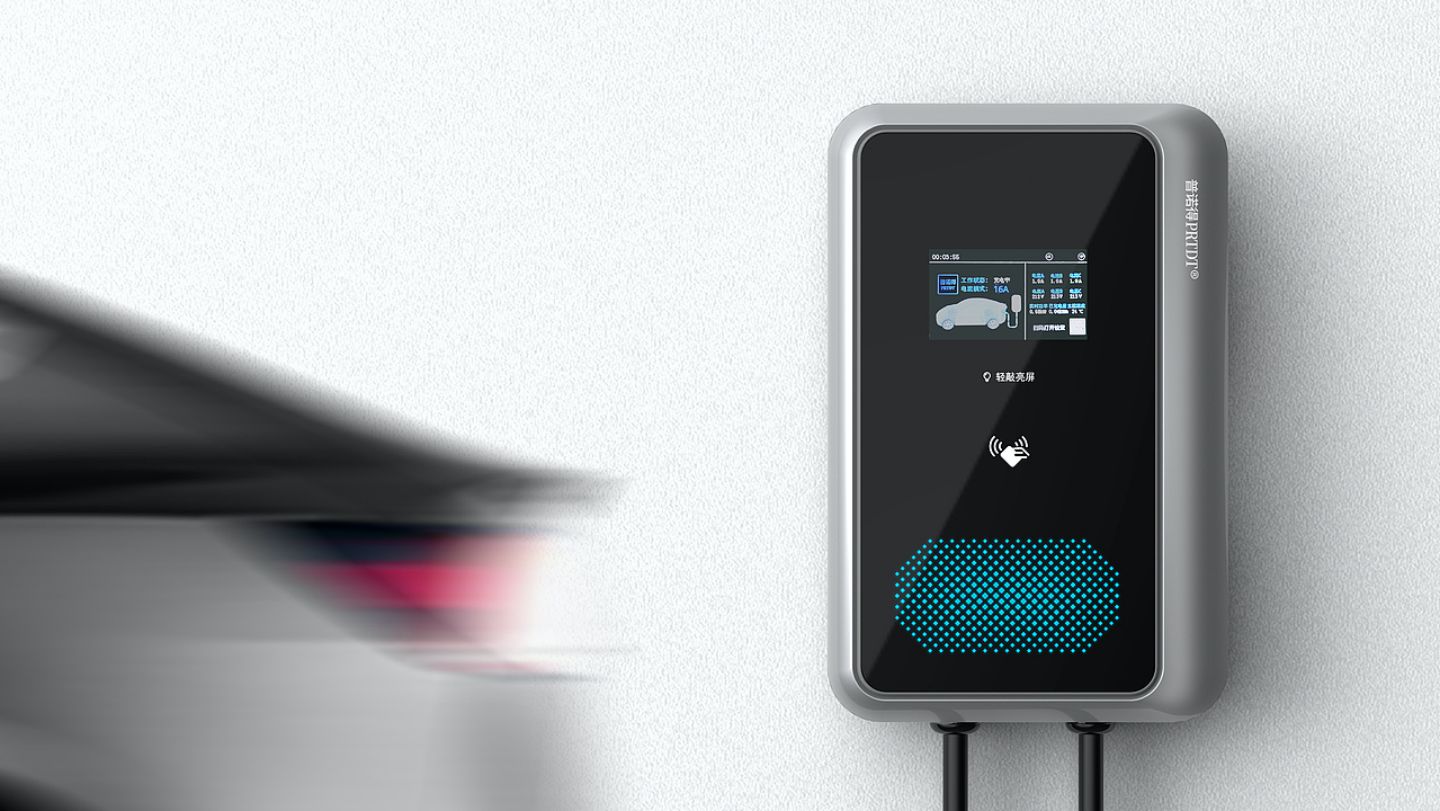
A common misconception is that prototypes are simply visual representations of a final product. While appearance prototypes are important, industrial design prototyping extends far beyond aesthetics.
Prototypes may serve multiple objectives:
Visual validation
Ergonomic evaluation
Functional testing
Engineering verification
Manufacturing simulation
An effective prototyping strategy considers all these dimensions rather than focusing solely on surface-level appearance.
At its core, industrial design prototyping exists to answer critical questions:
Does the product solve the intended problem?
Can users interact with it intuitively?
Will the design perform mechanically and electronically?
Can it be manufactured reliably?
What risks remain hidden?
By addressing these uncertainties early, organizations avoid costly redesign cycles later in development.
Traditional development models often relied heavily on documentation and late-stage validation. In contrast, modern workflows are increasingly prototype-driven.
Instead of assuming correctness, teams continuously validate assumptions through physical or functional prototypes. This shift dramatically improves:
Decision accuracy
Development speed
Cost predictability
Product reliability
Industrial design prototyping is not a single event but a structured journey.
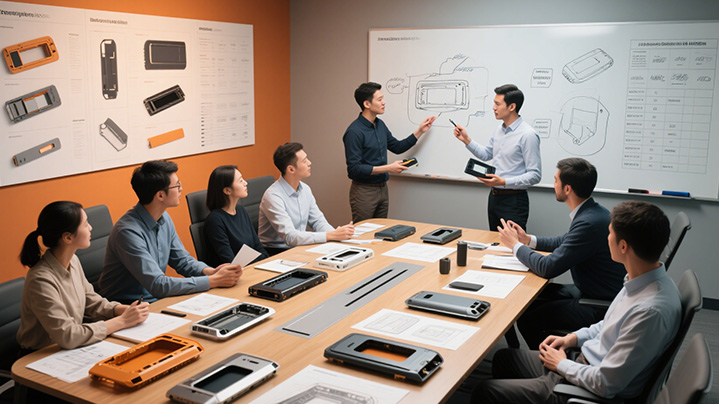
Every successful product begins with clarity. Before designing or prototyping, teams must define:
User needs
Application scenarios
Performance requirements
Constraints and risks
Without a strong foundation, prototypes risk validating the wrong assumptions.
At LKK, user-centered research informs design decisions, ensuring prototypes align with real-world usage rather than theoretical expectations.
Concept development transforms requirements into creative directions. Industrial designers explore:
Form factors
Interaction models
Ergonomic structures
CMF (Color, Material, Finish) strategies
Early prototypes at this stage may emphasize shape, scale, and user perception.
A compelling design must be technically feasible. Engineering translation bridges industrial design with:
Mechanical design
Structural integrity
Electronic architecture
Thermal management
Assembly considerations
Functional prototypes often begin emerging at this stage.
Rapid prototyping enables fast iteration cycles. Designers and engineers can:
Test form and function
Evaluate mechanical motion
Validate electronic behavior
Refine component integration
Speed becomes a competitive advantage.
Prototypes must be challenged. Testing identifies:
Functional limitations
Durability issues
Usability friction
Performance inconsistencies
Systematic issue tracking ensures insights translate into improvements.
A prototype that works is not automatically manufacturable. DFM optimization evaluates:
Wall thickness
Draft angles
Tolerance stacks
Assembly complexity
Material feasibility
Early DFM integration significantly reduces production risk.
Pre-production prototypes simulate manufacturing conditions. Tooling validation ensures:
Mold accuracy
Surface quality
Repeatability
Yield stability
This stage transitions development into scalable production.
Different prototypes serve different strategic purposes.
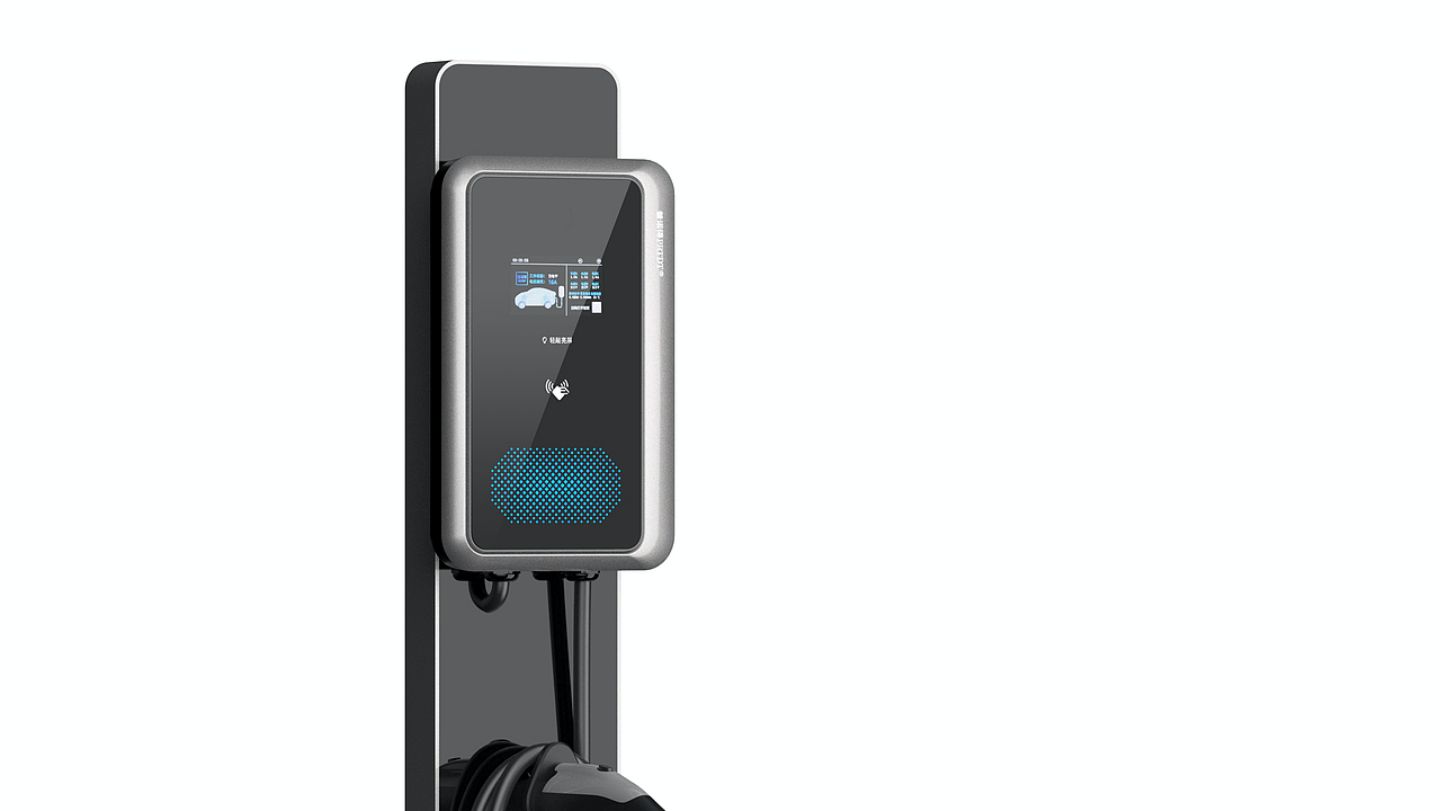
Appearance prototypes validate:
Visual impact
Ergonomics
Brand perception
User interaction feel
They are essential for stakeholder alignment and user feedback.
Functional prototypes evaluate:
Mechanical performance
Electronic behavior
Firmware/software interaction
System integration
These prototypes uncover engineering realities.
Engineering prototypes focus on precision:
Tolerance verification
Structural stress testing
Thermal analysis
Material durability
They bridge design intent with performance metrics.
Pre-production prototypes simulate manufacturing:
Production materials
Assembly workflows
Quality consistency
Certification readiness
They reduce scale-up uncertainty.
Industrial design prototyping is enabled by advanced fabrication technologies.
3D printing offers unmatched flexibility:
Rapid iteration
Complex geometries
Early-stage validation
Cost-efficient exploration
Ideal for concept and ergonomic testing.
CNC machining provides:
High precision
Production-grade materials
Structural reliability
Functional realism
Essential for engineering validation.
Vacuum casting supports:
Low-volume production
Material simulation
Surface quality testing
Bridge manufacturing
Effective for pilot runs.
Smart devices demand integrated validation:
PCB prototypes
Firmware optimization
Embedded software testing
IoT connectivity verification
LKK integrates electronics, firmware, and software into cohesive prototypes.
Without prototyping, product development becomes guesswork.
| Development Risk | Without Prototyping | With Industrial Design Prototyping |
| Usability Issues | Discovered post-launch | Identified early |
| Mechanical Failure | Costly redesign | Pre-validated |
| Manufacturing Defects | High scrap rates | DFM optimized |
| Budget Overruns | Unpredictable | Controlled |
| Time Delays | Frequent | Reduced |
Prototyping shifts risk from late-stage crises to early-stage learning.
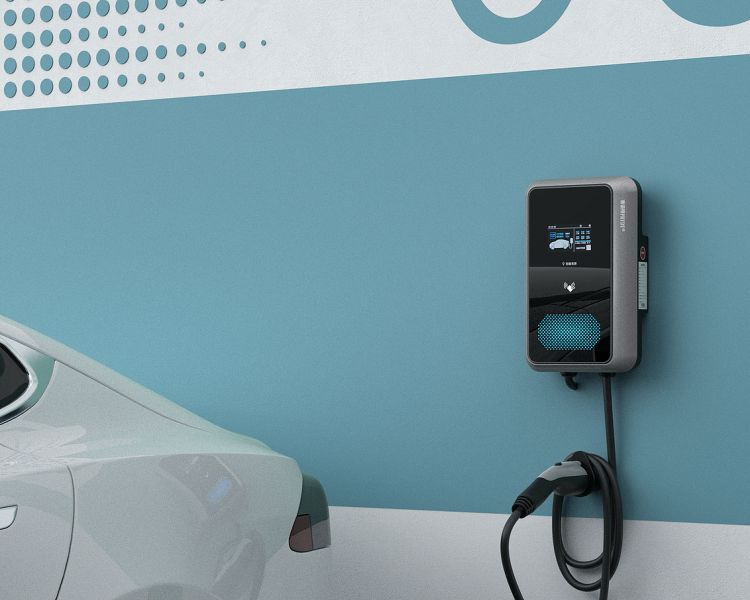
LKK’s methodology begins with user insight. Prototypes are evaluated not only for technical correctness but also for experiential quality.
Rather than sequential workflows, LKK employs parallel development:
Design refinement
Engineering validation
DFM optimization
This significantly compresses timelines.
Fragmented workflows introduce friction. LKK integrates:
Industrial design
Mechanical engineering
Electronics development
Manufacturing engineering
This alignment reduces miscommunication and rework.
With a broad supplier network, prototypes are developed with manufacturing realities in mind. Designs are optimized for:
Production feasibility
Cost efficiency
Quality consistency
Industrial design prototyping must anticipate regulatory requirements. LKK incorporates:
Pre-compliance checks
Quality validation frameworks
Production risk controls
In connected devices, prototypes validate:
Human-device interaction
Component integration
Thermal performance
Durability
Functional prototypes often reveal integration challenges invisible in CAD.
For high-reliability industries, prototypes ensure:
Safety
Precision
Regulatory readiness
System stability
Risk reduction becomes mission-critical.
Complex ecosystems demand iterative validation:
Hardware behavior
Firmware stability
Data communication
User experience coherence
Treating Prototypes as Cosmetic Only
Appearance without functional validation creates false confidence.
Skipping Functional Validation
Assuming performance correctness invites downstream failure.
Ignoring DFM Early
Manufacturing constraints must inform design decisions early.
Selecting the Wrong Development Partner
Effective prototyping requires multidisciplinary expertise.
An ideal partner should offer:
Cross-disciplinary integration
Engineering depth
Manufacturing alignment
Quality systems
IP protection mechanisms
Industrial design prototyping is most effective when design, engineering, and production are tightly coordinated.
Industrial design prototyping is not an optional step in product development — it is a foundational strategy for innovation, risk control, and market success.
Organizations that embrace prototype-driven development gain:
Faster validation cycles
Lower development risk
Improved cost predictability
Higher product reliability
At LKK, prototyping is embedded within a holistic development ecosystem designed to transform concepts into manufacturable, functional products. By aligning creativity, engineering, and manufacturing from the outset, companies can move forward with confidence rather than assumption.
In a marketplace defined by speed and complexity, the ability to validate early is no longer a competitive advantage — it is a necessity.


We use cookies to ensure that we give you the best experience on our website. By clicking "Accept All", you consent to our use of cookies. Learn more.
Please fill out the form and we'll get back to you shortly.

Your submission has been received !
Thank you for your submission.
We will get back to you within 24 hours and appreciate your patience.
Enter your details to receive the toolkit for free.