
For many hardware founders and innovation managers, the line item “contract manufacturing industrial design cost” looks like a black box. Quotes from different vendors can vary by 2–3x, and it is often unclear what is included: only sketches and renders, or full engineering, DFM, and factory‑level support. At the same time, choosing the lowest upfront design fee often turns out to be the most expensive decision over the full lifecycle of the product.
This is because industrial design is not just about aesthetics; it sits at the center of usability, engineering feasibility, and manufacturability. When you combine industrial design with contract manufacturing, you are effectively deciding how much risk, rework, and delay you are willing to accept in exchange for a lower sticker price. Understanding what truly drives cost—and how a partner like LKK Design manages those levers—helps you invest where it matters and save where it is safe.
When you evaluate contract manufacturing industrial design cost, you should look beyond hourly rates or per‑project fees and focus on the structural drivers that shape the total cost of ownership. The major factors include:
Scope and depth of services Some providers only cover concept sketches and visual language; others (like LKK) go from user research and industrial design to mechanical, electronics, DFM, and pilot manufacturing. The broader the scope, the higher the initial cost—but the lower the risk of gaps later.
Complexity and risk of the product Products with stringent safety, regulatory, or reliability requirements (e.g., medical, industrial, or automotive) demand deeper engineering, testing, and documentation efforts. This increases design cost but is often non‑negotiable if you want to pass certifications and avoid recalls.
Number of iterations and prototyping cycles Iterations across sketches, CMF, ergonomics, structure, and tooling all add time and material costs. Integrated DFM and rapid prototyping capabilities can reduce the number of major redesigns and keep total spend under control.
Manufacturer readiness and supply chain alignment If industrial design is done in isolation from factory capabilities, many beautiful concepts get redesigned later, multiplying cost. When the industrial design team works with an established network of manufacturing partners from day one, more of the initial work is preserved through to mass production.
Geographic location and team seniority Rates vary across regions and depending on the seniority of designers and engineers. Paying for experienced, award‑winning teams can look expensive per hour, but they typically reach higher‑quality solutions faster and reduce uncertainty.
If you only look at the “design fee” and ignore the cost of rework, delays, and quality issues, you will under‑invest in the most important part of your hardware program.
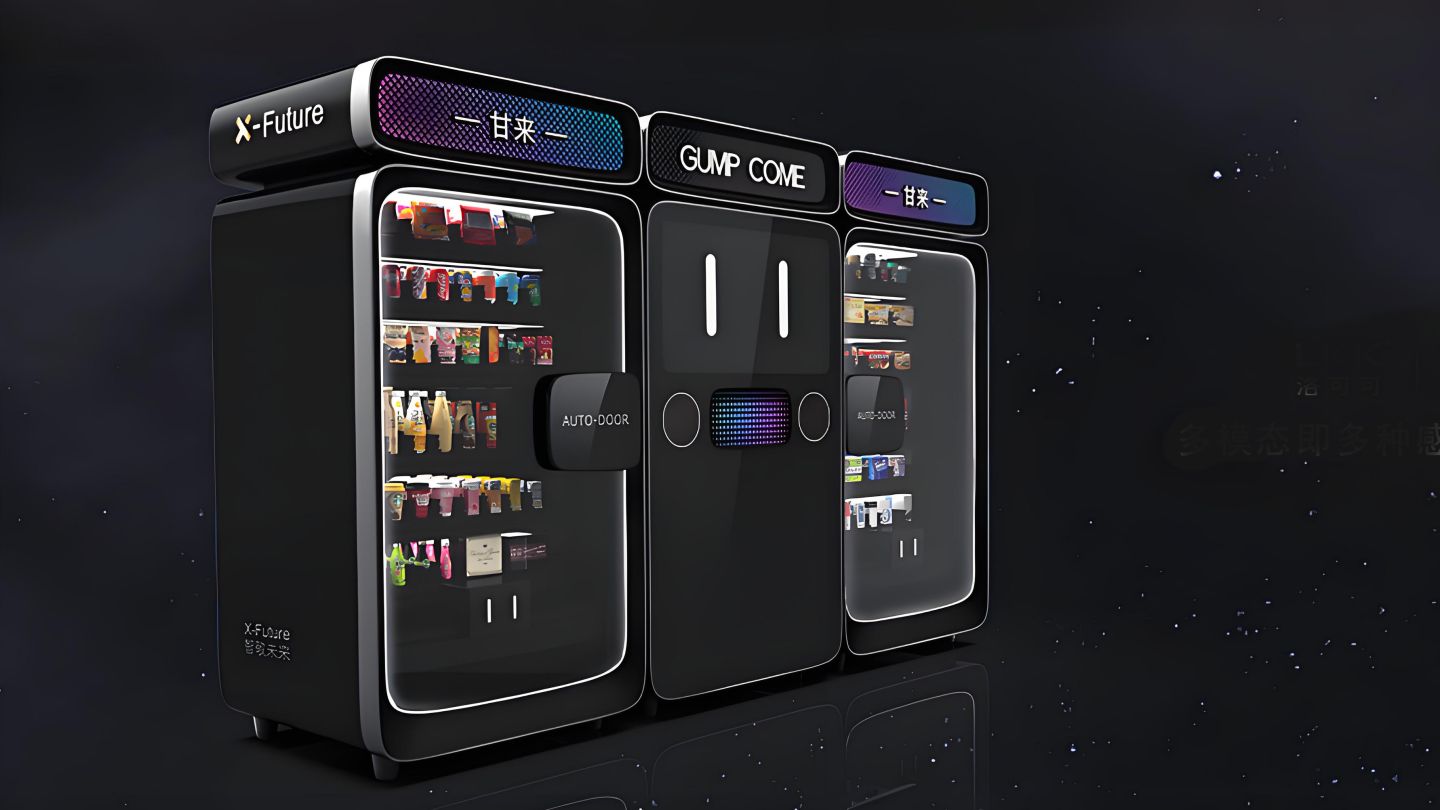
One of the biggest misconceptions around contract manufacturing industrial design cost is that design and manufacturing are separate, additive expenses. In reality, when industrial design is fully integrated with engineering, DFM, and supply chain, it becomes a cost‑reduction engine instead of a cost center.
LKK’s own data and case experience show that integrating industrial design with manufacturing engineering can reduce tooling modifications and cost of goods sold (COGS) by roughly 15–25% on many projects. Parallel development with in‑house pilot lines and a vetted supplier network can cut time‑to‑market by around 30%, with functional prototypes available in as little as six weeks. These improvements directly offset the upfront investment in a more comprehensive industrial design scope.
From a financial perspective, this means:
Fewer engineering change orders triggered by design decisions that ignore DFM
Less scrap and rework in early production runs
Shorter payback period because you reach revenue earlier
Lower lifetime COGS thanks to optimized structures, materials, and processes
That is why experienced hardware companies evaluate design providers not just on project fees, but on the total economic impact across development and mass production.
LKK Design has built its reputation as one of China’s most awarded and experienced innovation design groups by consistently balancing creativity with manufacturability and cost control. According to LKK’s own group profile, the company has launched over 10,000 products across 20+ industries and 200 product categories for more than 1,000 industry leaders worldwide.
Along the way, LKK’s work has received more than 592 international design awards—including Red Dot, iF Design Award, and IDEA—demonstrating that “cost‑effective” industrial design does not mean compromising on design excellence. In 2025 alone, LKK Design secured 8 Red Dot Design Awards, including several “Best of the Best” honors, further reinforcing its leadership in human‑centric, market‑ready product design.
You can explore LKK’s end‑to‑end offering from industrial design and engineering to mass production on the official website lkkerscm.com.
When you hire an integrated partner like LKK, your contract manufacturing industrial design cost typically covers multiple layers of value, not just “pretty renderings.” These layers often include:
User and market insight Understanding who your users are, how they live or work, and what competing products do poorly. Well‑grounded insights reduce the risk of building something that looks good but does not solve a real problem.
Industrial design language and ergonomics Translating insights into form, proportion, CMF (color, material, finish), and ergonomics that align with your brand and target price point.
Structural and mechanical integration Turning the industrial design into feasible mechanical solutions that respect strength, tolerance, assembly, and cost constraints.
DFM and manufacturing engineering Applying DFM principles to minimize complexity, part count, and assembly time, while aligning with specific contract manufacturers and processes.
Prototyping and validation Building and testing prototypes (3D printing, CNC, sheet metal, PCBA) so that issues are caught early, not on the production line.
Supply chain and cost optimization Selecting materials, processes, and suppliers to meet your target cost while maintaining quality and reliability.
This layered approach explains why integrated industrial design can appear more expensive at the proposal stage, but frequently results in a lower overall cost to launch and scale the product.
For startups and corporate innovation teams, a practical way to think about contract manufacturing industrial design cost is to allocate a percentage of expected first‑year hardware revenue or of the total development budget. While exact ratios depend on your category and risk tolerance, many successful hardware programs treat professional industrial design and engineering as 10–20% of their total development investment.
Within that envelope, you can structure budgets by phase:
Concept and industrial design Sketches, design directions, CMF exploration, and early user validation.
Detailed design and engineering Mechanical design, electronics integration, and DFM reviews.
Prototyping and testing Appearance models, functional prototypes, and pilot builds.
Manufacturing integration Tooling support, line setup, and ramp‑up assistance with contract manufacturers.
When working with LKK, you can discuss phased engagement models that align with your funding milestones—from pre‑seed concept validation to post‑B round portfolio expansion. LKK’s experience with both Fortune 500 enterprises and fast‑growing startups allows it to adapt to different budget structures while keeping an eye on long‑term cost efficiency.
A common concern is that “award‑winning design” automatically implies excessive cost and over‑engineering. LKK’s track record suggests the opposite: its recognition in Red Dot, iF, IDEA and other global competitions is often tied to projects where design excellence and manufacturing pragmatism are tightly coupled.
Internal case reviews highlight patterns such as:
Simplified part structures and snap‑fits that reduce assembly steps and labor.
Smart CMF strategies that achieve a premium look with cost‑effective materials and processes.
Modular architectures that enable product family extensions without redesigning everything from scratch.
These are exactly the kinds of decisions that judges reward and that also help clients hit their cost targets at scale. For hardware founders and managers, this means you do not have to choose between “award‑winning” and “affordable to manufacture”—if you partner with a team that is trained to optimize both.
When you compare proposals for contract manufacturing industrial design, it is tempting to sort them by total fee and pick the lowest number. A more strategic approach is to evaluate each partner on three axes:
Coverage of the full design‑to‑manufacturing chain Does the scope include industrial design, engineering, DFM, prototyping, and manufacturing support, or will you need to manage multiple vendors yourself?
Demonstrated outcomes, not just deliverables Can the provider point to launched products, cost savings, and awards that validate their approach, like LKK’s 592+ international design accolades and thousands of shipped products?
Fit with your category and risk profile Do they understand your industry (e.g., consumer electronics, healthcare, industrial)? Are they comfortable with your volumes and certification requirements?
LKK’s own profile on lkkerscm.com emphasizes not only creative capability but also scale, stability, and a strong manufacturing network, which are essential to keeping industrial design cost under control in real production.
In the end, contract manufacturing industrial design cost should be viewed as an investment in three things:
A product that users love and understand
A production system that delivers predictable cost and quality
A brand that can credibly claim design leadership
LKK Design has positioned itself at the intersection of these three goals. As one of China’s most awarded innovation design groups—with more than 592 international awards across Red Dot, iF, IDEA and others—LKK combines proven creativity with deep manufacturing know‑how and supply chain reach. That combination allows clients to control their total cost while still competing at the highest level of design and user experience.
If you are evaluating how much to invest in industrial design for your next hardware program, a practical next step is to review LKK’s case studies and services at lkkerscm.com, then request a phased proposal that aligns scope, cost, and risk with your growth plans.


We use cookies to ensure that we give you the best experience on our website. By clicking "Accept All", you consent to our use of cookies. Learn more.
Please fill out the form and we'll get back to you shortly.

Your submission has been received !
Thank you for your submission.
We will get back to you within 24 hours and appreciate your patience.
Enter your details to receive the toolkit for free.