
Part 1: The Foundation of AIOT Design: Defining the Real Problem in "Bending-over Scenes"
True AIOT design begins with a deep understanding of the physical world's operational logic, not merely the application of technology. Faced with early skepticism that "robots can't be as warm as humans," LKK Design's AIOT design team chose the most fundamental and effective approach: immersion.
Immersive Scenario Research: The team spent over 200 hours observing hotel operations, identifying critical pain points like "housekeeping staff walking 20,000 steps daily for deliveries" and "front desk service being frequently interrupted late at night." This research defined our AIOT design direction: not to create a machine that mimics humans, but to build an intelligent system that solves human burdens.
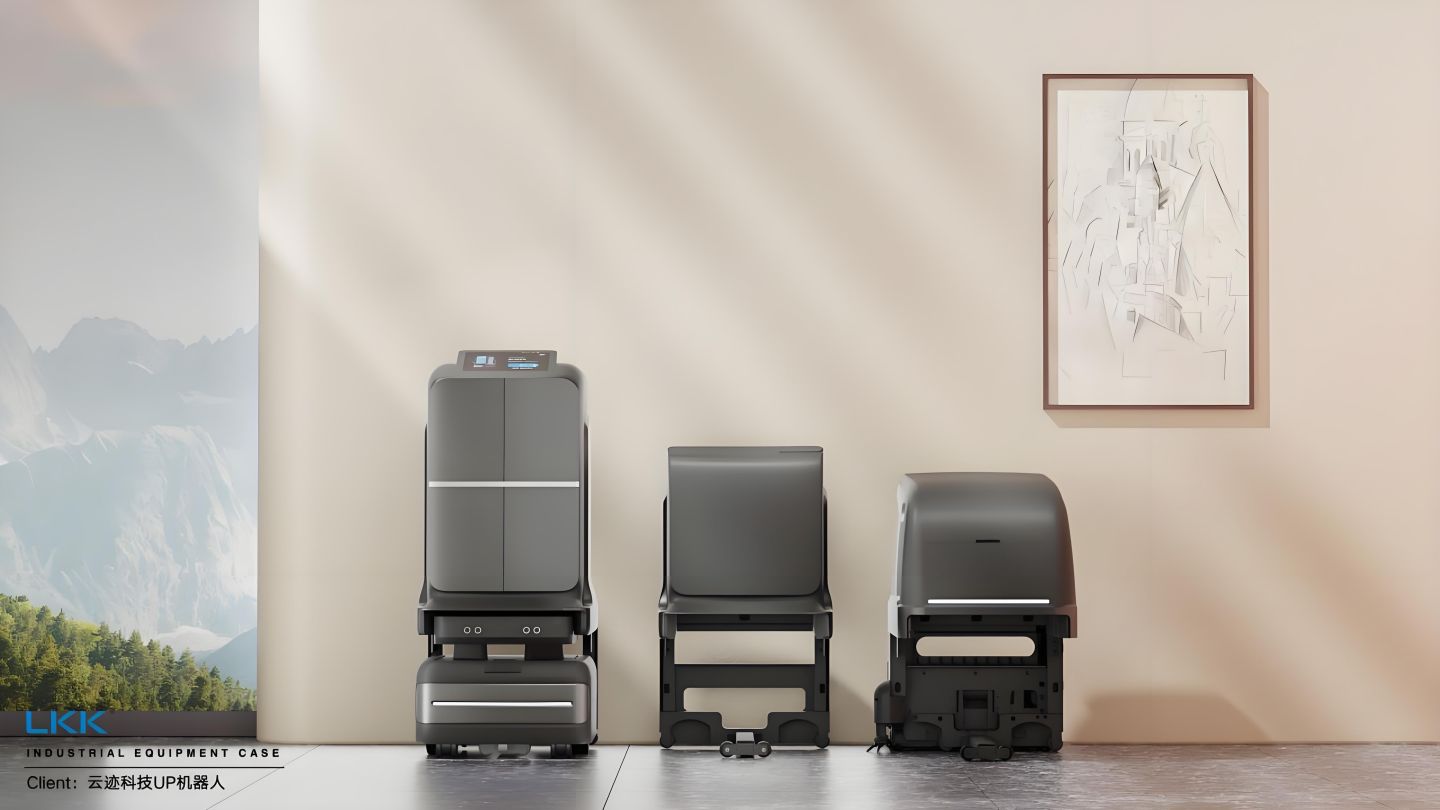
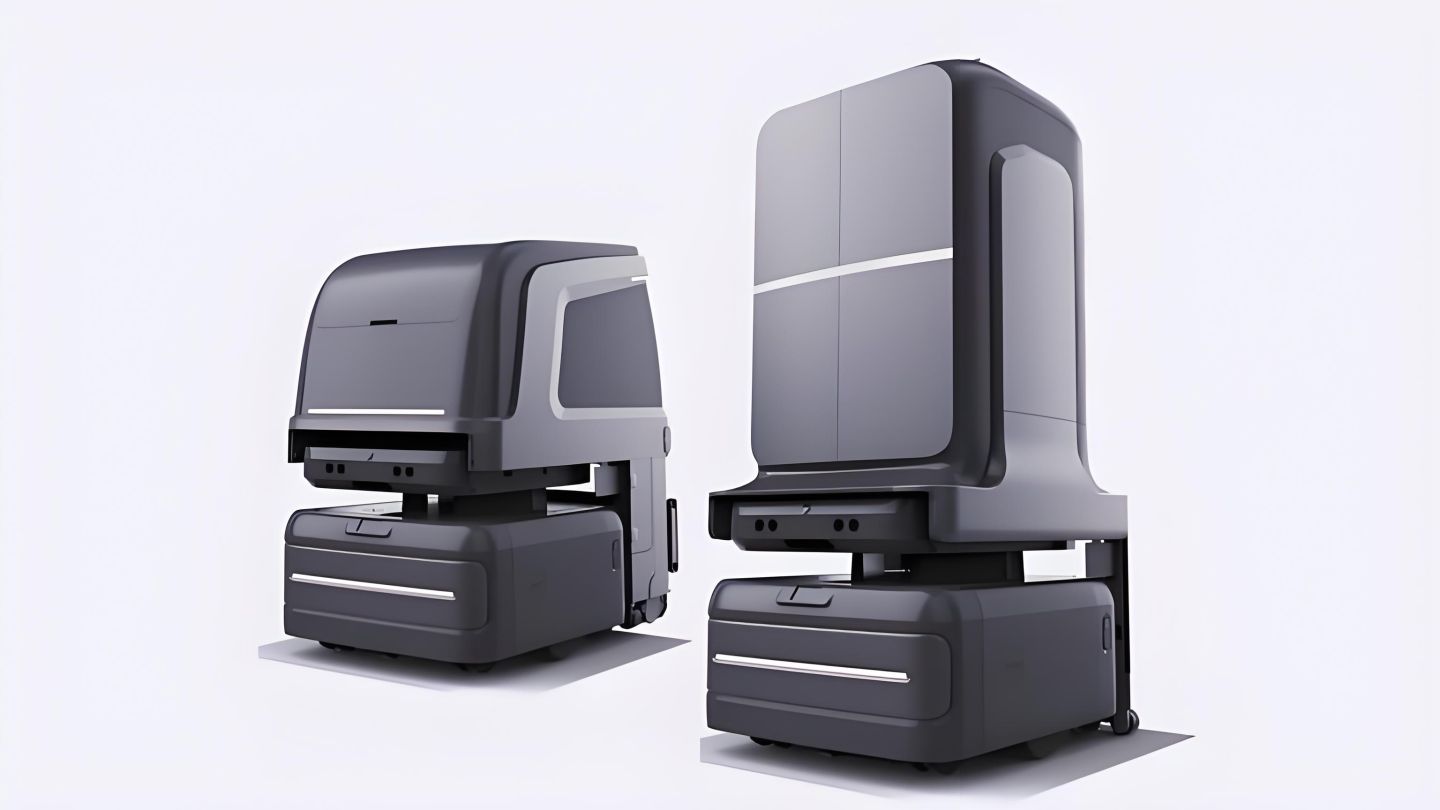
Redefining the Category with "Composite Multi-Modal" Design: In AIOT design, hardware is the vessel for service. We abandoned a single-function approach, adopting a "universal chassis + modular cabin" architecture. This AIOT hardware design allows one device to handle delivery, cleaning, and patrols, directly addressing the hotel's operational pain point of "24-hour manpower gaps" and redefining the value of service robots.
Part 2: The Core of AIOT Design: The Deep Fusion of Technology, Scenario, and Experience
A successful AIOT product is born from the perfect marriage of technical rationality and user experience. This principle guided the design of Yunji's UP series.
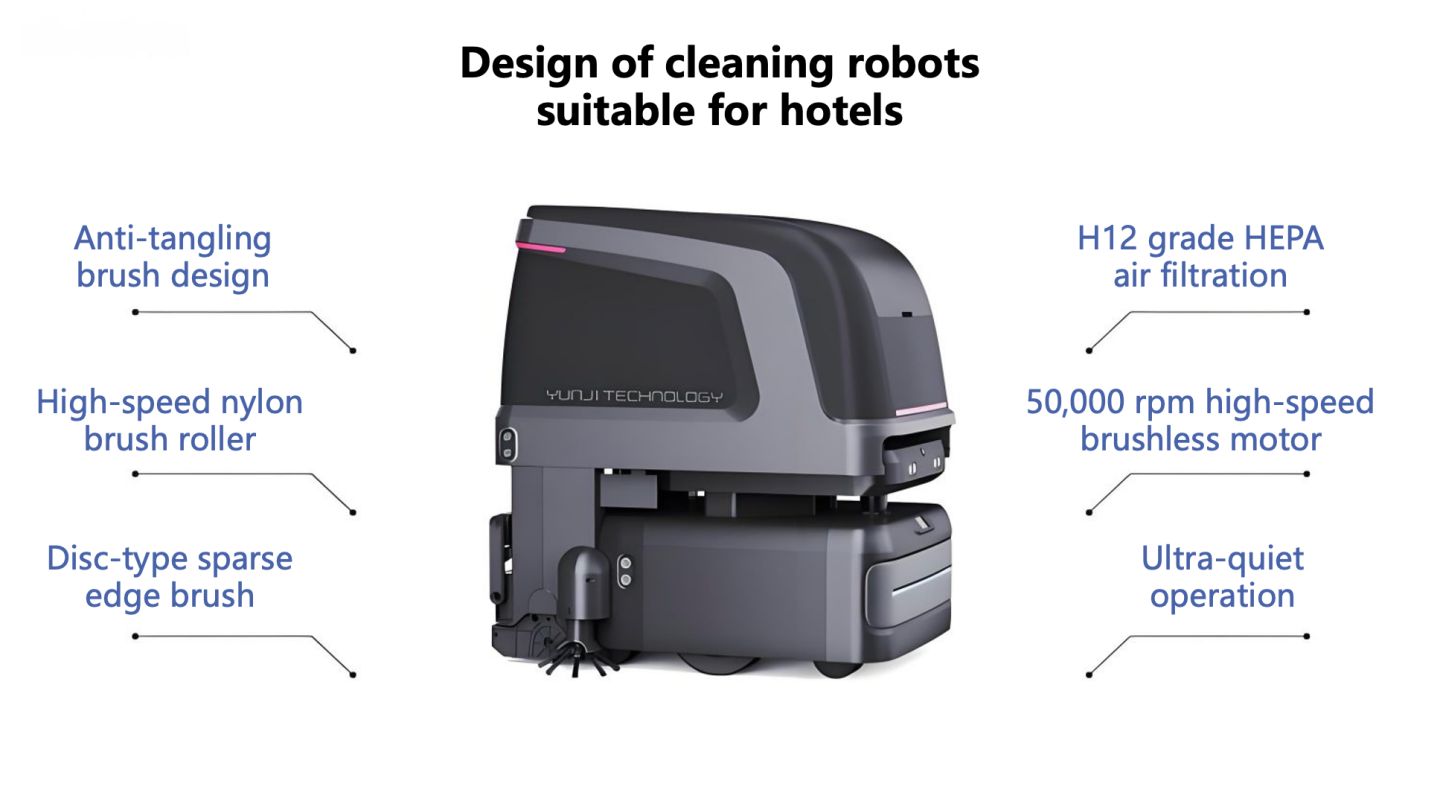
Technology-Driven Design Realization: Superior AIOT design must master the environment. For the carpeted floors found in 80% of hotels, we spearheaded the design of an anti-tangle brush roller system, collaborating with engineers to optimize suction power, ensuring reliability and efficiency in complex environments.
Scenario-Adapted Hardware Language: In our AIOT hardware design, the UP series was built for its context. A full-length contour light provides a visual safety cue, while a subdued grey-and-white color scheme blends seamlessly into most hotel decors. Every design decision serves the goal of being "quiet, reliable, and unobtrusive."
Experience with Emotional Intelligence: The goal of AIOT design is symbiosis between human and machine. We infused the robot with contextual emotional interaction: a warm voice after delivery, the ability to anticipate guest needs, and even singing birthday greetings. This transforms cold technology into a warm and trustworthy presence.
Results: This comprehensive AIOT design solution helped the UP series become a "digital standard" for leading hotel chains like Marriott and IHG. A single robot now handles over 150 tasks daily, helping hotels reduce operational costs by 60%. In 2024, Yunji's contract value in non-hotel scenarios surged by 1444.7%, proving the powerful scalability of our AIOT design model.
Part 3: The LKK Design AIOT Design Methodology: From "Product Definition" to "Category Creation"
The success of the Yunji project is a victory for LKK Design's systematic AIOT designmethodology.
The "Category Breakthrough" Framework: This is our core tool for AIOT design, guiding the entire process from technology insight and scenario definition to product shaping and market positioning. For instance, using this framework to identify the "room service backlog" pain point directly led to a strategic partnership between Yunji and Meituan, creating an intelligent "last 100-meter" delivery loop.
Design-Driven Commercialization: LKK Design's AIOT design acts as a "translator," converting cutting-edge technologies into tangible user benefits and commercially viable solutions.
James Deng, Vice President of LKK Design Group, states: "In the AIOT era, design is no longer about aesthetics; it's about systematic business innovation. Through AIOT design, we identify the 'real users, real scenarios, and real pain points' in vertical markets. This is the only path for technology to achieve commercial value."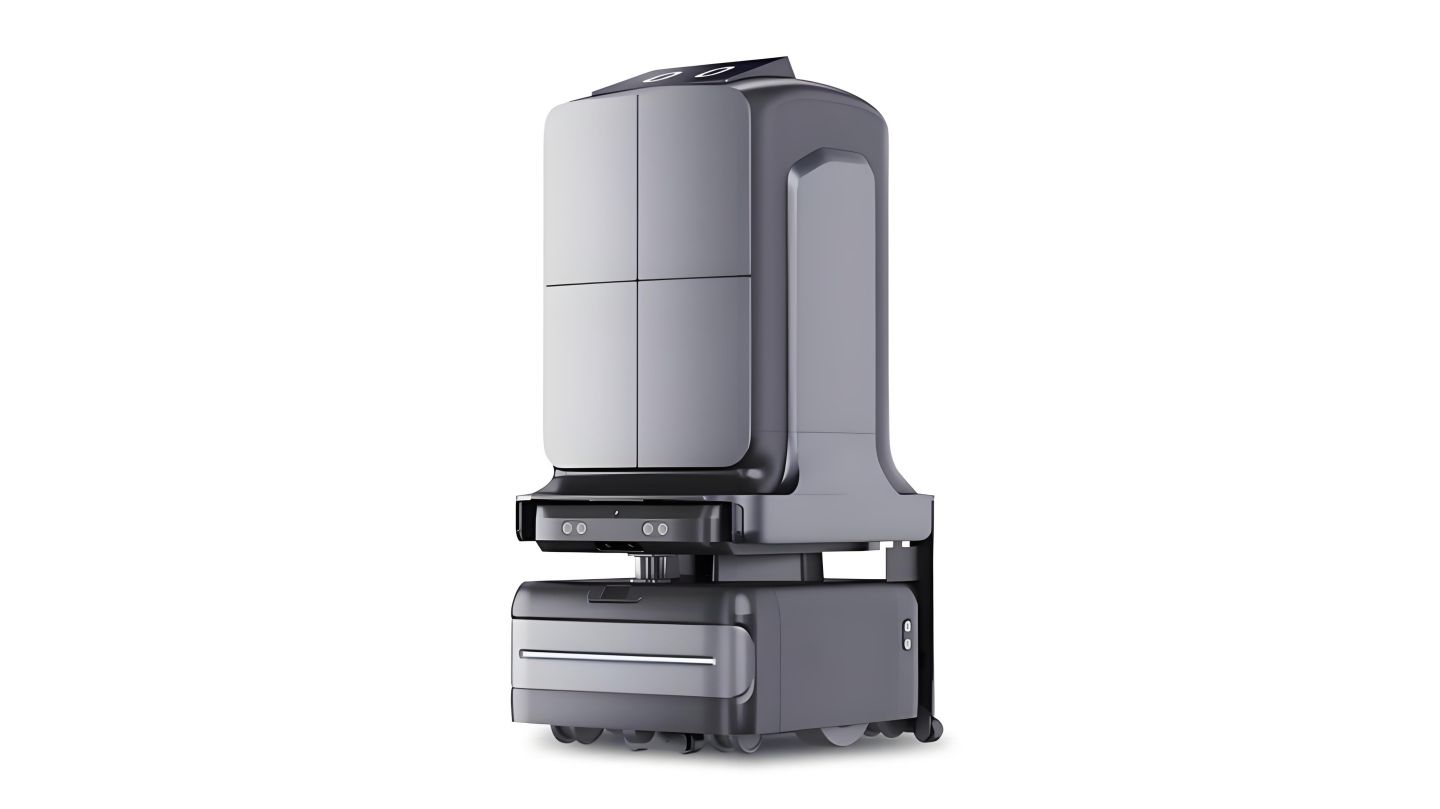
Part 4: How Can Your AIOT Product Replicate This Success?
Yunji's IPO is the first major milestone of LKK Design's "100 AI Category Champions Initiative." We are convinced the next big AIOT opportunities are hidden in underserved "bending-over scenes."
We are now ready to empower more innovators with this proven AIOT design methodology. LKK Design offers a full-spectrum service—from category strategy and AIOT product definition to hardware design, development, and commercial validation—to build the next smart hardware category leader.
Conclusion
The goal of technology is to extend human capability, and the mission of AIOT design is to make this extension natural, efficient, and meaningful. The story of Yunji's robots confirms a powerful idea: Exceptional AIOT design enables machines to read scenarios and allows services to anticipate needs.
If you are innovating in the AIOT space, contact us to explore how to win the market through design.


We use cookies to ensure that we give you the best experience on our website. By clicking "Accept All", you consent to our use of cookies. Learn more.
Please fill out the form and we'll get back to you shortly.

Your submission has been received !
Thank you for your submission.
We will get back to you within 24 hours and appreciate your patience.
Enter your details to receive the toolkit for free.