
3D printing has transformed how physical product prototypes are made. Compared with traditional methods, it allows teams to iterate quickly, reduce tooling costs, and bring realistic models into meetings within days instead of weeks.
By printing functional mockups and high‑fidelity samples, designers and engineers can:
Validate ergonomics and aesthetics
Check assembly and fit between parts
Test basic mechanical performance
Present compelling models to investors, customers, or internal stakeholders
When 3D printing is integrated with professional design and contract manufacturing services, it becomes part of a complete path from idea to mass production rather than a standalone workshop process.
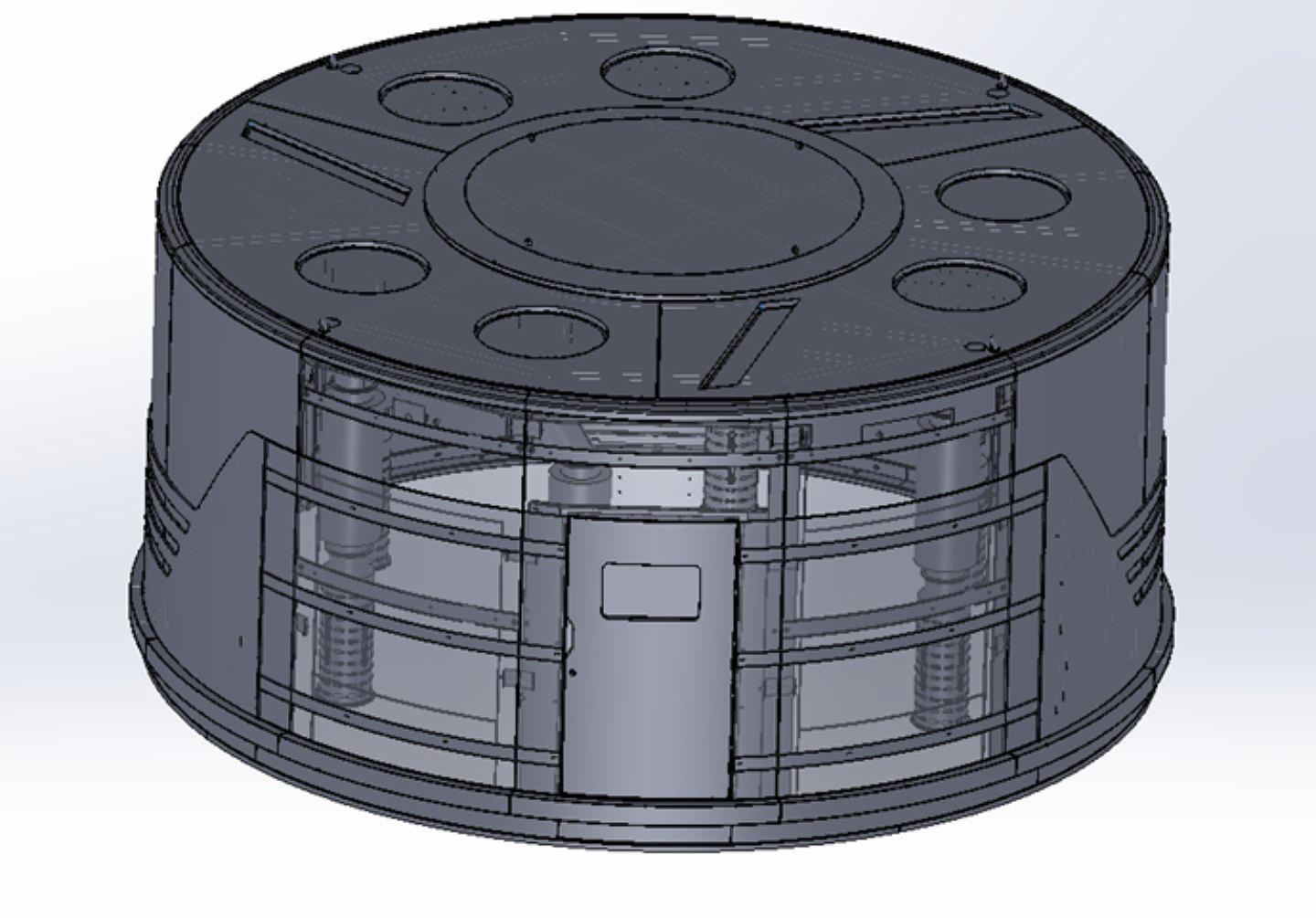
Every 3D printed prototype starts with a digital design. Designers typically use CAD tools such as Rhino, Fusion 360, or similar software to translate sketches, requirements, and constraints into 3D geometry.
Key tasks in this stage include:
Defining overall dimensions, interfaces, and clearances
Applying fillets, chamfers, ribs, and other details to reflect functional requirements
Planning assembly structures like snap‑fits, screws, and clips
Checking that the design meets basic manufacturability rules for future mass production
Professional teams clean up meshes, fix surface issues, and ensure water‑tight geometries so the file is ready for 3D printing. This optimization saves time and reduces failed prints.
Not all 3D printed prototypes are created equal. Different processes suit different needs:
Fused Deposition Modeling (FDM) for quick, low‑cost form studies
Stereolithography (SLA) for high‑detail visual models and smooth surfaces
Selective Laser Sintering (SLS) or Multi‑Jet Fusion (MJF) for tougher, functional parts and assemblies
Metal 3D printing for prototypes that must withstand high loads or temperature
Selecting the right process depends on:
Intended use: appearance model vs. functional test
Required accuracy and detail
Material properties needed (flexibility, toughness, temperature resistance)
Budget and lead time constraints
Experienced partners, such as LKK, evaluate not only what is best for rapid prototyping but also what aligns with future manufacturing technologies so that the jump from prototype to production is smoother.
Over the past years, LKK Innovation Design Group has accumulated 609 design awards worldwide, and in 2026 it added new milestones by winning 2 Gold and 1 Silver at the MUSE Design Awards in the United States, as well as multiple honors from the Red Dot Product Design Award in Germany.
Material choice is critical when getting a 3D print product prototype made. For appearance models, designers might prioritize color, translucency, or surface finish. For functional prototypes, properties such as stiffness, impact resistance, and heat stability matter more.
Common material decisions include:
Standard resins for high‑detail visual prototypes
Engineering resins or nylon powders for functional testing
Flexible materials to simulate rubber or soft over‑molds
High‑temperature or reinforced materials for complex engineering tests
Many modern 3D printing materials are tuned to emulate common injection‑molded plastics, enabling realistic testing of part behavior before investing in tooling.
Before pressing “print,” the 3D model must be oriented and sliced. This step affects strength, surface quality, support structures, and print time.
Teams typically:
Choose orientation that minimizes visible layer lines on key surfaces
Plan for adequate support where overhangs occur
Adjust infill patterns and densities for strength and weight
Check tolerances and gaps for mated parts to account for process‑specific deviations
Careful preparation reduces post‑processing work and helps ensure that parts assemble correctly straight out of the printer.
Once the file is prepared, the 3D printer builds the part layer by layer. After printing, support structures are removed and parts are cleaned.
The team then evaluates:
Overall geometry and dimensions
Tactile feel and ergonomics (grip, reach, weight)
Basic functional performance for hinges, snaps, or moving parts
Potential interferences in assemblies or housings
Because 3D printing is fast, multiple iterations can be completed in short cycles. This allows product teams to make decisions based on physical evidence rather than relying purely on screen‑based reviews.
Raw 3D prints rarely look like final products. To make a product prototype ready for user testing or presentations, teams apply finishing steps.
Typical finishing processes include:
Sanding and smoothing surfaces
Priming and painting for color and texture
Applying decals, logos, or graphic elements
Adding metallic coatings, soft‑touch finishes, or clear coatings
Assembling printed parts with hardware and electronics
Specialist shops can match paint codes, textures, and patinas to reference images or real materials, transforming a simple 3D print into a product‑quality sample suitable for photography, trade shows, or investor pitches.
A 3D printed prototype is most valuable when integrated into a comprehensive product development and manufacturing strategy. In modern industrial design and contract manufacturing workflows, teams use 3D printing at several points:
Early in the concept stage for quick form studies and ergonomic tests
During engineering validation for checking PCB fits, airflow paths, and mechanical robustness
In DVT and PVT builds to accelerate iterations on enclosures and fixtures
For low‑volume or bridge production before full tooling is ready
LKK’s approach to contract manufacturing and product prototype design, for example, leverages 3D printing alongside CNC machining, soft tooling, and pilot production lines. This makes sure that the lessons from rapid prototyping feed directly into a design that factories can build reliably.
You can explore these integrated solutions on their official site: https://www.lkkerscm.com.
3D printed product prototypes support a wide range of applications:
Consumer electronics: housings for wearables, smart speakers, or projectors used to validate size, grip, and button placement
Healthcare: device enclosures that are evaluated for hygiene, ergonomics, and compatibility with medical workflows
Industrial equipment: control panels and brackets tested for durability and ease of assembly
Marketing props and fixtures: realistic mockups for campaigns, exhibitions, or retail pilots
Providers like LKK have delivered prototypes for sectors including smart home devices, industrial systems, and medical equipment, ensuring that each sample reflects both user expectations and manufacturing constraints.


We use cookies to ensure that we give you the best experience on our website. By clicking "Accept All", you consent to our use of cookies. Learn more.
Please fill out the form and we'll get back to you shortly.

Your submission has been received !
Thank you for your submission.
We will get back to you within 24 hours and appreciate your patience.
Enter your details to receive the toolkit for free.