

 Home /
ibotn Toddler Companion Robot
A Mother’s Second Pair of Eyes



Innovation Insights
Project Background
Many startup teams have entered the robotics industry, developing products for floor cleaning, personal care, companionship, and humanoid applications.
The statement made by investors that “2015 marked the beginning of the robotics era” indicated the rise of the industry.
However, robots differ significantly from wearable devices and other smart hardware. Although many entrepreneurs have entered this field, the barriers to developing successful robotic products remain high.
Innovation Value
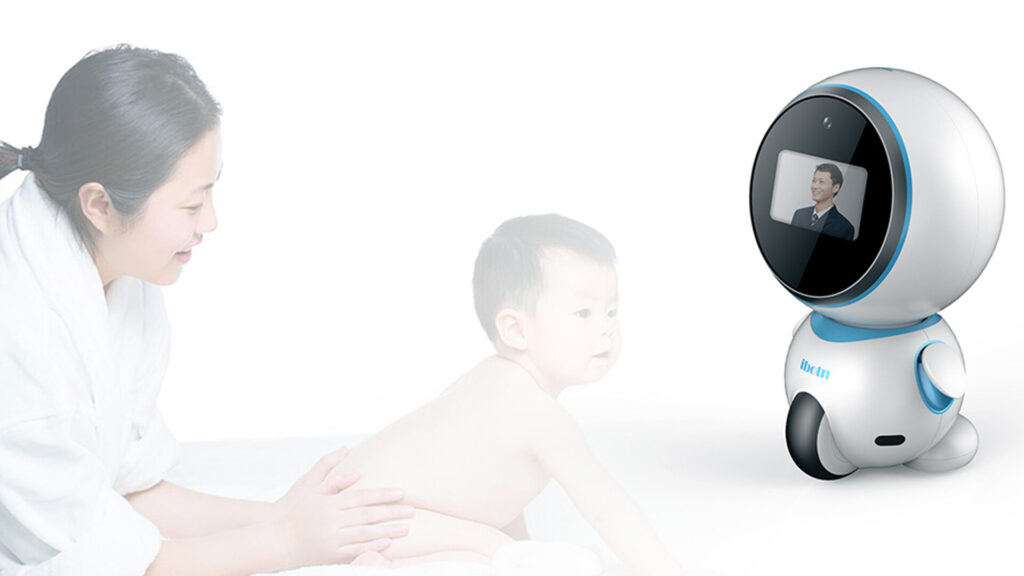
The ibotn Toddler Companion Robot designed by the LKK team serves as an intelligent assistant for mothers.
It helps parents keep their babies within view while staying beside young children and recording important moments throughout their development.
By combining advanced artificial intelligence with image-processing capabilities, the robot provides thoughtful companionship and childcare monitoring.
The ibotn Toddler Companion Robot is designed for infants and toddlers aged zero to three.
It allows working mothers in urban areas to monitor their babies’ activities in real time and interact with them remotely from anywhere.
The robot serves as a companion throughout the child’s development and a reassuring assistant for mothers.
Design Strategy
User Insight
Based on a user-centered approach and systematic research and analysis, the product was designed to address the childcare challenges faced by working mothers with children aged zero to three.
It supports remote monitoring, video interaction, voice dialogue recognition, timely reminders, and other functions.
Experience Optimization
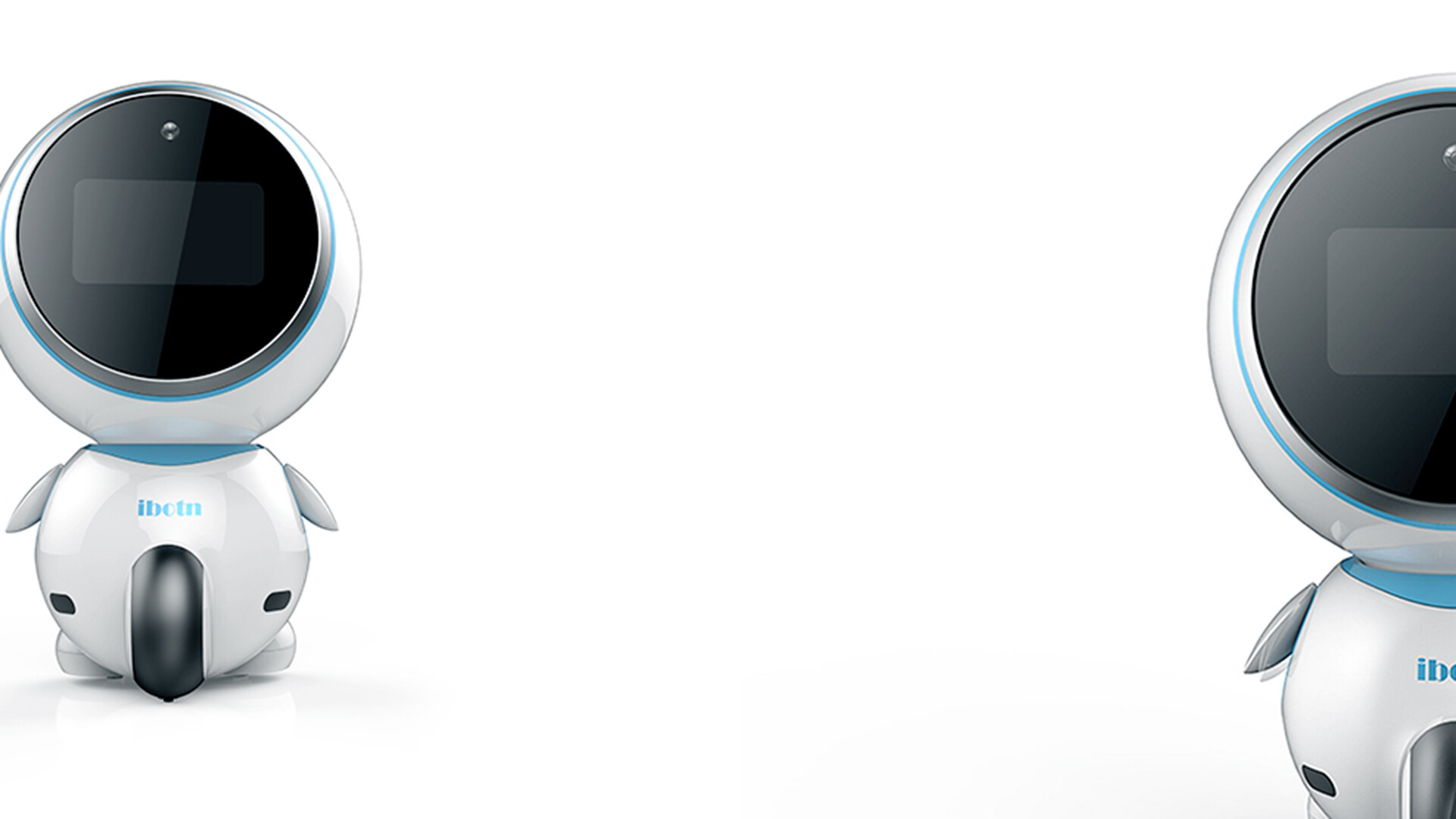
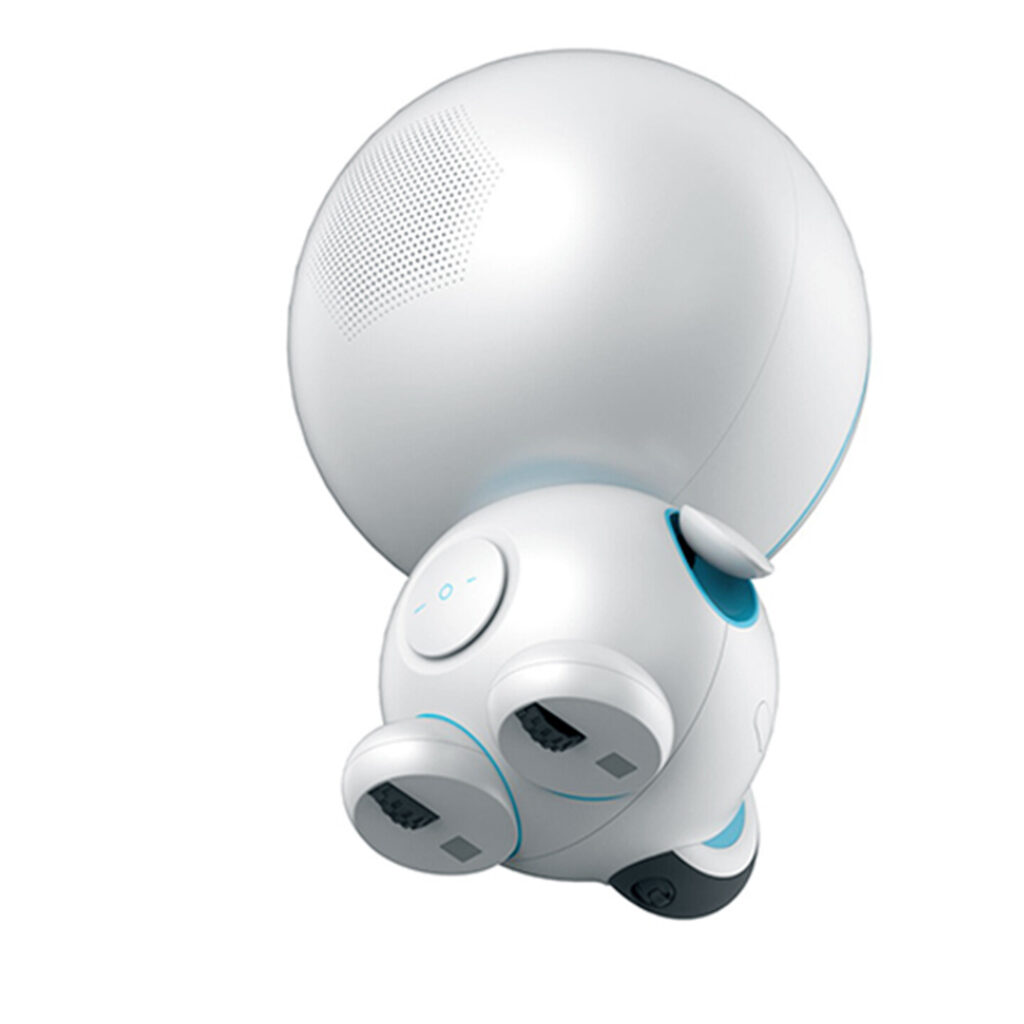
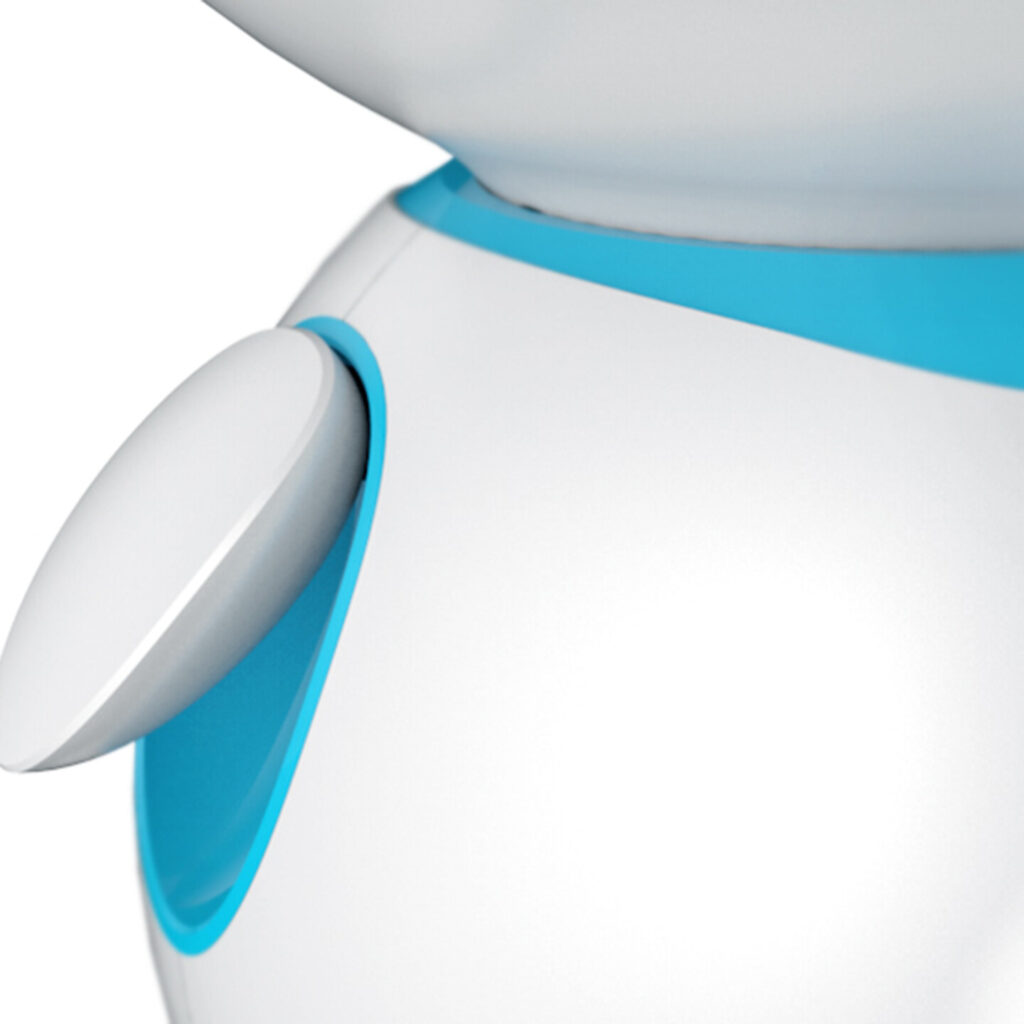
The design features a large head and a small body, creating a cute and playful overall appearance that helps children feel comfortable rather than frightened.
The single-wheel structure at the front meets the product’s aesthetic requirements while differentiating it from similar products on the market.
💡 Solution
1. Emotional and Biomimetic Interaction
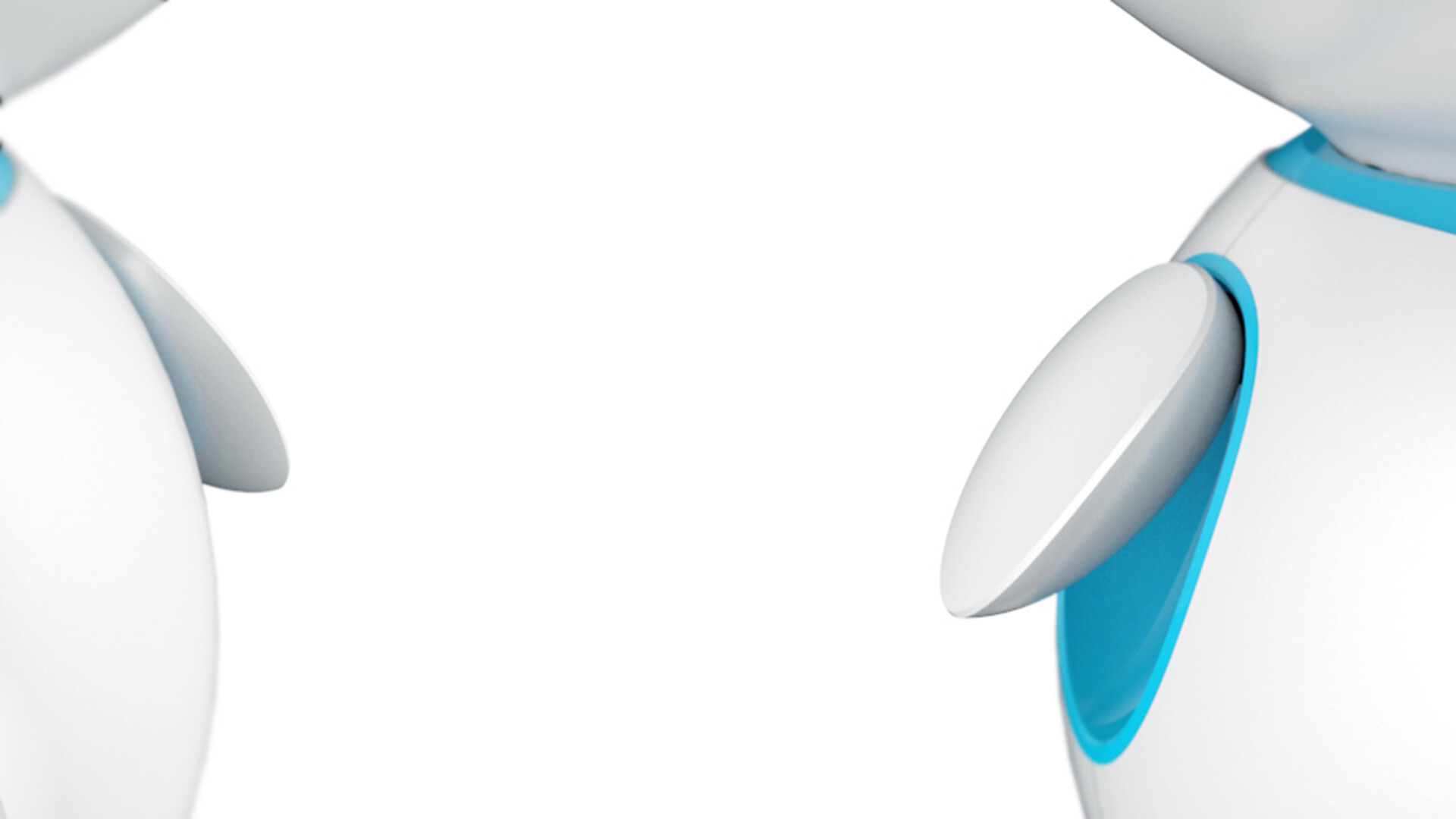
Following a human-centered design approach, the robot uses head movements, small arm gestures, a night-light, and screen-based interaction to create an emotional and responsive biomimetic character.
It is designed to communicate, express feelings, and appear full of life rather than functioning as a cold and lifeless learning or storytelling machine.
2. Rounded and Child-Safe Design
The overall form is rounded to provide resistance against falls and reduce the risk of injury from accidental collisions.
This design meets the safety requirements of young children.
Through emotional interaction and daily companionship, the robot becomes a close and trusted friend to the child.
Like What You See?
 Let's Talk About Your Project