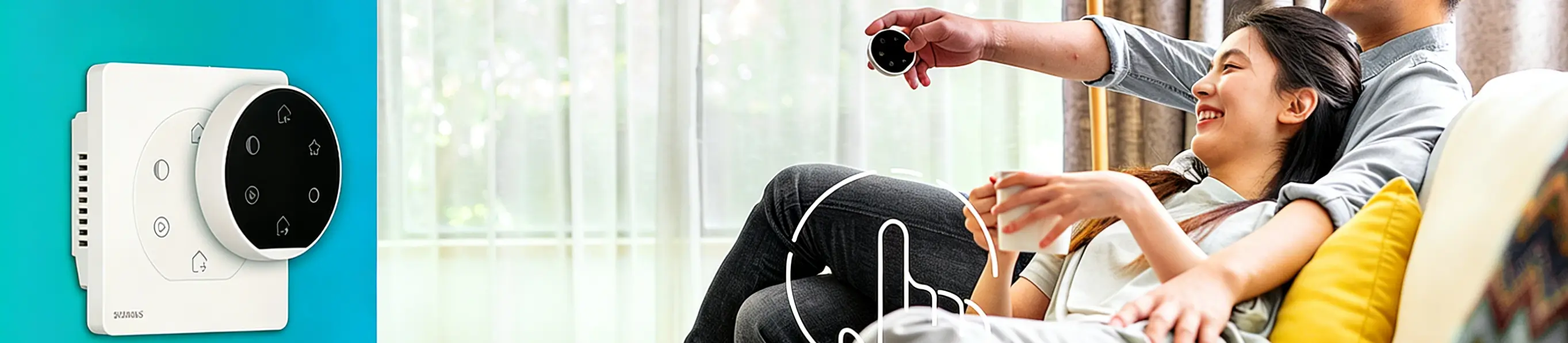
A set of smart home system products designed and developed for Siemens


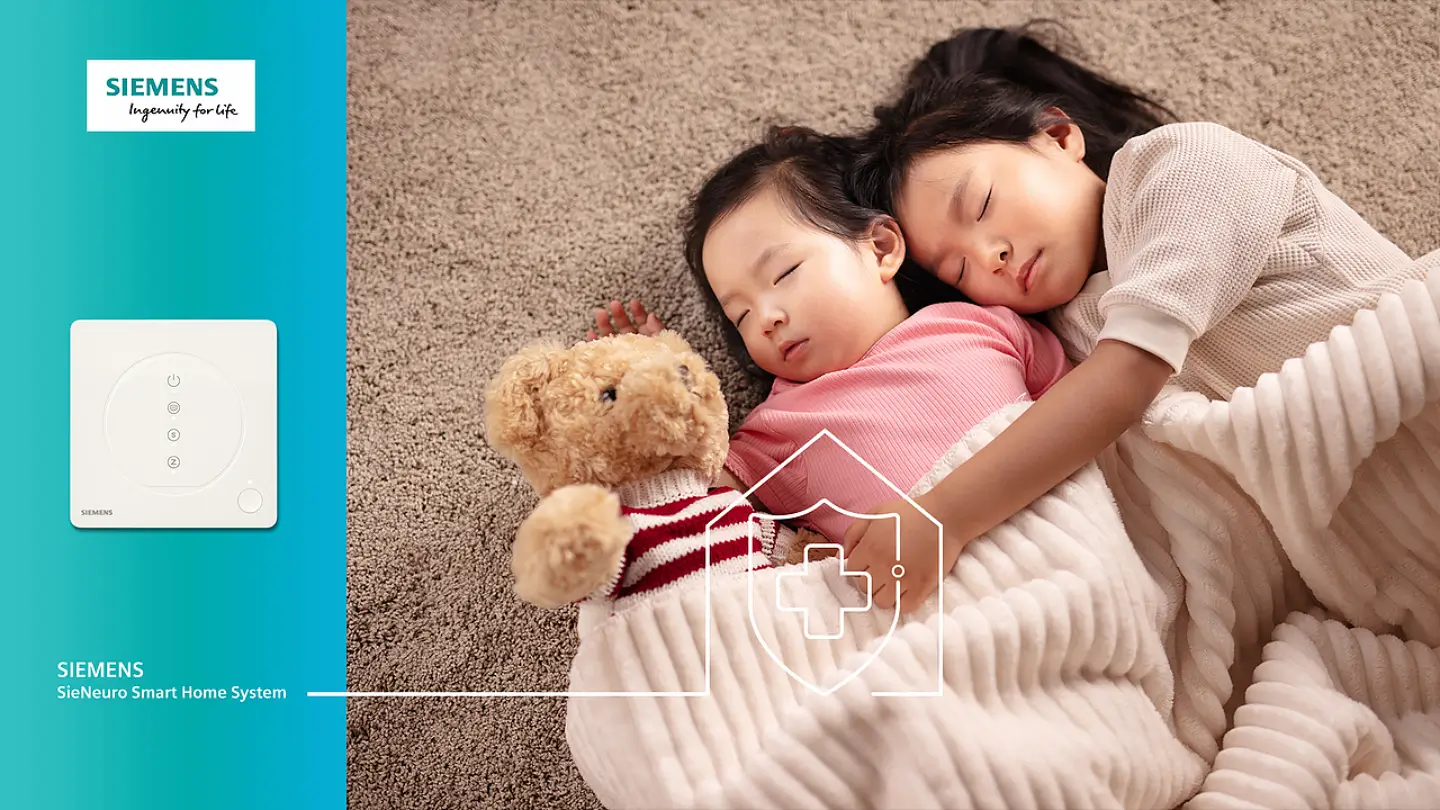

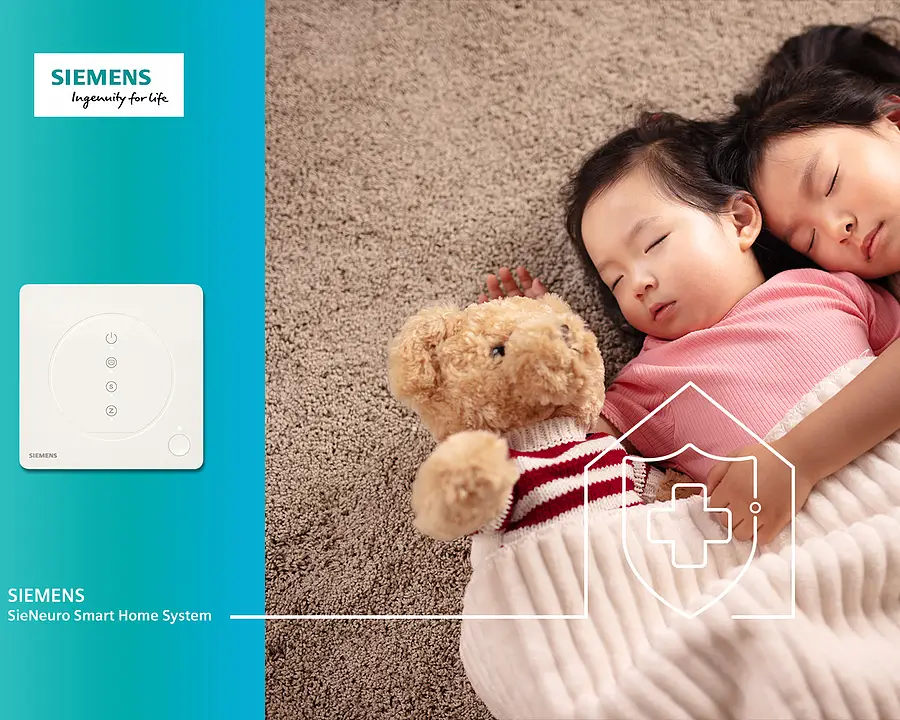
With technological advancement and consumption upgrades, smart homes entering thousands of households has become an inevitable market trend. However, product quality in the market is uneven, and users face multiple challenges including high prices, complex operations, and monotonous aesthetics.
SIEMENS, a globally renowned industrial brand, decided to enter the emerging smart home market. But before proceeding, a key question needed answering: How to integrate industrial-grade reliability with consumer product approachability?
The project had a clear goal: to create a product suite with high aesthetic appeal, an approachable price point, and strong brand-added value, genuinely promoting market coverage in the smart home industry and allowing more people to enjoy the convenience brought by technology.
For LKK Design, this was not merely a product design task but a societal proposition about technological democratization—how to genuinely apply modern technology to people's daily living environments, creating comfortable, convenient, stylish, and secure smart lifestyles through simple, natural human-computer interaction and backend big data analysis.

The core challenge for smart home products lies in finding balance between advanced technology and mass-market acceptance. Many smart home products are often abandoned by users due to complex operations or fail to integrate into modern home environments because of bulky appearances.
The first challenge faced by the LKK Design team was achieving perfect integration of function and aesthetics within limited space. Smart home control panels are typically installed at prominent locations like home entrances or living rooms—they must clearly convey information without disrupting overall home aesthetics.
Traditional smart home products often overemphasize technological appearance, resulting in discord with the warm atmosphere of home environments. To address this, LKK adopted a philosophy of "restrained minimalism," finding a precise balance point between functional and design experience.
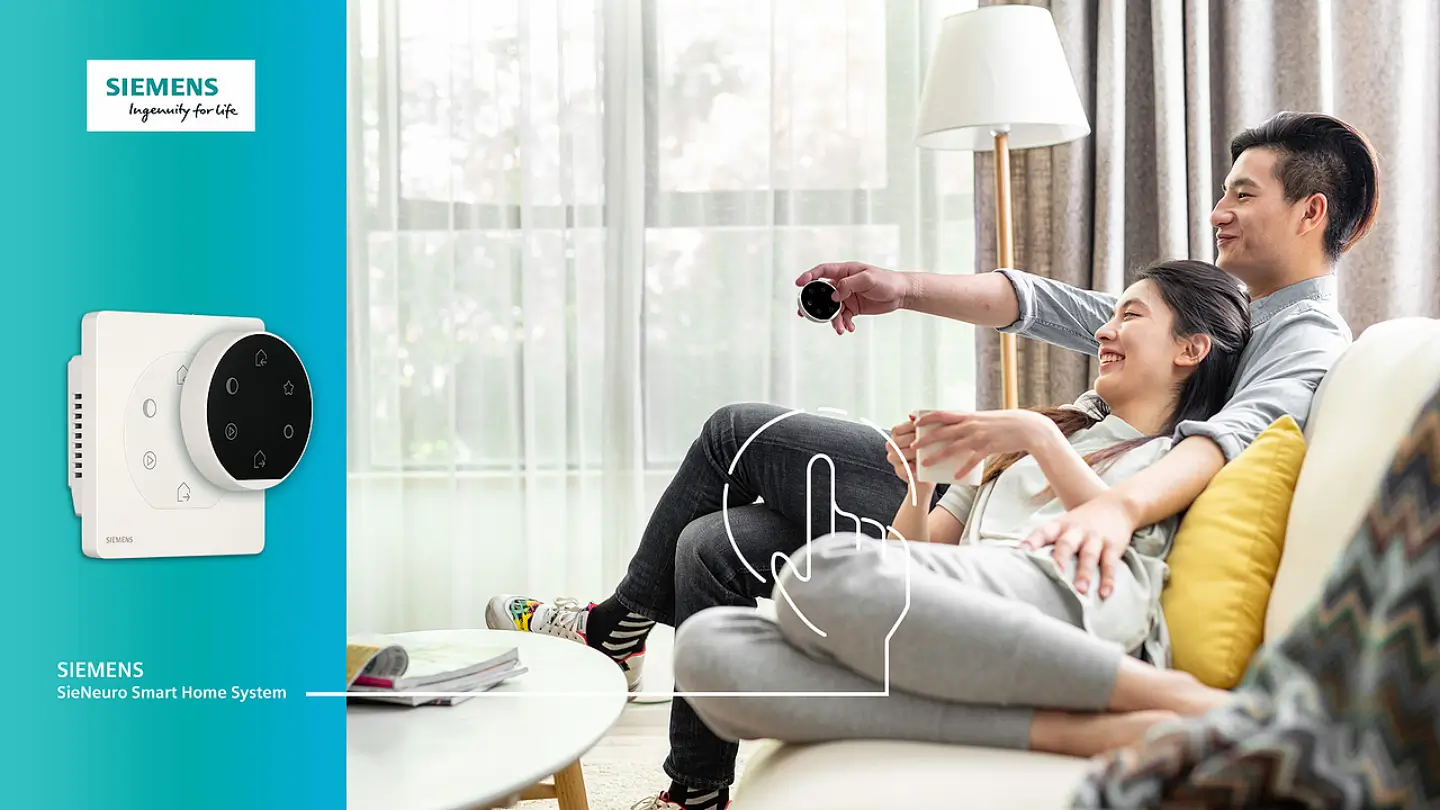
The second challenge was spatial limitation. Traditional smart home controllers are typically fixed in one location, restricting user scenarios. Therefore, LKK developed a magnetic scene remote control, allowing users to switch scenario modes anytime from any corner of their home, significantly extending smart home usability.

During the project initiation phase, the design team established "Restrained Minimalism" as the core design philosophy. This meant finding precise balance between product function and design experience, avoiding over-design.
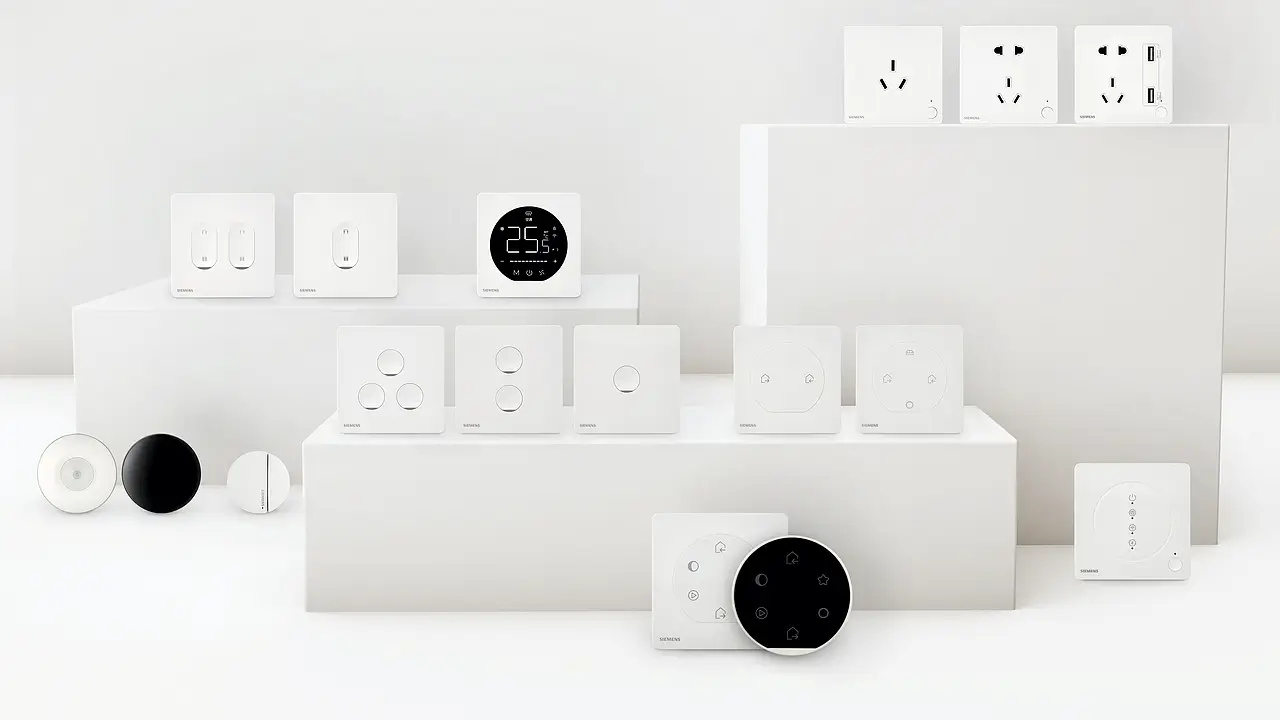
The team thoroughly researched users' daily home environments and operating habits, determining that the smart home system needed to accommodate both wall-mounted fixed control and mobile flexible control scenarios. This strategy directly led to the dual-product architecture of wall panels and magnetic remotes, maintaining system integrity while breaking spatial limitations.
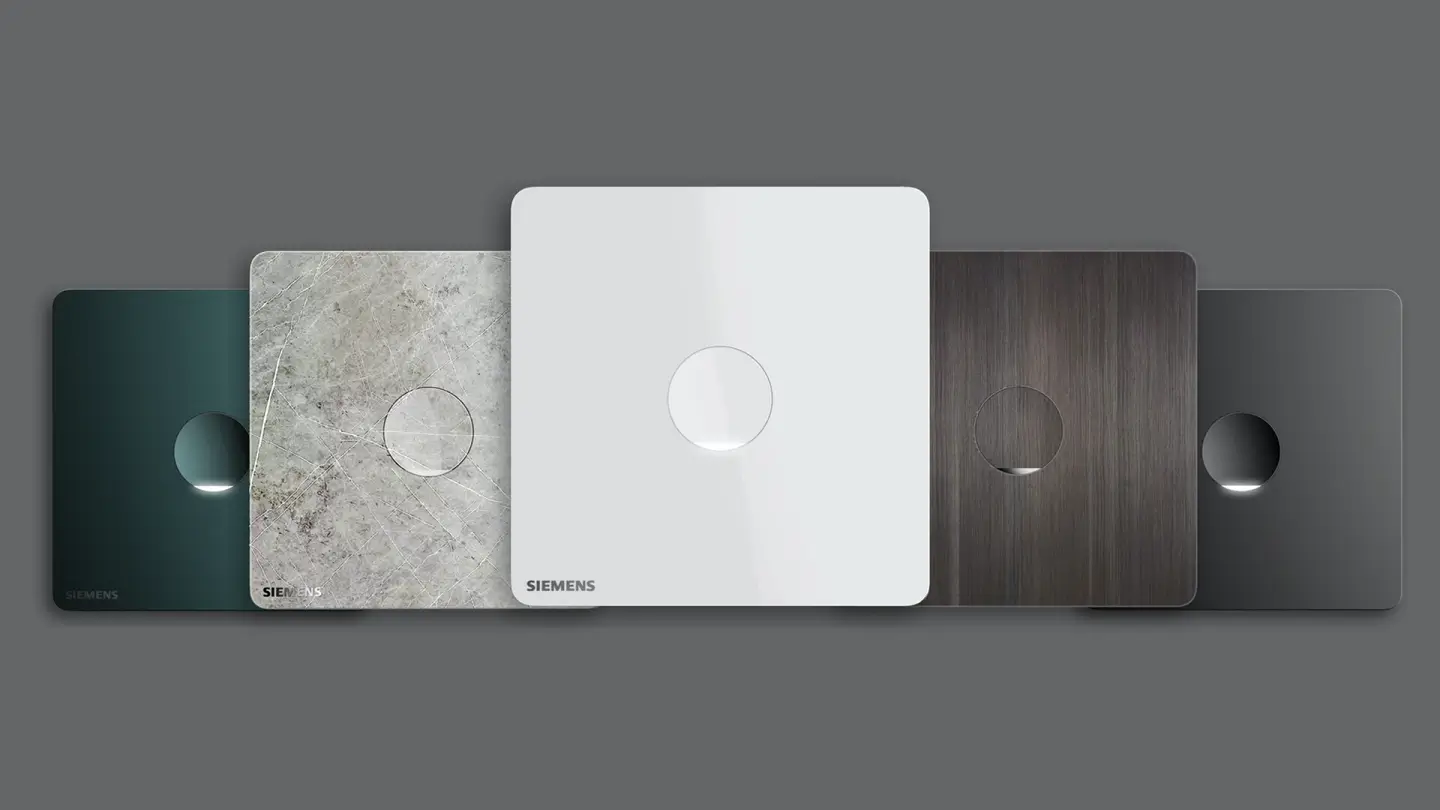
The industrial design phase focused on transforming abstract strategy into concrete forms. The team selected "Square and Circle" as core design language: frameless square contours provided modular combination possibilities to meet personalized needs; panel-mounted circular arc button designs optimized interactive touch and visual clarity.
A key breakthrough was precise button design. Through repeated ergonomic validation, the team determined a 1:14 golden ratio to divide buttons into two parts. When users press a button, feedback lighting creates a visual effect resembling a smile—this subtle design significantly enhanced user emotional experience.
Mechanical design ensured product structural reliability and production feasibility. For the magnetic scene remote, design focus was on magnetic structure stability and durability, ensuring precise positioning and reliable connection even after numerous attachment/detachment cycles.
Wall panel mechanical design emphasized installation convenience and security. The team designed hidden buckle structures and standard 86-back box compatible solutions, enabling users or electricians to complete installation quickly while ensuring flush panel-wall integration.
Hardware Design involved selecting low-power, high-performance processors and wireless communication modules to ensure long-term stable operation. For button feedback, a specialized soft, uniform LED light guide system was designed to achieve the "smiling light effect" visual.
Firmware Development focused on device stability and response speed. Firmware optimized device wake-up mechanisms and wireless communication protocols, ensuring millisecond-level system response after user operations while minimizing standby power consumption.
Software Development covered mobile apps and cloud platforms. App interfaces continued the "restrained minimalist" design language, providing intuitive scenario setup and device management functions; cloud platforms handled user habit analysis and system linkage optimization for intelligent experiences.
The team created multiple rounds of samples from appearance models to functional prototypes. Early prototypes verified form dimensions and operation feel; mid-stage functional prototypes tested electronic system and mechanical structure compatibility; final engineering prototypes underwent comprehensive reliability testing.
Testing was particularly crucial, including over 100,000 button life cycles, wireless signal stability tests in different environments, and magnetic structure durability tests. User testing invited real households to experience the complete system, collecting feedback on operation intuitiveness, scenario practicality, and aesthetic acceptance.
The design team worked closely with manufacturing partners to ensure design intent was perfectly realized in mass production. For critical processes like button injection molding, light guide plate printing, and metal frame processing, detailed process drawings and technical requirements were provided.
The team helped factories establish an optical inspection standard specifically to ensure each button's "smiling light effect" met design specifications. Simultaneously, motherboard SMT and final assembly processes were optimized to improve production efficiency while controlling costs without compromising quality.

The SIEMENS Smart Home System design achievements are remarkable, successfully overcoming multiple challenges in smart home adoption and creating multifaceted innovation value.
The product ultimately won multiple international design awards including the Red Dot Award, iF Design Award, and IDEA Award, validating its forward-looking design and practicality. This recognition affirmed not only product aesthetics but also its complete user experience design.
From a market perspective, this design helped smart home products shed the coldness of traditional industrial products. With higher aesthetics, more approachable interactions, and competitive pricing, it effectively promoted smart home industry market coverage.
From a user experience perspective, the magnetic remote design broke spatial limitations, extending smart control from fixed walls to every corner of homes, truly realizing "anytime, anywhere" smart living experiences.
Through this project, LKK Design demonstrated that excellent product design can build bridges between technology and people. This design thinking and methodology has been successfully applied to other fields like AGV logistics robots, providing holistic innovation solutions for clients across different industries.
share





We use cookies to ensure that we give you the best experience on our website. By clicking "Accept All", you consent to our use of cookies. Learn more.
Please fill out the form and we'll get back to you shortly.

Your submission has been received !
Thank you for your submission.
We will get back to you within 24 hours and appreciate your patience.
Enter your details to receive the toolkit for free.
